Shipping an Exotic or High-Value Car: What Is Genuinely Different
Three things change, and only one of them is the trailer. Ground clearance decides whether the car can be loaded at all, the cargo insurance limit almost certainly does not cover the vehicle, and the securement method matters more than on an ordinary car. The enclosed trailer everyone focuses on is the easy part. The insurance gap is the part that costs people money, and it is the question fewest owners think to ask.
The Insurance Gap Is the Real Issue
Carrier cargo insurance is written around ordinary vehicles. A common limit is $100,000 to $250,000 for the entire load, which may be seven to ten cars. If your car is worth $180,000 and shares a trailer, the proportional share available to it in a total loss is a fraction of its value.
So do three things before booking. Ask for the certificate of insurance for the specific carrier assigned to your vehicle, not a general assurance. Read the cargo limit and the deductible. Then compare that limit against what the car would actually sell for today, not a book figure, and if there is a gap, arrange supplemental cover before pickup rather than after.
It is also worth asking whether the policy pays on an agreed value or an actual cash value basis. For a car whose market value is contested or appreciating, that distinction decides what a claim is worth.
Clearance Decides Whether It Loads
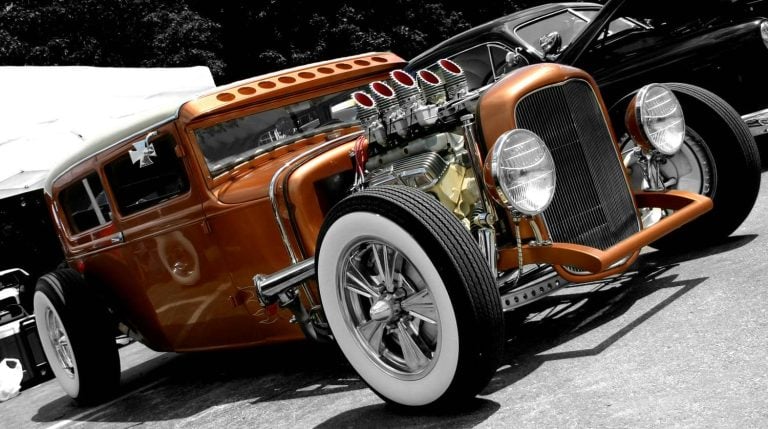
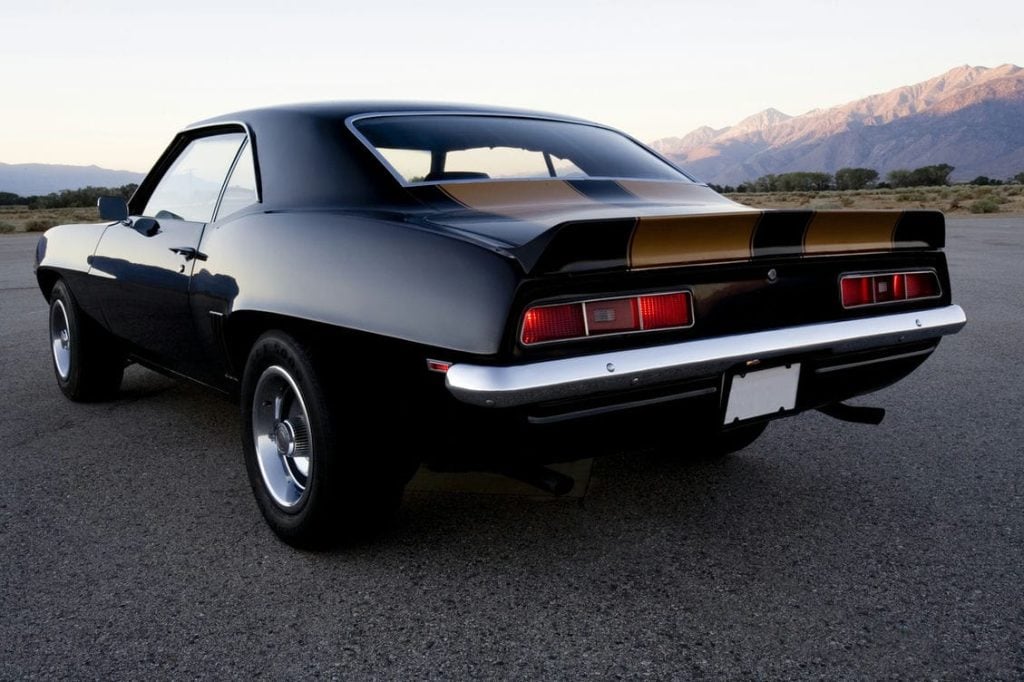
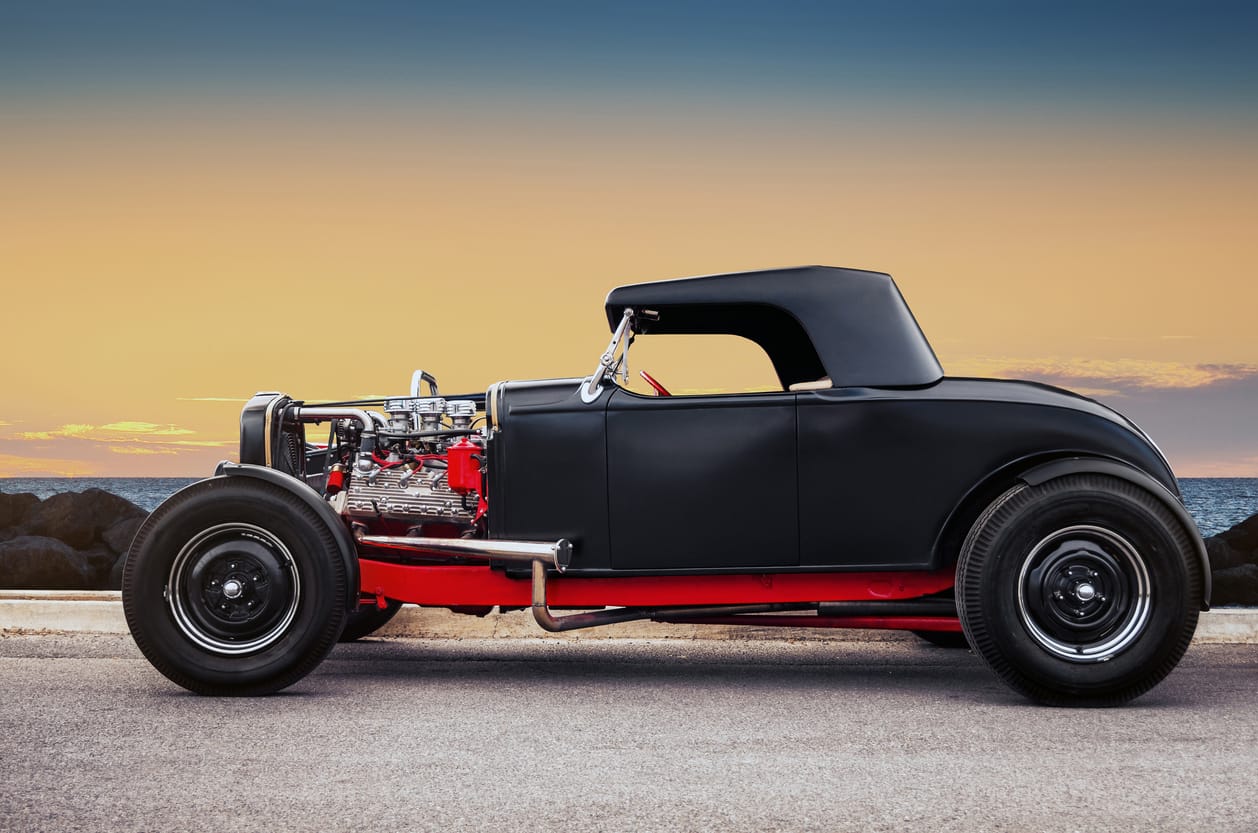
A standard carrier ramp has an approach angle that a normal car clears without thought. A supercar with a front splitter, a lowered classic or a hot rod frequently does not, and the damage happens in the first three feet of loading.
The equipment that solves it is a liftgate, which raises the car horizontally rather than dragging it up an incline. Not every enclosed carrier has one, so this is a specific question to ask rather than an assumption. Low-angle ramps and race ramps are the alternative on some trailers.
Measure the lowest point of the car, front and rear, and tell the coordinator the number. It is the single most useful fact you can provide, and it determines which trailers can take the job.
How It Should Be Tied Down
Ask how the car will be secured, because the answer separates operators who move high-value vehicles routinely from those who do not. The right method is soft straps over the tires, which hold the car by its wheels and let the suspension work normally.
What you do not want is chains or hooks attached to suspension components or the chassis, which loads the car in ways it was not designed for over thousands of miles and can mark or bend parts that are expensive to put right.
Single Load or Shared Trailer
An enclosed trailer typically carries two to six vehicles. Sharing keeps the cost reasonable and is entirely normal for a valuable car. A dedicated single-vehicle move costs substantially more and buys two things: no other cars near yours, and a direct route with no intermediate stops.
For most owners a shared enclosed trailer is the right balance. A single load makes sense for a genuinely irreplaceable car, a very tight timeline, or a vehicle whose value makes the premium immaterial.
Documentation Matters More Here
The condition report is always the document a claim turns on, and with a valuable car it deserves more care than a quick walk-around. Photograph in daylight, close and wide, including wheels, lower panels, the roof and any existing marks. For a show car, photograph the interior and engine bay as well.
Then read the report the driver completes rather than signing it. If an existing chip is not noted, add it. At delivery, inspect thoroughly before signing, because a clean signature is your statement that the car arrived as it left.
Preparation Specific to These Cars
- Leave a low fuel level, and if the car has a battery cut-off, tell the driver where it is.
- Disable the alarm or explain it, since a car that alarms repeatedly in a sealed trailer is a real nuisance and can flatten the battery.
- Retract or remove aftermarket aero, and note anything that cannot be removed.
- Fold mirrors and, on a convertible, confirm the roof is fully latched.
- Note any starting procedure, immobilizer sequence or transport mode the car requires.
- Do not put anything in the cabin. Loose items in a car worth six figures are an avoidable risk.
Common Questions
Is enclosed transport essential? For a genuinely valuable, rare or low-clearance car, yes. The premium of about a third is small against the exposure.
Will the carrier’s insurance cover my car? Frequently not in full. Read the cargo limit, compare it against real market value, and arrange supplemental cover if there is a gap.
Can you ship a car that does not run? Yes, with a winch or a liftgate. Say so when quoting, because it changes the equipment sent.
How low is too low? There is no universal figure. Measure the lowest point and give the number; the coordinator will match it to a trailer that can load it.
Should I be there at pickup? With a valuable car, yes if you possibly can. The condition report is worth doing carefully and in person.
Get a Quote
Call Ship A Car, Inc. at (866) 821-4555 with the make, model, value and lowest ground clearance, or read more about enclosed transport.