Pickup Trucks With the Most Reported Problems, and How to Check Any Truck Yourself
No pickup is reliable or unreliable as a whole. Specific engines, transmissions and model years are, and the difference between a good truck and an expensive one is usually a single component pattern rather than the badge on the tailgate.
What follows is the honest version: the problem patterns that generate the most owner complaints and technical service bulletins, which trucks they attach to, and how to check the exact vehicle you are looking at rather than trusting a list.
What “Unreliable” Actually Means
Reliability rankings mix two very different things: how often something breaks, and how much it costs when it does. A truck with frequent small annoyances can score worse than one with a rare failure that costs six thousand dollars to repair.
For a buyer, the second matters far more. So the question worth asking is not “is this model reliable” but “what is the known expensive failure on this engine and transmission combination, and has it already been addressed on this particular truck.”
1. GM V8s With Cylinder Deactivation
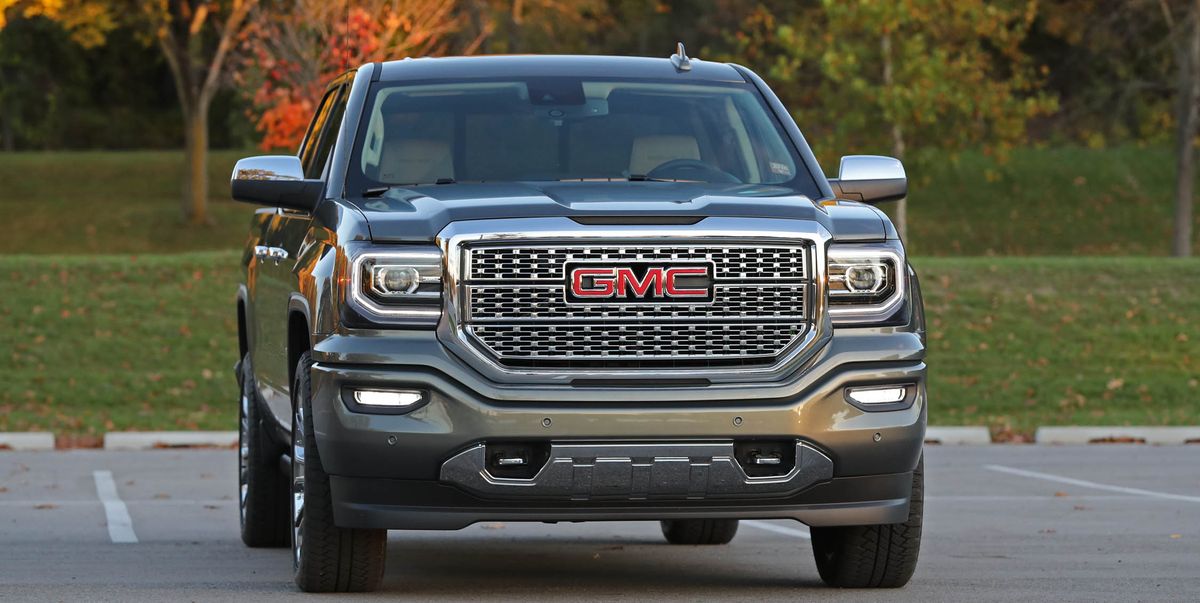
The 5.3 and 6.2 liter V8s used across Silverado and Sierra trucks through much of the 2014 to 2019 period use a system that shuts down cylinders under light load to save fuel. It works, and it has generated a large volume of complaints centered on two things: lifter failure on the deactivating cylinders, and elevated oil consumption.
A failed lifter is not a minor repair, because reaching it means significant engine disassembly. Owners and independent shops have addressed it in various ways, and many trucks have had the work done under warranty or at owner expense. On a used example, the service history is the whole story.
The same era of GM trucks also attracted complaints about a shudder from the eight speed automatic, generally traced to the transmission fluid and addressed through a fluid specification change described in manufacturer bulletins.
2. Heavy Duty Rams With a Solid Front Axle
Ram 2500 and 3500 trucks use a solid front axle, which is excellent for load carrying and is also the layout most associated with the steering oscillation owners call death wobble: a violent shaking of the front end triggered at speed by a bump.

It is a suspension and steering component issue rather than a defect in the axle concept, and it typically traces to worn track bar bushings, ball joints, tie rod ends or a tired steering damper. It is fixable. It is also worth budgeting for on a high mileage example, and worth testing for on a rough road during a test drive rather than on smooth pavement.
The other heavy duty Ram consideration is the diesel emissions system, which is covered below and applies across brands.
3. Early EcoBoost F-150s
Ford’s twin turbo V6 changed what buyers expect from a half ton truck, and the earliest versions from roughly 2011 to 2013 attracted a well documented complaint about stumbling or misfiring under load in damp conditions, associated with condensation collecting in the intercooler.
Later revisions addressed it, and the engine family has a good record since. The pattern is a useful illustration of a general rule: the first few years of a genuinely new engine carry more risk than the fifth year of the same design.
Newer F-150s attracted a different set of complaints about the ten speed automatic, mostly harsh shifting and hunting between gears, much of it addressed through software updates rather than hardware.
4. First Year Trucks of a New Generation
Rather than name a single model, this is the pattern worth internalizing. The 2015 Colorado and Canyon launched an all new generation, and like most launch year vehicles they generated more complaints than the versions built two and three years later.
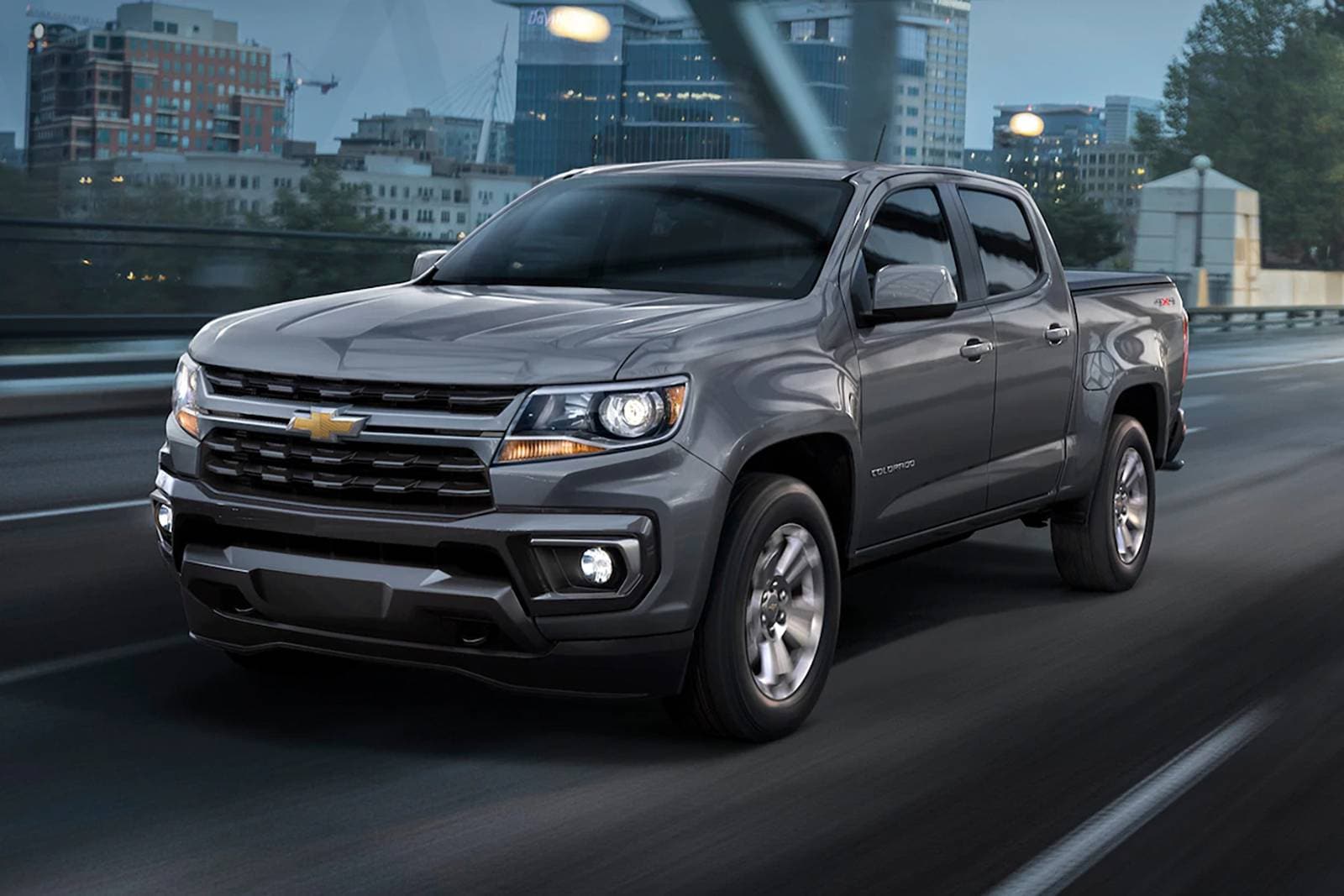
This holds across manufacturers. Assembly processes settle, suppliers get corrected, and software matures. If two model years are otherwise equivalent in price and mileage, the later one of a generation is usually the better bet.
5. Any Diesel With a Neglected Emissions System
Modern heavy duty diesels carry exhaust gas recirculation, a diesel particulate filter and a selective catalytic reduction system using diesel exhaust fluid. All three are effective and all three are expensive to repair when neglected.
Neglect usually means short trips that never let the filter complete a regeneration cycle, cheap or contaminated exhaust fluid, or a previous owner who ignored warning lights. A diesel used the way it was designed to be used generally does fine. One used as a short trip commuter often does not, and the repair bills are considerably larger than a gasoline truck’s.
This applies to Ford, Ram and GM heavy duty diesels alike, which is why usage history matters more than brand when buying one.
How to Check a Specific Truck
Four steps, and they take an evening.
Look up recalls and owner complaints by VIN with the federal safety regulator, which shows both open recalls on that specific vehicle and the complaint patterns filed against the model. Ask for service records, since a lifter job or a steering rebuild already done is a positive rather than a negative. Pay for a pre purchase inspection from an independent shop that works on trucks, which costs a small fraction of what it saves. And on the test drive, get the truck onto a rough road, up to highway speed, and under real load if you can.

If the Right Truck Is Out of State
It frequently is, because trucks are priced and specified regionally. A clean rust free southwestern truck can be worth the search from a northern state, and a diesel with full service records is worth traveling for.
Buying at distance is routine now. The part people underestimate is the drive home: a long trip in a vehicle you have owned for one hour, with no service history in your own hands, is where the savings tend to go. Shipping it removes that risk, adds no mileage, and costs less than most buyers assume once fuel, lodging and time are counted. Our page on shipping a car versus driving it yourself works through the arithmetic.
Two practical notes for trucks specifically. Say if it is lifted, dually or has a rack or a bed cover, because height and width affect which trailer position it fits. And declare it honestly if it does not run or drive, since that changes the equipment needed to load it.
Common Questions
Which pickup should I avoid entirely? None, as a blanket rule. Avoid specific engine and transmission combinations with known expensive failure patterns, and check the individual truck.
What is the single most useful check? A VIN lookup for recalls and complaints with the federal safety regulator, followed by an independent pre purchase inspection.
Is a used diesel a bad idea? Not at all, if it was used for the work it was built for. Short trip use is what damages the emissions systems.
Does the first year of a new model matter? Usually yes. Later years of the same generation typically carry fewer complaints.
Can you ship a lifted or non running truck? Yes. Declare the height, the width and whether it runs when you book, since both affect equipment.
Get a Quote
Call Ship A Car, Inc. at (866) 821-4555 with both zip codes, your date range and the truck’s modifications, or request an estimate for the move through the quote calculator.