Volvo’s Electric Line-Up: What Actually Happened
Volvo spent years as the manufacturer with the boldest electric commitment, and then quietly revised it. The company had pledged to sell only fully electric cars by 2030. In 2024 it softened that to roughly 90 to 100 percent electrified by then, a definition that counts plug-in hybrids and leaves room for mild hybrids. The line-up was renamed at the same time, the flagship arrived years late, and tariffs reshaped which models Americans can actually buy. If you are shopping, owning or moving one, that is the useful picture rather than the 2023 press releases.
The Names Changed, Which Confuses Used Listings
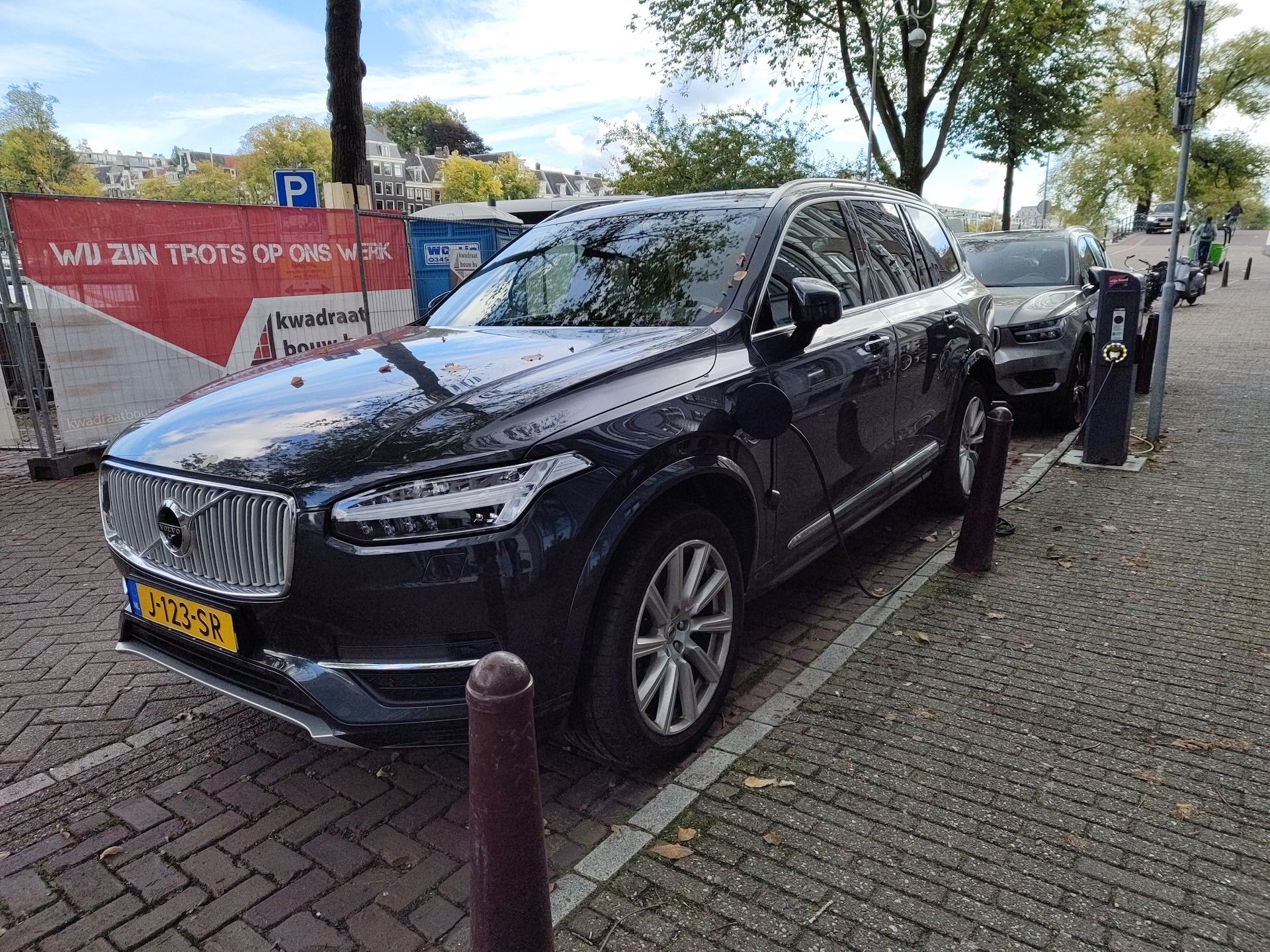
Volvo dropped the “Recharge” badge and moved to a clearer scheme: EX and EC prefixes denote fully electric models, while the traditional XC, S and V names now indicate combustion or hybrid cars. Sensible going forward, and a genuine nuisance when searching used listings, because the same vehicle appears under two names depending on the year and the seller.
If you are buying used, search both names. An EX40 and an XC40 Recharge of similar age are effectively the same car, and sellers are inconsistent about which badge they list it under.
Why the EX90 Took So Long
The EX90 was announced as the flagship and then slipped repeatedly. The delays were software rather than hardware: the car was designed around a new computing platform and a sensor suite intended to support advanced driver assistance, and getting that stack production-ready proved much harder than the metal did.
Volvo was not alone. Several manufacturers discovered in the same period that a modern vehicle is a software product with wheels, and that shipping it late is preferable to shipping it broken. Early EX90 cars were delivered with some features arriving by later update, which is worth knowing if you are buying one used and expecting everything the launch material promised.
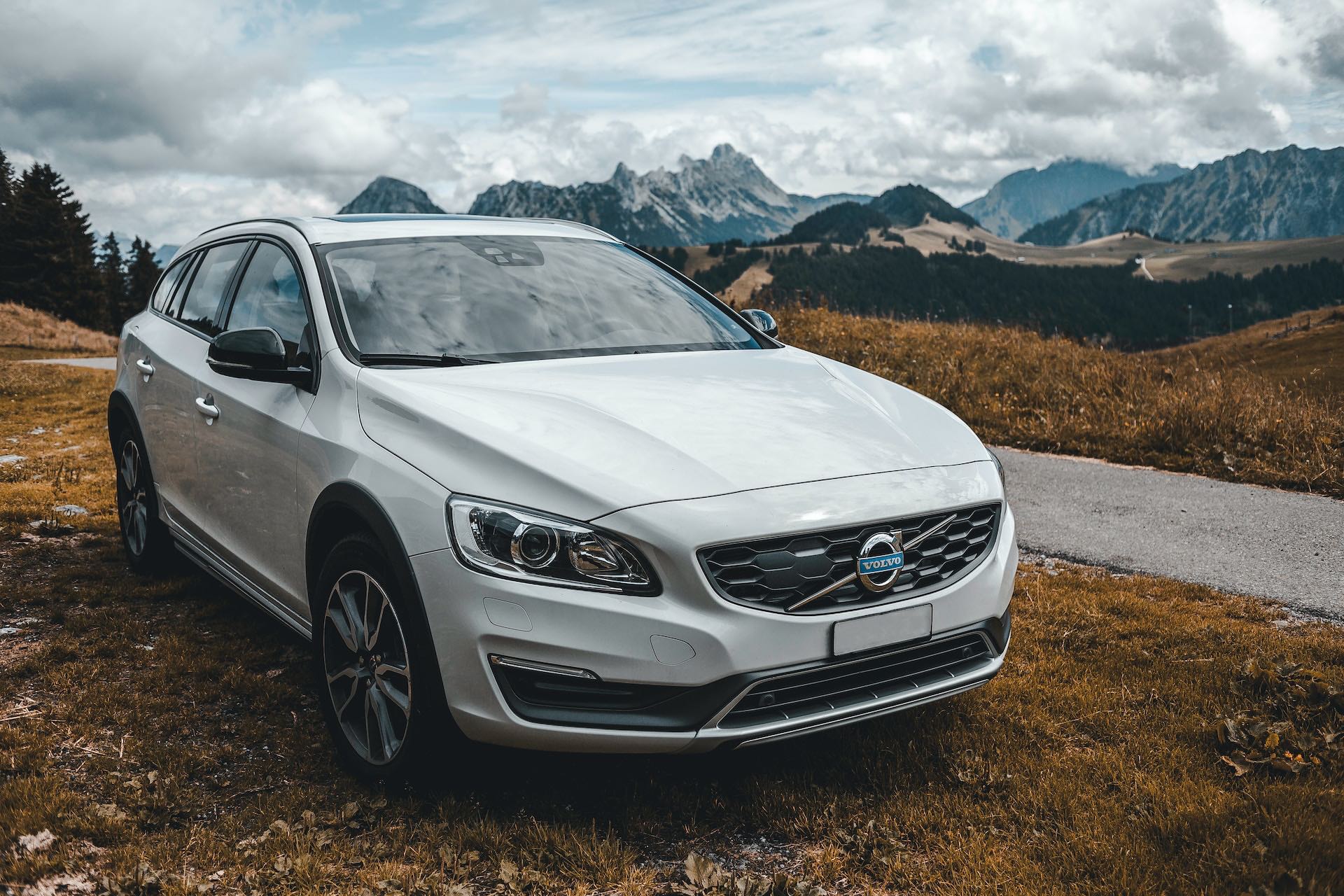
Tariffs Reshaped the EX30’s American Story
The EX30 was the interesting one: small, well reviewed, and priced to be the accessible electric Volvo. It was initially built in China, and Volvo is owned by the Chinese group Geely.
Steep tariffs on Chinese-built electric vehicles entering the United States changed that calculation entirely, delaying and complicating the American launch and pushing production toward Europe. The practical consequence for a US buyer is that EX30 availability and pricing have been far less predictable than the original announcements implied, and it is worth confirming build location and current pricing rather than relying on older coverage.
What This Means If You Own One
Nothing alarming. Volvo softening its 2030 target is a statement about what it will sell, not about supporting what it has already sold. Parts, software updates and service continue as normal, and a slower industry-wide transition arguably helps used electric values by keeping combustion cars in the mix longer.
The more practical ownership notes are the ordinary electric ones: real-world range falls in cold weather, public charging speed varies more than the peak figure suggests, and battery health matters more than mileage when valuing a used example.
Shipping a Volvo EV
Electric Volvos ship like any other car with three differences worth flagging when you request a quote.
They are heavy. An EX90 is a large three-row SUV with a substantial battery, and a carrier plans a load around both deck space and legal axle weight, so give the actual curb weight from the door jamb rather than an estimate. Carriers generally ask for a 30 to 50 percent state of charge rather than a full battery, which is enough to load, reposition and unload without carrying unnecessary weight. And if the car has been sitting, confirm it will start and roll, because it has to do both at each end.
Beyond that, open transport is the sensible default for a daily driver, and shipping an electric vehicle follows the same process as any other. Enclosed is worth the premium of about a third mainly for a low-mileage or specialist example.

Common Questions
Is Volvo still going all-electric by 2030? Not in the original sense. The target became roughly 90 to 100 percent electrified, a definition that includes plug-in hybrids, with room for mild hybrids in the remainder.
Is an EX40 the same as an XC40 Recharge? Effectively yes. The name changed when Volvo moved fully electric models to EX and EC badges.
Why is the EX30 hard to find in the US? It was initially built in China, and tariffs on Chinese-built electric vehicles disrupted the American launch and pricing.
Does an EV cost more to ship? Slightly, because it is heavier than the equivalent combustion car and weight is part of what a carrier sells. The difference is modest on most lanes.
What charge level should the car be at? Around 30 to 50 percent. Carriers do not want a full battery, and they do need the car to move under its own power at each end.
Get a Quote
Call Ship A Car, Inc. at (866) 821-4555 with the model and curb weight, or price the move with the instant calculator.