Charging Infrastructure for Freight: Where It Would Actually Have to Go
The obstacle to electric trucking is not the trucks. It is that a charging network for freight has to exist in specific physical places, drawing amounts of power that most of those places cannot currently supply.
Here is what the infrastructure problem actually consists of, why depot charging is already working while corridor charging is not, and what any of it means for moving a vehicle.

The Power Requirement Is the Whole Problem
A passenger car fast charger draws a substantial amount of power. A charger capable of adding meaningful range to a loaded Class 8 truck in a driver’s legally mandated break draws vastly more, and a site with several of them draws what a small industrial facility does.
That is not a charger problem. It is a grid connection problem: transformers, substation capacity, and in many cases new transmission. Utility interconnection for a load of that size is measured in years rather than months, and it is the binding constraint on nearly every corridor project.
This is why announcements about charging networks and the existence of charging networks diverge so widely. The equipment can be bought. The electricity delivery has to be built.
Depot Charging Already Works
The part that gets less coverage because it is unglamorous.
A truck that returns to the same yard every night and runs a predictable daily distance is an excellent electric candidate. It charges slowly overnight at its own depot, which is a manageable electrical upgrade at a single site the operator controls, and it never needs a public network at all.
That describes a lot of real freight: port drayage running containers to nearby warehouses, regional distribution, municipal fleets, and last mile delivery. Electric trucks are operating in those roles now, and the economics work because fuel and maintenance savings accrue against a known duty cycle.
So the honest framing is not whether electric trucking works. It is that it works where charging can be private and predictable, and not yet where it has to be public and fast.
Where the Corridor Chargers Would Have to Sit
If long haul is to electrify, the chargers go where trucks already stop, and that is a short list.

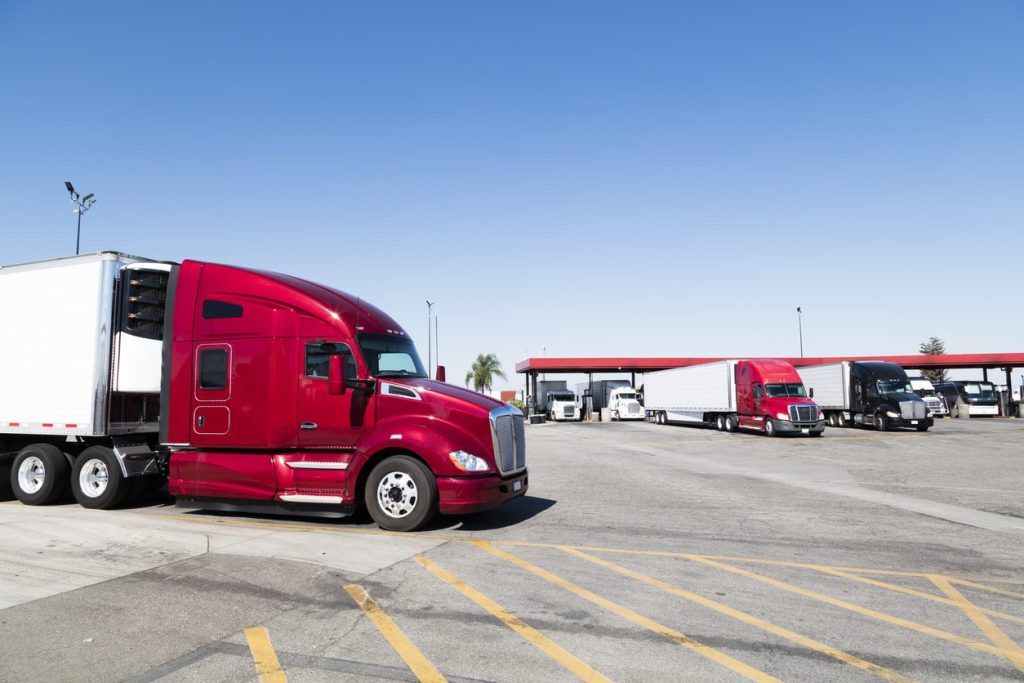
Truck stops along the major interstate corridors, because that is where drivers take their federally required breaks and where the parking already exists. Port and distribution hubs, where volume concentrates. And a handful of state designated freight corridors that have attracted funding.
Each of those sites has the same three problems: the grid connection above, physical space for trucks to maneuver into charging bays that are far larger than car bays, and the fact that truck parking is already scarce. A truck stop that converts parking spaces to charging bays reduces parking for everyone else, which is a real conflict rather than a detail.
The Charging Time and Hours of Service Problem
An elegant constraint that shapes the whole design question.
Federal rules require a driver to take a thirty minute break after eight hours of driving, and a longer daily rest period. In principle those are free charging windows: the truck is stopped anyway.
In practice the arithmetic is tight. Adding several hundred miles of range to a loaded truck in thirty minutes requires charging power at the extreme end of what exists, and if charging takes longer than the break, it stops being free time and starts consuming driving hours. A driver paid by the mile who spends an extra hour charging has lost money that day.
That is the reason weight matters too: battery mass reduces payload, so an electric truck may need more trips to move the same freight.
What Has Actually Scaled Instead
Worth stating plainly, because it is the honest answer to how freight has reduced emissions so far.
Renewable diesel scaled, and it scaled precisely because it required nothing new: it is chemically close enough to petroleum diesel to run in an unmodified engine from the same pump. No charger, no grid connection, no new truck. That is covered in our page on renewable diesel and what it means for freight.
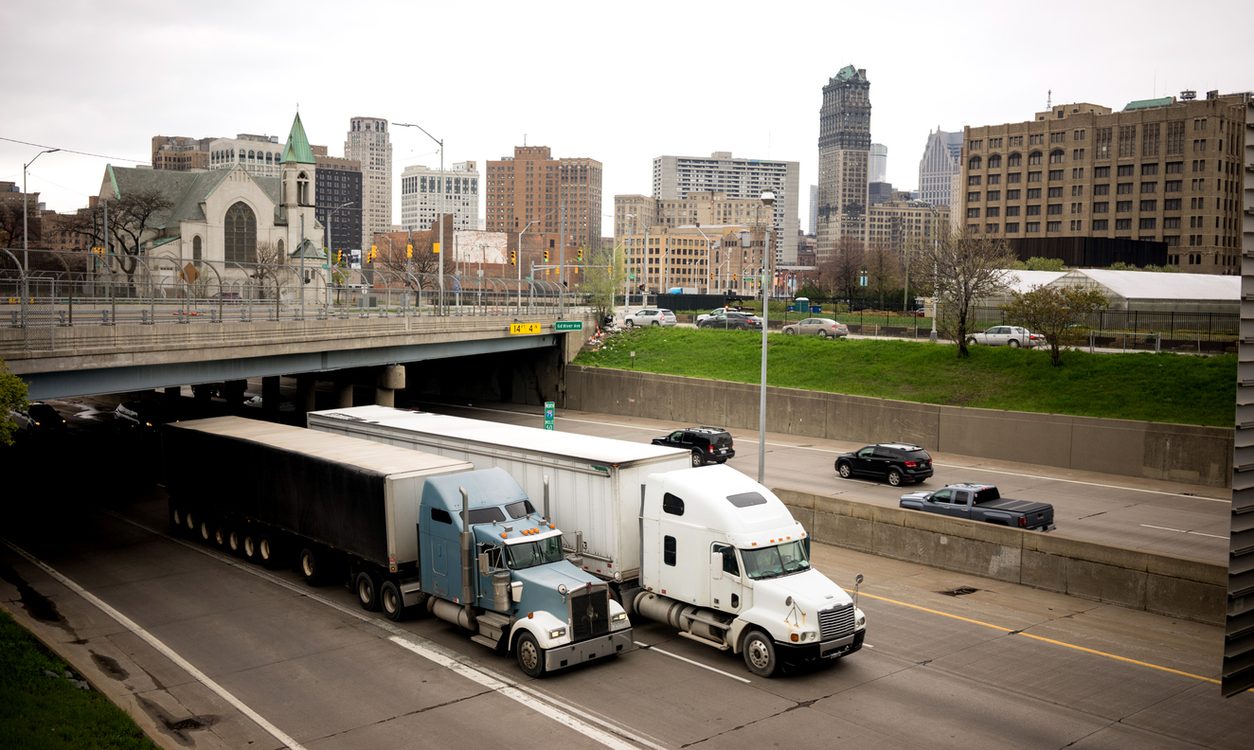
Alongside it, the unglamorous efficiency measures: aerodynamic fairings, low rolling resistance tires, speed limiting, and idle reduction through auxiliary power units. None of it makes headlines and all of it is deployed at scale.
Where This Leaves Car Hauling
Vehicle transport is one of the harder segments to electrify, for reasons specific to the equipment.
A loaded car hauler runs near its legal weight limit already, so battery mass directly costs vehicles carried. The routes are long and irregular rather than returning to a depot nightly. And the trailers are specialized hydraulic equipment, which means the tractor is only part of the capital question.
What that means for a customer today is nothing at all. Vehicle transport runs on diesel, the price you are quoted reflects diesel and driver hours, and none of the infrastructure discussion changes how a car gets moved. If you are shipping an electric car, that is a different matter, and the thing to do is say so at booking because weight affects the load plan.
Common Questions
What is actually blocking electric trucking? Grid capacity at the sites where trucks stop. Utility interconnection for loads that size takes years, not months.
Are electric trucks in use now? Yes, in depot based duty cycles: port drayage, regional distribution, municipal fleets and last mile delivery.
Why is long haul harder? Charging power needed within a driver’s legal break, battery weight reducing payload, and scarce truck parking that charging bays compete for.
What has reduced freight emissions so far? Renewable diesel, which needs no new equipment, plus aerodynamics, tires, speed limiting and idle reduction.
Does any of this affect shipping my car? No. Vehicle transport runs on diesel. If the car itself is electric, mention it, since weight affects the trailer plan.
Get a Quote
Call Ship A Car, Inc. at (866) 821-4555 with both zip codes, your date range and whether the vehicle is electric, or request an estimate for the move through the quote calculator.