The Quick Answer
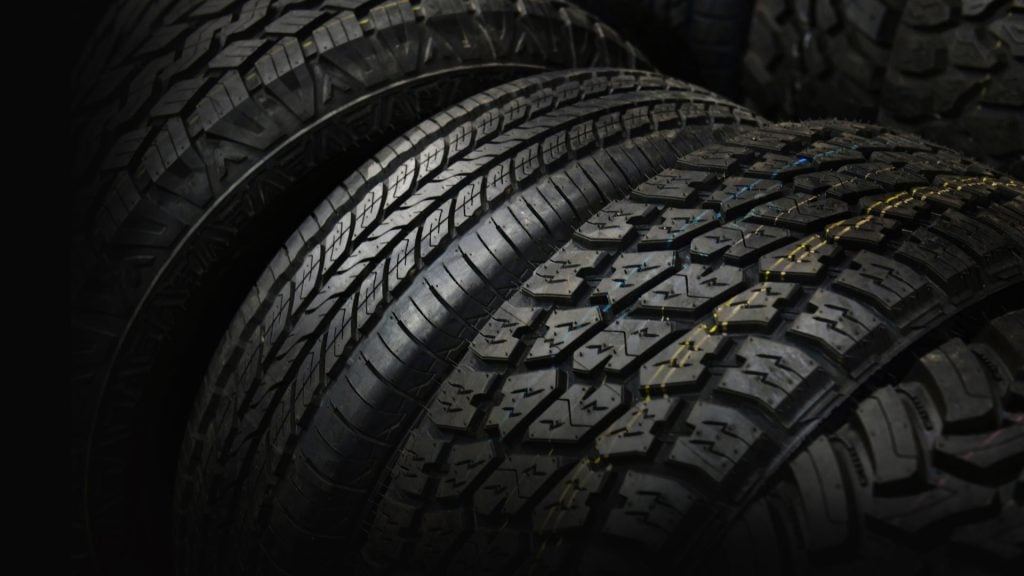
Those tiny rubber hairs on new tires are called vent spews, also known as tire whiskers or sprue nubs. They are leftover rubber from manufacturing: when a tire is molded, air must escape through tiny vent holes so the rubber fills every detail of the tread pattern, and a little rubber follows the air out. When the tire cools, those threads harden in place. They are completely harmless, they affect nothing about how the tire drives, and they wear off on their own within your first miles on the road.
Why Tire Molds Need Vents at All
A tire gets its final shape through vulcanization: raw rubber is pressed into a hot mold under enormous pressure, which cures the rubber and stamps in the tread pattern. If air had no way out of the mold, it would get trapped between the rubber and the mold surface, leaving voids and imperfections in the tread. So mold designers add hundreds of tiny vent channels. The air escapes, a thread of rubber squeezes out behind it, and every one of those threads becomes a whisker on the finished tire. Tire engineers at manufacturers like Bridgestone describe them as a simple byproduct of the process: proof the mold vented properly, then a leftover with no further job to do.
The number of whiskers varies with the tire design and size, because every mold has its own venting layout. More whiskers do not mean a better tire, and fewer do not mean a worse one.
Do They Affect Driving or Safety?
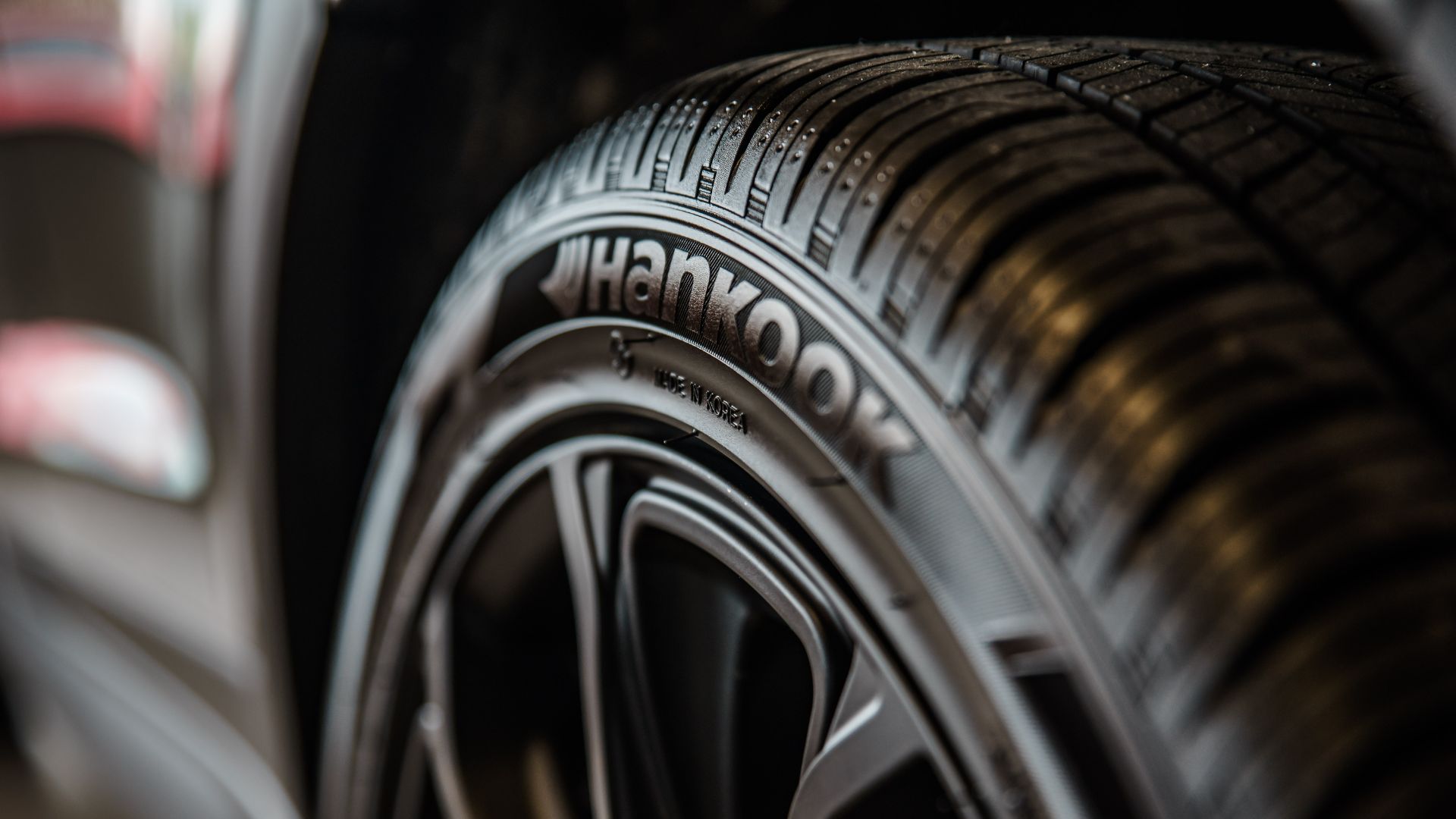
No. The whiskers sit on the tread surface and sidewall where they carry no load, seal nothing, and grip nothing. They do not cause noise, vibration, or squeaking, and their presence or absence tells you nothing about a tire’s safety. The checks that actually matter are tread depth, even wear, sidewall cracks, and bulges.
Should You Remove Them?
You can, but there is no practical reason to. Normal driving scrubs them off the tread within a short time, and the sidewall ones eventually weather away. If they bother you cosmetically, trim them with sharp scissors flush with the surface and never dig into the tire itself; cutting into the actual rubber can damage the tire in exchange for nothing. What you should not do is yank them out, since pulling can tear rubber below the surface.

The One Time Tire Whiskers Are Actually Useful
Intact whiskers are the closest thing tires have to a factory seal. Because they wear off quickly in use, a full set of crisp vent spews means the tire has barely been driven. That makes them a handy honesty check in two situations: confirming that the “new” tires you paid for really are new, and sizing up the tires on a used car you are buying. Combine that glance with the date code stamped on the sidewall (the four-digit week and year in the DOT marking) and you know both how fresh and how used a tire really is.
Quick Answers
What are the rubber hairs on tires called?
Vent spews, tire whiskers, or sprue nubs. All three names describe the same leftover threads from the mold’s air vents.
Do the hairs mean a tire is good quality?
They only mean the tire is new and the mold vented as designed. Quality shows in the tire’s ratings, construction, and wear, not its whiskers.
My new tires have no hairs. Is something wrong?
Not necessarily. Some modern molds use vent designs that leave little or no spew, and even light driving removes whiskers from the tread. Judge a tire by its date code and condition, not its hair.

When Your Car Travels Without Driving a Mile
Here is a place tire whiskers earn their keep: when a vehicle is delivered by carrier, unworn whiskers are quiet proof the car rolled on and off the truck rather than being driven. Ship A Car, Inc. transports cars and other vehicles door to door nationwide, so your odometer and your tires arrive as fresh as they left. Get an instant price from the auto transport calculator or call (866) 821-4555.