Autonomous Trucking: Where the Maersk and Kodiak Lane Led
The short version, several years on: the Houston to Oklahoma City lane that Maersk ran with Kodiak Robotics was one of the first serious commercial tests of autonomous freight, and it worked in the narrow way it was meant to. Since then the field has thinned dramatically, driverless Class 8 trucks have begun genuinely commercial operation in Texas, and car hauling has been almost entirely untouched by any of it. That last point is the one that matters if you are shipping a vehicle, and it is the part nobody explains.
What the Lane Actually Was
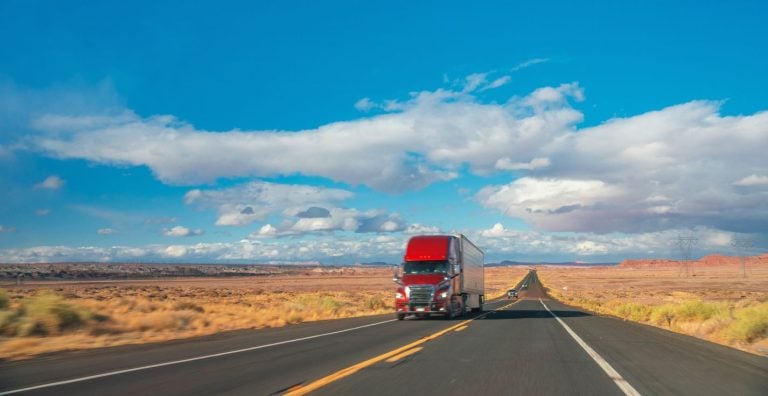
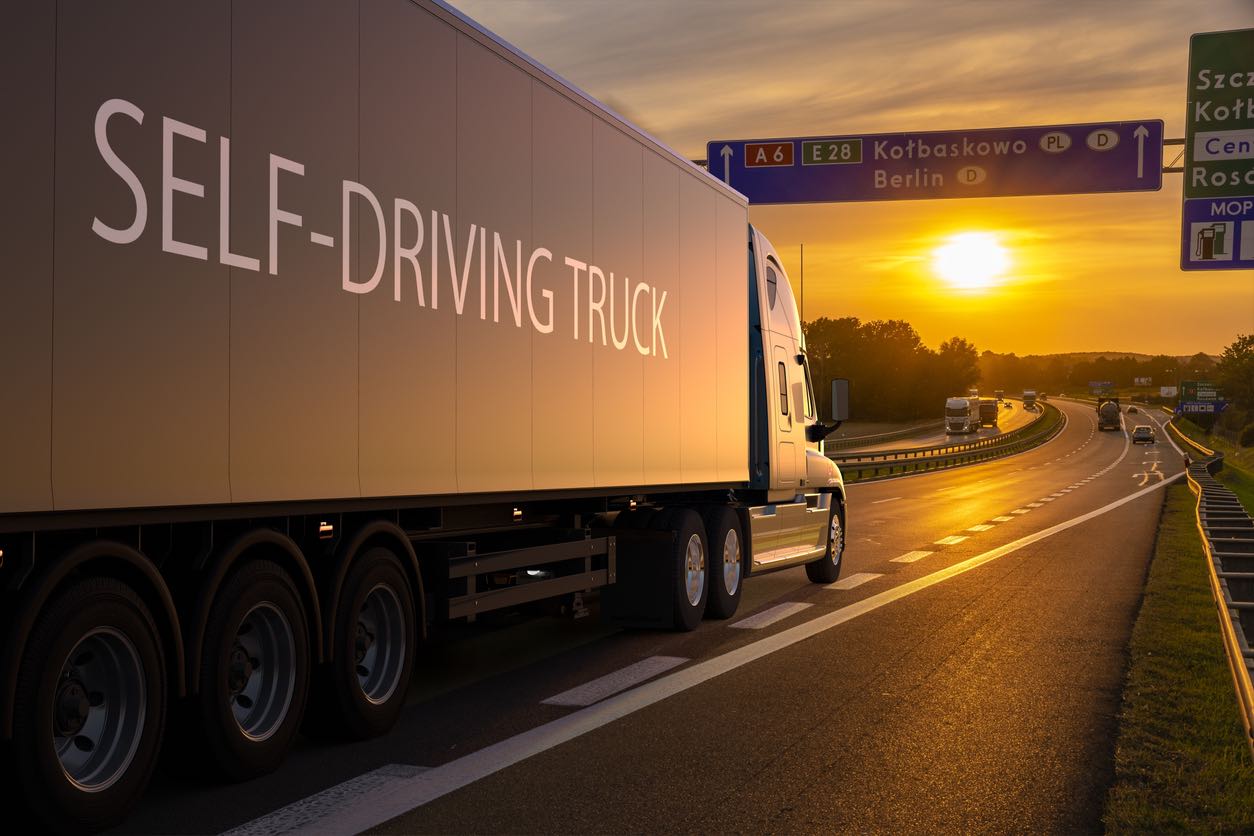
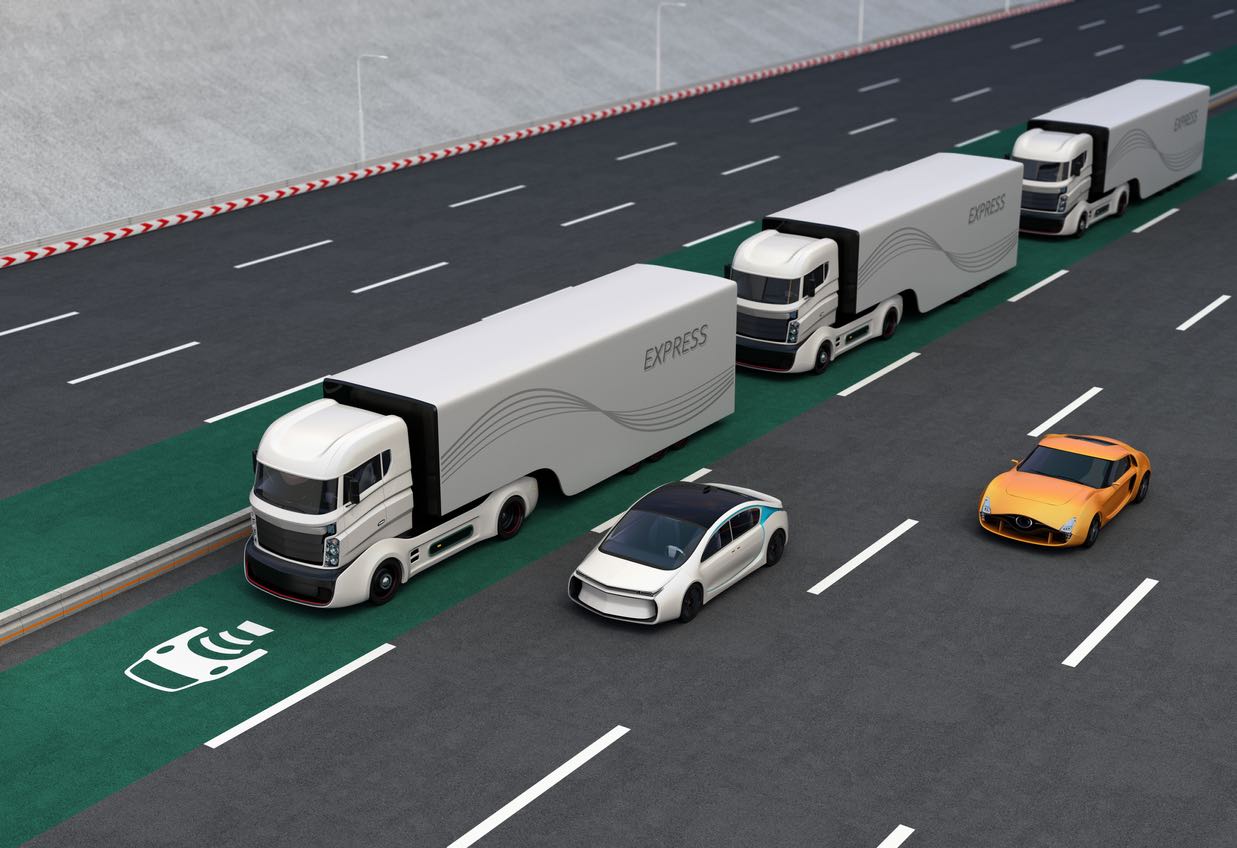
Maersk, the container shipping group, partnered with Kodiak Robotics to run autonomous trucks between Houston and Oklahoma City. The trucks handled the interstate portion with a safety driver aboard, and human drivers managed the ends. It was hub-to-hub highway automation rather than door-to-door driverless delivery, and the route was chosen deliberately: long, straight, high-volume, and in states with a permissive regulatory posture.
That framing has held up. Every autonomous freight program that has survived does the same thing, automating the boring middle of a long trip while leaving the complicated ends to people.
Where Driverless Trucking Stands Now
The field consolidated hard. Several well-funded companies wound down or left the sector, and the survivors narrowed their focus to specific lanes and customers rather than promising general autonomy.
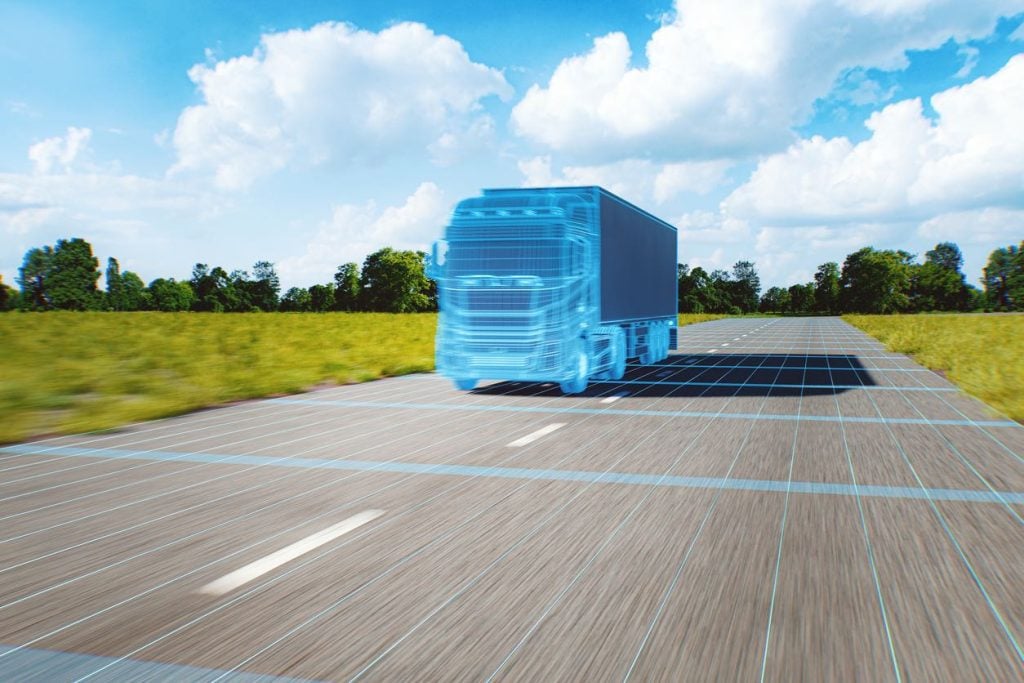
The genuine milestone came in 2025, when Aurora began commercial driverless operations on I-45 between Dallas and Houston, running Class 8 trucks on public highways without a human in the cab. Kodiak, meanwhile, moved toward driverless work in the Permian Basin, hauling for oil field customers on private and low-traffic roads where the operating environment is far more controlled than an interstate.
Texas remains the center of gravity for all of it: long flat interstates, high freight volume, mild weather, and a regulatory environment that permits testing and deployment.
Why Car Hauling Is Different
Here is the part that gets lost in the coverage. Autonomous freight moves dry vans and containers, and that works because the trailer is sealed at one end and opened at the other. The driving is the job.
Car hauling is not like that. On a car carrier the driving is arguably the simpler half of the work. A driver also has to:
- Load and position each vehicle on a multi-level trailer, judging clearances by eye and adjusting ramps and decks for a mix of sedans, trucks and low-clearance cars.
- Secure every car individually with straps or chains, then re-check them during the trip.
- Inspect each vehicle and complete a condition report with the customer at both ends, which is the legal record every damage claim depends on.
- Solve the last hundred yards, deciding where a 75-foot rig can legally and safely stop when the address turns out to be a narrow street or a gated community.
None of that is close to automated, and none of it is what the current generation of autonomous systems is built for. Auto transport will plausibly be among the last freight categories to change, not the first.
What Could Realistically Change
The credible near-term model is a split trip: a human loads your car and drives it to a highway transfer point, an autonomous tractor takes the trailer down the interstate, and another human takes it off at the far end and delivers it. That structure is already how the surviving programs are designed.
If that arrives at scale, the effects would be modest and mostly good. Long-haul legs could get slightly cheaper and more predictable, because an autonomous tractor is not bound by driver hours-of-service limits and does not need overnight rest. Coast-to-coast transit might compress by a day or two. What would not change is the price of the parts that involve a person handling your car, which is where a meaningful share of the cost already sits.
What It Means If You Are Shipping a Car Today
Practically nothing, and that is the honest answer. Every vehicle we move is loaded, secured, driven, inspected and released by a person. If a company tells you your car will travel autonomously, ask which segment and who signs the condition report at each end, because the answer will still be a human.
The useful takeaway from the Maersk and Kodiak experiment is not about robots. It is that the industry keeps finding the same answer: the highway middle of a long trip is the easy part, and everything that touches your specific vehicle is the hard part. That is worth remembering when you compare quotes, because the cheap ones are usually cheap on exactly the parts that require care.
Common Questions
Are autonomous trucks carrying cars today? No. Current driverless freight operations move dry vans and containers on specific lanes. Car carriers are driven and loaded by people.
Did the Maersk and Kodiak project fail? No, it did what it set out to do as a commercial pilot on a defined lane. The wider industry consolidated afterwards, but that lane was among the more successful efforts of its era.
Will autonomous trucking make shipping my car cheaper? Possibly a little, eventually, on the long-haul portion. The loading, securement and inspection costs will not change, because those still require a person.
Is a driverless truck safer? The data available so far covers narrow conditions on selected routes, so it is too early for a general answer. What is measurable is that these systems do not get tired, which is a real advantage on the long, monotonous stretches where human fatigue is a known risk.
Which states allow driverless trucks? Rules vary considerably and are changing. Texas has been the most permissive and is where commercial operations began.
Get a Quote
Call Ship A Car, Inc. at (866) 821-4555 to speak with a coordinator, or price your move with the instant calculator.