The Largest Car Dealership Groups in the United States
Why this matters to a buyer: the large public dealer groups, CarMax, Penske, Lithia, AutoNation, Group 1, Sonic, Asbury, Hendrick and others, operate hundreds of rooftops across many states. That scale is the reason a vehicle you want is frequently three states away rather than at your local store, and it is why inter-market buying and vehicle transport have become normal parts of car shopping.
How Consolidation Changed Car Buying
Twenty years ago most dealerships were single-location family businesses. Today a large share of new-vehicle retail runs through consolidated groups, and used-vehicle retail is dominated by national operators. Three consequences follow for anyone buying a car:

- Inventory is visible nationally but located regionally. You can see a car online at a store 900 miles away and buy it, which is a genuinely new capability.
- Pricing varies by market. The same model and trim can differ by thousands between metro areas depending on local demand, which is what makes buying out of state worthwhile.
- Transport is part of the transaction. Groups move vehicles between their own rooftops constantly, and retail buyers increasingly ship rather than travel.
The Types of Operator You Will Encounter
Dealer Types and What Changes for the Buyer
Buying Out of Market: What to Confirm
The savings are real but the paperwork is where deals go wrong. Before committing:
- Sales tax is generally owed where you register the vehicle, not where you buy it. Dealers handle this routinely; confirm the mechanics rather than assuming.
- Temporary registration must cover the gap until your home-state plates arrive. Ask what the dealer issues and for how long.
- Emissions compliance differs between states, and California-specification vehicles can create complications in both directions.
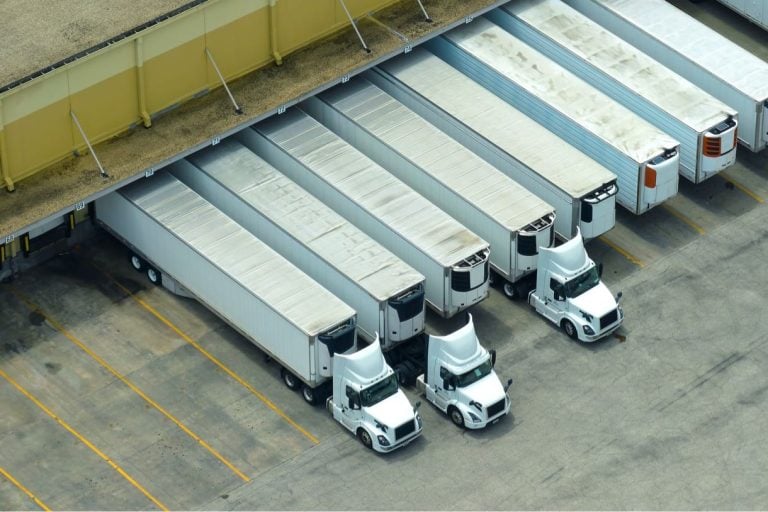
- Who releases the car to a carrier, and when. A driver arriving unannounced at a dealership will wait.
- Payment must clear first. Most dealerships will not release a vehicle to a transporter until funds have settled.
Ask About Internal Transfer First
If you are buying from a large group, ask whether they can transfer the vehicle to a rooftop near you. Groups move inventory between their own stores as a matter of course, and it is sometimes included or offered cheaply. If they cannot or will not, independent transport is straightforward: dealership pickups are easier than residential ones because the location is commercial, accessible, and staffed during business hours.
Common Questions
Is it cheaper to fly out and drive the car back? Under roughly 500 miles, often yes. Beyond that, add the flight, fuel, lodging, meals, days off work, and the mileage and depreciation you put on a car you just bought. Shipping usually wins, and the vehicle arrives at delivery mileage.
How much does dealership-to-home transport cost? Our bookings between September 2025 and August 2026 put open transport at about $0.60 to $2.00 a mile depending on distance, which is roughly $450 to $700 for 200 to 500 miles, $900 to $1,250 around 1,000 miles and $1,450 to $1,800 coast to coast, with distance taken from the pickup and delivery ZIP codes. Put together, across all our single vehicle car moves since 2023 the middle half ran $900 to $1,550.
Should a new car ship enclosed? Usually not necessary. New vehicles reach dealerships on open carriers. Enclosed is justified for high-value, limited-production, or low-clearance cars.
Can a dealer arrange the transport instead? Many will, and it is worth comparing their price against booking directly. Dealers frequently broker it out, which means the cost carries a margin.
Where the Groups Actually Compete
Understanding what each type optimizes for tells you where to shop. National used-car retailers compete on process: fixed pricing, standardized reconditioning, and a transaction that takes an hour. You pay for that predictability, and for many buyers it is worth it.
Franchise groups compete on new-vehicle allocation and on service revenue. Their used inventory is largely trade-ins and off-lease returns, which means condition varies more but so does price. Private regional groups often price most aggressively because they have lower overhead and are competing for local market share rather than reporting to shareholders.
Online Retailers and Delivery
Online-only sellers built their model around delivery, which sounds like it removes the transport question. In practice it moves it: the vehicle still travels on a carrier, the delivery window is still a window, and the inspection at handover still matters. If anything it matters more, because you have not seen the car in person and have no prior relationship with anyone who has.
Treat an online delivery like any other transport arrival. Inspect the vehicle thoroughly before signing, photograph anything questionable, and understand the return window before the truck leaves.
Practical Advice for Cross-Market Shopping
Search the widest radius your budget allows, then work out the true landed cost: vehicle price, plus tax and fees in your home state, plus transport. A car $2,500 cheaper 1,200 miles away is still meaningfully cheaper after roughly $1,100 of shipping, and you have not put 1,200 miles on it.
Get a pre-purchase inspection from an independent shop near the selling dealer if you are buying used and cannot see the car. It typically costs a couple of hundred dollars and it is the single best money you can spend on a remote purchase.
Get a Quote
Call Ship A Car, Inc. at (866) 821-4555 and mention it is a dealership pickup, or request an estimate for it through the quote calculator.