Pickup Truck Safety Has Been Transformed, and So Have the Tests
For decades the conventional wisdom said big trucks were blunt instruments: strong frames, weak crash science. That era is over. Modern pickups carry automatic emergency braking, blind-spot monitoring, and structural engineering that would have seemed exotic ten years ago, and federal regulators have now finalized a rule making automatic emergency braking standard equipment on new vehicles by 2029.
But here is what most “safest trucks” lists will not tell you: the testing got harder too. The Insurance Institute for Highway Safety toughened its side-impact test and added rear-seat protection criteria to its moderate overlap evaluation, and those changes knocked several trucks off the award lists they used to dominate. Safety awards now vary by model year, by cab configuration, and even by trim’s headlights. So instead of a ranked list that goes stale the day the next results drop, here are the trucks with the strongest safety track records, and how to verify the exact configuration you are buying.
The Consistent Safety Performers
Toyota Tundra
Since its full redesign, the Tundra has been the benchmark among full-size trucks in IIHS testing, earning the Institute’s top-tier award recognition in consecutive years when most large pickups earned nothing. Toyota’s Safety Sense suite is standard across the range rather than optioned by trim.
Honda Ridgeline
The Ridgeline remains the truck the crash-test data loves: a 5-star overall NHTSA rating, backed by the Honda Sensing suite standard on every trim. Its unibody construction is unconventional for the segment and is part of why it tests so well.
Rivian R1T
The electric newcomer earned the IIHS’s highest award designation, a first for an electric pickup, with top crash results across the board. If the question is purely “what tests safest,” the R1T belongs in the conversation with anything on this page.
Toyota Tacoma
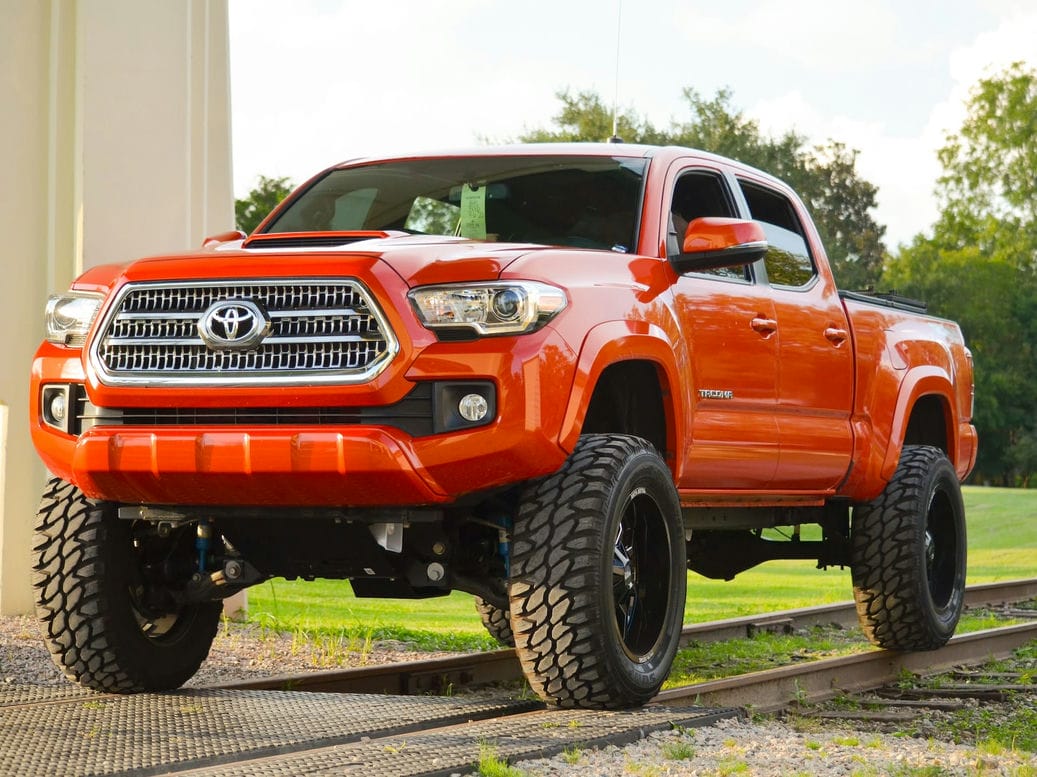
The long-running mid-size favorite was fully redesigned for 2024, bringing the newest Toyota Safety Sense generation standard. Earlier Tacomas were already reliable “good” scorers in IIHS crash tests; the new generation modernized the driver-assist side of the ledger.
Hyundai Santa Cruz
The compact Santa Cruz earned IIHS Top Safety Pick recognition early in its life, with top crash scores and Hyundai’s SmartSense suite standard. For buyers who want a bed without a full-size footprint, it is the safety-first pick of the small class.
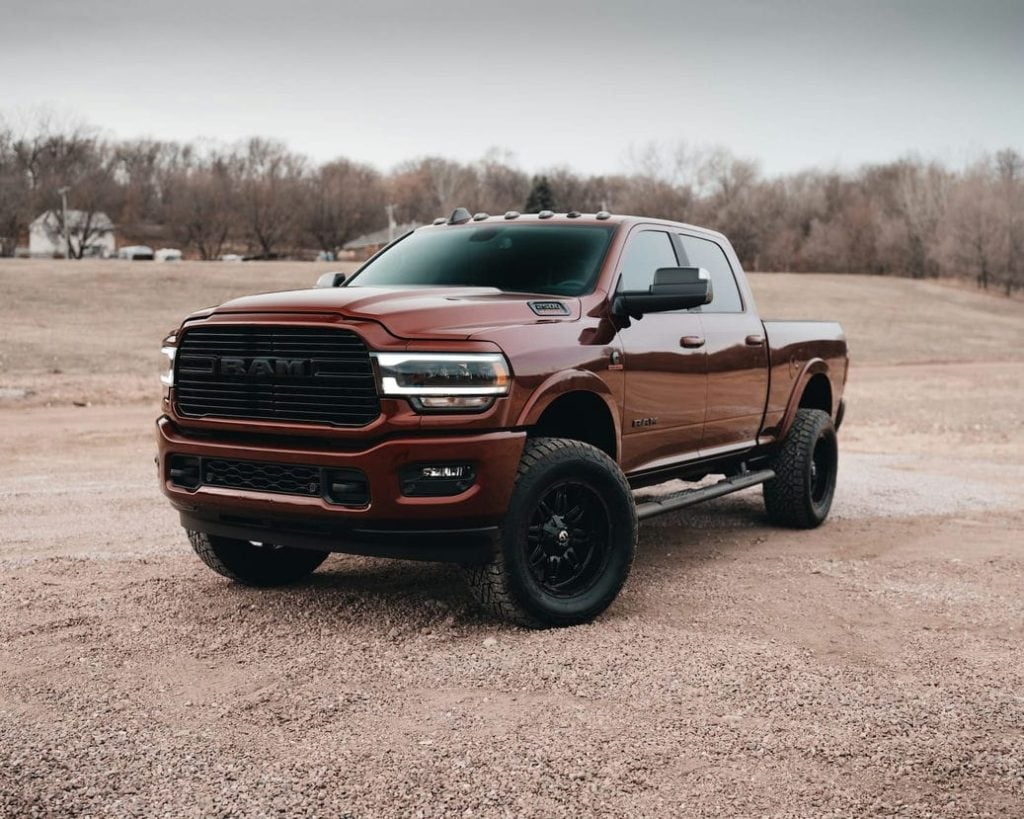
Ram 1500
The Ram 1500 put together a multi-year IIHS award streak in the early 2020s, and its recent refresh made a broad active-safety bundle standard. Crew cab configurations have been its strongest testers.
Ford F-150, Chevy Silverado 1500, and GMC Sierra 1500
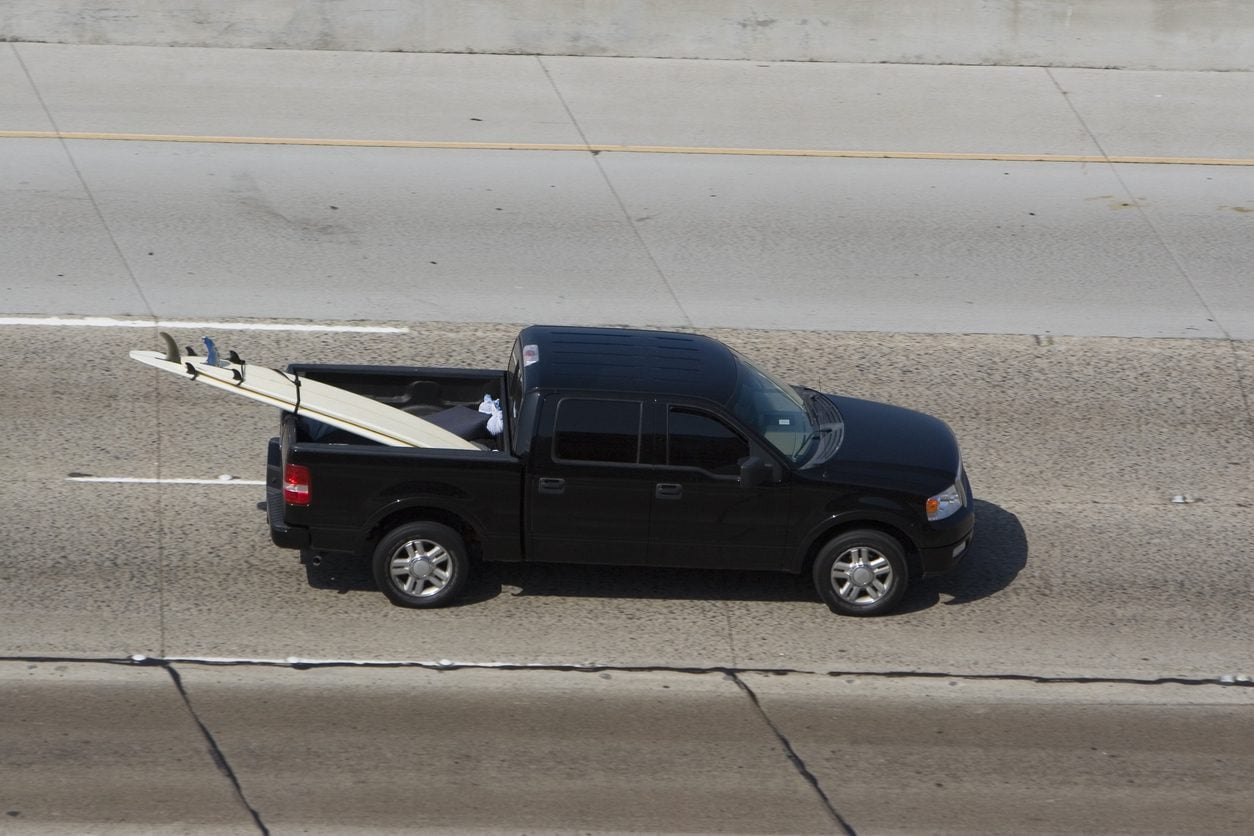
America’s volume sellers sit a step behind the leaders in recent testing rather than out of the running. All three carry solid federal ratings and comprehensive standard safety suites (Ford Co-Pilot360, Chevy Safety Assist, GMC Pro Safety), and the F-150’s crew cab has earned IIHS award recognition in years the regular cab did not. That trim-and-cab fine print is exactly why the verification step below matters.
How to Verify the Truck You Are Actually Buying
Two organizations do the testing, and they measure different things. The IIHS runs crash tests plus headlight and front-crash-prevention evaluations; its awards (Top Safety Pick and the stricter Top Safety Pick+) can differ between cab styles and model years of the same truck. The federal NHTSA runs its own crash program and issues the star ratings you see on window stickers. Before buying, spend five minutes checking both organizations’ current results for the exact model year, cab, and trim in front of you, because “the 2022 crew cab won an award” tells you nothing certain about the 2026 extended cab on the lot.
Features worth insisting on regardless of badge: automatic emergency braking with pedestrian detection, blind-spot monitoring with trailer coverage if you tow, rear cross-traffic alert, and good-rated headlights, the quiet differentiator in a surprising number of award outcomes.
Bought the Truck? Here Is How It Gets Home
Safety-conscious buyers increasingly shop nationwide for the exact configuration they want, and a new truck should not arrive with 1,200 highway miles on the odometer. Ship A Car transports pickups on open carriers, the same equipment dealerships use, anywhere in the US including Alaska and Hawaii. Price your route in seconds with the auto transport calculator or call (866) 821-4555.
Quick Answers
What is the safest pickup truck overall?
Among recent full-size trucks, the Toyota Tundra has the strongest run of top-tier IIHS recognition, the Honda Ridgeline carries the benchmark 5-star federal rating in the mid-size class, and the Rivian R1T leads among electric pickups. The honest answer always depends on the exact model year and cab, so verify current results before you sign.
Are bigger trucks automatically safer?
Mass helps in a two-vehicle crash, but structure, restraints, and crash-avoidance technology decide most outcomes. A well-engineered mid-size with a full safety suite can out-test a bigger truck without one, which is exactly what the Ridgeline has done for years.
Why did some trucks lose their safety awards recently?
The tests changed. Tougher side-impact conditions and new rear-seat protection criteria reset the bar, and trucks engineered to the old tests lost awards until redesigns caught up. A lost award usually marks a harder exam, not a worse truck.