
The FMCSA Registration Overhaul and Why It Matters to You
The system that registers trucking companies with the federal government was built in an era when a paper form and a mailing address were enough to prove a business existed. That assumption has been exploited for years, and the Federal Motor Carrier Safety Administration has been rebuilding the registration process to close the gap. For anyone shipping a vehicle, the point is simple: identity fraud in this industry starts at registration, and a stronger front door reduces the number of fake carriers you can be handed to.

What Was Wrong With the Old System
Registration produced two things a carrier needs: a USDOT number identifying the company, and, for for-hire carriers, operating authority in the form of an MC number.
The weakness was verification. The process largely accepted what the applicant typed. That made three things easy: registering a company that did not really exist, registering under an identity that belonged to somebody else, and re-registering as a new company after the old one accumulated a bad safety record.
That last pattern has a name in the industry. A carrier shut down or facing enforcement re-emerges under a fresh identity with the same trucks, the same people and a clean record. The public safety data that customers rely on shows nothing, because the history is attached to a company that no longer exists on paper.
The Fraud This Enables
Two kinds, and they hurt different people.
Identity theft between carriers. A fraudster registers using a legitimate carrier’s details, or takes over a dormant registration, then books freight under the borrowed reputation. The load is collected and never delivered. The legitimate carrier finds out when the claims arrive.
The used market in authority made this worse. Dormant USDOT and MC numbers with clean histories were bought and sold, which is exactly the mechanism a bad operator needs to acquire a good record it did not earn.

Consumers handed to a carrier that is not what it appears. If you check a carrier’s authority and safety record, which you should, the value of that check depends entirely on the record being attached to the real operator. A re-registered company defeats the check without lying to you directly.
What the Overhaul Changes
The direction of the work is toward proving identity rather than accepting a claim.
That means stronger identity verification at the point of application, better cross-checking against other federal and state records, and detection of the patterns that indicate a re-registration rather than a genuinely new business, such as shared addresses, shared officers and shared equipment.
It also means a modernized system rather than the aging one carriers have worked with for years, with the registration, authority and safety records tied together more tightly than they were.
Timelines for federal system replacements move, so confirm the current state of the rollout and what is required of a carrier today with the Federal Motor Carrier Safety Administration rather than assuming.
Why Registration Is the Right Place to Intervene
Enforcement after the fact has a structural problem in this industry: by the time a fraudulent carrier is identified, the freight is gone and so is the company.
A shell operation has no assets to pursue, no premises worth visiting and frequently no real people behind the paperwork. Shutting it down accomplishes very little, because the same operator can be registered again within days under a different name. That is why enforcement resources spent downstream have historically produced so little deterrence.
Verification at the point of registration is the only stage where the cost falls on the fraudster rather than on the victim. If proving who you are is genuinely difficult, the economics of registering disposable companies stop working, and the pattern that makes the rest of the fraud possible becomes expensive to sustain.
What This Does Not Fix
Worth being honest about the limits.
Better registration verification makes it harder to create a fraudulent carrier. It does not make it impossible, and it does nothing about a legitimately registered carrier that simply operates badly. A real company with real authority can still have a poor safety record, thin insurance and a habit of missing delivery dates.
It also does not change the broker layer. Most consumers arrange transport through a broker rather than directly with the carrier, and the quality of that broker’s vetting is what actually determines which truck your vehicle ends up on.
What to Check Before You Book
The verification is worth five minutes and it is free.
Look up the company in the Federal Motor Carrier Safety Administration’s public system using the USDOT or MC number they give you. Confirm the operating authority is active and, for a broker, that it is broker authority rather than carrier authority, since they are not the same thing.
Check that the name and address match the business you are actually dealing with. A mismatch between the trading name and the registered entity is worth a question rather than an assumption.
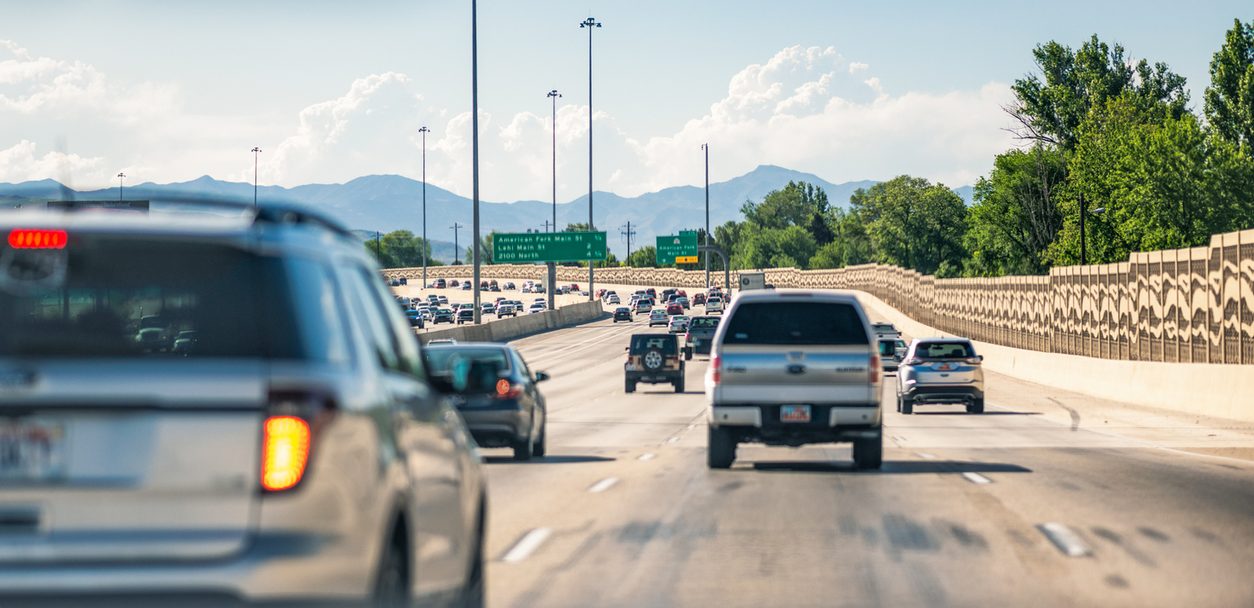
Look at the inspection and crash history. A carrier with a long, clean roadside inspection record has been checked repeatedly by people whose job it is to find problems, and that is more informative than any marketing. Our explanation of what roadside inspections tell you covers how to read it.
And be suspicious of a very short history. A company registered a few months ago is not necessarily bad, but combined with an unusually low price it is the profile that fraud tends to have.
Common Questions
What is a USDOT number? The identifier assigned to a company operating commercial vehicles in interstate commerce. For-hire carriers also need operating authority, an MC number.
What is a re-registered carrier? An operator that closes a company with a bad safety record and re-emerges under a new registration with the same trucks and people, and a clean public record.
Why does buying an old MC number matter? Because it transfers a clean history to an operator who did not earn it, which defeats the check a customer relies on.
What should I verify before booking? Active authority, the right type of authority for a broker or carrier, a matching name and address, and the inspection and crash history.
Does this stop fraud entirely? No. It raises the barrier to creating a fake carrier. It does nothing about a real carrier that operates badly.
Get a Quote
Call Ship A Car, Inc. at (866) 821-4555 with both zip codes and your date range, or price the move with the instant calculator.