Solar Roofs on Electric Vehicles: What They Actually Add
A vehicle-mounted solar roof is a trickle, not a charger. Depending on the panel area, the vehicle’s efficiency and the sunshine where you park, integrated solar realistically adds somewhere between a couple of miles and a few dozen miles of range per day. That is genuinely useful for offsetting slow battery drain or covering a short commute without plugging in. It is not a replacement for a charging cable, and on a full-size pickup, the least aerodynamic and most energy-hungry body style there is, the arithmetic is at its least flattering.
What the EF1-T Was Meant to Be
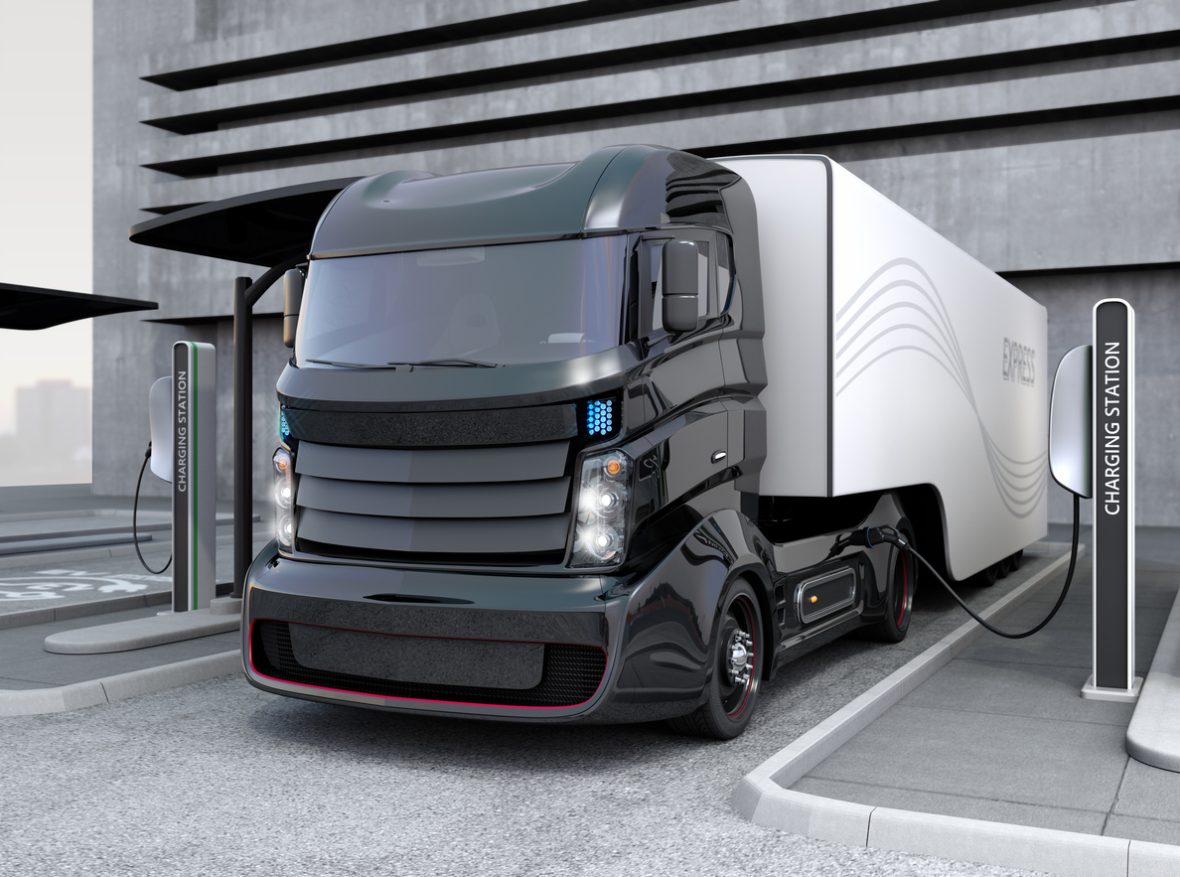
EdisonFuture, a subsidiary of the renewable energy company SPI Energy, showed a pickup concept called the EF1-T with a retractable solar panel roof that extended over the bed. The claims were ambitious: strong horsepower figures, competitive acceleration, and solar generation while driving or parked.
It never reached customers. The concept drew attention at auto shows and then quietly stopped progressing, which is the ordinary fate of most vehicle concepts and particularly of solar ones. Treating it as a preview of the near future would have been a mistake, and that is worth saying plainly rather than leaving an old article implying otherwise.
The Honest Arithmetic
Solar output depends on panel area, panel efficiency, how efficient the vehicle is with the energy, and how much unshaded sun it actually gets. A roof is a small, often curved, frequently shaded surface. These are realistic daily figures in good conditions.
The pattern is clear. Solar only becomes meaningful when the vehicle is built around extreme efficiency, which means small, light and slippery through the air. That is the opposite of a pickup. A truck offers more roof to cover but spends the energy far faster, so the net gain stays modest.
Why the Solar Car Companies Struggled
The EF1-T was not alone. Several companies built their identity on vehicle-integrated solar and most ran into the same wall: the engineering works, but the economics do not. Adding curved, durable, automotive-grade panels is expensive, and the payoff is a handful of miles a day that a wall outlet supplies for pennies.
Purpose-built solar EV ventures have variously been canceled, restructured or wound down, and mainstream manufacturers that offered solar roof options generally treated them as a minor accessory rather than a core feature. None of that means the technology failed. It means the value it delivers is small relative to what it costs, which is a different and less exciting conclusion.
Where Vehicle Solar Genuinely Makes Sense
- Offsetting standby drain. A modern vehicle loses charge slowly while parked. A small panel can cover that indefinitely, which matters for a car that sits for weeks.
- Very low mileage use. If your driving is a few miles a day and you park in the open, solar can genuinely cover it.
- Off-grid and work applications. Powering tools, lighting, refrigeration or telemetry on a work truck or camper, where the alternative is running an engine.
- RVs and campers, which have large flat roofs, park in the sun for days, and use power for living rather than driving. This is where roof solar has been standard for years, and for good reason.
What it does not do is meaningfully extend a road trip, and any product claiming otherwise deserves scrutiny of its assumptions.

If You Are Buying or Moving an Electric Truck
Judge an electric pickup on the things that will actually shape your ownership: usable range under load, charging speed, and how much range towing costs you. Payload alone reduces range by roughly a quarter, and towing a tall trailer can halve it, which dwarfs anything a solar roof contributes.
When it comes time to move one, electric trucks are heavier than their gasoline equivalents and that affects how a carrier balances a load, so give the real curb weight when quoting. Shipping an electric vehicle also usually calls for a 30 to 50 percent state of charge rather than a full battery, and a solar roof changes none of that.
Common Questions
Can you buy the EF1-T? No. It remained a concept and did not reach production.
How much range does a solar roof really add? Commonly a few miles a day on a normal car or truck, and up to a few dozen on a vehicle engineered specifically for efficiency and parked in strong sun.
Does solar charge the car while driving? It generates while driving, but at a rate far below what driving consumes. It slows the drain rather than replacing it.
Is a solar roof worth paying extra for? Rarely on cost alone. It makes more sense if your vehicle sits outdoors for long periods or you value the off-grid capability.
Does a solar roof affect shipping the vehicle? No. Carriers handle it as they would any glass or panel roof. Mention it so the driver knows not to place anything on it.
Get a Quote
Call Ship A Car, Inc. at (866) 821-4555 with the vehicle’s year, model and curb weight, or request an estimate for the move through the quote calculator.