
Freight Peak Season: What It Is, and Why It Keeps Disappointing
Peak season is the period in the second half of the year when freight demand is supposed to surge as retailers stock up for the holidays, and for several years running it has underdelivered. Understanding why is useful well beyond trucking, because the same cycle sets what it costs to move a vehicle in October.
Here is how the season is supposed to work, why it keeps falling short, and what it means for anyone shipping.

How the Cycle Is Supposed to Run
Retail inventory has a rhythm. Goods are ordered months ahead, arrive at ports, move inland to distribution centers, then out to stores and to customers. The freight surge historically ran from late summer through the fall, with capacity tightening and spot rates rising as everyone competed for the same trucks.
Carriers plan around it. They position equipment, hold capacity back from contracts to sell at higher spot rates, and in strong years make a disproportionate share of the year’s margin in a few months.
That is the model. It has been unreliable enough recently that treating it as a certainty has cost people money.
Why It Has Kept Falling Short
Four reasons, and they interact.
Inventory strategy changed. After the disruptions of the early 2020s, retailers were left holding too much stock and responded by ordering earlier and more cautiously. Demand that used to concentrate in a few months got spread across more of them, which flattens the peak without reducing the annual total.
Capacity stayed in the market. A period of exceptionally high rates drew a large number of new carriers and owner operators into trucking. When demand normalized, that capacity did not leave quickly, because an operator with a truck payment keeps running at thin margins rather than parking it. Excess capacity suppresses the rate spike a peak would otherwise produce.
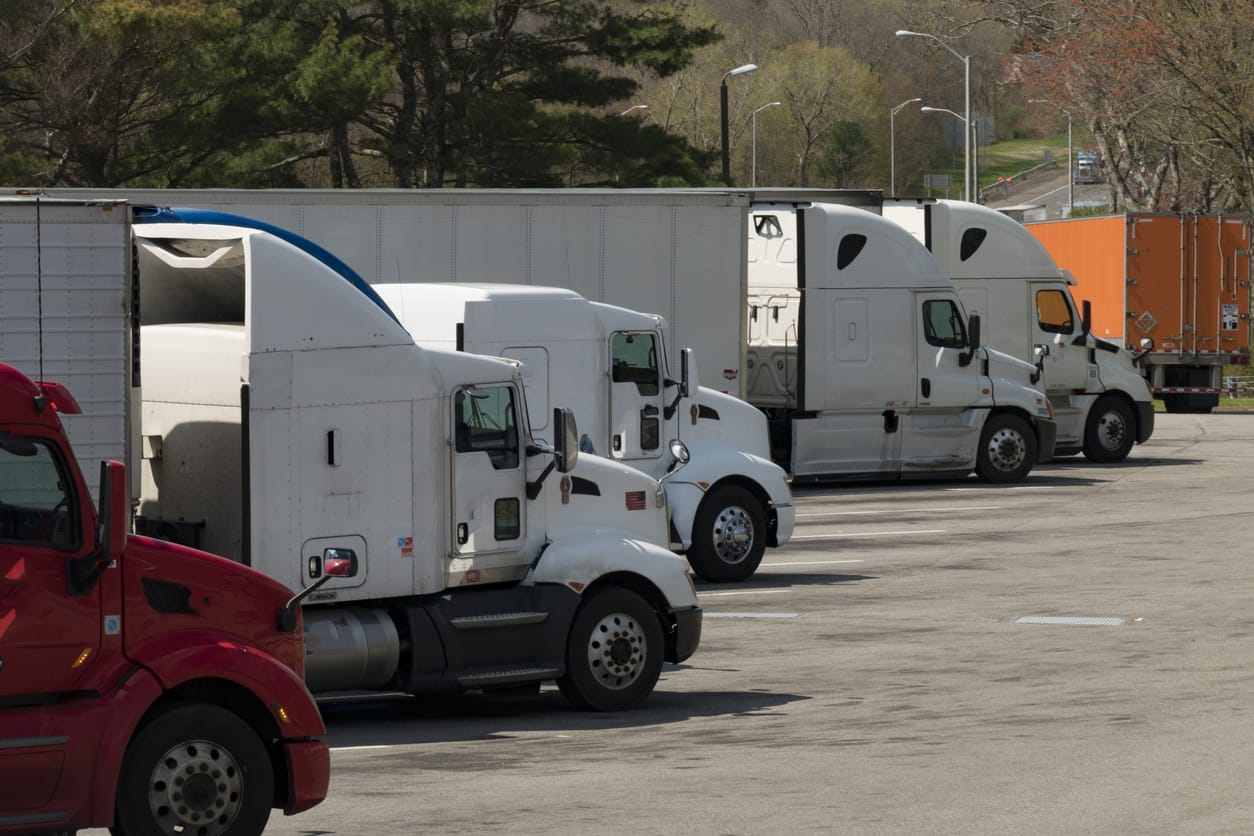
Consumer spending shifted. Spending moved toward services and experiences relative to goods. Fewer physical goods per dollar spent means less freight per dollar of economic activity, and freight demand tracks goods rather than the economy overall.
Retail moved closer to the customer. More regional distribution and more direct fulfillment changes the shape of the freight rather than its volume, with more short local moves and fewer long haul runs, which does not show up as a long haul rate spike.
There is also a structural point that gets lost in the annual disappointment. Peak season was always partly a coordination artifact: everyone ordered late because everyone else did, and the surge was as much about synchronized timing as about volume. Once a few large retailers moved to ordering earlier, the incentive to be last in the queue disappeared for everyone else, and a cycle that depended on synchronization stopped synchronizing. That is a change in behavior rather than in demand, and behavioral changes of that kind rarely reverse.
The Signals Worth Watching
If you want to know whether a peak is materializing, four indicators are more useful than commentary.
Spot rates versus contract rates. Spot moves first, so a widening gap in favor of spot means capacity is tightening.
Load to truck ratios, which measure available loads against available trucks on the freight boards. A rising ratio is the clearest early signal.
Import volumes at the major container ports, which lead inland freight by several weeks and are published regularly.
Retail inventory to sales ratios, which tell you whether retailers need to restock or are still working through what they have. High inventories mean a weak peak regardless of consumer demand.
What It Means for Moving a Vehicle
Vehicle transport shares the road, the drivers and the fuel with general freight, so the same cycle affects it, but the seasonality is not identical.
Car hauling has its own calendar, driven largely by consumer behavior rather than retail restocking. The heaviest periods are summer, when families relocate and students move, and the shoulder seasons when seasonal residents travel south in the fall and north in the spring. Those peaks are more reliable than general freight’s, because they are driven by school calendars and weather rather than by inventory strategy.
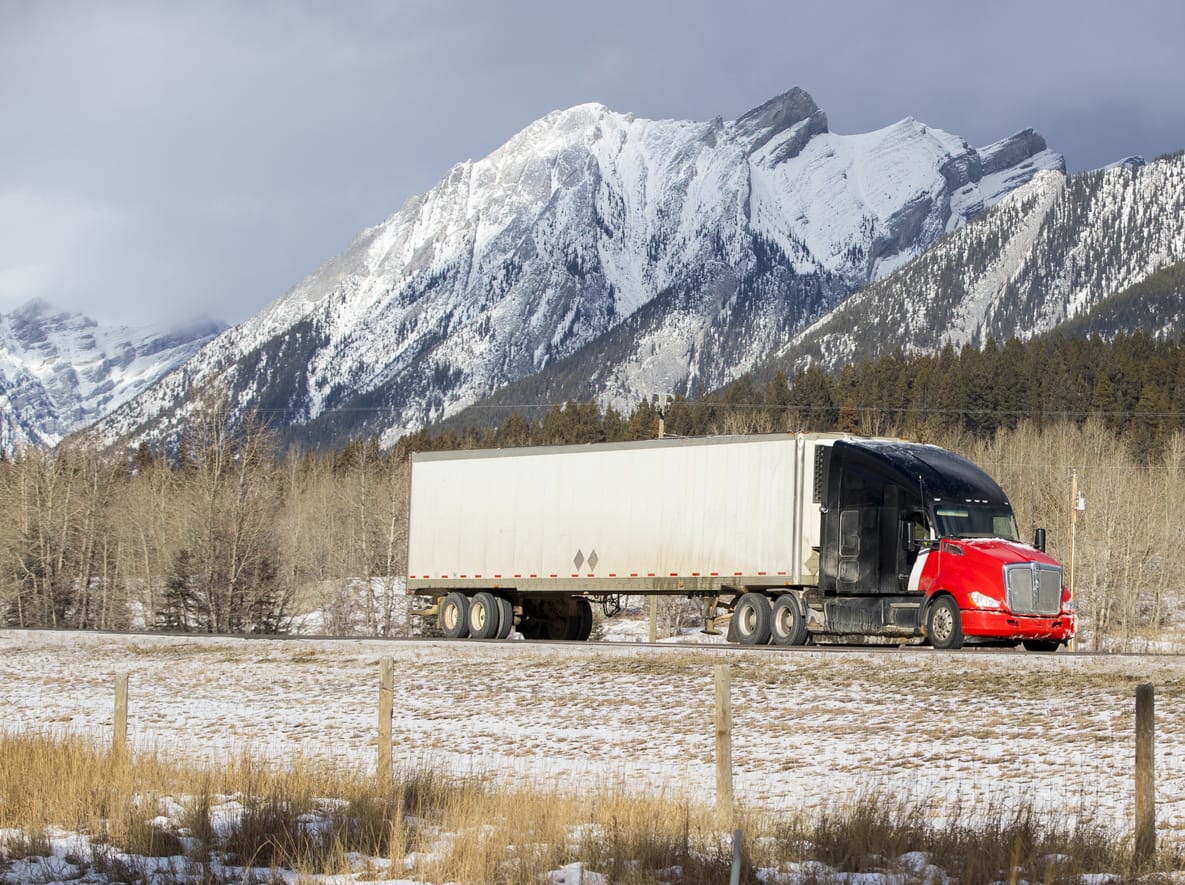
Where general freight matters is at the margin. When general freight is soft and capacity is abundant, drivers and equipment are easier to secure and rates on ordinary lanes are more competitive. When freight is tight, everything competes for the same drivers and hours.
The practical upshot for a customer is that a soft freight market is a good time to ship, and a few days of date flexibility is worth more than trying to time the market. What sets the price generally is covered in our page on what determines the cost of shipping a car.
What a Soft Peak Does to Carriers
Worth saying, because it affects service quality in ways customers feel.
A weak peak squeezes the operators with the least cushion, and sustained low rates push smaller carriers out. That is a normal correction, and it is also why an unusually low quote deserves scrutiny: a rate below what a carrier can actually run for does not get accepted, and the pattern that follows is a vehicle sitting unassigned and a price revision a week later.
The other consequence is equipment. Operators under margin pressure defer replacement, so the average age of the fleet rises, and older equipment means more breakdowns and more delays. None of that appears in a quote, and all of it shows up in whether a delivery estimate holds.
Common Questions
When is freight peak season? Traditionally late summer through fall, as retailers stock up for the holidays.
Why has it been weak? Earlier and more cautious retail ordering, excess carrier capacity that stayed in the market, spending shifting toward services, and more regional distribution.
Does it affect car shipping? At the margin. Car hauling has its own calendar driven by summer moves and seasonal residents, which is more reliable than retail restocking.
What indicators actually predict it? Spot versus contract rates, load to truck ratios, port import volumes, and retail inventory to sales ratios.
Is a soft market a good time to ship? Generally yes. Capacity is easier to secure and rates on ordinary lanes are more competitive.
Get a Quote
Call Ship A Car, Inc. at (866) 452-3657 with both zip codes and your date range, or price the move with the specialized transport calculator.