AI Cameras on Highways: What They Watch For, and What That Means for Drivers
Automated highway cameras have moved well beyond speed enforcement. Systems now in use can identify seat belt violations, phone use behind the wheel, and litter thrown from a vehicle, all without a person watching a screen.
The technology is real and it is spreading unevenly, because what is legal in one state is not in another. Here is what these systems actually do, where the limits are, and the practical consequences for anyone who drives a lot.
How the Systems Work
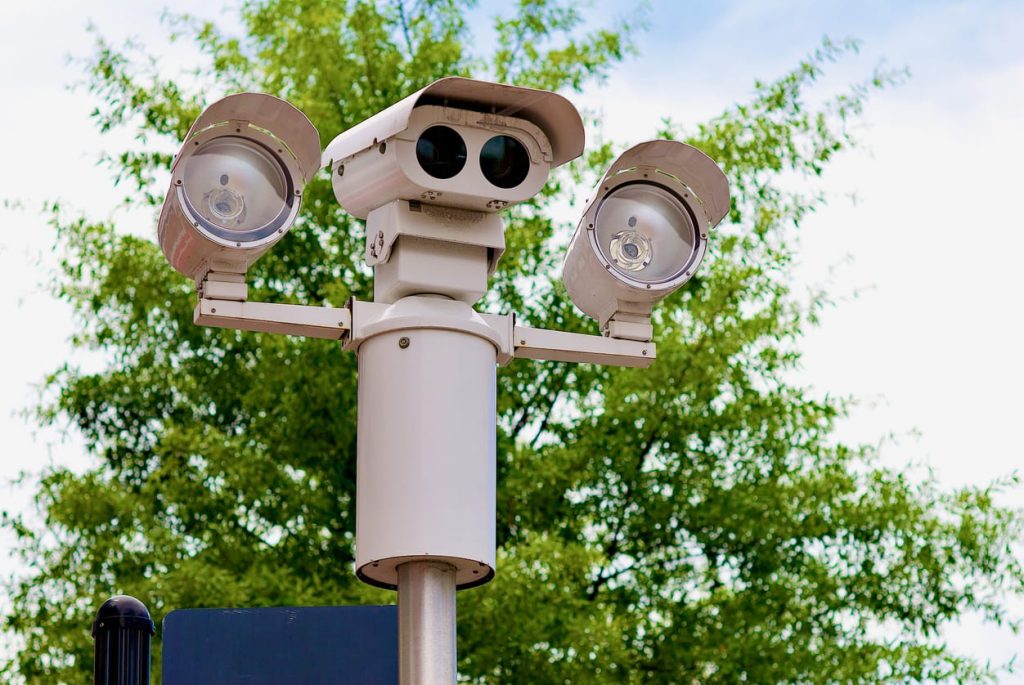
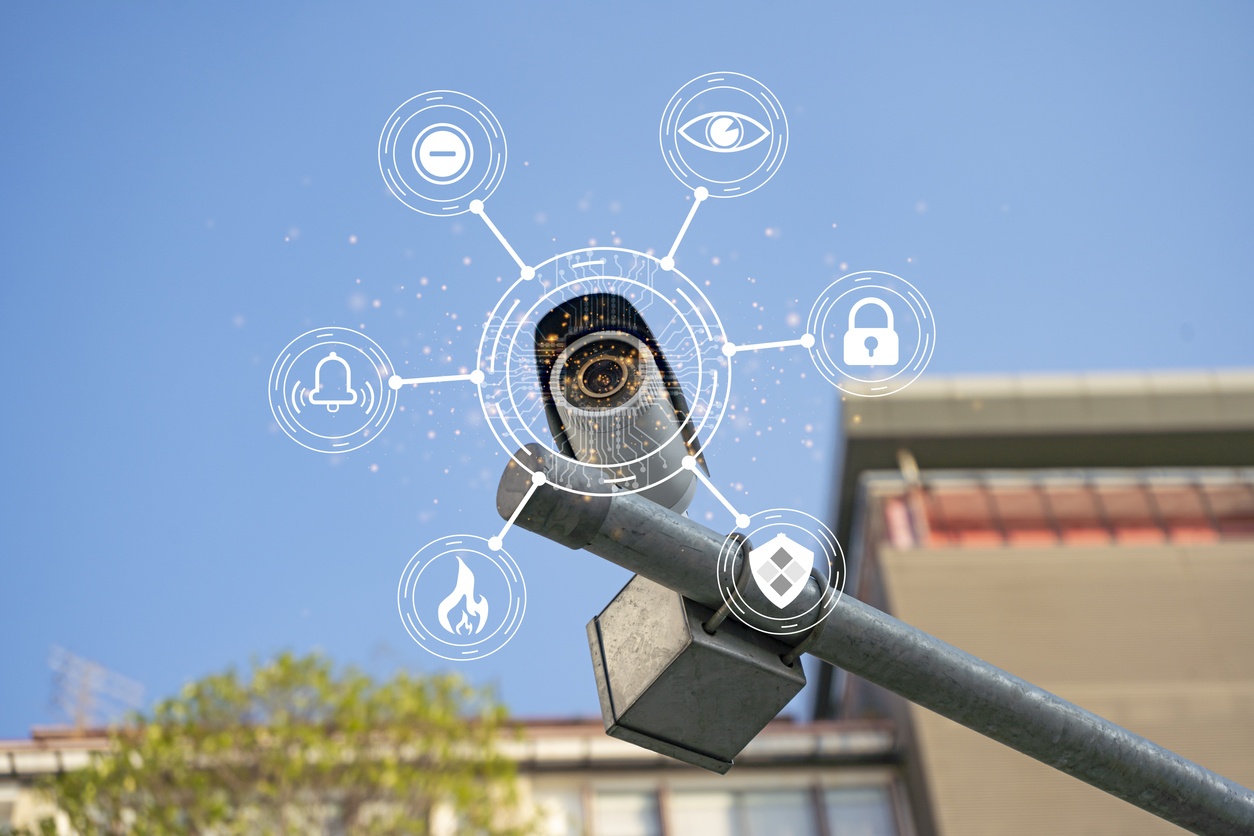
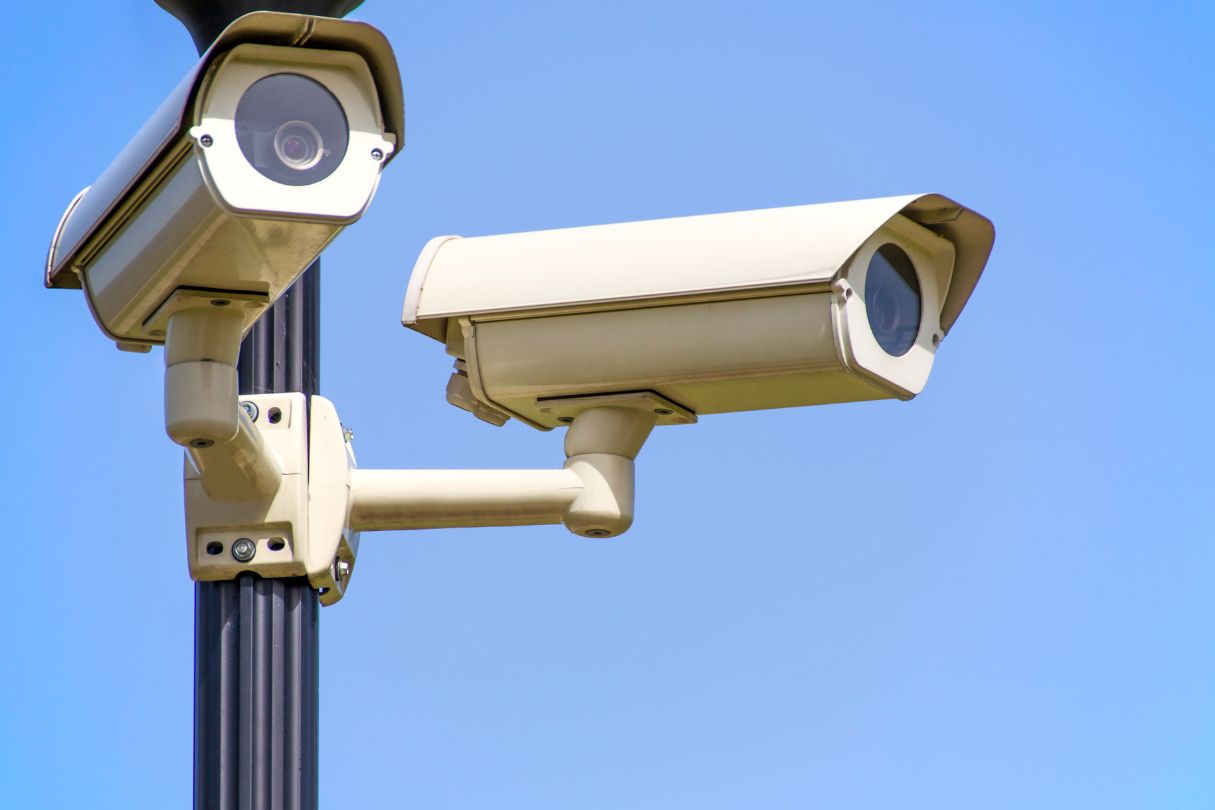
A roadside or overhead unit photographs vehicles, and software rather than a human reviews the image first. The software is trained to flag a specific behavior, and only flagged images are passed to a person for confirmation.
That review step is the part people miss. In most deployments a human confirms the violation before any citation is issued, because the automated flag alone is not treated as sufficient. The software’s job is filtering, which is what makes the volume manageable: one camera can process far more vehicles than a person could ever watch.
The imaging has improved considerably. Modern units shoot through windshield glare and in low light well enough to resolve what a driver’s hands are doing, which is what makes phone and seat belt detection possible at all.
What They Are Being Used to Detect
Four categories, in rough order of how widely deployed they are.
Speed and red lights, the oldest and most familiar automated enforcement, in use for decades.
Seat belt and handheld phone use. This is the significant recent expansion. Cameras that can see into the cab change enforcement of two rules that previously required a traffic stop.
Commercial vehicle compliance. Weigh in motion sensors, automated license plate reading and screening systems that check a truck’s credentials at highway speed and signal whether it needs to pull in.
Littering and illegal dumping. The newest and least widespread, generally deployed at specific problem locations rather than across a network. Roadside cleanup is a genuine public cost, and it is one of the harder offenses to catch conventionally because it takes seconds and leaves no trace of who did it.
The Legal Position Varies by State
This is the part that matters most and gets reported least accurately.
Automated enforcement is governed at state level, and states have taken sharply different positions. Some permit camera enforcement broadly. Some restrict it to school zones and work zones. Some have prohibited it outright, and a few have repealed programs after they were established.
The mechanics differ too. In some jurisdictions an automated citation is a civil penalty attached to the vehicle rather than a moving violation against a driver’s license, which means no points and no insurance consequence but a bill. In others it is a full violation. Whether the registered owner or the actual driver is liable also varies.
So a blanket claim that highway cameras will ticket you for something is almost always wrong somewhere. The honest answer is that it depends on the state, and on that state’s current law rather than what it was two years ago.
What This Means If You Drive for a Living
Professional drivers cover far more miles than anyone else, so any automated enforcement affects them disproportionately.
The practical implications are straightforward. Compliance is no longer a question of whether an officer is present, because the camera is always present. Handheld phone use has been prohibited for commercial drivers under federal rules for years, and cameras make that rule enforceable in a way that roadside observation never was.
Commercial vehicle screening also runs in both directions. Automated systems that verify credentials at highway speed let compliant carriers pass through rather than queue at every inspection station, which is a genuine benefit for an operator whose paperwork is in order.
The same logic applies to load security. Anything that comes off a trailer becomes debris, and automated systems increasingly capture the vehicle it came from. Securing a load properly was always the rule; it is now more likely to be documented.
The Objections Are Not Frivolous
Automated enforcement is genuinely contested, and the arguments on both sides are reasonable.
Supporters point to consistency, since a camera applies the same standard to everyone, and to the safety case for enforcing seat belt and phone rules that are otherwise difficult to police.
Critics raise three things. Accuracy, because an automated system that misidentifies a behavior creates a burden of proof for the accused. Revenue incentive, since a program that funds itself through citations has a structural interest in issuing them. And surveillance scope, because a network built to catch one behavior can be repurposed, and the images are retained.
Both sets of concerns are why the legal position keeps moving. This is an area where the law is actively being revised, and anything written about specific programs dates quickly.
What a Driver Should Actually Do
Nothing complicated. Wear the belt, keep the phone out of your hand, secure anything in the bed or on a trailer, and do not throw anything out of a window. All four were already required.
The change is not the rules. It is that enforcement no longer depends on being seen by a person, and that the record is a photograph rather than an officer’s recollection. If you receive an automated citation, check what kind it is in that state, since whether it carries license points is the difference between a bill and a real problem.
Common Questions
Can cameras really detect phone use? Yes. Current systems can image through a windshield well enough to resolve what a driver’s hands are doing.
Does a person review the image? In most programs, yes. The software flags candidates and a human confirms before a citation is issued.
Is automated enforcement legal everywhere? No. It is set by state law and states differ sharply, with some permitting it broadly and others prohibiting it.
Do automated tickets affect insurance? Sometimes. In several states they are civil penalties against the vehicle with no license points, but this varies.
Who is liable, the owner or the driver? That also varies by state, and in many the citation attaches to the registered owner.
Get a Quote
Call Ship A Car, Inc. at (866) 821-4555 with both zip codes and your date range, or price the move with the instant calculator.