The Truck Driver Shortage, and Why It Shows Up in Your Quote
The trucking industry has described itself as short of drivers for most of the last two decades, and the more useful way to read that is as a retention problem rather than a recruitment one. Enough people get commercial licenses. Not enough of them are still driving a year later. Annual turnover at large long haul fleets has run near or above 90 percent for years, which means those companies replace close to their entire driving workforce every twelve months.
That churn is a real cost, and it is one of the things sitting behind what you are quoted to move a car.

Shortage or Turnover
The two framings lead to different conclusions, and the disagreement is genuine rather than manufactured.
The industry position is that demand for freight has grown faster than the pool of qualified drivers, and that the gap runs to tens of thousands of people. The counter argument, made by labor economists, is that a real shortage would show up as sharply rising pay until the market cleared, and that what the data actually shows is high turnover in a demanding job that many people try and leave.
Both descriptions fit the evidence in different segments. Long haul over the road work has the churn problem. Local and regional work, where drivers are home most nights, generally does not. The shortage is concentrated in the jobs that keep people away from home for weeks.
Why People Leave
The reasons are consistent and none of them are mysterious.
Time away from home is the first. Long haul work can mean three weeks out at a stretch, and that is incompatible with a great deal of ordinary family life. Pay by the mile is the second: a driver stuck at a shipper’s dock for six hours frequently earns nothing for that time, and detention is a daily reality rather than an occasional one.

Then the conditions: irregular sleep, limited parking, hard access to decent food and exercise, and the physical toll of the job. Add the demographic picture, where the average driver age is well above the workforce average and a substantial share of the current workforce is approaching retirement, and the replacement problem gets steeper rather than flatter.
Entry barriers matter too. Federal rules restrict interstate driving to those 21 and over, so the industry loses three years in which school leavers commit to other careers.
What Has Actually Changed
Pay rose substantially through the freight boom, then flattened or fell back when the market loosened, which tells you the market does respond and that the response is cyclical.
Structurally, more fleets have moved toward dedicated and regional lanes that get drivers home weekly or nightly, because that fixes the reason most people quit. Automatic transmissions removed a barrier that kept a lot of otherwise capable people out. Recruitment has broadened toward groups the industry historically ignored, including women, who remain a small share of the driving workforce despite the obvious arithmetic of that.
Autonomous trucks are frequently offered as the answer. On any realistic timeline they change long haul highway driving first and leave the loading, securing, delivery and customer facing parts of the job untouched. Car hauling in particular involves a great deal of skilled physical work that is nowhere near automation.
Insurance has quietly become a barrier of its own. Premiums for carriers employing drivers under 25 are high enough that many small fleets simply will not hire them, which removes the entry level jobs that would otherwise let a new driver build the experience insurers want. The effect is circular and it holds the entry pipeline narrower than the licensing rules alone would.
How This Reaches Your Quote
Vehicle transport is priced one load at a time in the spot market, so driver supply feeds through fairly directly.
When drivers are scarce relative to freight, carriers become selective about which loads they accept, and the loads that move are the ones priced attractively. When capacity is loose the reverse happens. This is why the same route can differ substantially in price between one quarter and the next without anything about your car changing, and it is explained more fully in our page on the spot market and the contract market.

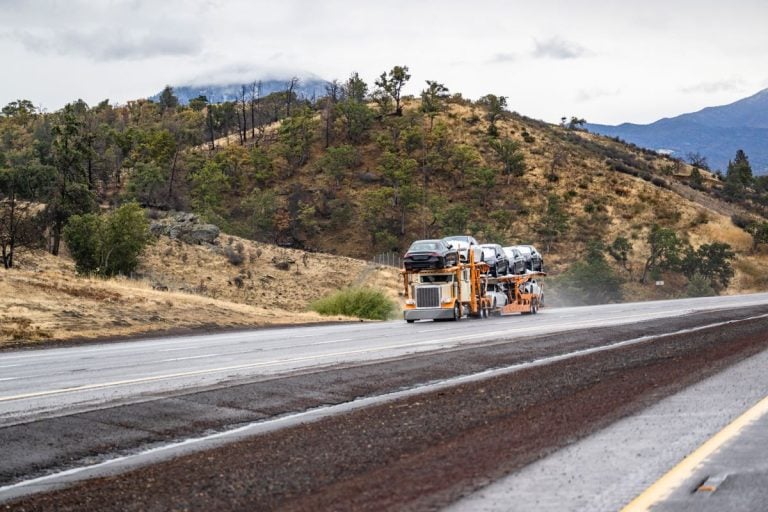
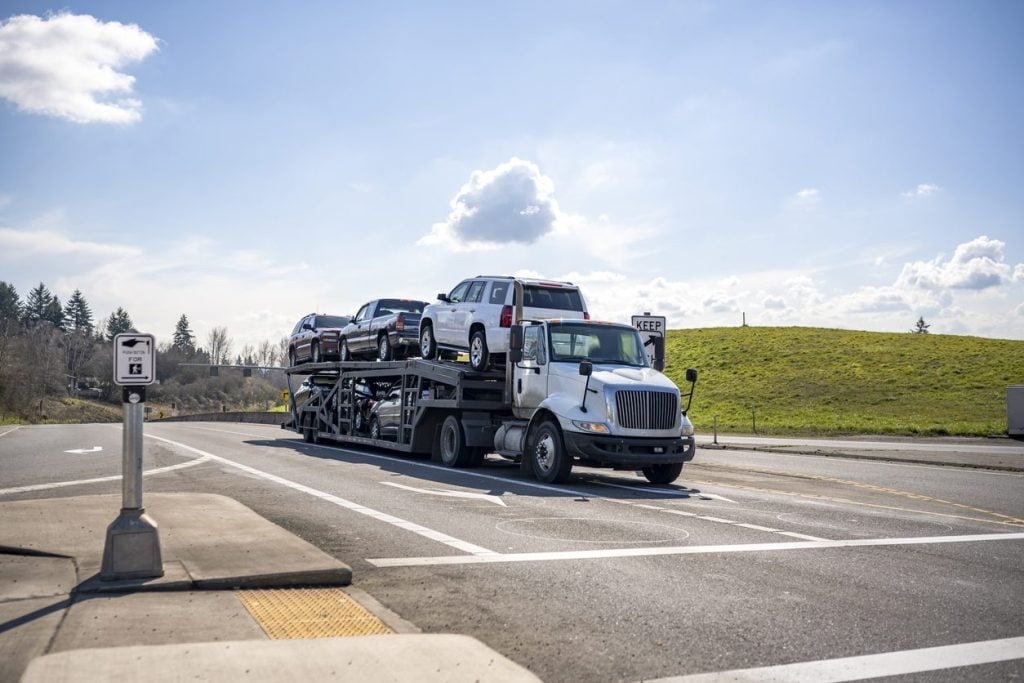
Car hauling has its own version of the problem. It is a specialized job: loading a ten car trailer is a skilled task with real damage consequences, and drivers who do it well are worth keeping. The pool of experienced car haulers is smaller than the pool of dry van drivers, which is part of why enclosed and specialty transport carries the premium it does.
The practical takeaway for a customer is unchanged by any of it. Book with a couple of weeks of lead time, offer a two or three day pickup window rather than a fixed date, and be accurate about access. All three make your load easier for a driver to fit into a route they are already running, and that is what gets it assigned.
Common Questions
Is there really a driver shortage? There is a genuine disagreement. The industry describes a shortage; labor economists point to turnover near 90 percent at large long haul fleets as the better explanation.
Why do drivers leave? Time away from home, unpaid detention under mile based pay, and difficult working conditions. Local and regional work has far lower turnover.
Will autonomous trucks solve it? Not soon, and not for car hauling, where loading, securing and delivery are skilled manual work.
Does this affect what I pay? Yes, indirectly. Tight driver capacity makes carriers selective, and selective carriers take the better priced loads first.
What can I do about it? Give lead time, offer a flexible pickup window, and describe access accurately. Those make your vehicle easy to schedule.
Get a Quote
Call Ship A Car, Inc. at (866) 821-4555 with both zip codes and your date range, or price the move with the instant calculator.