Heavy Equipment Shipping in Utah
Utah’s constraint is vertical, not horizontal. The state has open highways and light traffic by national standards, but nearly every route crosses serious grades, and elevation changes how a loaded truck climbs, brakes and gets permitted. Utah also allows a taller legal height than many eastern states, which is useful in-state and a trap the moment your load crosses a border. Getting the loaded dimensions right, then checking them against every state on the route, is most of the job.
What Needs a Permit
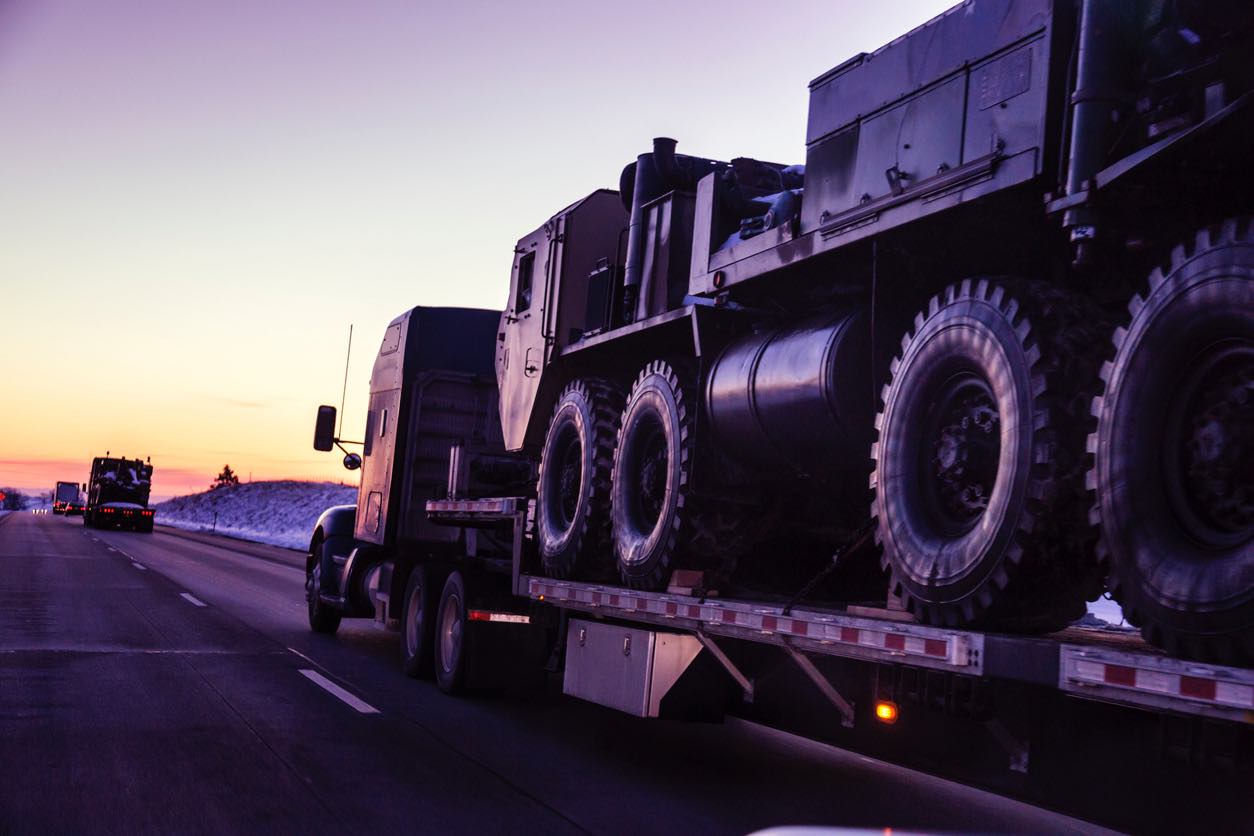
The Utah Department of Transportation issues oversize and overweight permits. These are the thresholds where an ordinary haul becomes a permitted one.
That height row is the one to watch. A machine loaded to 13 feet 10 inches is legal in Utah and oversize the moment it reaches a neighboring state with a lower ceiling. If the load leaves Utah, plan to the strictest limit on the whole route rather than the local one.
The Grades Are the Real Constraint
Utah routes climb. I-80 east out of Salt Lake City runs up Parley’s Canyon on a sustained grade, I-15 crosses high ground both north and south of the valley, and US-6 between Spanish Fork and Price is a long mountain route with a heavy truck reputation. I-70 through the southern part of the state covers remote country with long stretches between services.
For a heavy load that means three things. Climbing is slow, so transit estimates should be generous. Descending is the real hazard, so weight is planned around brakes rather than horsepower. And in winter, chain restrictions and closures on the canyon routes can stop a permitted load for a day or more, because a permit issued for a specific route and date does not survive a closure.
The Routes That Matter
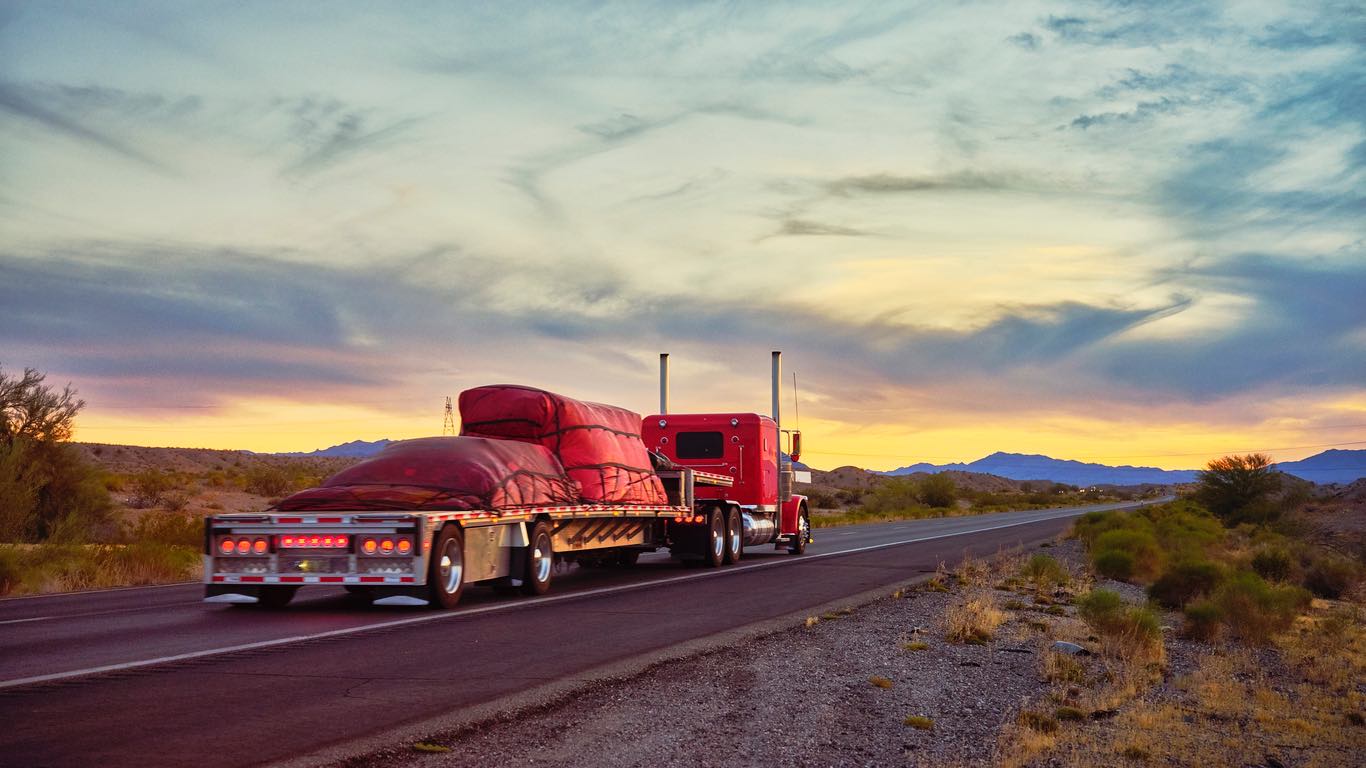
I-15 is the spine, running the length of the state through the Wasatch Front where most of the population and construction activity sits. I-80 crosses east to west through Salt Lake City, linking Wyoming to Nevada. I-70 serves the south and connects toward Colorado. US-6 and US-40 carry much of the traffic to and from the eastern basin.
Away from those, Utah gets remote quickly. A delivery to a mine site, a well pad or a rural project can involve long distances on secondary roads, and those roads decide the trailer and the schedule far more than the interstate portion does.
What Moves Here
Utah’s heavy haul demand comes from a few distinct industries. Mining is the largest, and mining equipment is genuinely big, which is why so much Utah work involves permits and escorts rather than routine flatbed loads. Energy work in the eastern basin moves drilling and service equipment on similar terms.
Construction along the Wasatch Front supplies steady demand for excavators, dozers, loaders and lifts, and agricultural machinery moves seasonally in the rural counties. The industry matters less than the three numbers that decide everything: loaded width, loaded height and working weight.
Trailer Choice Is a Height Decision Here
On flat states the trailer follows the machine. In Utah it follows the route, because every extra inch of deck height is an inch you may not have at a canyon overpass or under a mountain-highway structure. Working down from the deck is the usual approach.
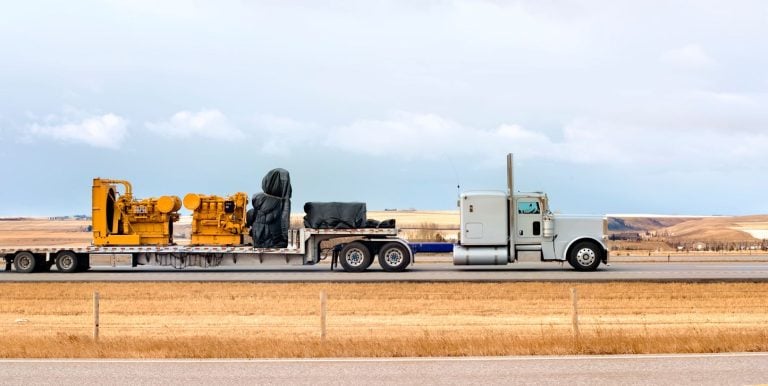
A flatbed sits highest and suits machines that are already well inside the limit. Dropping to a step deck recovers around two feet, which is frequently the difference between a permitted load and a routine one on an in-state run. A double drop lowers the center section again for genuinely tall machines, and a removable gooseneck lets tracked equipment drive on at ground level rather than being lifted, which matters at remote mine and well sites where no crane is available.
Give a carrier the machine’s make, model and working weight and they will tell you which of those the route allows. That order, route first and machine second, is the Utah-specific part.
Preparing the Machine
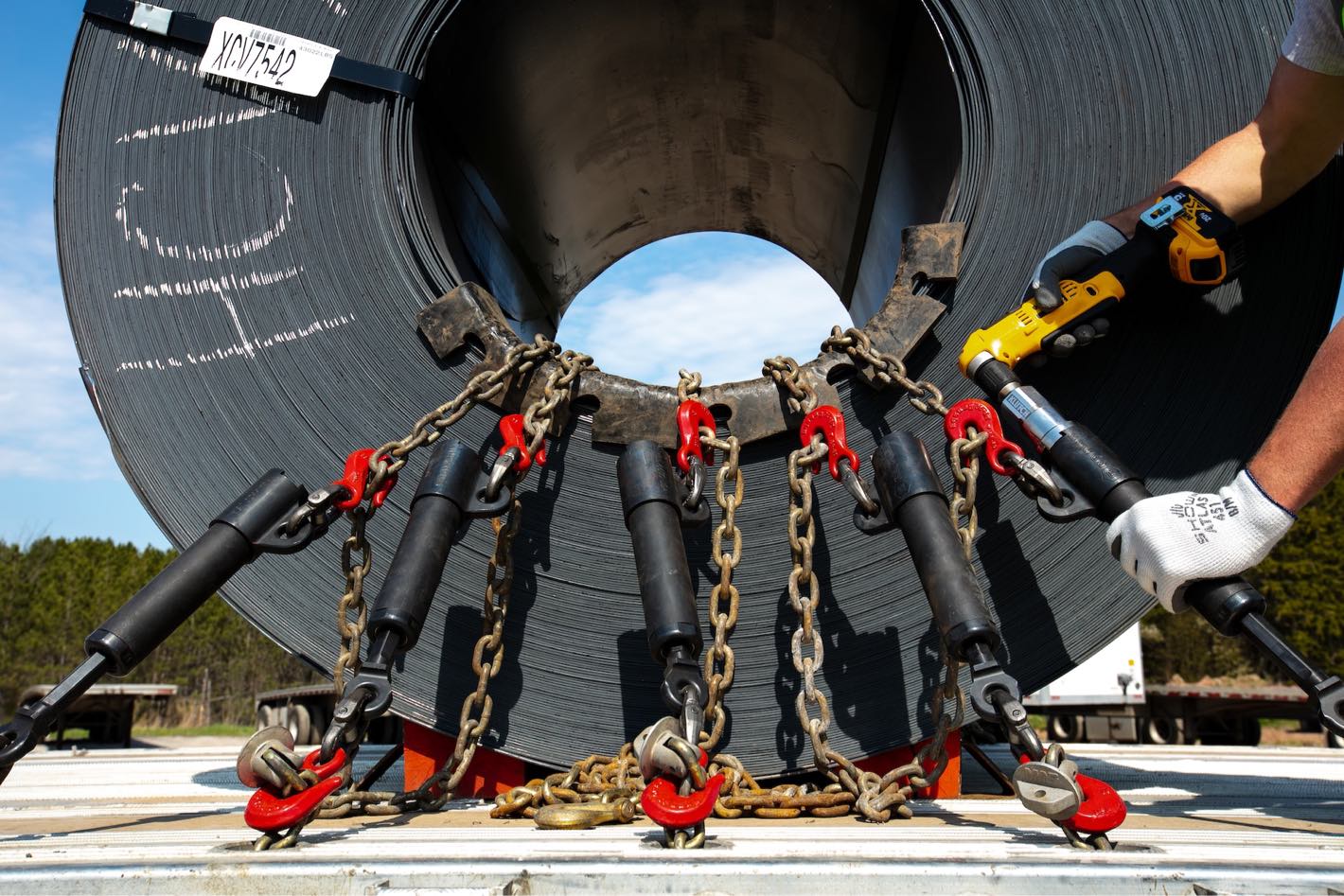
- Pressure wash it. Beyond finding existing damage, a clean machine is easier to inspect at a weigh station, and Utah runs plenty of them.
- Photograph the whole machine including the tracks or tires, the hour meter and any existing dents, before it leaves your yard.
- Follow the manufacturer’s transport guidance on fluids, and isolate the battery if the manual calls for it.
- Bring the height down as far as the machine allows: booms stowed, buckets curled in, arms retracted, ROPS folded if it folds.
- Take off anything that is not bolted down. Buckets, thumbs, counterweights and toolboxes travel as separate freight when they are heavy.
- Hand over keys and explain anything unusual about starting it, particularly if the machine has been sitting at altitude in the cold.
Cost and Timing
Nothing here is priced per mile. The quote is built from the loaded dimensions, the working weight and what the route demands, which in Utah usually means what the grades and the canyon structures demand. A machine inside the legal envelope running the I-15 corridor prices much like ordinary freight. Once escorts and a route survey are required the figure climbs steeply, and the calendar stops being yours: the permit window decides the departure.
Allow one to two weeks of lead time for a legal load and three to four weeks or more for a permitted one. In winter, add buffer for canyon closures, and expect that a rescheduled date may require the permit to be reissued.
Common Questions
Who obtains the permits? Your carrier, in almost every case, because a permit is issued against one truck, one trailer and one approved route. Just make sure the quote says so rather than assuming it.
Does Utah’s 14 foot height help me? In-state, yes. The moment the load crosses into a state with a lower limit it becomes oversize there, so plan to the strictest ceiling on the route.
Is my equipment insured in transit? The carrier’s cargo policy covers it, but read the number. Cargo limits are written for general freight and a single large machine can be worth more than the whole policy allows.
Can you move a machine that will not run? Yes. It has to be winched or lifted instead of driven on, which changes the equipment sent, so flag it at quote time rather than on the day.
How much does winter affect it? On the canyon routes, significantly. Chain restrictions and closures can hold a permitted load for a day or more, so build in a buffer between December and March.
Get a Quote
Call Ship A Car, Inc. at (866) 452-3657 with the make, model, working weight and loaded height, and we will tell you what the load needs before you commit to a date.