How to Ship a Classic Car
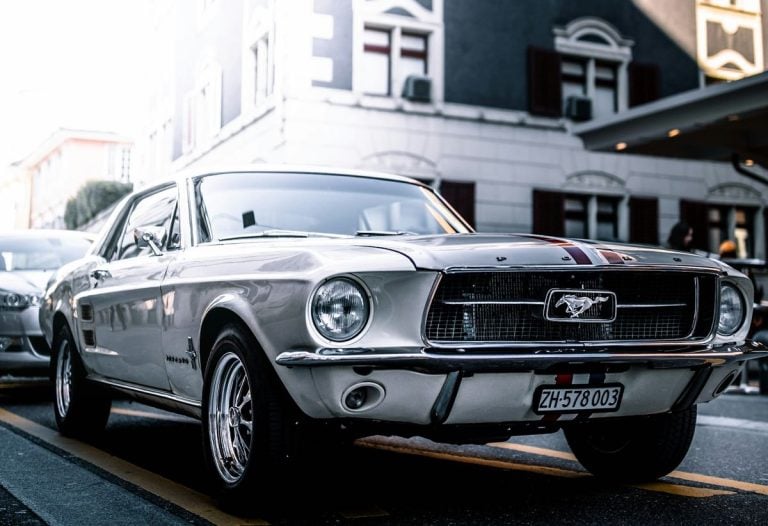
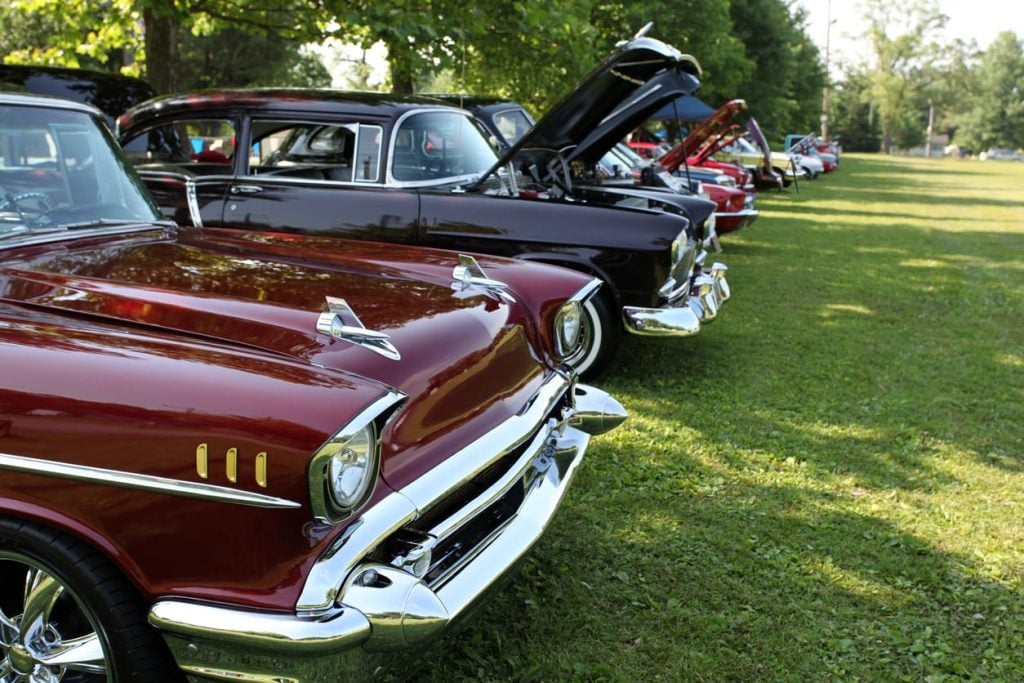
Shipping a classic is not a harder version of shipping an ordinary car; it is a different set of problems. The vehicle is frequently irreplaceable rather than merely valuable, it may not run reliably, its ground clearance and fragility rule out some equipment, and the standard cargo insurance limit almost certainly does not cover it. Getting those four right is the job.

Enclosed Is Not Optional Here
On an ordinary car the enclosed decision is a judgment call. On a classic it is not, and the reasons are specific rather than sentimental.
Original paint and older finishes are less durable than modern clear coats and far more expensive to correct properly. Chrome pits. Rubber seals and older glass are more vulnerable to stone chips. Interior materials degrade faster under sustained sun.
Enclosed also removes road salt entirely, which matters enormously on a vehicle whose underbody may be original and whose value depends partly on the absence of corrosion.
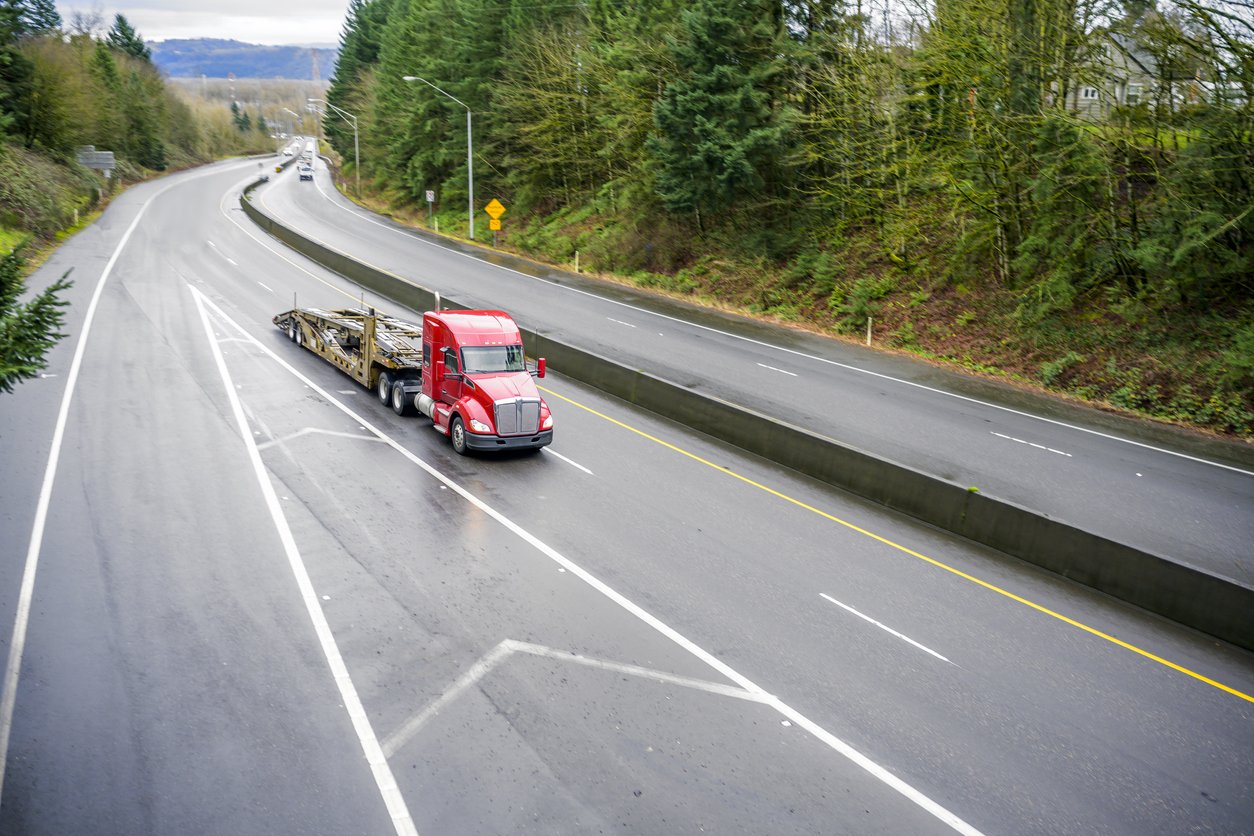
And enclosed carriers generally carry higher cargo insurance limits, run smaller loads with more attention per vehicle, and are used to handling cars that cannot simply be driven onto a deck. The premium of about a third buys all of that, not just a roof.
Establish the Insurance Position First
This is the step people leave until last and it should be first.
Ask the carrier what its cargo policy limit is and whether it is per vehicle or per incident. Per-incident limits are common, and a limit that comfortably covers a trailer of ordinary cars will not cover one significant classic.

Then establish the valuation basis. Standard cargo coverage generally pays actual cash value, which for a classic is a meaningless number: there is no depreciation schedule for a car worth more than it cost. An agreed-value arrangement is what you want, and it has to be set up before the vehicle moves.
Ask what is excluded. Acts of nature, road debris and pre-existing condition are common exclusions, and on a classic the definition of pre-existing condition is where disputes live.
Finally, tell your own insurer. A collector policy may cover transit, may require notification, or may exclude it. Find out rather than assume.
If It Does Not Run
A great many classics do not start reliably, and that is entirely normal. What is not acceptable is discovering it at pickup.
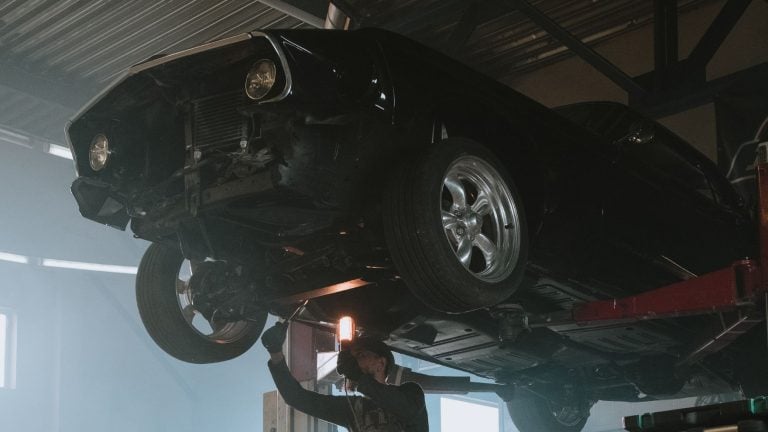
Declare it as inoperable when you book. It needs a winch and a carrier equipped for it, and on a classic it needs a driver who understands that winching a car with a fragile bumper, an original chassis or a non-standard tow point requires care about where the strap goes.
If it runs but barely, say that too. “Runs but the brakes are weak” or “starts but will not idle” changes how it should be loaded.
Tell the carrier where the safe lifting and towing points are. On a car built before modern standardized recovery points, that knowledge lives with you rather than in a manual the driver has.
Ground Clearance and Loading
Low cars catch on standard steel ramps, and on a classic the thing that catches is usually an original chrome bumper or a valance that is expensive and difficult to replace.
Say the car is low when you book. The answers are extended ramps, wood blocks under the ramp ends, or a lift gate trailer, and all of them require the driver to know in advance.
If the car has been lowered beyond factory height, or has a non-standard exhaust hanging low, mention that specifically.
Preparation Is Documentation
On a classic the photographic record is the single most valuable thing you will produce.
Wash it, then photograph every panel in daylight, and then photograph the details: each wheel, the chrome, the bumper corners, the glass, the interior, the engine bay and the underside if you can safely see it. Photograph any existing chip, crack or blemish deliberately rather than avoiding it, because a documented flaw cannot become a dispute.
Record the odometer and, if the car has one, the condition of the top.
Then make sure the condition report at pickup describes the car specifically. “No visible damage” on a classic is not a useful document. Walk around it with the driver and get the detail written down.
Leave a quarter tank of fuel or less, disconnect the battery on a long move, and empty the car completely. Our guide to what car shipping insurance actually covers works through the coverage detail.
At Delivery
Inspect before signing, in daylight, without being rushed. If it arrives after dark or in rain, write on the bill of lading that a full inspection was not possible before you sign.
Compare against your photographs deliberately rather than glancing. On a classic the damage that matters is frequently small: a chip in chrome, a scuff on a bumper corner, a mark where a strap ran.
If something is wrong, note it specifically on the paperwork while the driver is present and photograph it immediately. A signature on a clean bill of lading is very hard to walk back.
Common Questions
Do I need enclosed transport? On a classic, effectively yes. It removes salt, debris and sun, and enclosed carriers carry higher cargo limits and handle non-running cars routinely.
What insurance question matters most? Whether the cargo limit is per vehicle or per incident, and whether the valuation basis is actual cash value or agreed value.
What if it does not run? Declare it when you book, and tell the carrier where the safe winching and lifting points are.
What should I photograph? Everything, including existing flaws. A documented blemish cannot become a dispute later.
What if it arrives at night? Write on the bill of lading that a full inspection was not possible before signing it.
Get a Quote
Call Ship A Car, Inc. at (866) 821-4555 with both zip codes, the year and model, whether it runs, and the value for insurance, or request an estimate for the move through the quote calculator.