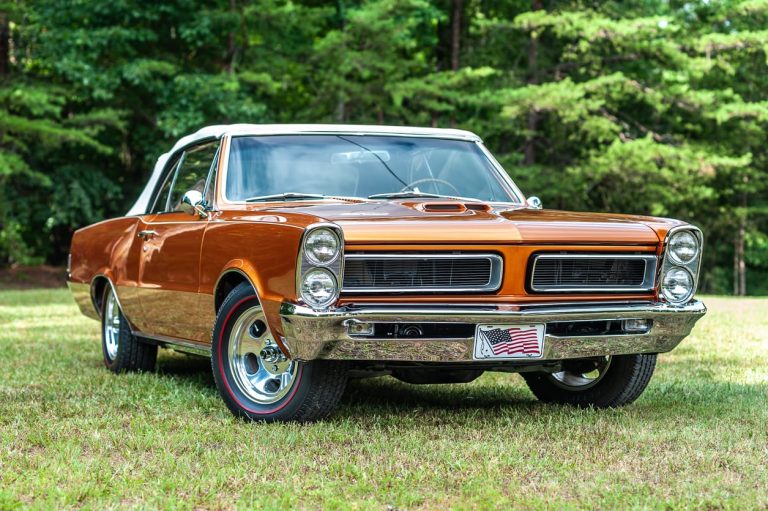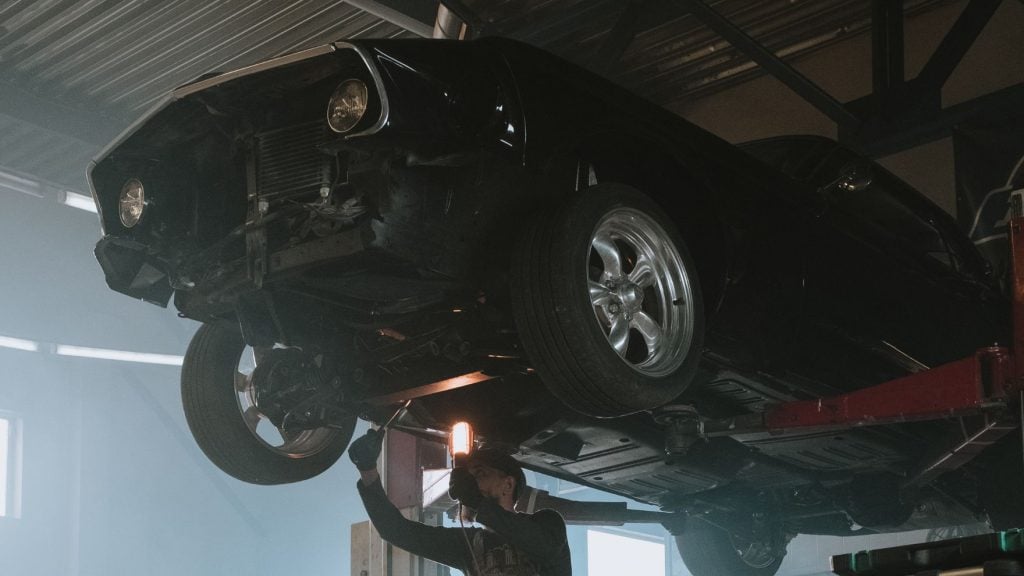
Car Shipping for Restoration Projects: Moving a Vehicle That Is Not a Car Yet
A restoration project breaks every assumption ordinary car shipping makes: it may not run, may not roll, may not steer, may be half-disassembled with its value riding in boxes, and the paperwork may be a bill of sale for something the state stopped registering decades ago.
None of that stops it moving. It changes how the move is booked, and the booking is where restoration transport goes right or wrong. Here is the whole picture: project to shop, shop to home, and the barn find in between.

Describe What It Actually Is, Not What It Will Be
The carrier does not need the story; it needs the state. Five facts decide the equipment and the price: Does it start? Move under its own power? Roll freely in neutral? Steer? Brake? A project that rolls, steers and brakes gets winched onto a standard carrier. One with seized brakes or a missing wheel needs a forklift, skates or a tilt deck, arranged at both ends, not improvised at one.
Add the project-specific layer: what is attached and what is not. Missing glass, an unbolted hood, a loose interior, no bumpers: each is manageable when declared and a repricing event at the curb. A driver who was told “runs and drives” and finds a shell on dollies is a wasted trip you pay for.
The Parts Are a Separate Shipment
The mistake specific to restorations: treating the boxes as part of the car. Cargo insurance covers the vehicle. The loose trim, the rebuilt carburetor in the trunk, the crate of chrome is personal cargo, uninsured on a car carrier and unwelcome on most.
The clean solution costs less than the argument: palletize the parts and ship them as freight, banded and crated, insured for what they are. A drivetrain already out of the car travels bolted to a pallet through its mounting points, not wrapped in the trunk. Keep the numbers-matching pieces, the documented head, the original manifold, with you, the way you would keep the title.
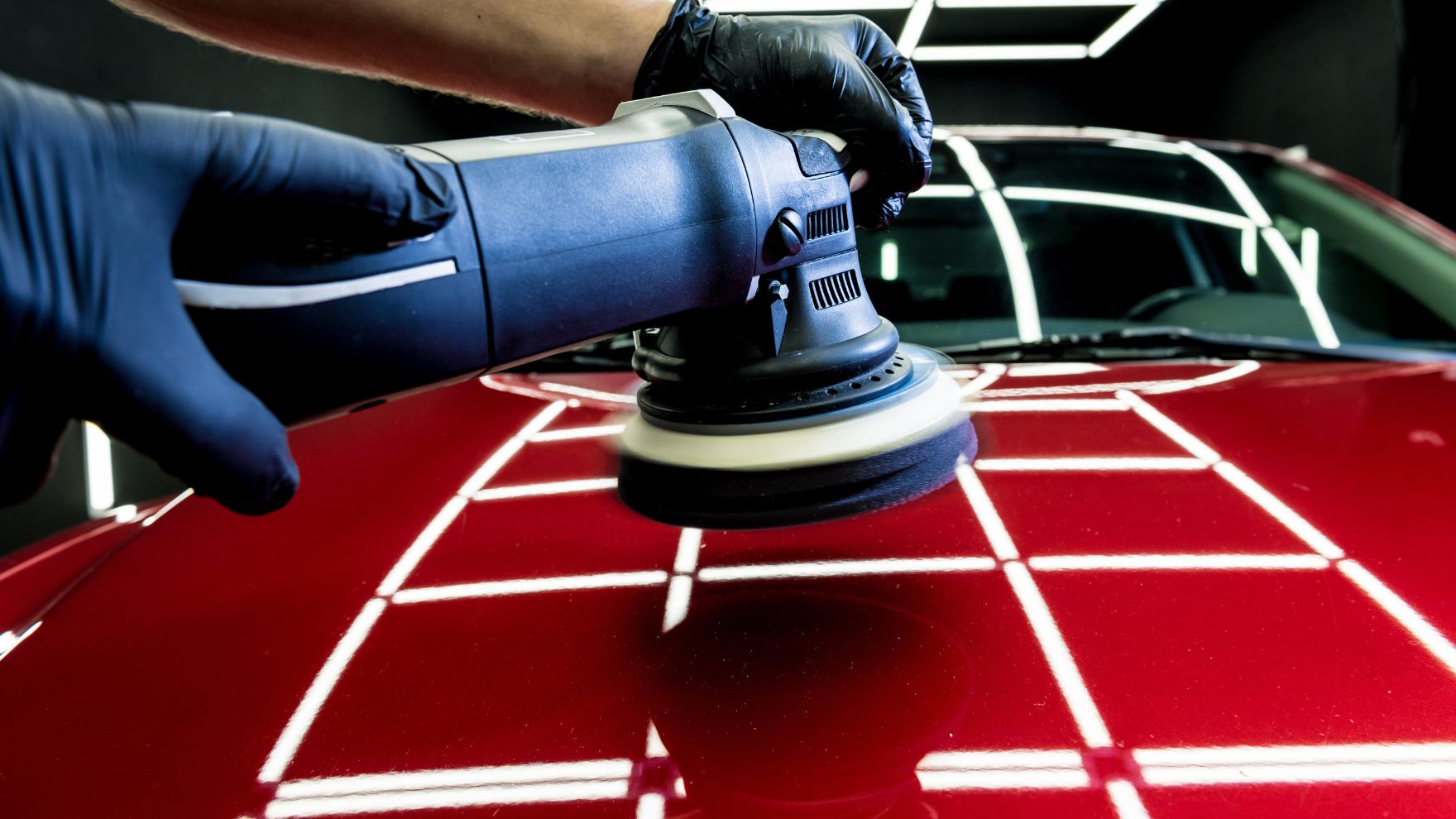
Open Going In, Enclosed Coming Home
The economics of a restoration move are asymmetric, and the method should be too.
Project to shop: open transport is usually right. A car heading for bare metal does not need protecting from road spray, and the money belongs in the build. The exceptions: missing glass or an open interior, where weather does real harm. Then a sealed trailer earns its cost even inbound.
Shop to home: this is a different vehicle. Fresh paint that has not fully cured, new chrome, a finished interior: enclosed transport with soft straps over the tires, a lift gate if it sits low, and a cargo insurance limit checked against what the car is now worth, which may be multiples of what it was worth going in. Update the agreed value with your insurer before the truck comes, not after. The full method decision lives in our guide to collector car shipping.
Paperwork for a Car the State Forgot
Projects arrive with title situations: a bill of sale only, a title in a dead man’s name from an estate, a barn find with nothing. For transport, this is workable. The carrier needs the VIN, a description, and clear authorization from whoever releases it, not a registration. For the barn find, photograph the VIN plate before booking; on older cars it is not where anyone expects.
The release point matters more than the paper. An estate sale, a storage yard, a seller’s back field: confirm who will be there, what they need to hand it over, and whether the ground will take a truck. A winch reaches into a barn; it does not reach across a soft lawn that will not hold a rig, and the tow to the roadside is a cost to arrange ahead, not discover on the day. The loading mechanics are covered in shipping a vehicle that does not run.

Timing deserves a sentence, because project moves have slack that ordinary moves do not. A shop with a six-week backlog does not need the car tomorrow, and a finished build coming home rarely has a deadline beyond eagerness. Use that: a wide pickup window on a winch job gets you the carrier who does this well rather than whoever is nearest, and off-peak months move project traffic noticeably cheaper than the summer rush. The one date that is real is the shop’s. Confirm when they can actually receive and store the car, because a project delivered to a full shop sits outside in exactly the condition you were paying to change.
Photograph Like an Archivist
Condition documentation does double duty on a project. It is the transport record (every panel, the underside if you can, existing damage in detail) and it is the restoration record: shops want the same photographs, insurers writing agreed-value policies want them, and the eventual buyer wants the before. Shoot once, in daylight, thoroughly, and the same set serves all three.
At delivery, walk it before signing, against the photos. On a car covered in patina, distinguishing forty years of marks from one bad strap is exactly as hard as it sounds, which is why the pickup photos are the whole case.
Common Questions
Can a half-disassembled car be shipped? Yes, declared as what it is: what runs, rolls, steers and brakes, and what is attached. Surprises at the curb are repricing events.
Can parts travel inside the car? They can, uninsured and unwelcome. Palletize and ship them as freight instead. A drivetrain travels bolted to a pallet, not loose in a trunk.
Open or enclosed for a project? Usually open going to the shop and enclosed coming home, when fresh paint and the new agreed value justify it.
What if there is no title? Transport needs the VIN, a description and release authorization, not a registration. Sort the title for the DMV, separately.
What about a barn find that will not roll? It moves by forklift, skates or tilt deck, arranged at both ends, and the ground at the pickup has to hold a truck.
Get a Quote
Call Ship A Car, Inc. at (866) 821-4555 with both zip codes, what the vehicle can and cannot do, and your date range, or price the move with the instant calculator.