Shipping a Car Between Georgia and Hawaii
This is two moves, not one: overland from Georgia to a West Coast port, then by ship to Honolulu. There is no direct sailing from the Southeast, so the car crosses the country by carrier first and joins a vessel at Long Beach or Oakland, with an onward barge if you are headed to Maui, Kauai or the Big Island. Door to door, plan on three to five weeks. The rule that catches people out is federal and absolute: the vehicle travels empty, and anything left inside will hold up the whole shipment.
The Route, Leg by Leg
Understanding the shape of it explains both the timeline and the price.
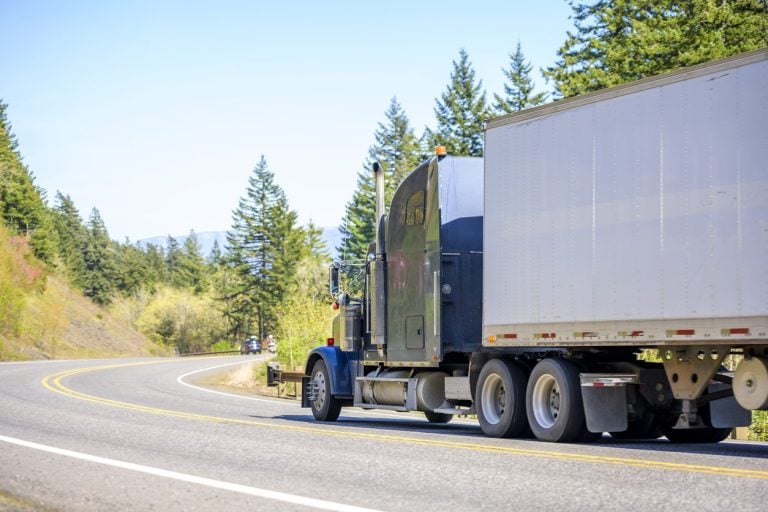
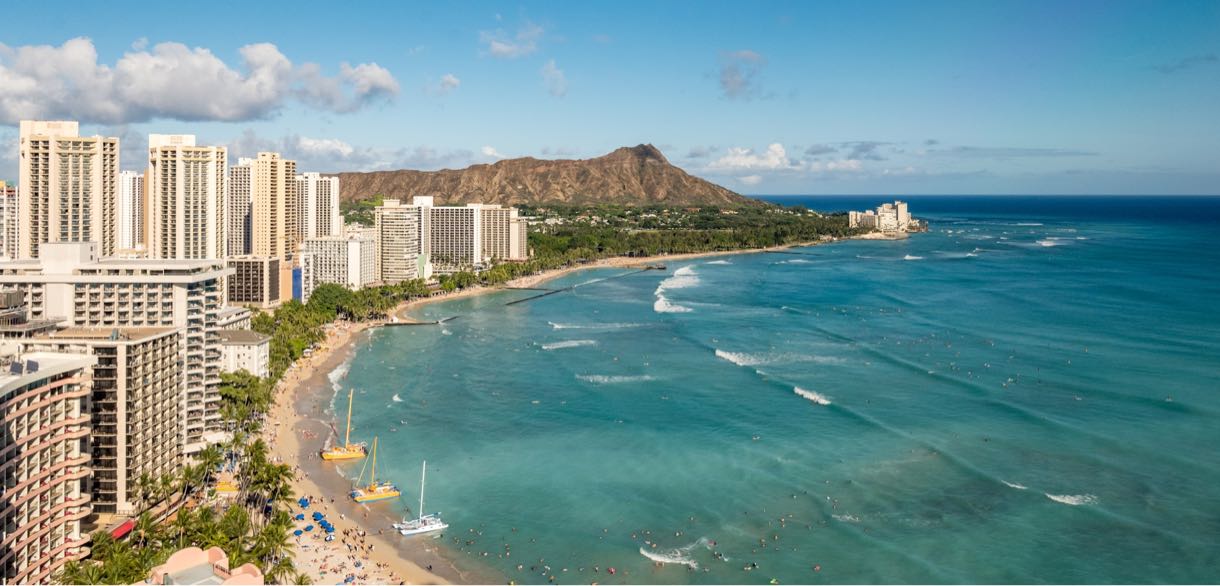
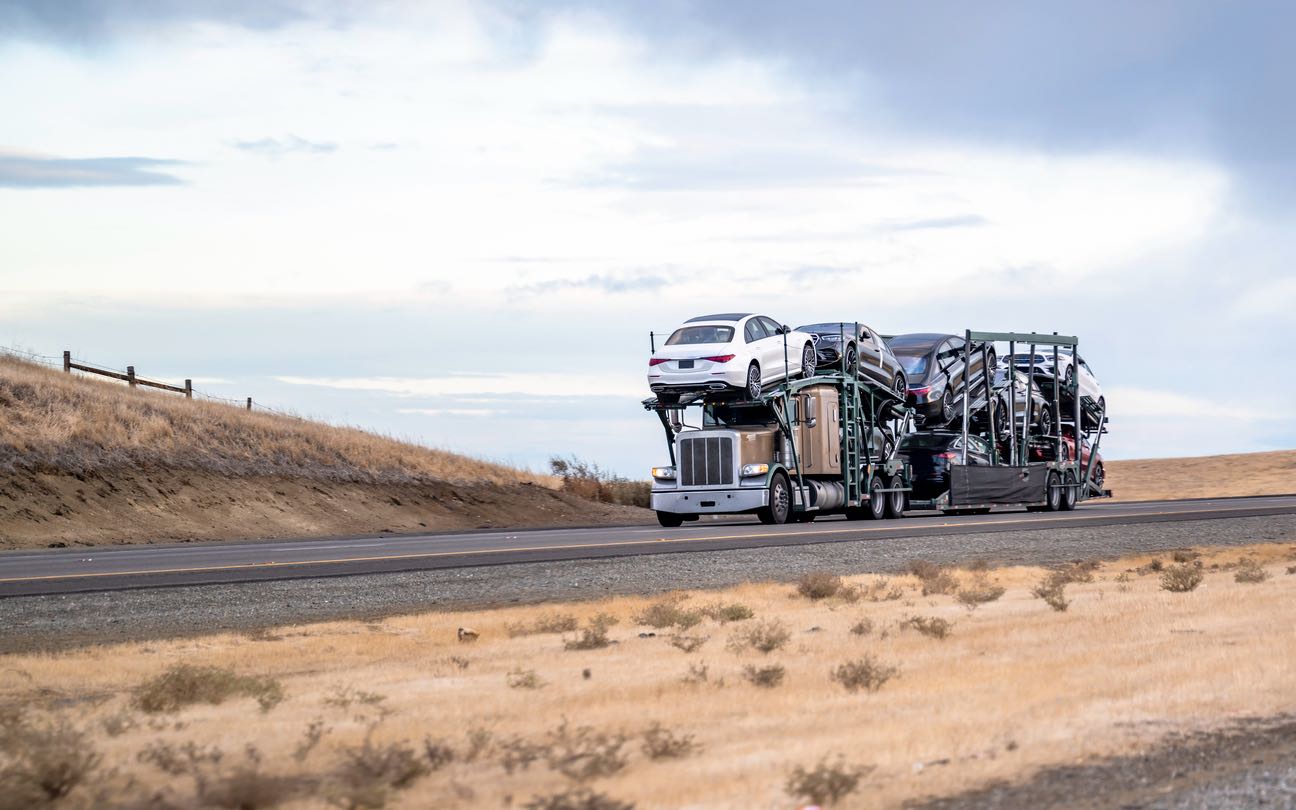
Your car is collected in Georgia and driven roughly 2,200 to 2,500 miles to the port, usually Long Beach or Oakland. It is then booked onto a sailing, which runs to a fixed weekly schedule rather than departing whenever your car arrives, so a day or two of waiting at the port is normal rather than a delay. The ocean leg to Honolulu takes a little under two weeks. If you are going to a neighbor island, an inter island barge adds one more leg.
Savannah is a major port but not for this route. Trans Pacific vehicle service runs from the West Coast, which is why the overland leg exists at all.
Timeline and Cost
The barge figures below are planning estimates; the road and ocean rows are our own: the road leg is our band for a 2,000 to 2,500 mile move booked between September 2025 and August 2026, and in the book since 2023 the middle half of West Coast sailings to Hawaii was booked at $1,650 to $2,350, and Matson publishes 14 to 32 days for the connecting barge to Kahului, Hilo or Nawiliwili.
A full size truck or SUV adds meaningfully on both legs, because ocean rates are calculated from the vehicle’s measured dimensions rather than charged as a flat rate. A vehicle that will not start or roll adds handling charges at each transfer point.
The Car Travels Empty
This is not a preference and it is not negotiable. Vehicles on trans Pacific sailings must be empty of personal belongings apart from factory installed equipment. Ocean carriers check, and a car found loaded is held until it is emptied, which means missing its sailing and waiting for the next one.
Empty means empty: no boxes, no clothing, no tools, nothing loose in the trunk or glovebox. Take out aftermarket electronics and anything valuable, and remove roof racks and bike carriers, since those change the measured dimensions your ocean rate is based on. Fuel should be at or below a quarter tank.
Hawaii Also Inspects for Soil
A detail specific to this route and easy to miss. Hawaii takes agricultural biosecurity seriously, and arriving vehicles must be free of soil, plant material and pests.
In practice the car needs to be genuinely clean, including the wheel wells and the undercarriage, before it is handed over. A thorough wash costs very little and avoids a cleaning charge or a hold at the far end. If the car has been off road or parked on grass, pay particular attention underneath.
Paperwork to Have Ready
Ocean carriers require more documentation than a domestic move, and a missing document is the most common cause of a missed sailing.
- The original title or current registration. Photocopies are generally not accepted.
- Photo identification matching the name on the paperwork.
- A lien authorization letter if the vehicle is financed or leased. Request it early, because lenders often take a week or more to issue one.
- A notarized letter of authorization if anyone other than the registered owner is delivering or collecting the vehicle.
The lien letter is the one that most often delays a shipment. Ask for it as soon as you decide to move, not once the car is already heading for the port.
Registering It in Hawaii
Once the car lands, Hawaii requires a safety inspection and registration within a short window of arrival, currently 30 days for new residents. The safety check is straightforward for a well maintained vehicle and is carried out at licensed stations across the islands.
Confirm the current requirements with the county you are moving to, because Hawaii administers registration at county level and the details differ between Honolulu, Maui, Kauai and Hawaii County.
Coming Back the Other Way
Hawaii to Georgia is the same process in reverse and takes about as long. Two differences are worth planning around.
If you are on a neighbor island, the barge to Honolulu has to happen first, so start earlier than feels necessary. And the cleanliness requirement applies leaving as well as arriving, so the car needs the same wash before handover. Book three to four weeks ahead in either direction, since sailings run to a fixed schedule and missing one costs a week rather than a day.
Common Questions
How long does it take? Three to five weeks door to door, longer to a neighbor island. Most of that is the overland leg plus waiting for a sailing.
Can I ship from Savannah? No. Trans Pacific vehicle service runs from the West Coast, so the car travels overland first.
Can I put belongings in the car? No. Vehicles must be empty, and a loaded car misses its sailing.
Does the car need to be clean? Yes, genuinely clean including underneath. Hawaii inspects for soil and plant material.
What if my car is financed? You need a lien authorization letter from the lender, and it often takes over a week to obtain.
How soon must I register it in Hawaii? Within about 30 days of arrival, with a safety inspection. Check your county for current rules.
Get a Quote
Call Ship A Car, Inc. at (866) 821-4555 with your Georgia zip code and the island you are going to, or let the quote calculator email you an estimate covering the mainland leg.