Alaska Auto Transport: How to Ship a Car to Alaska
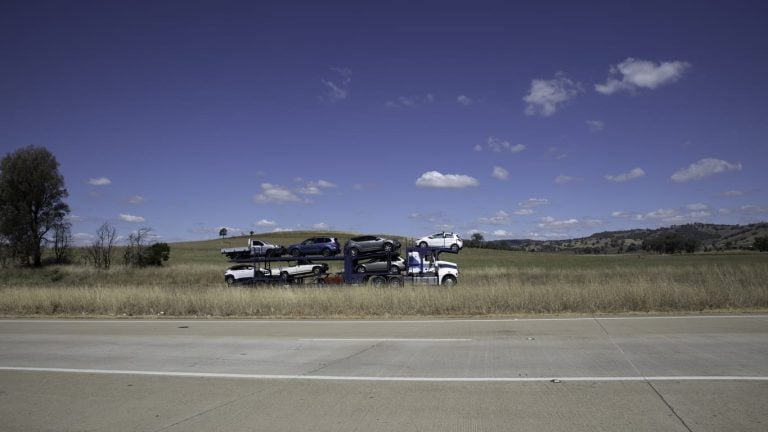
Every car going to Alaska travels by more than one mode, and understanding that is most of what you need to know. There is no single truck that drives from Ohio to Anchorage. The vehicle trucks to a West Coast port and sails, or it trucks to Seattle and then drives the Alaska Highway, or some combination. The route determines the cost, the timing and what can go wrong.
The Two Real Routes
Almost everything moves one of two ways, and which one applies depends on where you start and when.
The ocean route is the common one. The vehicle trucks to Tacoma or Seattle, sails to Anchorage, and is collected there or trucked onward. Sailings are regular and the crossing takes several days. This is the default for most of the country and the only sensible choice in winter.
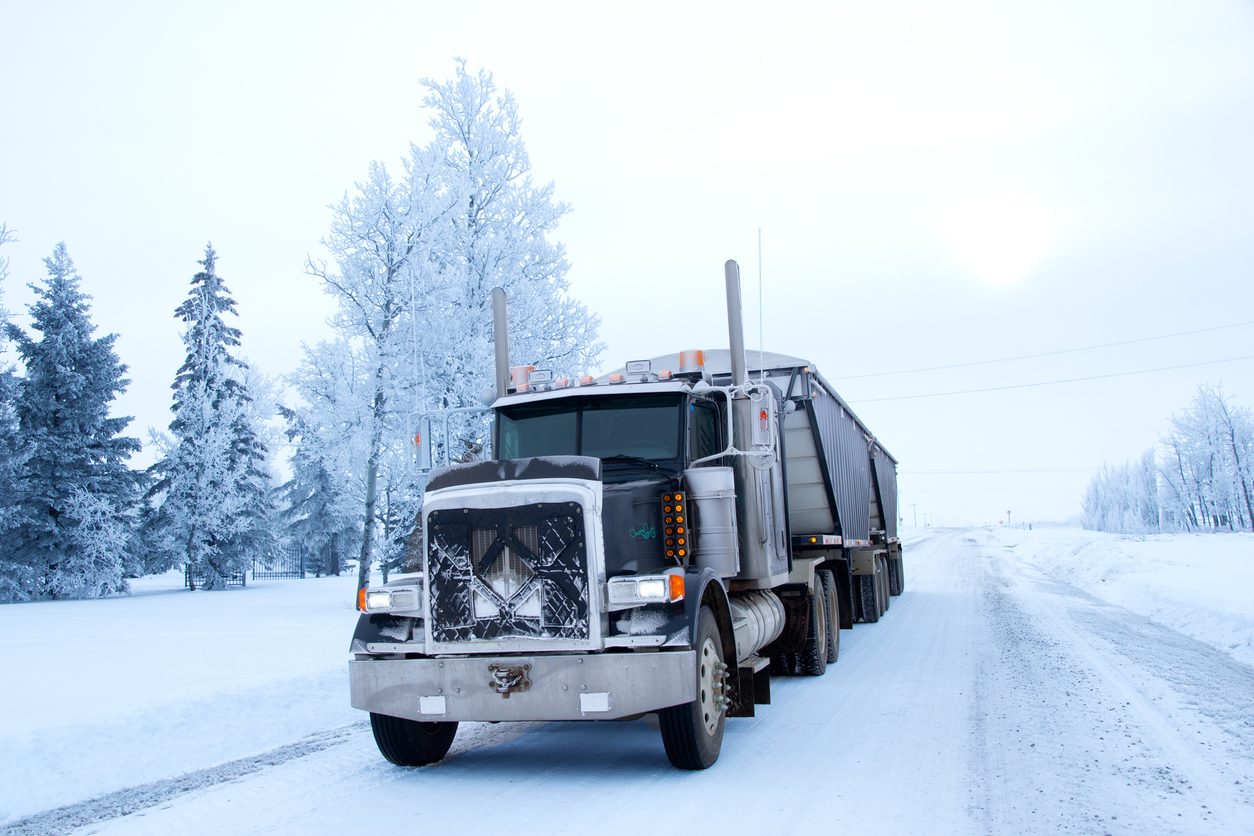
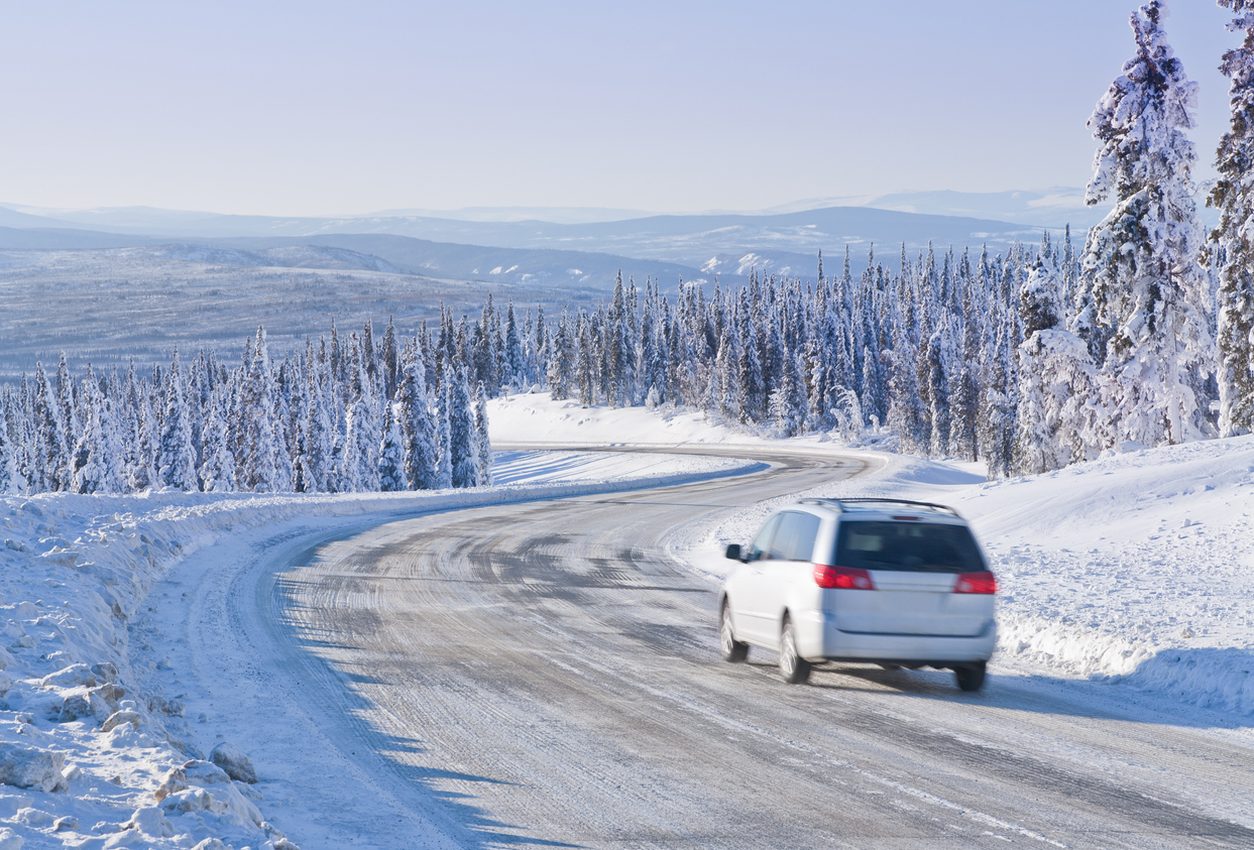
The overland route runs up through British Columbia and the Yukon on the Alaska Highway, roughly 1,400 miles of it from the border, and it is genuinely remote road with long gaps between services. It suits summer moves and vehicles bound for interior destinations, and it is affected by weather far more than an ocean sailing.
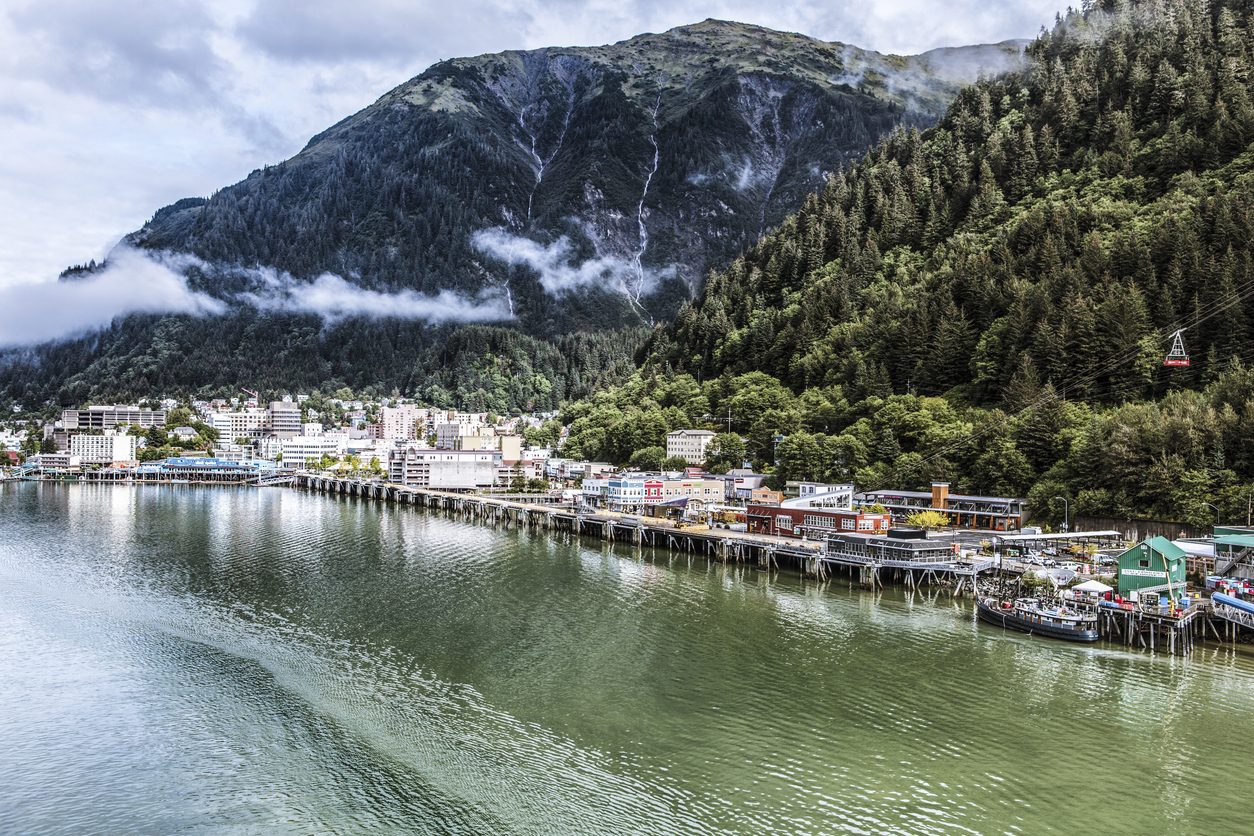
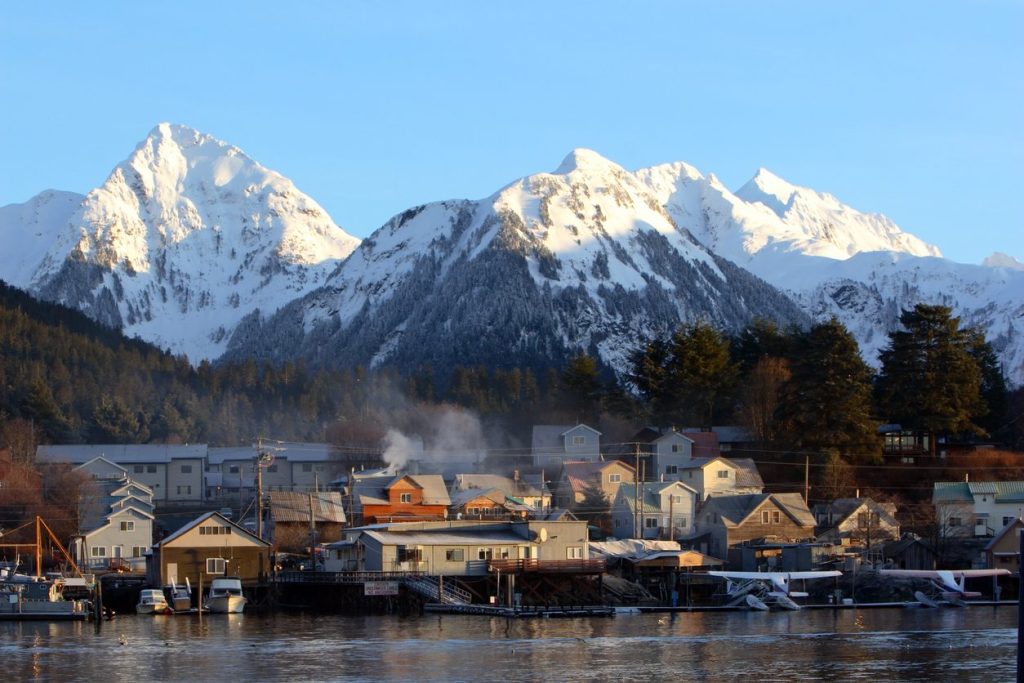
Southeast Alaska is a third case. Juneau, Ketchikan and Sitka are not connected to the highway network at all, so vehicles reach them by barge, usually via Seattle. Anything going there is an ocean move by definition.
How Long It Takes
Plan on two to four weeks door to door and the estimate will hold. Anything quoted much faster deserves a question.
Break it down and the number makes sense. Getting the vehicle to a West Coast port takes a few days from California and five to seven from the East Coast, plus time for a carrier to be assigned. Then the vehicle waits for a sailing, which is where much of the time actually goes, since vessels do not leave daily. Then the crossing itself, then port processing and release at the far end.
Anchorage is the fastest destination because it is the main port. Fairbanks adds an overland leg. Southeast Alaska depends on barge frequency to the specific town, which can be the longest wait of all.
What It Costs and Why
Alaska is more expensive than a comparable distance in the lower 48, and the reasons are structural rather than anybody’s markup.
The ocean leg is a fixed cost that does not shrink. The lane is thin, so there is less competition than on a mainland corridor. And the imbalance matters: more vehicles go north than come south, which means carriers frequently run one direction with less to carry.
Vehicle size drives the rest. Ocean freight is priced on space, so a full size truck or SUV costs meaningfully more than a compact car, more so than the same difference would cost on a mainland move. Season matters too: summer is peak, and rates and lead times both rise.
Preparing a Car for Alaska
The preparation is stricter here than for an ordinary move, and two items are specific to this lane.
Vehicles must be clean, including the undercarriage, because agricultural and customs inspection applies. Soil and plant material can get a vehicle held. And if the route crosses Canada, the vehicle passes through a foreign country, which means the title or lienholder authorization, registration and identification all have to be in order before it leaves.
Beyond that: about a quarter tank of fuel, the cabin and trunk emptied since personal items are not covered by cargo insurance, mirrors folded, a motion sensitive alarm disabled, and a key handed over.
Photograph every panel in daylight, including the wheels, the lower bumpers and the rocker panels, which are what loading marks. At delivery, inspect before signing and note anything unexpected on the bill of lading while the driver is present.
Where You Actually Collect the Car
Door to door means something different in Alaska than it does in the lower 48, and it is worth settling before you book.
Anchorage has the port and the road network to support ordinary delivery, so a vehicle can usually be brought to an address there. Outside it, the picture changes quickly. Many Alaska communities sit at the end of long roads or none at all, winter conditions close access for stretches at a time, and a full size hauler cannot reach a great many properties.
The normal arrangement for most destinations is collection at the port or a terminal, either by you or by somebody you name. If you will not be in the state when the vehicle lands, arrange that person in advance and make sure they can inspect it and sign for it, because whoever signs the bill of lading is accepting the condition of the vehicle.
Ask what the storage terms are at the terminal too. Free days are limited and the charges after them accumulate quickly, which is the most common unpleasant surprise on this lane.
Getting the Car Ready for the Climate
This is the part that is worth doing before the vehicle leaves rather than after it arrives, because parts and appointments are both harder to come by up there.
Check that the coolant is rated for the temperatures the vehicle will actually see, and that the battery is healthy, since cold is what kills a marginal battery. Consider an engine block heater if the vehicle does not have one, because much of Alaska treats them as standard equipment rather than an accessory, and plug in posts in parking lots exist for exactly that reason.
Winter tires are a genuine requirement rather than a preference in most of the state. Buying them before the move and having them fitted, or shipping them with the vehicle if the carrier allows it, is usually easier than sourcing them on arrival in October.
Open or Enclosed
Open transport carries most vehicles on this lane and it is the sensible default. The ocean leg is where the vehicle actually spends its time, and it is secured on a deck rather than exposed to road spray.
Enclosed is worth the premium for a collector vehicle or anything with fresh paintwork, and it has one Alaska specific argument: the overland route puts a car through 1,400 miles of gravel damage and road treatment that an enclosed trailer removes entirely. For the wider picture, see our guide to shipping a car to Hawaii, which shares much of the ocean freight logic.
Common Questions
How long does it take? Two to four weeks door to door for most of the country, including the trucking leg and the wait for a sailing.
Can a truck drive the whole way? Only on the overland route through Canada, and that suits summer moves. Most vehicles sail from Tacoma or Seattle.
Why does it cost more than a mainland move? A fixed ocean leg, a thin lane with less competition, and a north south imbalance in demand.
What about Juneau or Ketchikan? Southeast Alaska has no highway connection, so vehicles arrive by barge and the schedule depends on the specific town.
Does the car need to be clean? Yes. Inspection applies, and soil or plant material in the undercarriage can get a vehicle held.
Get a Quote
Call Ship A Car, Inc. at (866) 821-4555 with your origin zip code, the Alaska city you are shipping to and the date you need the vehicle there, or request an estimate for the move through the quote calculator.