Here’s Why SAC is the Smart Choice for Dry Van Shipping Services

Full 53 Foot Capacity

Up to 26 standard pallets and roughly 45,000 pounds of freight in one enclosed trailer, sealed from dock to dock.

FTL or LTL, Priced Honestly

Full truckload when you fill the trailer, less than truckload or partial when you do not; we quote both when the math is close.

Sealed and Weather Tight

Hard walls, a locking swing or roll door, and a sealed box from dock to dock. No deposit is taken until a carrier is assigned to your move.

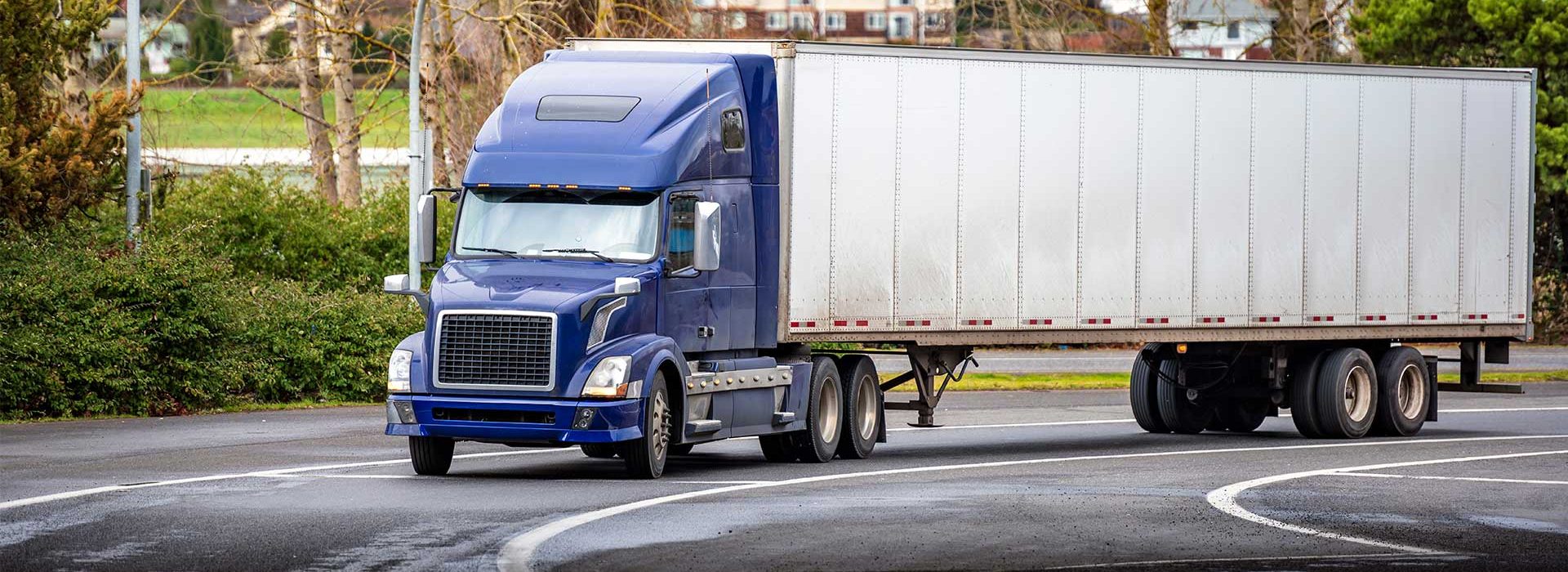
Dry Van Semi truck

What Dry Van Transport Covers

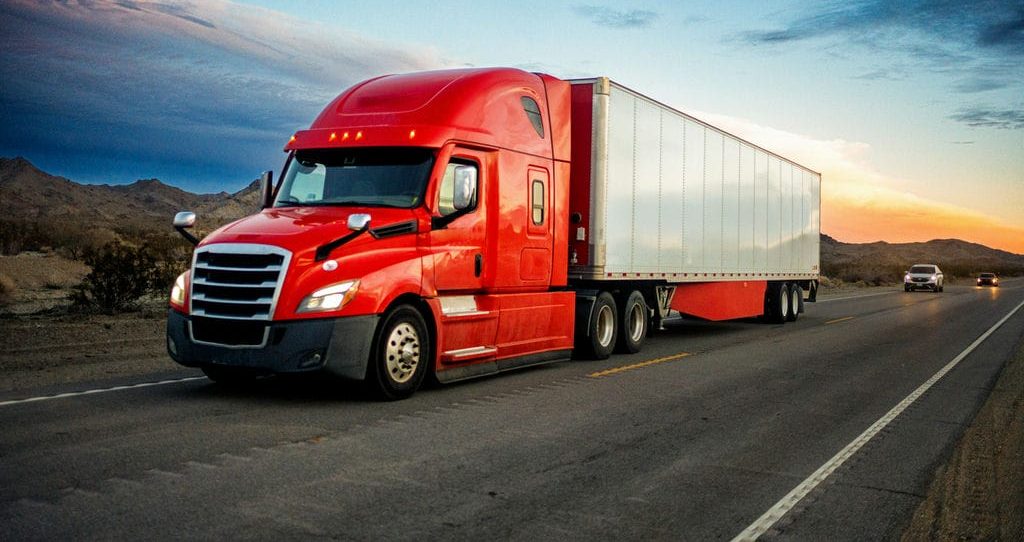
A dry van is the standard enclosed 53 foot highway trailer: about 100 inches of interior width, roughly 110 inches of clear height, room for 26 standard 48 by 40 pallets on the floor, and a practical payload around 43,000 to 45,000 pounds. No temperature control, just a hard-sided, lockable, weather-tight box, which is exactly what most palletized and boxed freight needs.

Full Truckload or LTL, Matched to the Shipment

If your freight fills the trailer or you want it riding alone, full truckload gives you one driver, one sealed door, and a direct run. If you are shipping a few pallets, less than truckload moves them through a terminal network at a lower price on a longer, less predictable schedule. Your coordinator prices the option that actually fits the shipment.

Why Clients Trust Ship A Car Inc.

How Dry Van Differs from the Rest of the Fleet

The dry van is the default trailer of American freight because it protects cargo without special handling. Against a flatbed, you trade crane access and oversize capacity for weather protection and security. Against a refrigerated trailer, you give up temperature control and save money, so anything shelf stable should ship dry. Against a box truck, you gain double or triple the pallet count on long lanes. Against a Conestoga or a curtain side, you lose side and top loading but gain a lower rate and far more available trucks. When a shipment sits at the edge of two options, we price both and show you the difference before you commit.

Preparing Freight for Dry Van Pickup

Stack to standard 48 by 40 inch pallets where you can, keep individual pallets under about 96 inches tall so they clear the door with margin, stretch wrap tight to the pallet, and band or corner board anything that can shift. Heavy items go on the bottom and the weight is spread across the floor rather than stacked over one axle. Label every pallet with the destination and the piece count, and have the bill of lading data ready: weight, dimensions, piece count, freight class for less than truckload, and reference numbers. Accurate numbers at booking are what keep the delivered invoice identical to the quote, and a pallet that is described honestly is a pallet that is not reweighed and rebilled.

Tracking, Seals, and Accountability

Every dispatched carrier is FMCSA licensed with active cargo insurance, verified before pickup. Full truckload shipments can run under seal from your dock to the consignee, with the seal number recorded on the bill of lading, and your coordinator relays check calls and delivery confirmation as the load moves. Inside the trailer, load bars, straps, or airbags keep pallets from shifting, and the driver is responsible for the count at pickup. If anything arrives short or damaged, note it on the delivery receipt at the door before signing; that single line is what makes a freight claim straightforward instead of a fight, and a clean receipt is treated as a clean delivery.

Transit Times and Scheduling

A full truckload runs on the driver’s clock: roughly 500 miles a day under the federal hours of service, so a coast to coast load takes about five days and a regional load one or two, with a team driver available when the deadline is tighter. Less than truckload moves through terminals and adds days for the handling, and the transit estimate is a standard, not a guarantee. Appointments at both ends are set at booking, and the truck arrives inside the window; a dock that is not ready when it does is detention time. If you need the freight to arrive on a specific morning, say so, and the coordinator plans the pickup date backward from it.

Full Truckload or Less Than Truckload

Full truckload means the trailer is yours from your dock to the consignee: one pickup, one delivery, no cross docking, and the option to run under seal. It is the right answer past about 10 to 12 pallets, for anything fragile, and for anything with a firm delivery appointment. Less than truckload puts your pallets on a trailer with other shippers’ freight through a terminal network; it is cheaper for a few pallets and slower, with more handling, and the freight has to be packaged for it. Partial truckload sits between the two: a dedicated truck shared with one or two other shipments on the same lane, no terminals, priced by the space you use. When a shipment sits near the line between two options, we price both and show you the difference before you commit.

Who Ships Dry Van Freight With Us

Manufacturers and distributors moving palletized product between plants, warehouses, and retail distribution centers; businesses relocating a warehouse or an office with racking, inventory, and furniture in the same trailer; auction and liquidation buyers clearing a facility; exhibitors moving crated trade show freight on a hard deadline; and equipment shippers moving boxed parts and attachments that would ride exposed on a flatbed. Many are the same customers who move vehicles and equipment with us, and one coordinator can hold the dry van booking alongside the open deck load and line up the dates.

Dry Van Questions We Answer Every Week

How many pallets fit? Twenty six standard pallets single stacked in a 53 foot van, more if they can be double stacked. How tall can a pallet be? Under about 96 inches to clear the door with margin. Do I need a dock? No; a liftgate truck or a driver with a pallet jack handles a ground level pickup, at a small added cost. Can it run under seal? Yes, on a full truckload. Full truckload or less than truckload? Past about 10 to 12 pallets, or anything fragile or time critical, full truckload; a few pallets, less than truckload or partial. What does it cost? Lane, weight, pallet count, and handling at each end set the price, so the calculator gives a starting figure and the coordinator firms it before dispatch. Is it insured? Every carrier carries active cargo insurance that we verify before assignment.

Book Dry Van Transport with Ship A Car, Inc.

Tell us the pallet count, the weight, both ZIP codes, and the dock situation at each end, and we will price full truckload and less than truckload side by side where it is close. Start with the freight shipping cost calculator or call (866) 452-3657 and a dedicated coordinator will handle the rest. Freight that needs side loading rides on our Conestoga trailers, and the full range of trailers is on our trailer shipping page.

From the quote to your driveway.

Lock in your price today

CALCULATE YOUR SHIPPING RATE IN 3 EASY STEPS!
Ready to transport your dry van with SAC?
Continue

Ready to set up your transport with SAC Today?

Our transport representatives are available by calling (866) 452-3657 to answer all your questions.
Get an instant quote NOW
All Alaska & Hawaii Classic Cars Heavy Haul Industry News Luxury Cars Military Specialty Transport Tips-Tricks Useful
This website uses cookies to ensure you get the best experience. Learn More.