Here’s Why SAC is the Smart Choice for Double Drop Shipping Services

Built for Tall Freight

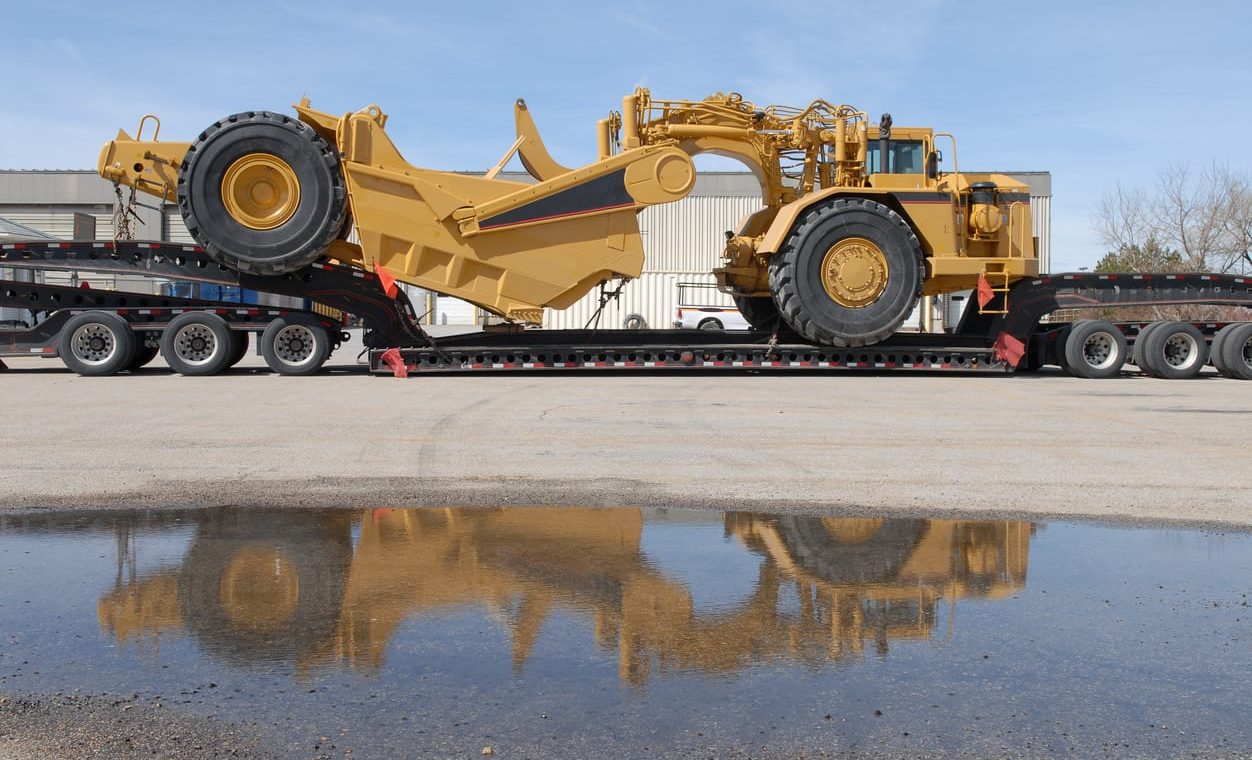
The well of a double drop puts your freight 18 to 24 inches off the pavement, the lowest ride on any common open deck.

Permits Priced In

If the load still runs over height or over width in the well, we pull the state permits and build them into the quote up front.

Verified Carriers Only

Every double drop carrier we dispatch is FMCSA licensed and insurance verified, with securement gear matched to your load. No deposit is taken until a carrier is assigned to your move.

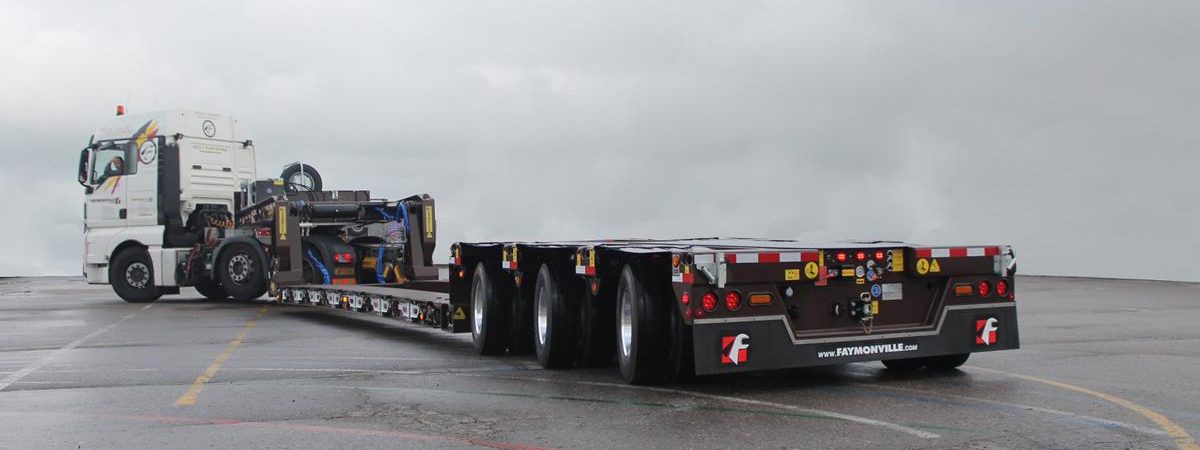
Double drop trailer with freight loaded in the low center well

Double Drop Shipping for Over-Height Freight

Ship A Car, Inc. arranges double drop shipping nationwide for loads that are simply too tall for a flatbed or step deck: excavators, drill rigs, tanks, presses, and plant machinery. Since 2012 we have matched this kind of freight to vetted, FMCSA-licensed open-deck carriers. Every quote is priced for the specific piece, lane, and permit picture, then locked before dispatch, and you work with one dedicated coordinator from booking to delivery.

Dimensions First, Then the Right Trailer

Every double drop move starts with four numbers: the height, width, length, and weight of the freight. From there your coordinator confirms whether the piece rides legal in the well or needs permits, whether loading is by crane or drive-on, and which trailer configuration fits. When the numbers are close, we also price the load on a step deck, because the more common trailer is often cheaper and faster to cover, and the honest answer is the right truck, not the tallest one.

Why Clients Trust Ship A Car, Inc.

Loading a Double Drop: Crane, Forklift, or Drive On

A fixed neck double drop loads from above or from the side, so a crane or a forklift with the reach and the capacity for the piece has to be at both ends, and the coordinator confirms that before the truck is booked. A detachable neck version lets a machine drive or be winched into the well from the front, which is why tall self propelled equipment usually goes on an RGN. The well floor is lower than a loading dock, so dock loading does not work; the truck needs a firm, level spot the length of the trailer and a swing radius for the crane. Tell your coordinator what lifting equipment is at each end, what the piece weighs, and where its lifting points are, and the loading plan is settled before pickup day.

Matched to Your Load and Timeline

We confirm the exact dimensions, select the trailer configuration that fits, and plan the route around it. Need drive on loading, a stretch well, or a multi axle setup for extra weight? Our carrier network covers the variations, and your coordinator stays reachable through the whole move, not just at booking. Double drop trailers are a small slice of the national fleet, so lead time helps: a tall load booked a week or two ahead gets the right trailer on the right day, while a same day request competes with every other tall load in the region. Tarping is available for weather sensitive pieces, and the tarp height is counted in the permit math so it never becomes a surprise at a bridge.

Securement Built for Tall Loads

Tall freight carries a high center of gravity, so securement is not an afterthought. Loads are chained and strapped to the federal cargo securement standards, with the working load limit of the tie downs adding up to at least half the weight of the piece, edge protection where straps cross the piece, blocking and bracing against the well walls where the shape allows it, and the driver rechecks the tie downs within the first 50 miles of the trip, as the rules require. Machines are chained at their frame points with the boom or the bucket lowered; vessels and skids are chained at rated lifting lugs, never at piping or housings. Condition is documented on the bill of lading at pickup and delivery, so the record is there if you ever need it.

Permits, Routes, and Travel Windows

A load that is still over height or over width in the well needs a permit in every state it crosses, and each state writes its own book: daylight only travel in some, no weekend or holiday movement in others, height poles and escorts past certain widths, and route restrictions around low bridges and construction. The route for a tall load is surveyed against known clearances before the permit is filed, because a 13 foot 4 inch load and a 13 foot 2 inch bridge is a very expensive meeting. Your coordinator files the permits for the whole route, builds the travel windows into the schedule, and prices all of it into the quote before dispatch, so the number you approve is the number you pay.

Height, Width, and What the Well Buys You

The math is simple and worth doing on the first call. A step deck at 3 feet 6 inches of deck height carries about 10 feet of legal freight; a double drop well at 20 inches carries about 11 feet 8 inches. That 20 inch difference is the gap between a routine move and a permitted one for a great deal of industrial equipment. Width is a separate question: the well is a standard 8 feet 6 inches wide, so a piece wider than that is a permitted load in any trailer, and past about 12 feet the escort vehicles appear. Weight decides the axle count. A tandem axle double drop carries roughly 40,000 pounds in the well; heavier pieces go on tri axle and multi axle configurations, and the permits and the rate follow the axles.

Who Ships on Double Drops With Us

Equipment dealers and rental houses moving tall machines that will not clear on a step deck, riggers and plant managers relocating presses, tanks, and process skids, utilities moving transformers and switchgear, HVAC contractors delivering rooftop units, ag dealers moving self propelled sprayers, and modular builders shipping sections that were built to the well. Tall freight is where process matters most: the well fits one way, the permits change state by state, and the crane schedule at both ends has to line up with the truck. Our coordinators run those details on every load, which is why the same shippers keep routing their tall freight through us.

Double Drop Questions We Answer Every Week

How tall can the freight be and stay legal? Roughly 11 feet 6 inches in a standard well, a little more in a low well trailer. How long is the well? Usually 25 to 29 feet; stretch trailers extend it. Can a machine drive on? Only on a detachable neck version; a fixed neck loads by crane or forklift. Can the trailer back to a dock? No; the well is below dock height. How much weight? About 40,000 pounds on a tandem, more with additional axles. What does it cost? Height, weight, permits, loading method, and lane set the price, so the calculator gives a starting figure and the coordinator firms it before dispatch. Is it insured? Every carrier carries active cargo insurance that we verify before assignment.

Book Double Drop Shipping with Ship A Car, Inc.

Have the height, the width, the length, the weight, and both ZIP codes ready, plus how the freight loads at each end. Start with the freight shipping cost calculator or call (866) 452-3657; your quote includes any permits and is firm before dispatch. If the piece is long rather than tall, our stretch trailer and beam trailer pages cover those moves, and the full range of decks is on our equipment shipping page.

From the quote to your driveway.

Lock in your price today

CALCULATE YOUR SHIPPING RATE IN 3 EASY STEPS!
Ready to transport your load with SAC?
Continue

Ready to set up your transport with SAC Today?

Our transport representatives are available by calling (866) 452-3657 to answer all your questions.
Get an instant quote NOW
All Alaska & Hawaii Classic Cars Heavy Haul Industry News Luxury Cars Military Specialty Transport Tips-Tricks Useful
This website uses cookies to ensure you get the best experience. Learn More.