The History of Automobile Shipping
Car shipping exists because Henry Ford needed to get cars out of Highland Park faster than they could be driven out, and every method since has been an answer to the same problem: a car is bulky, fragile and worth a lot relative to its weight. The industry that resulted moves millions of vehicles a year on equipment that is recognizably descended from the solutions of the 1920s.
Driveaway: the First Method
In the earliest years there was no such thing as a car carrier, because there did not need to be.
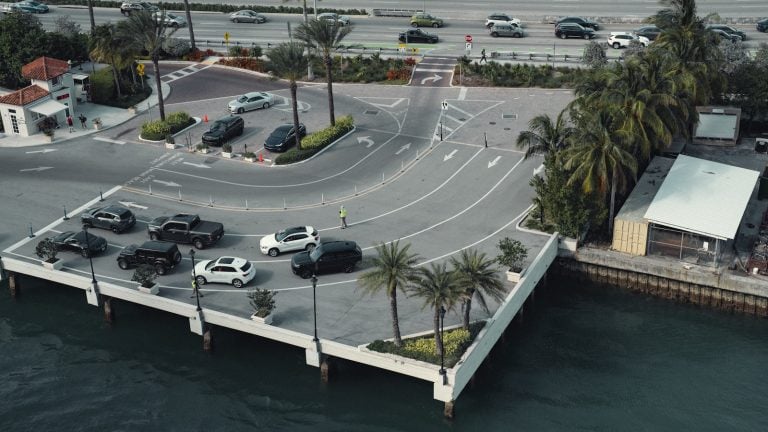
Cars left the factory under their own power, driven by men hired for the trip. It was cheap and needed no equipment at all, but it put hundreds or thousands of miles on a new car before its first owner saw it, over roads that were largely unpaved before the 1920s. Driveaway never disappeared and it is still used today for fleets and for oversize vehicles that cannot practically be hauled.
The Railroads Take Over
As volumes grew, the railroads were the obvious answer, and for decades they were the backbone.
Cars traveled in boxcars, loaded by hand and secured with timber blocking, which was slow and labor intensive. The transformation came in the 1960s with the multilevel autorack, a purpose built railcar that carried cars on two or three decks and could be loaded by driving them straight on. Enclosed autoracks followed, after the industry discovered how much damage vandalism and weather were doing to cars in transit.
Rail still moves an enormous share of new vehicles from plant to regional distribution centers. What it cannot do is deliver to an address, which is where trucking begins.
The Car Hauler
The truck based car carrier appeared in the 1920s and 1930s as roads improved, and it solved the problem rail could not: the last leg.
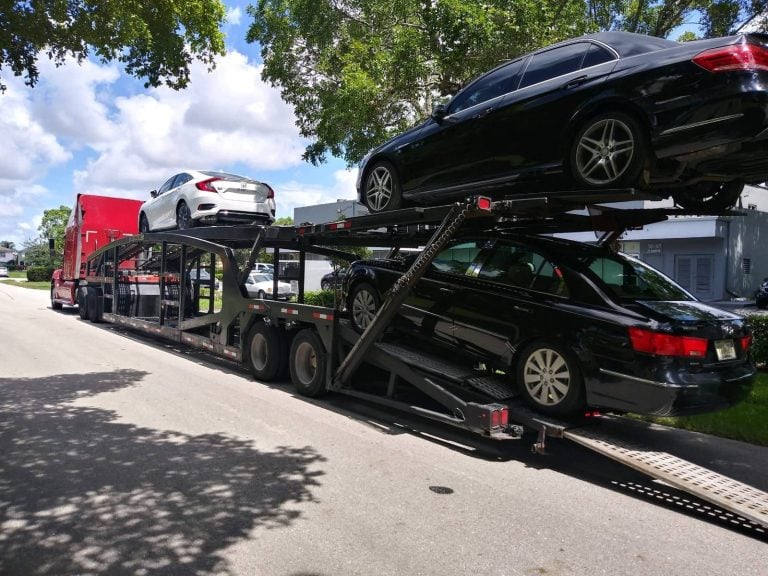
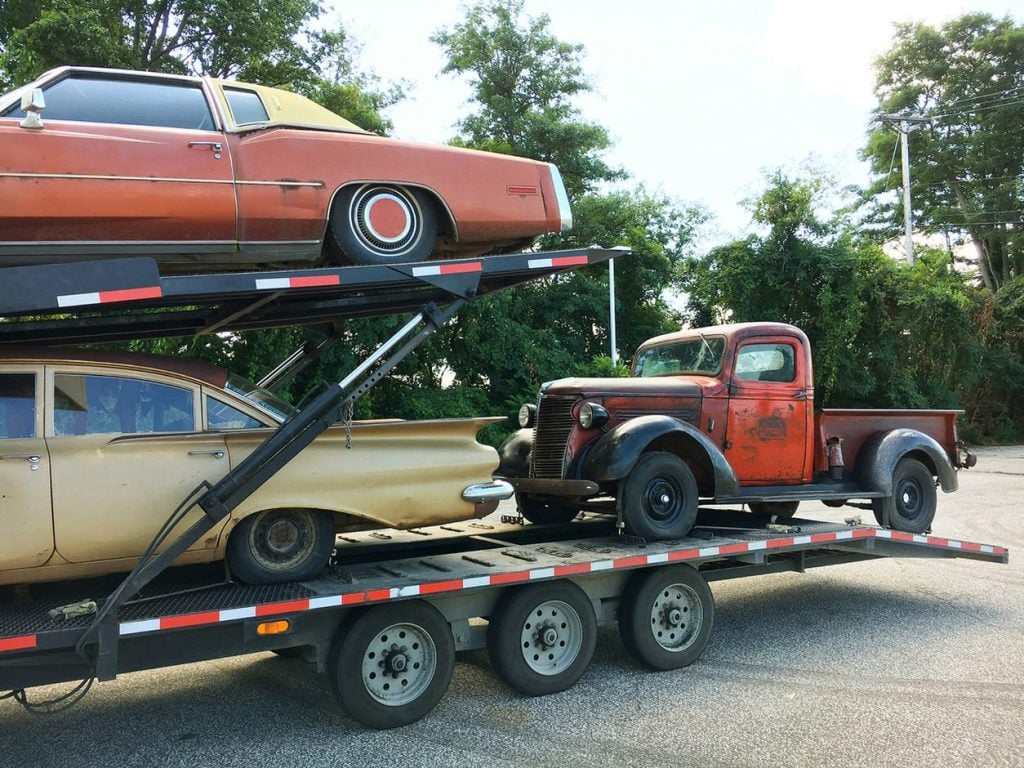
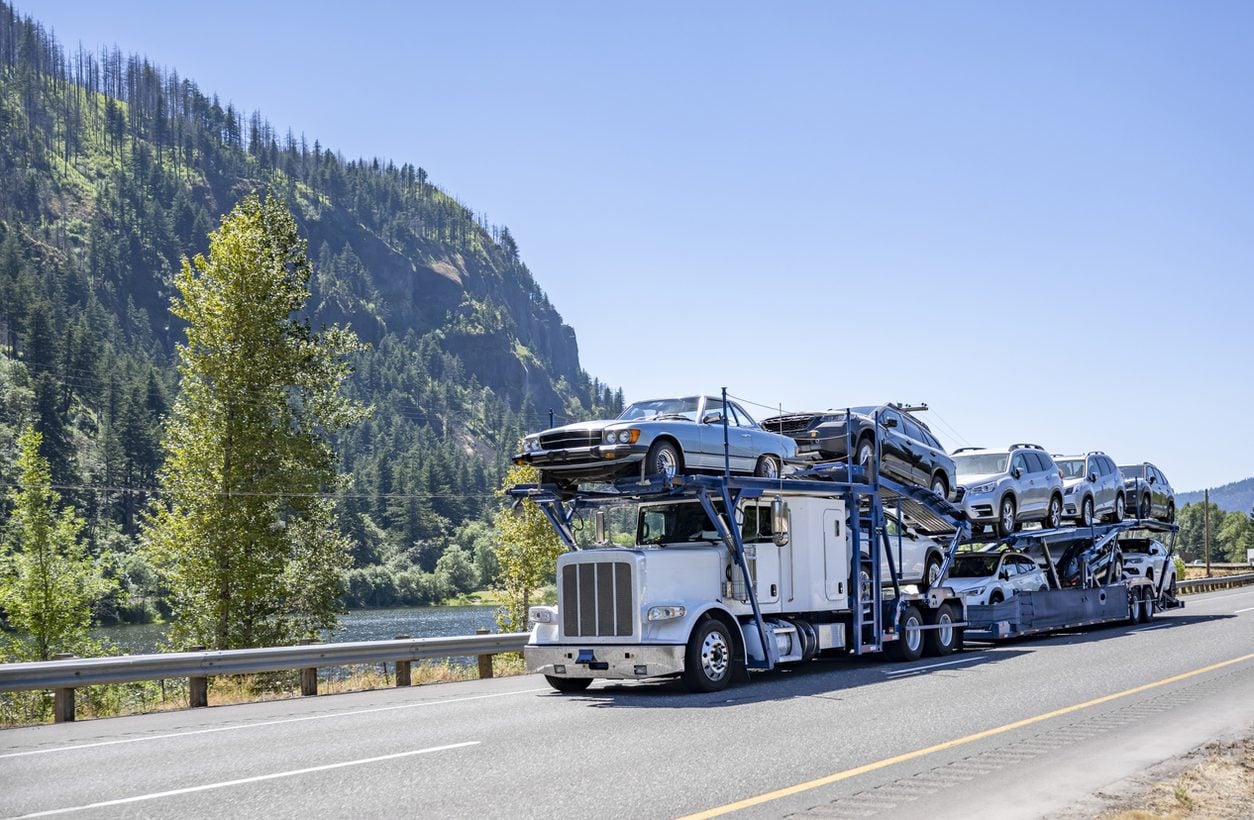
Early haulers carried three or four cars on a rigid frame. The hydraulic multilevel trailer that followed allowed decks to be raised, lowered and angled independently, which is what makes a modern hauler able to carry seven to ten vehicles of different shapes in the same load. That flexibility is the whole design: the decks move to fit the cars rather than the cars being chosen to fit the decks.
Enclosed trailers emerged for high value vehicles, and the open hauler became, and remains, the standard for almost everything else, including nearly every new car delivered to a dealership.
Ships and the Rise of RoRo
Ocean transport of cars began the way rail did, with vehicles crated or lifted aboard general cargo ships by crane. It was slow, expensive and damaging.
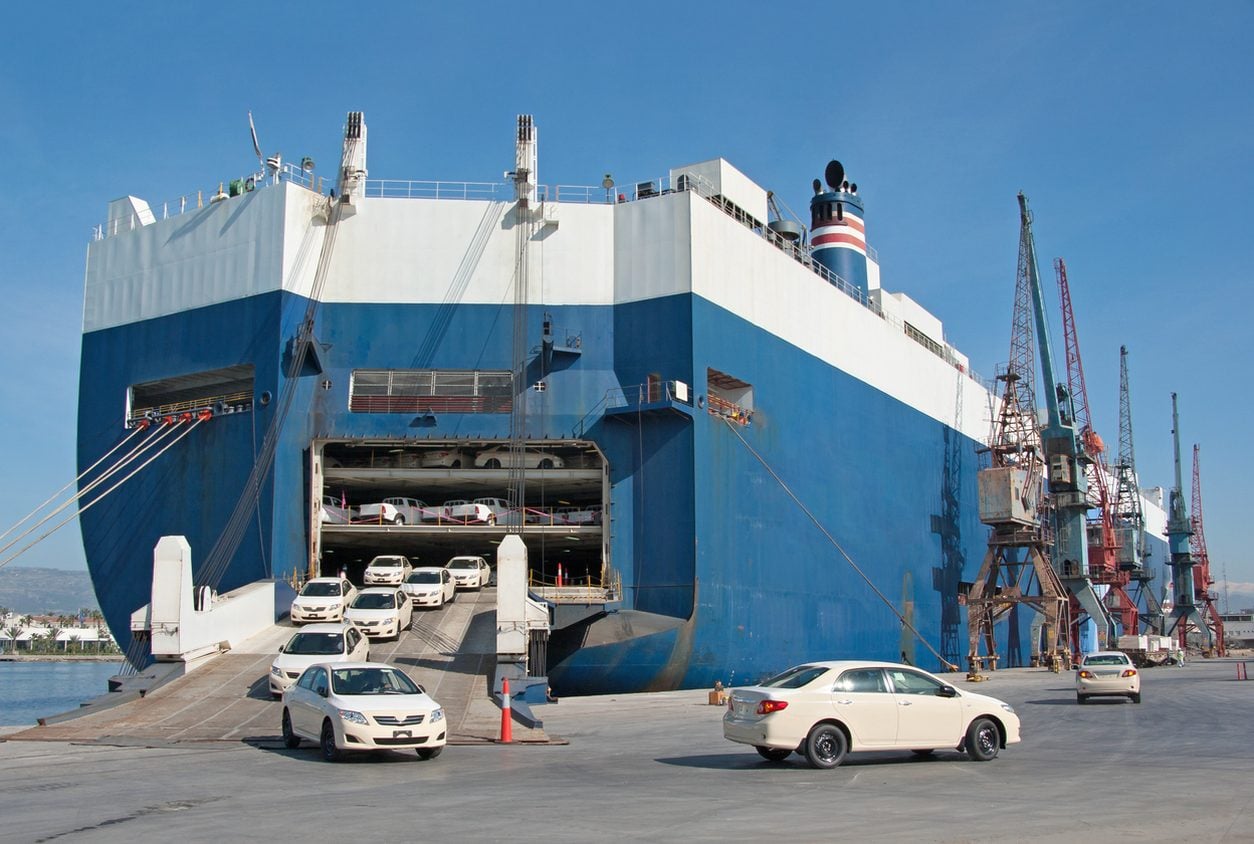
The roll on roll off vessel changed that. Cars are driven aboard across a stern or side ramp and secured to the deck, which removed the crane, the crate and most of the handling damage in one step. Modern pure car and truck carriers hold in the region of 6,000 to 8,000 vehicles across a dozen or more decks.
That capacity is why importing and exporting cars at scale is economic at all, and it is what a vehicle bound for Hawaii, Alaska or overseas still travels on today.
Deregulation and the Broker
The structural change that shaped the industry consumers deal with came in 1980, with the Motor Carrier Act.
Deregulation opened trucking to far more operators, and the result was a fragmented carrier market: thousands of small carriers, many running one to five trucks, each covering particular lanes. That fragmentation is precisely why brokers exist. No single carrier covers the country, so somebody has to match a load to the carrier that will actually be in the right place.
The internet then made that matching visible and fast. Load boards replaced the telephone, tracking replaced the guess, and instant quoting replaced the callback. The underlying structure, though, is still the one deregulation created.
What Has Not Changed
For all of it, the fundamentals of a car shipment are the same as they were in 1930.
A truck earns only on the vehicles it is carrying, so a full load is a cheap load and a lane with traffic in both directions is cheaper than one without. Damage still mostly happens during loading rather than on the road. And the condition report signed at each end is still the document that decides a dispute.
The equipment got better. The economics did not change.
Common Questions
When did car shipping start? With driveaway in the earliest years of mass production, before purpose built carriers existed.
What was the first real car carrier? The railroad boxcar, then the multilevel autorack from the 1960s, which allowed cars to be driven on.
Why are there so many small carriers? Deregulation in 1980 opened the market, producing a fragmented industry of mostly small operators.
Why do brokers exist? Because no single carrier covers every lane, so loads have to be matched to whoever will be in the right place.
What is RoRo? A vessel cars are driven onto and secured, replacing crane loading and most of the handling damage that came with it.
Get a Quote
Call Ship A Car, Inc. at (866) 821-4555 with both zip codes and your date range, or price your lane with the instant calculator.