The Best Way to Ship an ATV or UTV
An ATV or a side-by-side is small enough that people assume it ships like a motorcycle and heavy enough that it does not. A full size UTV can weigh as much as a small car, sits on knobby tires that roll on a trailer deck, and has a roll cage that puts it well above the height a two level car hauler allows. Getting the category right is most of getting the quote right.
ATV and UTV Are Not the Same Problem
The distinction matters more than the brand does.
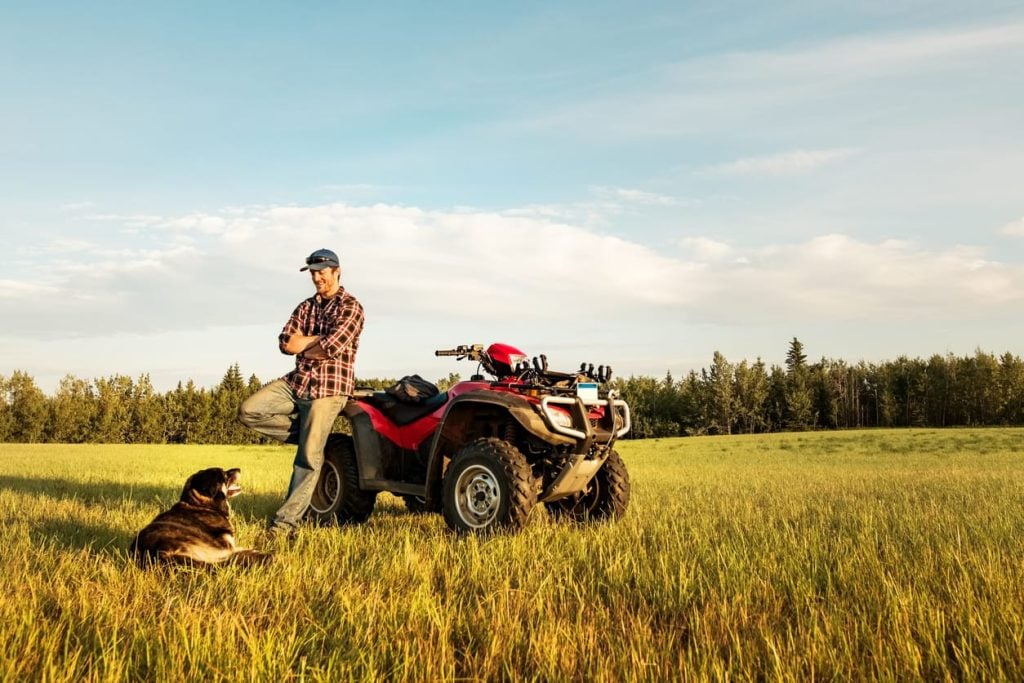
An ATV, the straddle-seat quad, is typically 500 to 900 pounds and roughly the footprint of a large motorcycle. It fits on almost anything, loads easily and is the cheapest thing in this category to move.
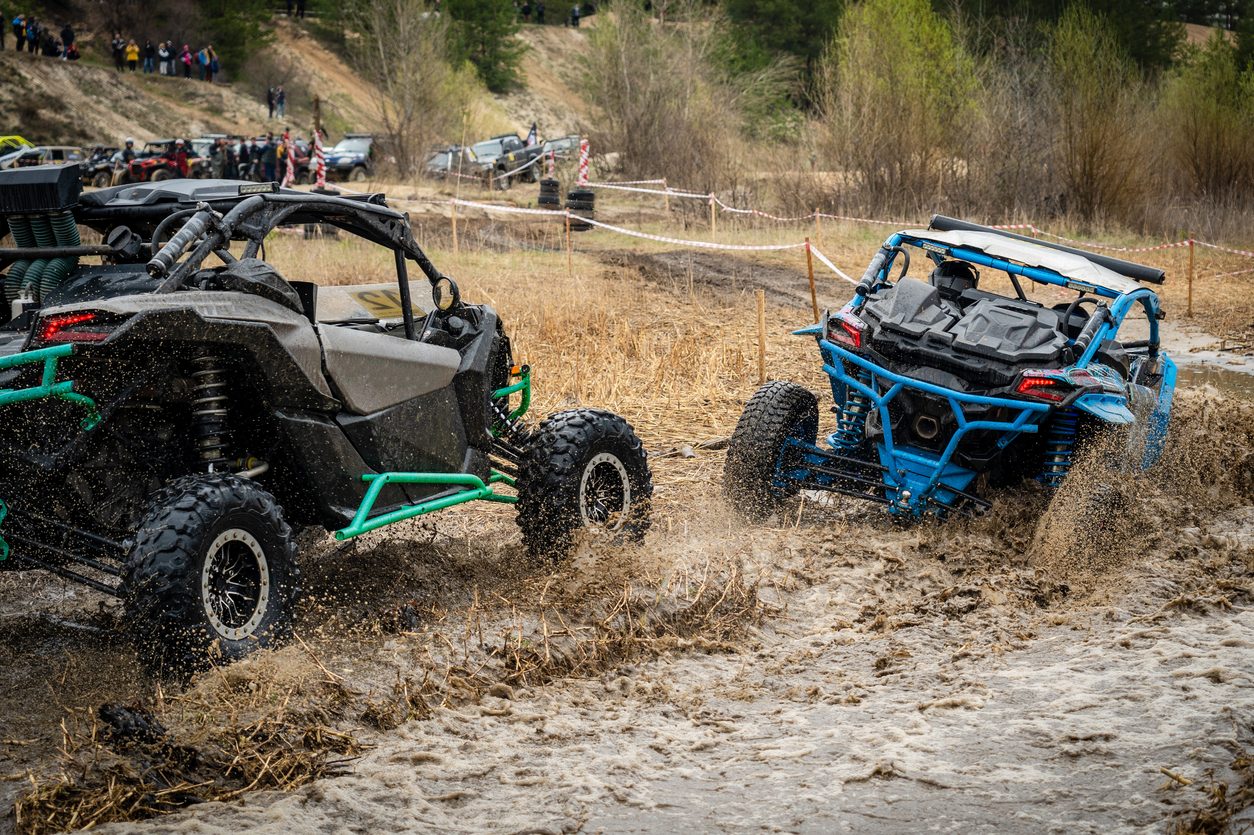
A UTV or side-by-side is a different vehicle. Full size models run well past 1,500 pounds, some approach 2,500 with accessories, and a four-seat model can be over 12 feet long. The roll cage typically puts overall height around 6 feet or more, which is what rules out certain deck positions.
Give the make, model, and measured length, width, height and weight. On a UTV, measure to the top of the cage, not the hood. And say whether it has a windshield, roof, winch, bumper or light bar fitted, because accessories change all four numbers.
What It Actually Travels On
Three realistic options and they price differently.
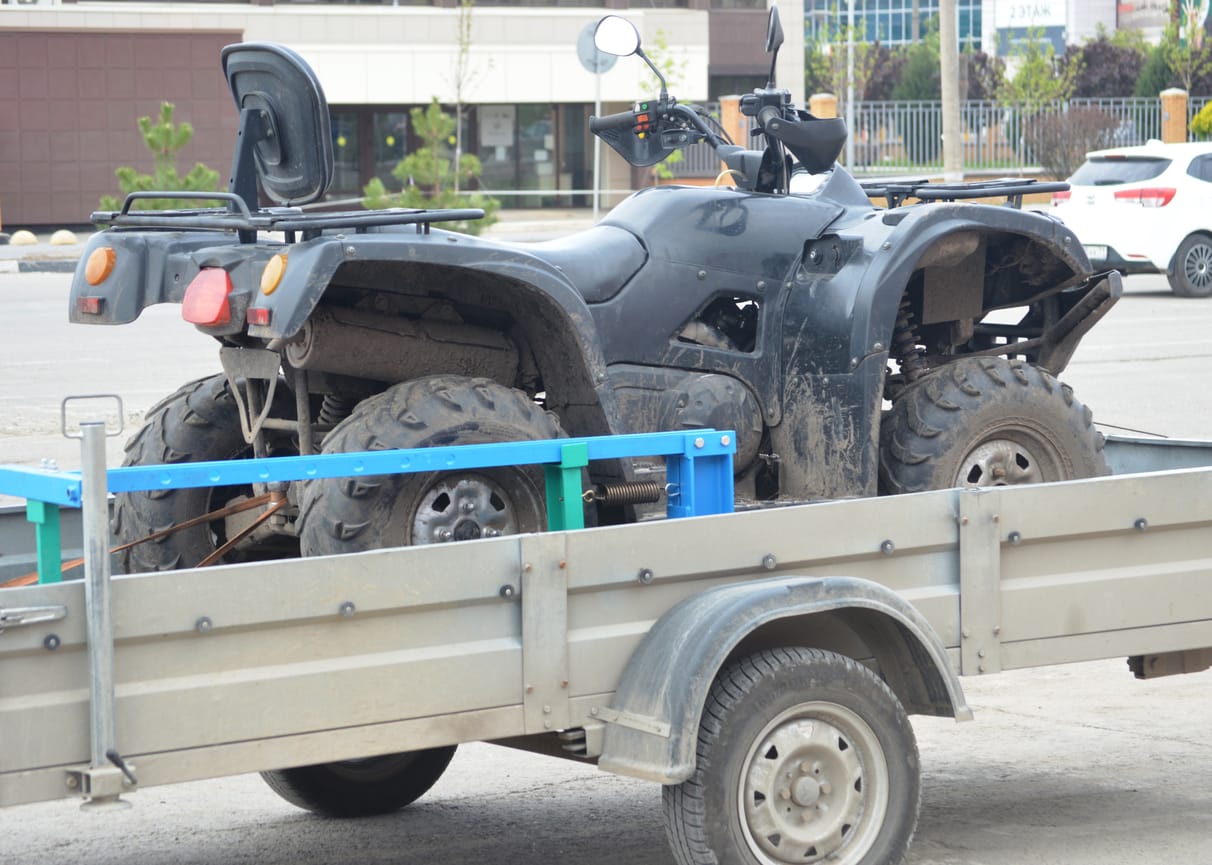
On an open car hauler alongside vehicles. Workable for a single ATV or a compact UTV, and usually the cheapest. Height is the constraint: a tall cage may only fit on a lower deck position, which the carrier has to plan for.
On a flatbed or in an enclosed trailer as a standalone load. This is what most UTVs use. An enclosed trailer also solves the weather problem, which matters more here than on a car.
Crated, which is what manufacturers and dealers use for new units. It costs more, adds crating and uncrating at each end, and is the right answer for a new machine or a long move.
Multiple units change the arithmetic in your favor. Two or three ATVs travel efficiently together, and the per-unit price should reflect that. Say so at the start.
Weather Is the Underrated Risk
An ATV or UTV has almost no bodywork protecting anything.
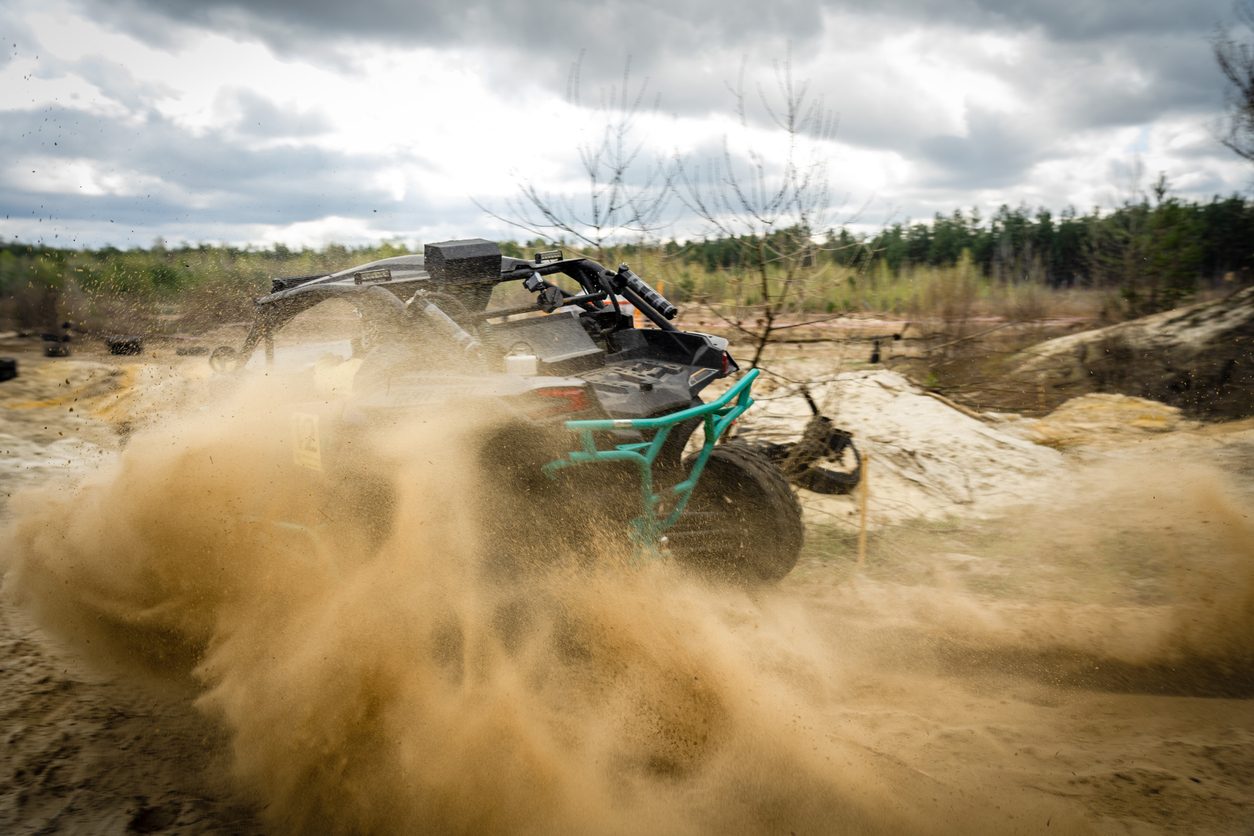
Exposed controls, an open cockpit, unpainted frame sections, chain or belt drive, and electrical connectors all sit in the open. Several days of rain and road grit at highway speed does more to one of these than to a car, and salt on a winter route is worse again.
Enclosed transport is a reasonable default for anything new, recently rebuilt, or genuinely valuable. On a well-used trail machine, open is fine and it is what most people choose.
If it does go open, at minimum have the seats and any exposed electronics covered properly. A tarp thrown over it is not securement and will not survive the trip.
Preparing It
Wash it, which is not vanity: caked mud hides existing damage, it is weight, and it falls off on the highway.
Fuel down to a quarter tank or less, and check whether the carrier wants it lower. Disconnect the battery on a long move.
Remove everything loose and everything that protrudes: mirrors, whip flags, aftermarket lights, cargo boxes, gun racks, tools and anything in a storage compartment. Fold a folding windshield or remove it. Tell the carrier if the roll cage is removable and whether you have removed it.
Check the tires, including pressure, because low-pressure off-road tires behave differently under strap tension than car tires do. Note any leaks.
Photograph it from every angle in daylight, including the underside if you can, the cage, the wheels and the hour meter. On a used machine bought at auction, get existing damage described specifically on the bill of lading rather than as general wear.
How It Should Be Secured
Worth knowing so you can tell whether it has been done properly.
Straps go to the frame at designated tie-down points, not over bodywork, not around suspension components and not around the roll cage unless the manufacturer says so. Four-point securement is standard, with the suspension compressed partway rather than bottomed out.
Soft loops through the frame protect the finish where a hook would mark it. Wheel chocks or blocking prevent movement that strap tension alone will not, which matters on a short wheelbase machine with soft tires.
The parking brake is not securement. Neither is leaving it in gear.
What It Costs
Price follows the same logic as any vehicle: how busy the lane is, how much space and weight the unit takes, whether it runs, and how flexible your dates are.
An ATV on an existing car hauler run is inexpensive. A large four-seat UTV as a standalone enclosed load is a different service and prices accordingly. Non-running machines need a winch and a carrier equipped for it, so declare that when you book rather than at pickup. Our guide to shipping recreational vehicles covers the wider category.
Common Questions
What does the carrier need to know? Make, model, and measured length, width, height to the top of the cage, and weight, plus any accessories fitted.
Can an ATV go on a car hauler? Usually yes. A tall UTV cage frequently restricts it to a lower deck position, which the carrier plans for in advance.
Open or enclosed? Enclosed for anything new or valuable, because there is no bodywork protecting the controls, connectors and drivetrain.
Should I remove the windshield? If it folds or unbolts easily, yes, along with mirrors, whips, lights and anything in a storage box.
Is it cheaper to ship two? Per unit, it should be. Say so at the start rather than adding the second machine later.
Get a Quote
Call Ship A Car, Inc. at (866) 821-4555 with the make and model, measured dimensions and weight, and whether it runs, or request an estimate for the move through the quote calculator.