How to Ship High-Value Cargo
High-value freight is not a category the industry defines by a dollar figure, it is defined by what happens when something goes wrong, and that is why the insurance conversation has to come before the transport one. Standard cargo cover is calculated by weight or by shipment, not by worth. On a load where the contents are worth many times what a policy pays per pound, the limit is the thing to establish first.
What Counts and Why It Matters
Several very different things end up in this category and they need different handling.
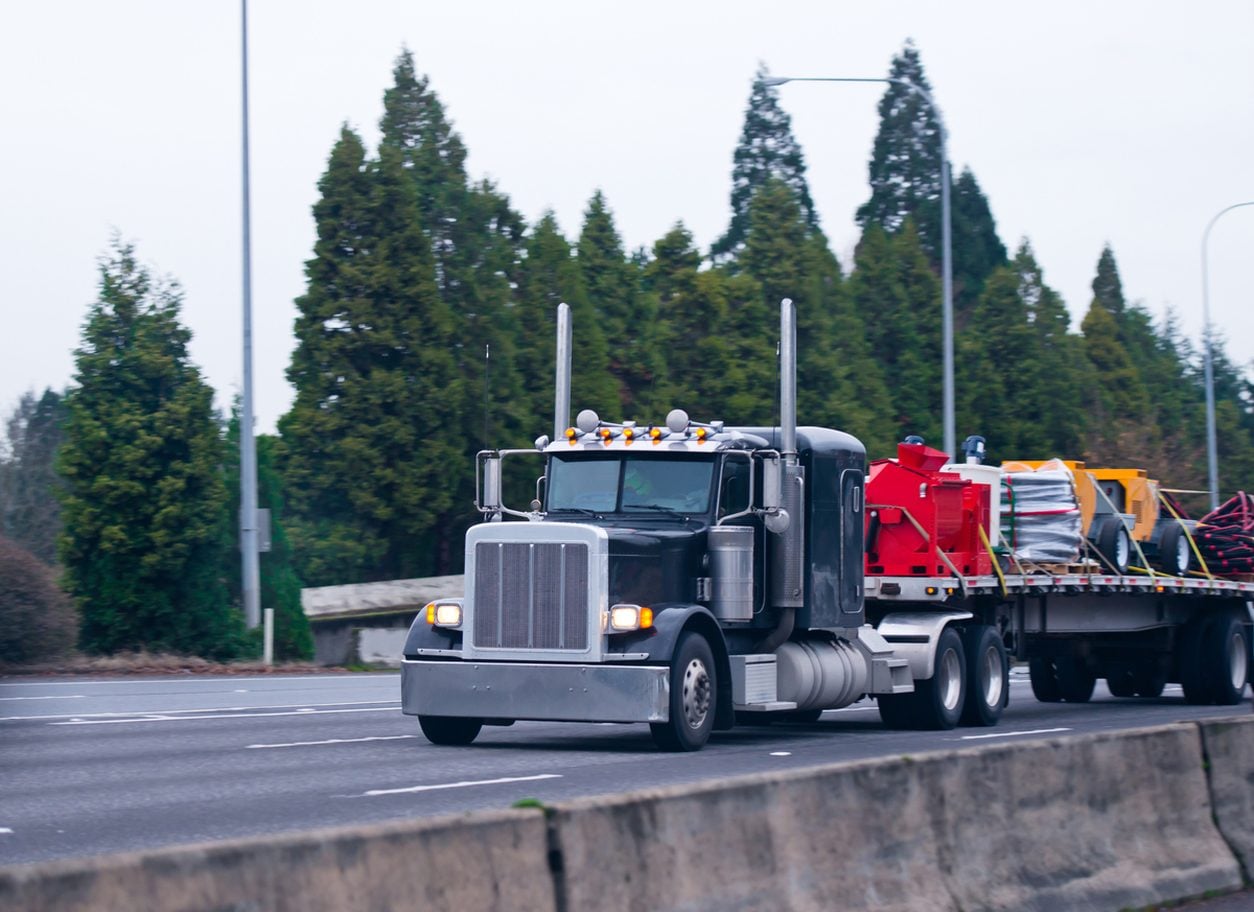
Manufacturing and industrial equipment is the largest slice: machine tools, printing presses, laboratory and medical systems, and production line assemblies. Value is concentrated in precision and calibration rather than in materials.
Electronics and technology infrastructure, meaning servers, data center equipment, semiconductor tooling and telecommunications hardware, combine high value with sensitivity to shock, static and moisture.
Art, antiques and collections sit in their own bracket, where value is often irreplaceable rather than merely high, and where climate matters as much as handling.
And there is high-value ordinary freight: pharmaceuticals, spirits, electronics in retail packaging, metals. These are targeted for theft in a way industrial machinery is not.
Establish the Insurance Before Anything Else
This is the step that determines whether a bad day is an inconvenience or a catastrophe.
Ask the carrier for the per shipment cargo limit in writing, and read it against the value of what you are shipping. A typical limit on general freight is a fraction of what a single machine tool or a pallet of servers is worth.
Where the gap is significant you have three routes. Excess or additional cargo cover can be arranged for a specific shipment, which is the cleanest answer on a one off. Your own business insurance may already extend to goods in transit, and it is worth checking before buying anything additional. And declaring a higher value with the carrier is a third route, but it is not automatic: an undeclared shipment is covered to the standard limit regardless of what it is worth.
Ask what is excluded as well as what the limit is. Theft, mysterious disappearance, damage found without external evidence and consequential loss are all commonly limited or excluded, and each of those is a realistic failure mode here.

Security Is About Routine, Not Gadgets
Cargo theft is organized and it targets predictability, so the countermeasures are mostly procedural.
The highest risk period is a stationary trailer, particularly in the first hours of a trip and over weekends and holidays. Thieves watch shippers, follow loads and wait for a driver to stop. A load that does not stop in the first few hundred miles removes most of that exposure, which is why team drivers are used on genuinely valuable freight.
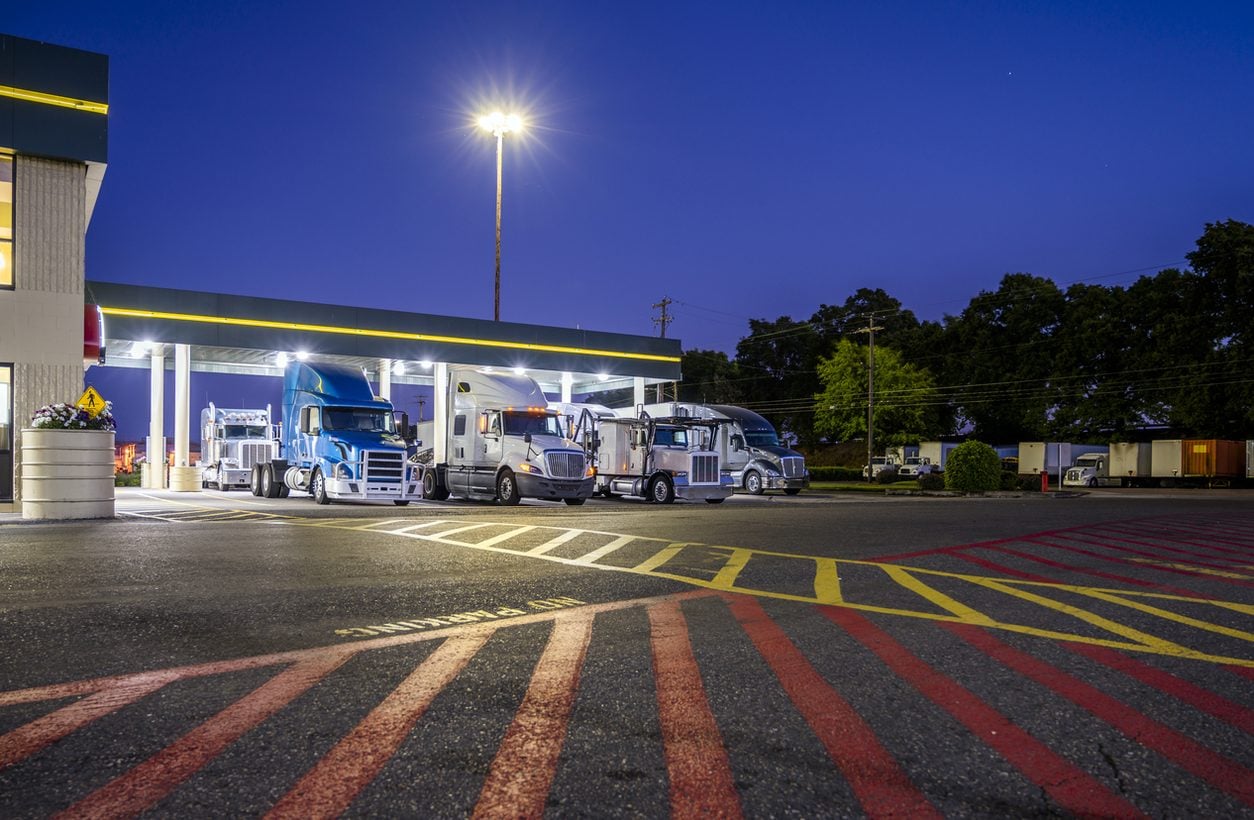
Where a stop is unavoidable, it should be at a secured facility rather than a roadside lot, with the trailer doors against a wall or another trailer. Landing gear locks, king pin locks and hardened padlocks all add time, which is what a thief is avoiding.
Real time GPS tracking, on the trailer and ideally on the cargo itself, is now standard practice on this work. Geofencing that alerts when a load deviates from its route or moves outside a window catches a theft while it is recoverable rather than afterward.
Limit who knows what is on the truck. Unmarked equipment and generic paperwork are simple, effective measures, and a bill of lading that advertises the contents is a liability.
Dedicated and Exclusive Use
For anything genuinely valuable, sharing a trailer stops making sense.
Exclusive use means your freight is the only freight on the truck. It removes every intermediate stop, every additional handler, and the possibility of your shipment sitting on a dock while other freight is worked. It costs considerably more and it removes most of the ways things go wrong.
Team drivers keep the vehicle moving nearly continuously, which shortens transit and, more importantly, minimizes the stationary time that theft depends on.
On a shipment where a loss would be serious, price exclusive use before dismissing it. The premium is frequently small against the exposure.
Packaging Decides Whether It Arrives Working
Damage on high-value freight is more often invisible than obvious, and packaging is what prevents it.
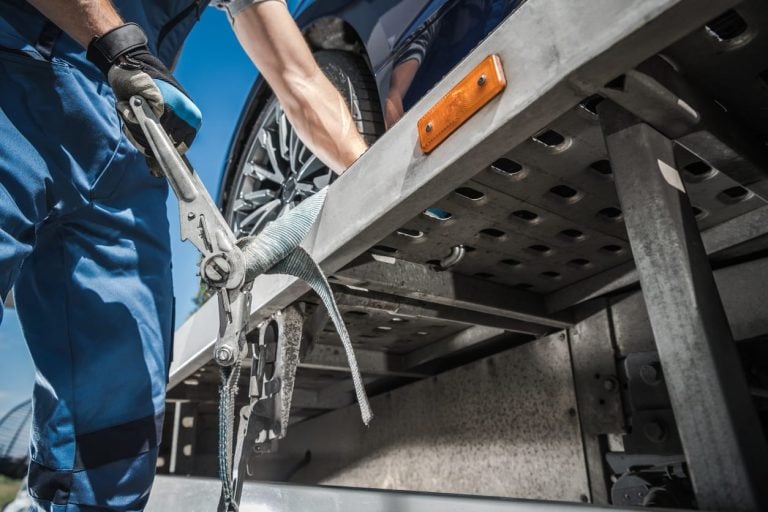
Custom crating sized to the item, with the contents secured to the crate base rather than resting in it, is the standard for anything precision or fragile. Where the manufacturer supplies original packaging, use it, because it was designed and tested for that item and it is what a warranty claim will reference.
Fit shock and tilt indicators to the crate. They cost very little and they convert an unwinnable argument into a documented fact: if an indicator has triggered, an impact happened in transit, and that is visible at delivery rather than discovered at commissioning.
Specify air ride suspension and, where the item requires it, climate control. Sustained road vibration is what moves an optical assembly or a bearing out of tolerance without leaving a mark.
Documentation Is What Wins a Claim
Photograph the item before crating, photograph it crated, and record serial numbers. Get any existing condition described specifically on the bill of lading rather than generally.
At delivery, check the shock and tilt indicators before signing anything. If one has triggered, note it on the paperwork while the driver is present, photograph it, and do not sign a clean receipt. That single step is what preserves a claim on freight whose damage does not show. Our guide to cargo insurance and what it covers goes further into the policy side.
Common Questions
Is standard cargo insurance enough? Usually not. Cover is calculated by weight or shipment, not value. Ask for the limit in writing and arrange excess cover if there is a gap.
When is theft risk highest? When the trailer is stationary, especially in the first hours of a trip and over weekends and holidays. Moving freight is much harder to steal.
What are shock indicators? Inexpensive devices fitted to a crate that record an impact in transit, making invisible damage visible and documented at delivery.
Is exclusive use worth it? On genuinely valuable freight, frequently yes. It removes intermediate stops, extra handling and dock time, and the premium is small against the exposure.
What should the paperwork say? Enough to identify the shipment and no more. A bill of lading that advertises valuable contents is a security problem.
Get a Quote
Call Ship A Car, Inc. at (866) 452-3657 for specialized freight with the commodity, the declared value, the dimensions and weight, and whether you need exclusive use or team drivers, or request a quote through the specialized transport calculator.