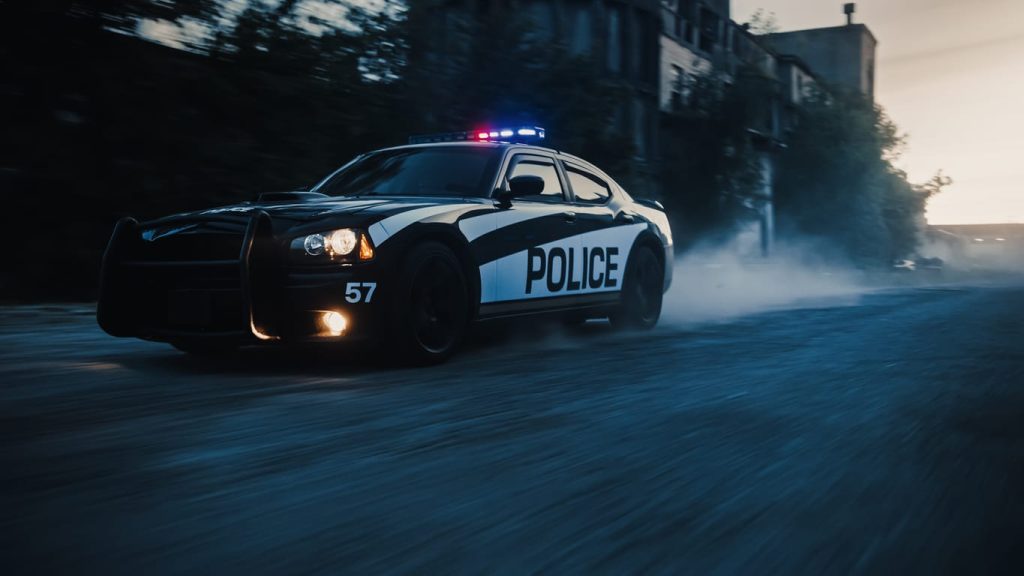
How to Ship a Police Car Cross Country
Shipping a police car is mostly an ordinary vehicle move with one genuine complication: what happens to the equipment, and whether the car is still a police car when it arrives. A decommissioned cruiser going to a private buyer has legal requirements about markings and equipment that do not apply to an in-service transfer between agencies. Establish which situation you are in before anything else.
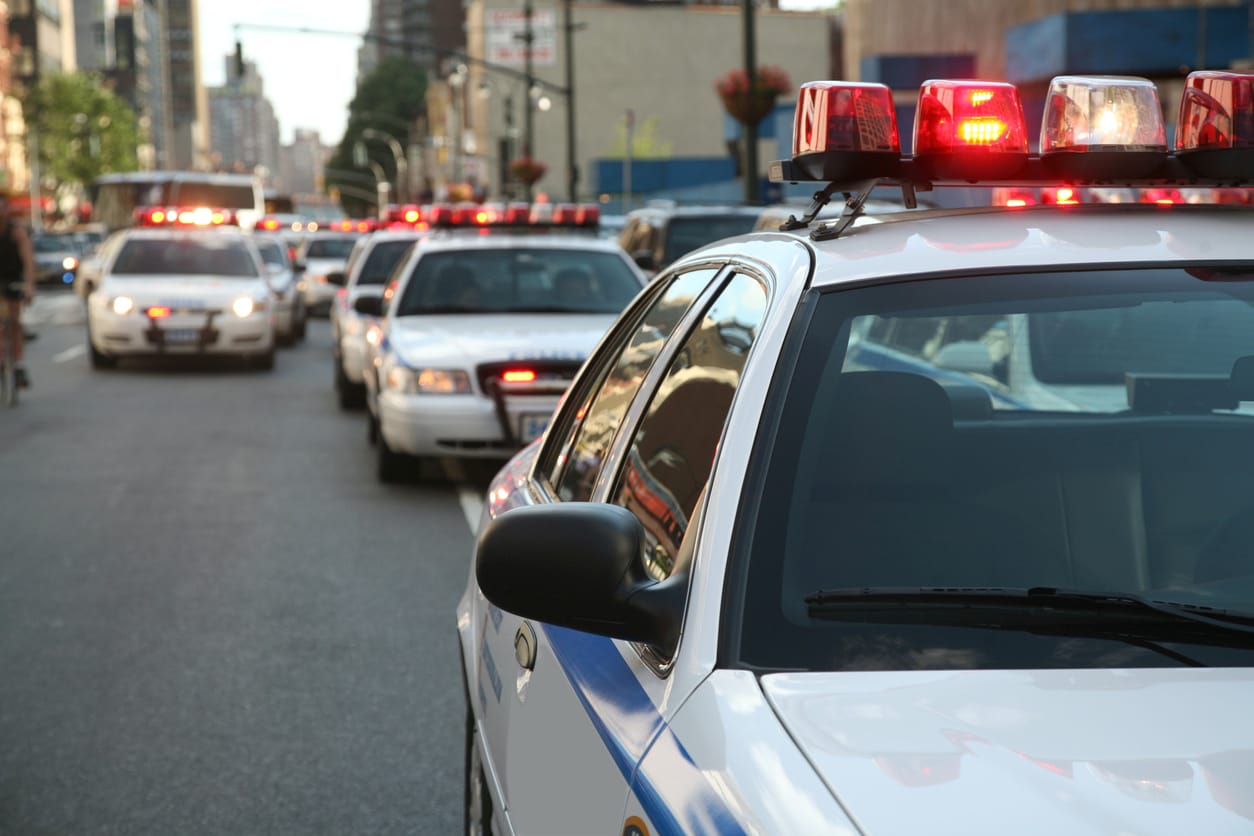
Three Different Situations
They look similar and they are not.
An agency transfer. A department moving a marked, equipped vehicle between locations, or a manufacturer or upfitter delivering new units. The car stays in service, the markings stay on, and the paperwork is departmental.
A decommissioned car to a private buyer. Bought at government auction, and this is where the legal requirements live. Most states restrict who may operate a vehicle displaying police markings, emergency lighting or a siren, precisely because impersonating a police officer is a serious offense.
A collector or specialty vehicle. A restored or preserved cruiser going to a museum, a collection or a film production. Usually valuable, frequently older, and a candidate for enclosed transport.
Say which one applies when you book, because it changes the documentation and sometimes the trailer.
Markings and Equipment on a Private Sale
This is the part that catches buyers, and the rules vary by state.
Selling agencies commonly remove or obscure department markings, decals and shields before release. Light bars, sirens and public address equipment are frequently stripped as well, or required to be removed or disabled before the vehicle can be registered and driven by a civilian.
Some states prohibit a private vehicle from displaying red or blue forward-facing emergency lights entirely. Others regulate the siren separately. Spotlights and push bars are usually fine. Window tint on a former cruiser sometimes exceeds what state law allows for a private car.
Check the requirements in the state where the car will be registered, not the state it is coming from, and do it before you buy rather than after the truck arrives. A carrier will transport the vehicle in whatever condition it is released; the compliance question is yours.
What the Equipment Means for Transport
Two practical effects.
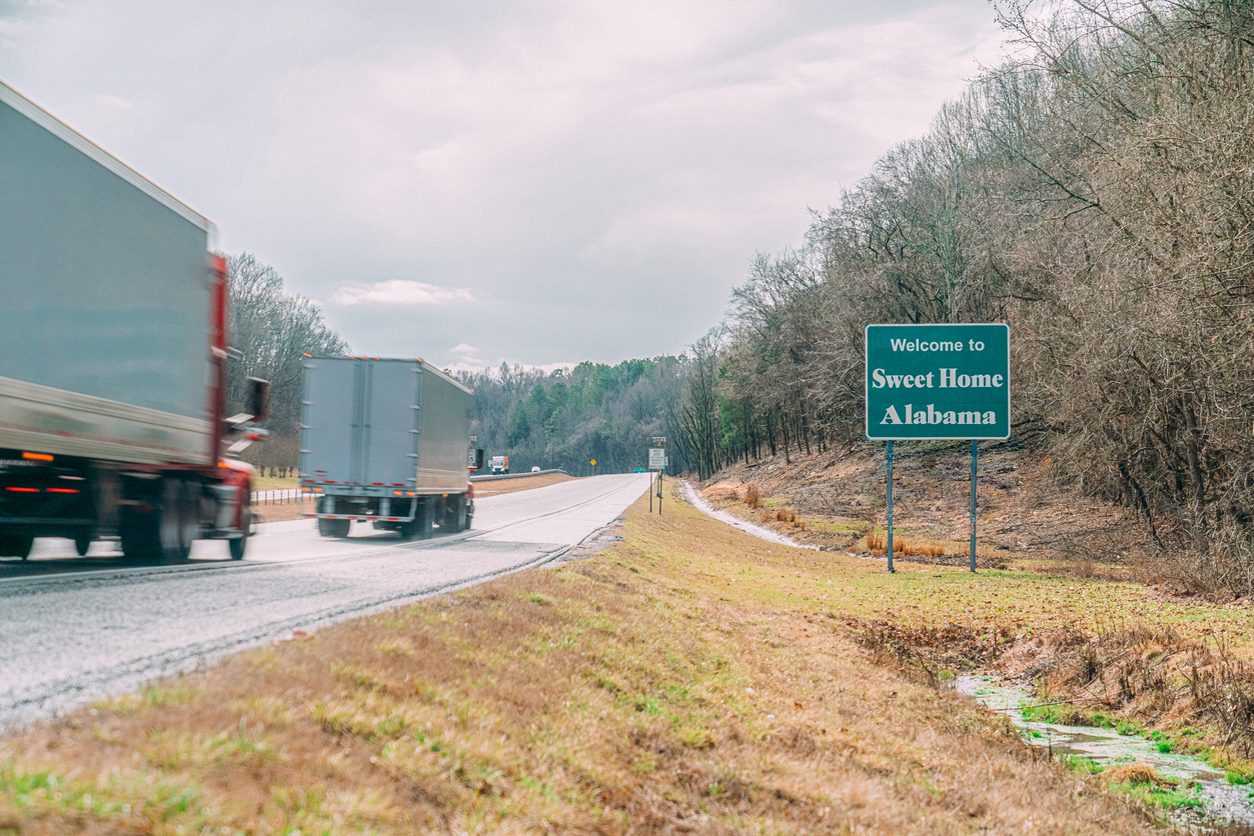
Height. A light bar adds to the vehicle’s overall height, which matters on a two-level hauler where deck clearance is limited. Give the height with the light bar fitted, not the manufacturer’s figure for the base car. If the bar is removable and you can take it off, that simplifies things.
Weight. A fully equipped cruiser carries a partition, a console, a prisoner seat, mounted electronics, a reinforced push bar and sometimes ballistic panels in the doors. That can add several hundred pounds over the civilian version of the same model. Give the actual weight where you have it.
Loose equipment inside, radios, computers, weapons mounts, needs to be secured or removed. Anything left loose becomes a projectile in transit and is not covered by cargo insurance in any case.
Open or Enclosed
For a working or decommissioned cruiser being moved as a used car, open transport is right and it is what almost everybody uses.
Enclosed costs about a third more and makes sense in two situations here. One is a restored or collector vehicle where the paint and markings are the point. The other is a marked in-service car where a department would rather it were not visible on a public highway for three days, which is a legitimate operational preference rather than a vanity.
If you are buying at auction sight-unseen, remember that enclosed carriers are frequently smaller trucks, which can be an advantage at an auction yard with restricted access.
Buying at Auction and Getting It Home
Most private police car purchases come from government surplus auctions, and the logistics have a pattern.
Auction lots usually have limited free storage after the sale, and daily charges start quickly. Arrange transport before you bid, or at least know what it will cost, because a bargain plus a week of storage plus an urgent shipment is not a bargain.
Establish whether the vehicle runs and drives. Decommissioned cruisers are frequently sold as-is with high mileage and hard service behind them, and a car that will not start needs a winch and a carrier equipped for it. Declaring it as inoperable when you book costs less than discovering it at pickup.
Get the title situation clear too. Government vehicles sometimes come with paperwork that behaves differently from an ordinary private sale, and a car you cannot register is an expensive ornament.
Preparing It
Photograph every panel in daylight, including the wheels, the lower bumpers and the rocker panels, and photograph the equipment as it sits so there is a record of what was fitted at pickup.
Leave about a quarter tank of fuel. Empty the cabin and the trunk, since personal items are not covered by cargo insurance. On a former cruiser the trunk is worth checking properly, because it is where equipment and cabling tend to be left behind.
Fold the mirrors, disable any alarm, and hand over a key. At delivery, inspect before signing and note anything unexpected on the bill of lading while the driver is still present. Our guide to what car shipping insurance actually covers explains the cargo policy.
Common Questions
Can a private buyer keep the markings? Usually not. Most states restrict displaying police markings and emergency lighting on a private vehicle. Check the rules where it will be registered.
Does the light bar matter for transport? Yes. It adds height, which matters on a two-level hauler. Give the height with it fitted, or remove it.
Is a police car heavier than the civilian version? Frequently by several hundred pounds, once the partition, console, electronics and push bar are counted.
Should I use enclosed transport? For a collector or restored car, yes. For an ordinary decommissioned cruiser, open is fine.
What if it does not run? Declare it inoperable when you book. Auction cars frequently do not start, and it needs a winch and a carrier equipped for it.
Get a Quote
Call Ship A Car, Inc. at (866) 821-4555 with both zip codes, the height with any light bar fitted, and whether the vehicle runs, or request an estimate for the move through the quote calculator.