Shipping a Car from Denver to Chicago
About 1,000 miles, two to three days in transit, and the only real variable is winter. This is a well served corridor between two major metros, so a realistically priced load gets assigned quickly and the price is stable most of the year. From roughly November to March, snow across the Nebraska and Iowa plains and over the Colorado passes is what moves the schedule, and it moves it by days rather than hours.
The Route and the Timing
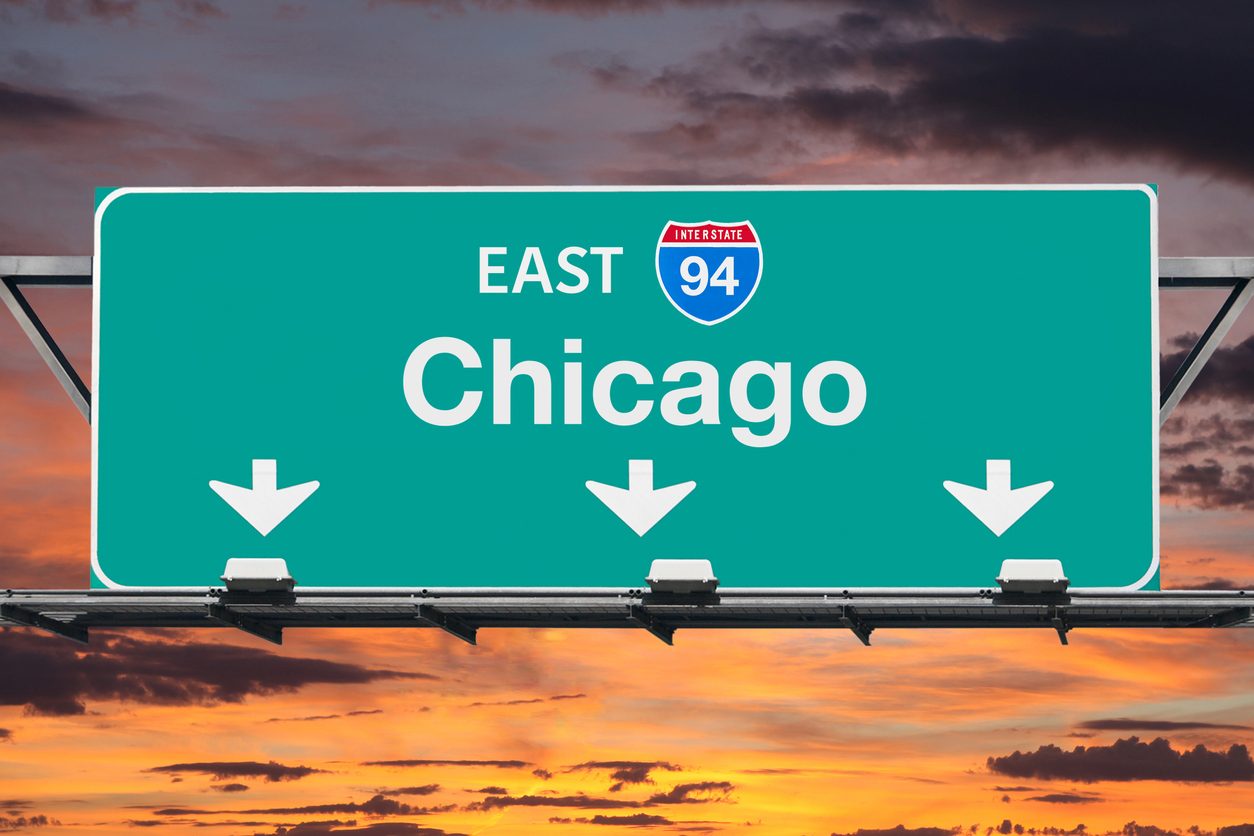
Carriers run I-76 out of Denver onto I-80 across Nebraska and Iowa, then into Illinois. Some route I-70 to I-72 depending on where they are collecting and delivering.
Expect two to three days in transit once loaded, plus a few days to a week to get assigned. Assignment is usually faster on this lane than the mileage suggests, because both ends are large metros with constant traffic in both directions, which is what keeps a lane cheap.
Winter Is the Whole Story
Nothing else on this corridor changes the plan as much.
Two separate problems. Getting out of Colorado means the Front Range and the passes, where snow closes roads and chain controls slow everything that is still moving. Then I-80 across Nebraska and Iowa, which is exposed, flat and prone to ground blizzards and closures that can shut hundreds of miles at once.
Neither is dangerous to your car; both cost days. If you are moving between November and March, build slack into the schedule and do not book a delivery date you cannot move. A load that would run in two days in June can take five in February.
The upside is that winter is otherwise the cheap season on this lane, since demand is lower.

Access at Both Ends
A car hauler is around 75 feet long, and both cities have neighborhoods it cannot work.
In Chicago the constraints are the dense North Side and lakefront neighborhoods with permit parking on both sides, narrow one way streets, and viaducts with low clearance that a loaded hauler cannot pass under. Downtown and River North are effectively impossible.
In Denver the older central neighborhoods, LoDo and the streets around Capitol Hill are the awkward ones, and mountain addresses west of the city add steep grades and narrow approaches on top.
The normal answer at either end is a meeting point at a large lot outside the dense core. It is faster than waiting for a driver willing to attempt the street, and it widens the pool of carriers rather than narrowing it. Arrange it when you book.
What It Costs
Open transport for a standard sedan runs roughly $700 to $1,000 on this lane, with winter usually at the lower end and summer at the higher.
A full size truck or SUV adds meaningfully, and enclosed transport adds about a third on top. A car that will not start or roll adds roughly $100 to $250 for winching, which needs declaring at booking rather than at the curb. Those are planning estimates: our book holds too few Colorado orders to and from Illinois since 2023 to publish a band from.
Treat a quote well below the rest with caution. A rate no carrier accepts leaves the car sitting in Denver while your pickup window passes and the price is revised upward.
Preparing the Car
Wash it so existing marks are visible and photograph every panel in daylight, including the wheels, roof and lower bumpers. Leave about a quarter tank of fuel.
Empty the cabin and trunk, since personal items are not covered by cargo insurance and shift in transit. Fold the mirrors, disable a motion sensitive alarm and hand over a key.
If the car has been sitting through a Colorado winter, check the battery and the tire pressures before collection. A car that will not start becomes a winch job at the curb, and at that point you are paying for it either way.
At delivery, inspect before signing. Compare against your photographs, check the lower bumpers and wheels first because those are what loading damages, and note anything unexpected on the bill of lading while the driver is still there.
Common Questions
How long does it take? Two to three days in transit, plus a few days to a week to get assigned.
Does winter delay it? Yes, by days rather than hours. The Colorado passes and I-80 across the plains are the two constraints.
When is it cheapest? Generally winter, when demand on the lane is lower, weather delays accepted.
Can the truck reach my street? In dense Chicago or central Denver neighborhoods often not. A nearby lot is faster.
What does it cost? Roughly $700 to $1,000 for a sedan on open transport, more for a large vehicle or enclosed.
Get a Quote
Call Ship A Car, Inc. at (866) 821-4555 with both zip codes and your date range, or request an estimate for the lane through the quote calculator.