How to Ship a Car From Baltimore, Maryland
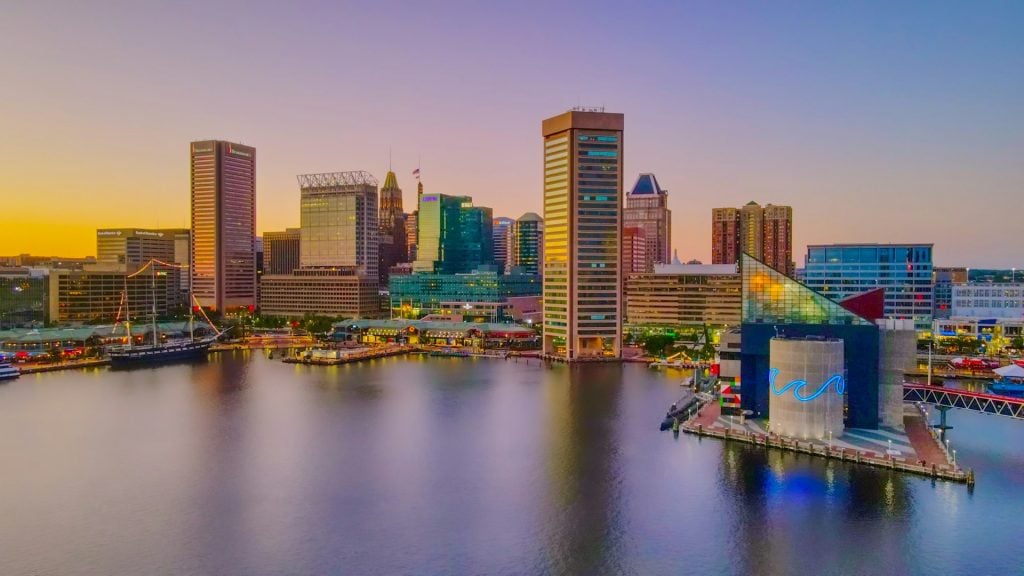
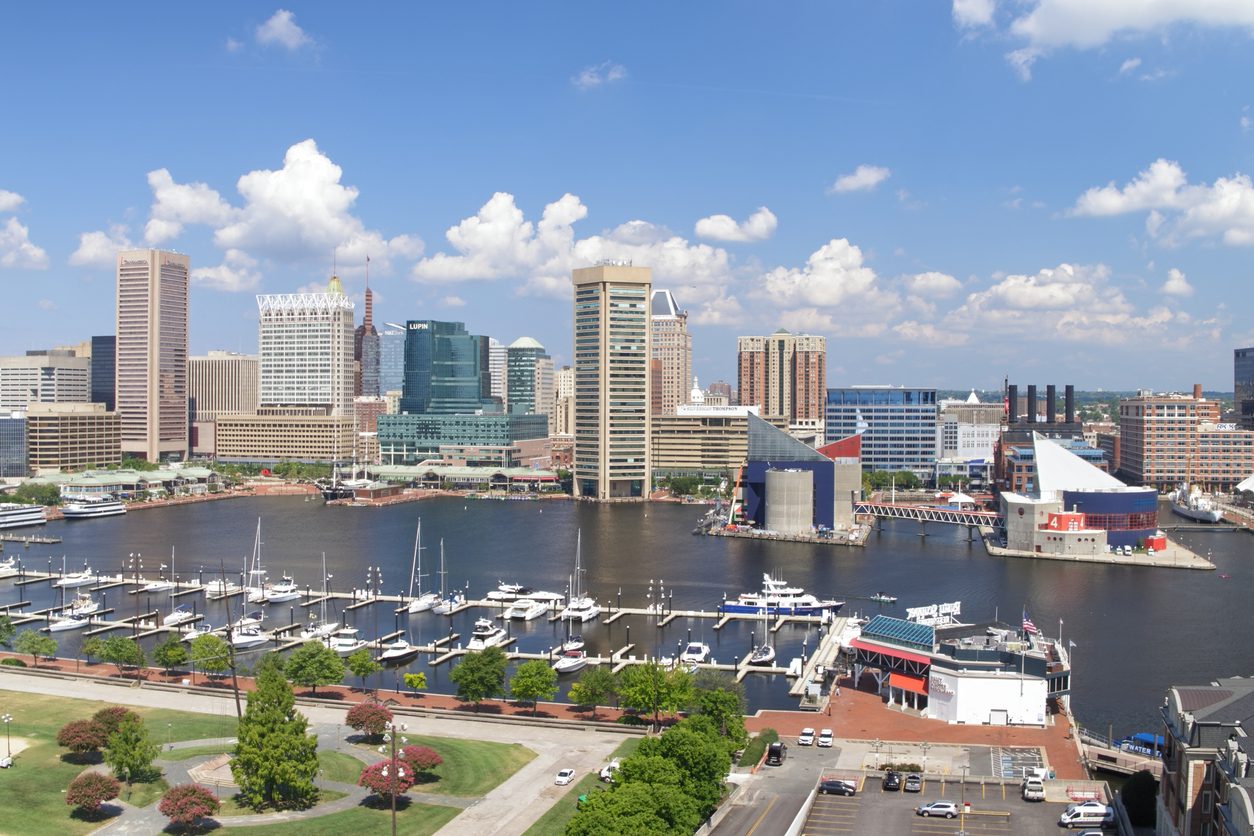
Baltimore sits on Interstate 95 between Washington and Philadelphia, which makes it one of the easiest cities in the country to get a car in and out of, and its port is one of the largest vehicle handling facilities in the United States. Carrier traffic is constant in both directions. What needs planning is the city itself: narrow rowhouse streets, permit parking, and low bridges that a loaded upper deck will not clear.
The I-95 Corridor Does the Work
Carrier availability follows freight density, and the Northeast corridor has more of it than anywhere else in the country.
I-95 runs through Baltimore connecting Washington, Philadelphia, New York and Boston to the Southeast. I-70 heads west toward Frederick and the Midwest. I-83 runs north to Harrisburg. The Baltimore Beltway, I-695, ties them together.
The practical result is that ordinary Baltimore lanes are usually assigned within a few days, and rates to Florida, the Southeast and the rest of the Northeast are competitive. This is a market where being flexible by a day or two is worth less than in a thin market, simply because trucks are always nearby.
The Port Matters More Than People Realize
The Port of Baltimore handles more vehicles than almost any other port in the country, and that shapes the local market.
The volume of automotive traffic means a steady population of car haulers working the region, moving imported vehicles inland and export vehicles to the terminal. For a private customer that is simply good news: the equipment and the drivers are here.
If you are shipping a vehicle for export or collecting an import, the terminal has its own appointment and documentation process, and the timing of that rather than the road transport is usually the constraint.
City Access Is the Real Constraint
Baltimore’s older neighborhoods were laid out long before 75 foot car haulers, and it shows.
Rowhouse streets in Federal Hill, Canton, Fells Point, Hampden and much of the city center are narrow, parked solid on both sides, and frequently one way. There is nowhere for a truck to stop, let alone to lower ramps and drive a car off.
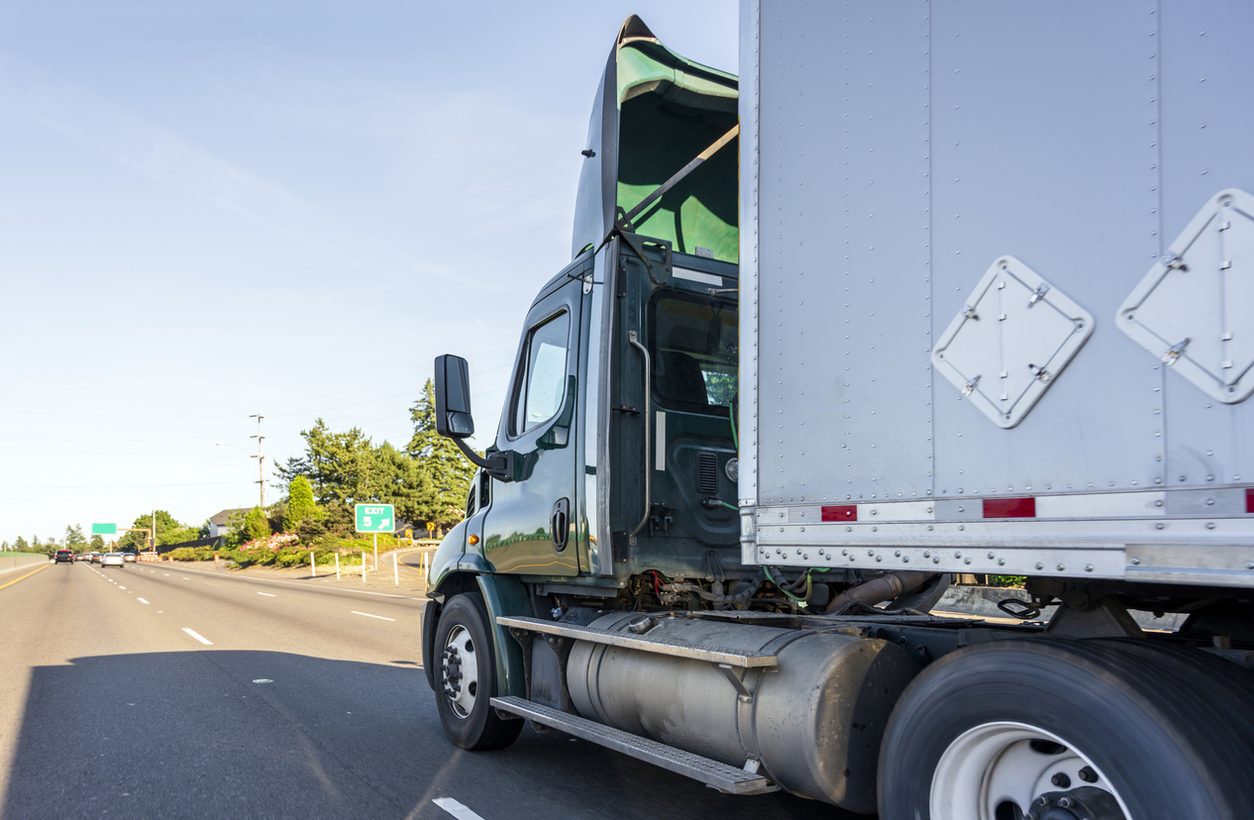
Low bridges are the second issue and a genuinely local one. Baltimore has a number of older railroad underpasses with posted clearances well below what a loaded upper deck needs, and a route that looks direct on a map can be impossible. Drivers who work the city know them; drivers who do not will decline rather than guess.
The suburbs are straightforward. Towson, Columbia, Glen Burnie, Catonsville, Ellicott City and most of Baltimore County take a full size hauler at the curb without difficulty.
Where the address is in the city proper, plan on a meeting point at a large lot near a Beltway exit. Agreeing it when you book removes the most common cause of a wasted trip.
Timing Around Traffic
The Washington to Baltimore corridor carries some of the heaviest commuter traffic in the country, and it affects delivery windows.
Expect a window rather than an appointment. Early morning is easiest for a driver working city addresses. The afternoon peak on I-95, I-695 and the parkway is the worst of it, and a driver caught in that loses a slot.
The harbor crossings are worth knowing about: the tunnels have restrictions on certain vehicles and cargo, which occasionally routes a truck the long way around the Beltway. That is a routing detail rather than your problem, but it explains an arrival estimate that looks generous.
Seasonal Patterns
Two patterns move prices here.
The Florida snowbird lane runs strongly from Maryland, southbound building through October and November and northbound spiking in March and April. In both peaks rates rise and carriers fill early, so book three to four weeks out rather than one to two.
Summer is the general moving season and it collides with military relocations, which are significant in this region given the concentration of federal and defense employment. Ask about a military or government discount if that applies to you, because it is applied when you ask rather than automatically.

Winter and Road Salt
Maryland winters are moderate but the state treats its roads heavily, and a car on an open trailer arrives coated in brine.
On most vehicles that is cosmetic and a wash resolves it. On a car with fresh paintwork, existing corrosion or genuine value, an enclosed carrier through the winter months is worth the premium for that reason alone.
Snow and ice delay trucks rather than damaging cars, and a storm anywhere along a route delays your vehicle even when Baltimore is clear. Treat a February date as a range.
Open or Enclosed
Open transport carries the overwhelming majority of vehicles in and out of Baltimore and it is right for an ordinary car.
Enclosed costs about a third more and earns it in two situations here. The first is a car with collector value, fresh paintwork or a wrap. The second is any winter move, because Maryland salts heavily and the whole Northeast corridor does the same.
Enclosed carriers are also frequently smaller trucks, which is a real advantage on a city rowhouse street where a ten car open trailer has no chance. If your address is difficult and the car is worth protecting, the two reasons point the same way.
Preparing the Car
Wash it so existing marks are visible, then photograph every panel in daylight, including the wheels, the lower bumpers and the rocker panels, which are what loading marks. In winter, wash the salt off first, because a gray film hides everything.
Leave about a quarter tank of fuel. Empty the cabin and the trunk, since personal items are not covered by cargo insurance and they add weight. Fold the mirrors, disable a motion sensitive alarm, remove your toll transponder so you are not billed for the truck’s route, and hand over a key.
At delivery, inspect before signing. Compare against your photographs and note anything unexpected on the bill of lading while the driver is present. For the wider state picture, see our Maryland car shipping page.
Common Questions
How long does it take? One to two days to the Southeast or New England, two to three to the Midwest, and five to seven to the West Coast once collected.
Can the truck reach my address? In the suburbs, usually. In city rowhouse neighborhoods, rarely, because of narrow parked streets and low railroad bridges. Use a meeting point.
Why is Baltimore well served? It sits on I-95 in the busiest freight corridor in the country, and the port keeps a steady population of car haulers working the region.
When is it most expensive? October and November southbound, March and April northbound, plus the summer moving season.
Should I ship enclosed in winter? Worth it for a valuable car or fresh paint, to keep it out of road salt. An ordinary car is fine open with a wash on arrival.
Get a Quote
Call Ship A Car, Inc. at (866) 821-4555 with both zip codes, your date range and whether the address is in the city or the suburbs, or request an estimate for the move through the quote calculator.