
Everything That Can Go Wrong When Someone Else Drives Your Car
Lending your car is one of those favors that is almost always fine and occasionally very expensive, and the reason people get caught out is a single principle: in most states insurance follows the car, not the driver. That means your policy is the one responding, your deductible, and your claims history. Understanding that before you hand over the keys is the whole thing.

Permissive Use Is the Concept That Matters
Most auto policies extend coverage to anyone driving your vehicle with your permission. That is permissive use, and it is why lending your car generally works.
The consequences sit with you rather than with them. If your friend causes a collision, your liability coverage responds first, your deductible applies to your own vehicle, and the claim goes on your record, which can affect your premium at renewal. Their insurance may come in as secondary coverage once your limits are exhausted, but you are first in line.
If the damage exceeds your limits, you can be personally liable for the excess. That is the scenario worth taking seriously, because liability limits that feel generous are easily exceeded by a serious injury claim.
When Permissive Use Does Not Apply
Several situations remove the protection entirely, and they are more common than people realize.
An excluded driver. If a household member is named as excluded on your policy, usually because their record made them expensive to insure, and they drive the car, there is no coverage at all.
An unlicensed or suspended driver. Lending to someone you know is not licensed can void coverage and expose you to a negligent entrustment claim, which is a separate liability from the accident itself.
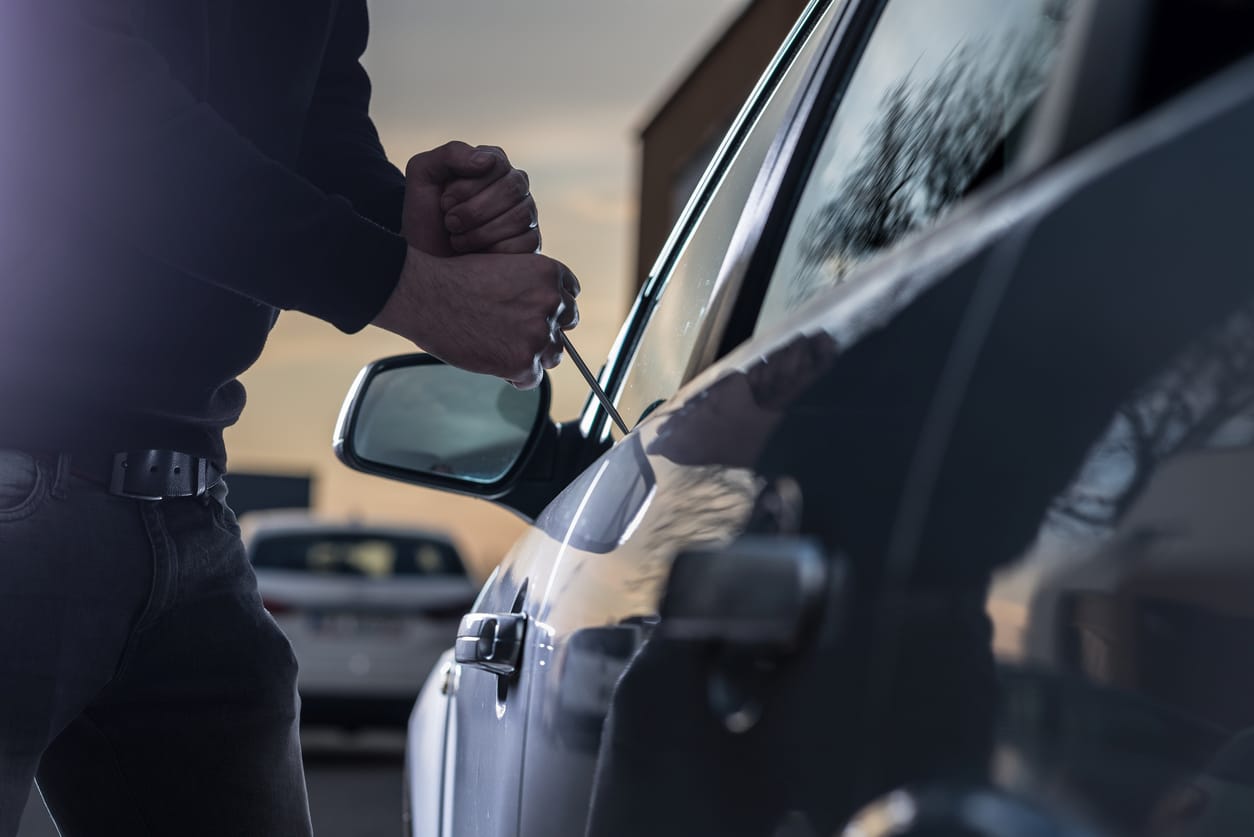
An impaired driver. Same principle and worse consequences. If you knew or reasonably should have known, you have a problem beyond the insurance.
Regular use by an unlisted driver. This is the quiet one. Permissive use covers occasional lending. Someone who drives your car regularly, a partner, a roommate, an adult child living with you, is expected to be listed on the policy. An insurer that finds an unlisted regular driver after a claim may deny it.
Commercial use. If they use your car for deliveries or rideshare work, a personal policy generally excludes it.
The Practical Damage List
Beyond a collision, the everyday things that go wrong.
Tickets and tolls. Both follow the registered owner. A camera ticket arrives with your name on it, and toll charges go to whoever holds the transponder or the plate. You will be chasing them for reimbursement, not the other way round.
Parking violations and towing. Same, and a tow with storage charges accumulates daily.
Mechanical harm. Riding the clutch, ignoring a warning light, running it low on oil, using the wrong fuel. None of that is an insurance matter; it is a repair bill and an awkward conversation.
Cosmetic damage nobody mentions. Curbed wheels and door dings that appear without explanation are the most common outcome by far.
How to Lend a Car Sensibly
Five things, all quick.

Confirm they are licensed and insured. Ask directly. Their own policy usually provides secondary coverage, which matters if your limits are exhausted.
Check your own policy for exclusions, particularly named excluded drivers in your household.
Photograph the car before they take it. Five minutes in daylight, all four corners and each wheel. It removes every argument about pre-existing damage.
Be specific about the terms. Where they are going, when it comes back, and that nobody else drives it. A friend lending your car on to a third party is outside anything you agreed.
Say no when the answer is no. An unlicensed driver, someone who has been drinking, or a long unsupervised trip with a teenage driver are all cases where the polite answer costs less than the alternative.
Teenage Drivers Are Their Own Case
Worth separating, because the exposure is different and the conversation is harder.
A licensed teenager in your household is expected to be listed on your policy, and adding them is expensive precisely because the risk is real. The temptation to leave them off and rely on permissive use is a false economy: an insurer that finds an unlisted household driver after a claim has grounds to deny it, and that is the worst possible moment to discover the gap.
A teenager who is not in your household, a friend of your child, is a different and larger problem. You are lending a vehicle to a young driver with no established record, and if something happens the negligent entrustment question is real. Most people say no to this without much difficulty once they have thought about it once.
Graduated licensing rules add a further layer in most states: restrictions on night driving and on carrying passengers apply to the driver regardless of whose car it is, and a violation is both a legal problem and a factor in any claim.
Where This Overlaps With Shipping a Car
The same reasoning applies when your vehicle is in someone else’s hands professionally, and the mechanics differ in one important way.
When a carrier transports your car, their cargo insurance covers damage in transit rather than your policy. That is the key difference from lending, and it is why the condition report matters so much: it establishes what the vehicle looked like when they took it.
Photograph every panel in daylight before pickup, exactly as you would before lending it. At delivery, inspect before signing and note anything unexpected on the bill of lading while the driver is present. Keep your own policy active throughout, because cargo coverage handles transit, not your use of the car afterward. Our guide to what car shipping insurance actually covers works through the detail.
Common Questions
Whose insurance pays if my friend crashes my car? Generally yours first, because coverage follows the vehicle. Theirs may act as secondary once your limits are exhausted.
Does it affect my premium? It can. The claim goes on your record regardless of who was driving.
When is there no coverage at all? A named excluded driver, an unlicensed or impaired driver, an unlisted regular driver, or commercial use.
Who pays a ticket they get? Tickets and tolls follow the registered owner. You will be seeking reimbursement from them.
Is shipping different? Yes. The carrier’s cargo policy covers transit damage, not yours, which is why the condition report at pickup matters.
Get a Quote
Call Ship A Car, Inc. at (866) 821-4555 with both zip codes and your date range, or request an estimate for the move through the quote calculator.