Shipping a Student’s Car to Virginia Colleges
Virginia’s universities are spread across the state in a way that matters for car shipping, and the difference between them is bigger than the distance suggests. Charlottesville, Blacksburg and Harrisonburg sit inland with easy interstate access; Williamsburg, Norfolk and the Northern Virginia campuses are a different proposition. Where your student is going decides how easy this is.
The Corridors That Serve Virginia
Interstate 95 runs the length of eastern Virginia through Northern Virginia, Fredericksburg and Richmond, and it is one of the busiest freight corridors in the country. Anything near it is quick to assign and competitively priced.
Interstate 81 runs down the Shenandoah Valley past Harrisonburg and Blacksburg, and Interstate 64 crosses east to west through Charlottesville, Richmond and on to Norfolk and the coast.
The practical effect: the University of Virginia, Virginia Tech, James Madison and the Richmond schools all sit on or near major routes and price well. William and Mary in Williamsburg and the Hampton Roads campuses are further from the main flow, and the tunnels and bridges around Norfolk add complications a driver has to plan for.
Timing Is the Whole Problem
Student demand is not seasonal in the ordinary sense; it is compressed into a few weeks either side of term.
Move-in runs from mid August into early September and collides with the tail of the summer moving season, which is already the industry’s busiest period. Move-out in May is sharper still, concentrated into a fortnight when every family in the state wants the same thing.

Book three to four weeks ahead for those windows, and give a range of pickup days rather than a single date. Shipping a week before move-in or a week after move-out avoids the crush and costs noticeably less.
Winter break generates a second, smaller flow in December and January, and northern weather on the inbound lanes makes those the least predictable weeks for delivery timing.
Campus Addresses Are Not Delivery Addresses
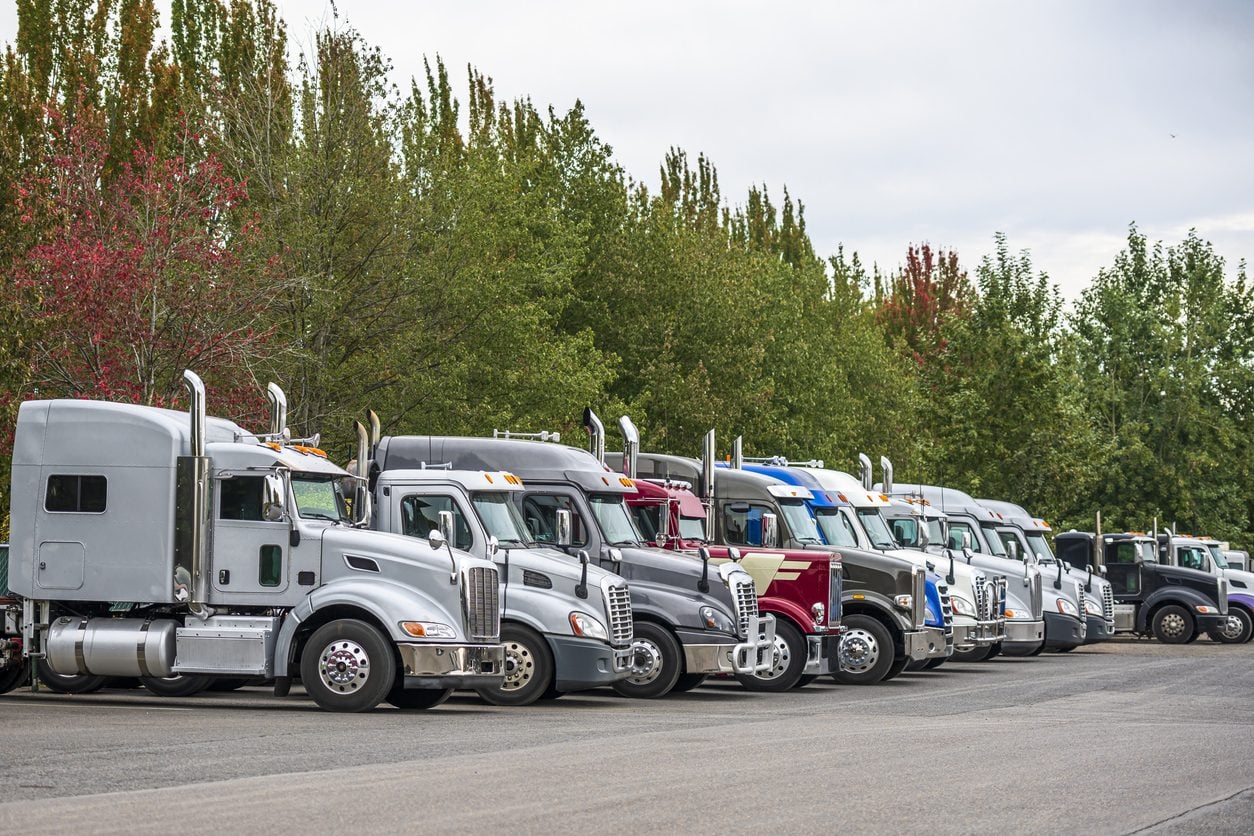
A loaded car hauler is around 75 feet long and 13 feet 6 inches tall, and campus roads are not built for it.
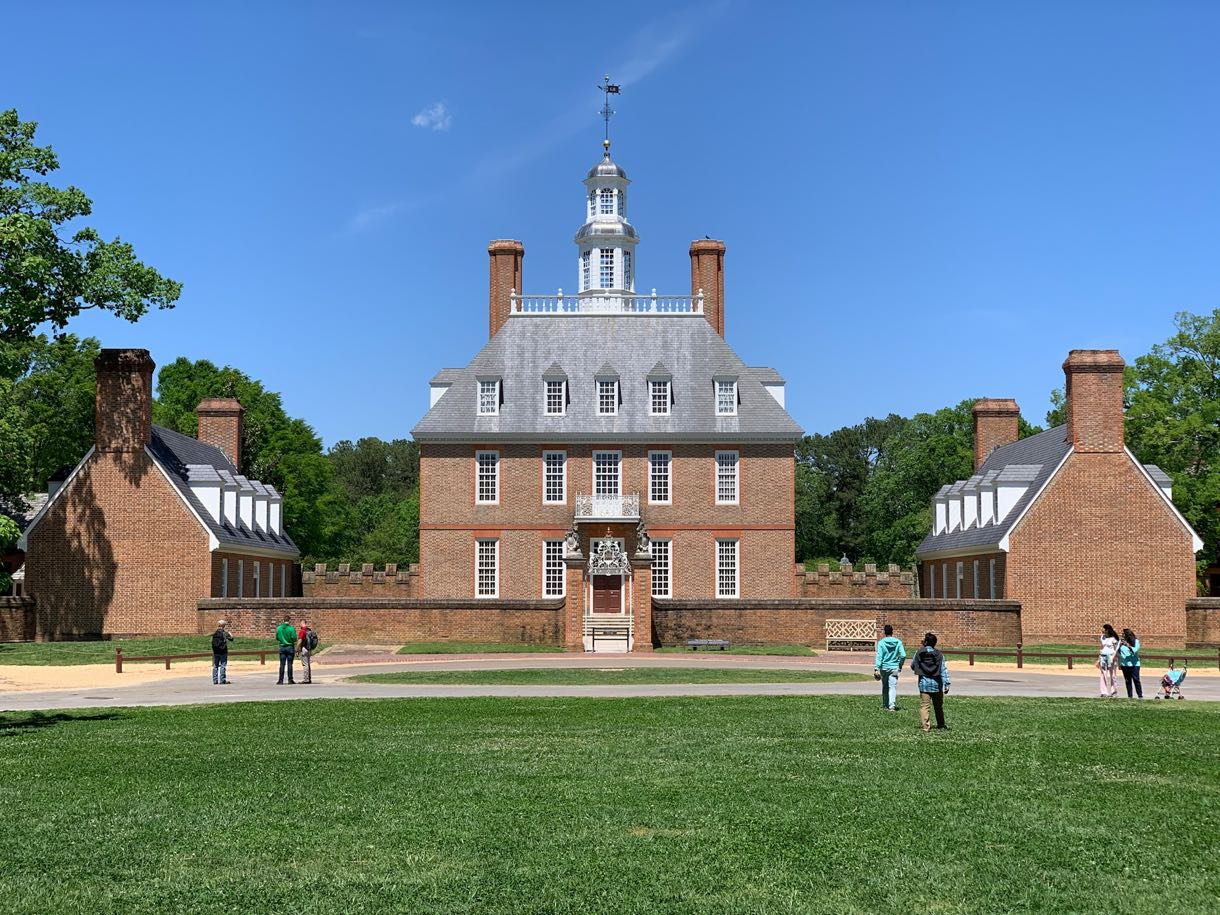
Residence halls, the dense student neighborhoods around Charlottesville and Blacksburg, and the historic streets of Williamsburg are all places a truck that size cannot legally and safely stop. Many universities also prohibit commercial vehicles on campus during move-in week specifically, when the roads are already saturated.
The normal arrangement is a meeting point at a large retail lot near an interstate exit, usually a short drive away. Agree it when you book, and check the university’s own published rules, since some designate areas and time windows for move-in deliveries.
If your student cannot meet the driver, name somebody who can and make sure they are able to inspect the vehicle, because whoever signs the bill of lading accepts the condition recorded on it.
The Schools This Comes Up For Most
Virginia has an unusually large public university system, and the shipping question is different at each end of it.
The University of Virginia at Charlottesville and Virginia Tech at Blacksburg draw students from across the country, which means long inbound lanes and a genuine argument for shipping rather than driving. Both sit near major routes, so the transport itself is straightforward; the constraint is purely the calendar.
James Madison at Harrisonburg and Virginia Commonwealth in Richmond draw more regionally, which shortens the lanes and makes driving a closer call for many families. George Mason and the Northern Virginia campuses sit in one of the densest traffic corridors in the country, where a meeting point is essentially mandatory.
William and Mary at Williamsburg and Old Dominion at Norfolk are the two where access needs the most thought. Williamsburg’s historic streets are genuinely unsuitable for a full size rig, and the Hampton Roads tunnels and bridges add routing constraints that a driver has to plan around rather than improvise.
Should They Take a Car at All?
Worth asking before spending anything, because at several Virginia schools the answer is no.
First year parking is restricted or prohibited at a number of campuses, and where it is allowed a permit can be expensive and the space inconveniently far from the residence. Charlottesville and Blacksburg both have workable transit for students living close in.
Where a car clearly makes sense: an off campus apartment, a job or clinical placement, a rural campus, or a student who travels home regularly. Where it usually does not: a first year in a residence hall on a compact campus.
Preparing the Car
Wash it so existing marks are visible, then photograph every panel in daylight, including the wheels, the lower bumpers and the rocker panels, which are what loading marks. Photograph the odometer. Do this yourself rather than delegating it.
Leave about a quarter tank of fuel and empty the car completely. The temptation to fill it with dorm belongings is real and it is not allowed: personal items are not covered by cargo insurance, they add weight and they shift in transit.
Make sure the car is actually serviceable before it goes, because a breakdown far from home is much harder to deal with when the driver is a student. And check the insurance, since a vehicle garaged in Virginia for most of the year may need the policy updated.
At delivery, inspect before signing and note anything unexpected on the bill of lading while the driver is present. Our guide to shipping a car for college students covers the service in more detail.
Cost and How to Keep It Down
Distance sets the base, then the season and the access. Student cars are usually small and light, which helps, and ordinary enough that open transport is obviously right.
The three levers are the same as any move: a range of pickup days, a meeting point near a highway rather than a campus address, and moving outside the move-in and move-out fortnights if the term dates allow any latitude.
Be wary of a quote well below the others in those peak weeks. Carriers choose loads from a live board, and a below-market rate sits unaccepted while the date you needed passes.
Common Questions
When should I book for a Virginia campus? Three to four weeks ahead for August and September move-in and for May move-out.
Can the truck deliver to the residence hall? Almost never. Campus roads cannot take a 75 foot truck and many universities prohibit them during move-in.
Which campuses are easiest to serve? Those near I-95, I-81 and I-64. Williamsburg and the Hampton Roads schools are further from the main flow.
Can we pack the car with dorm things? No. Personal items are not insured, add weight and move in transit.
Is shipping cheaper than driving it up? On anything over a few hundred miles, usually, once fuel, lodging and the days are counted, and it adds no mileage.
Get a Quote
Call Ship A Car, Inc. at (866) 821-4555 with both zip codes, the term dates you are working to and where the driver can meet your student, or price the move with the instant calculator.