Tire Care: What Actually Matters and What Does Not
Three things account for almost all tire problems: pressure, age and alignment. Tread depth gets the attention because it is easy to see, but a correctly inflated tire with good tread on a car that is out of alignment will still wear out early and unevenly. Get the three right and tires last as long as they are meant to.
Pressure Is the One That Matters Most
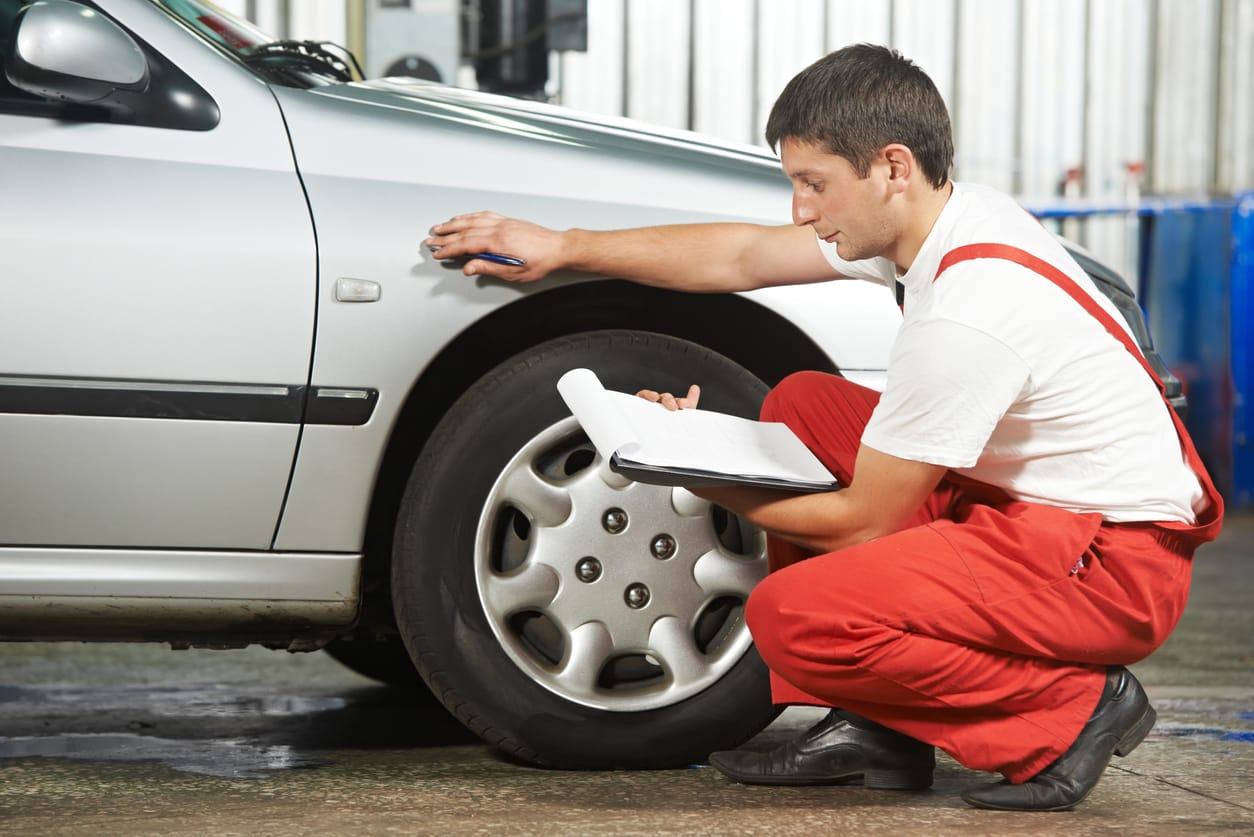
Underinflation is the single biggest cause of tire failure, and it is invisible: a tire can be significantly low and still look normal.
An underinflated tire flexes more as it rolls, which generates heat, and heat is what destroys tires. It also wears the outer shoulders while leaving the center tread intact, costs fuel economy, and lengthens braking distances.
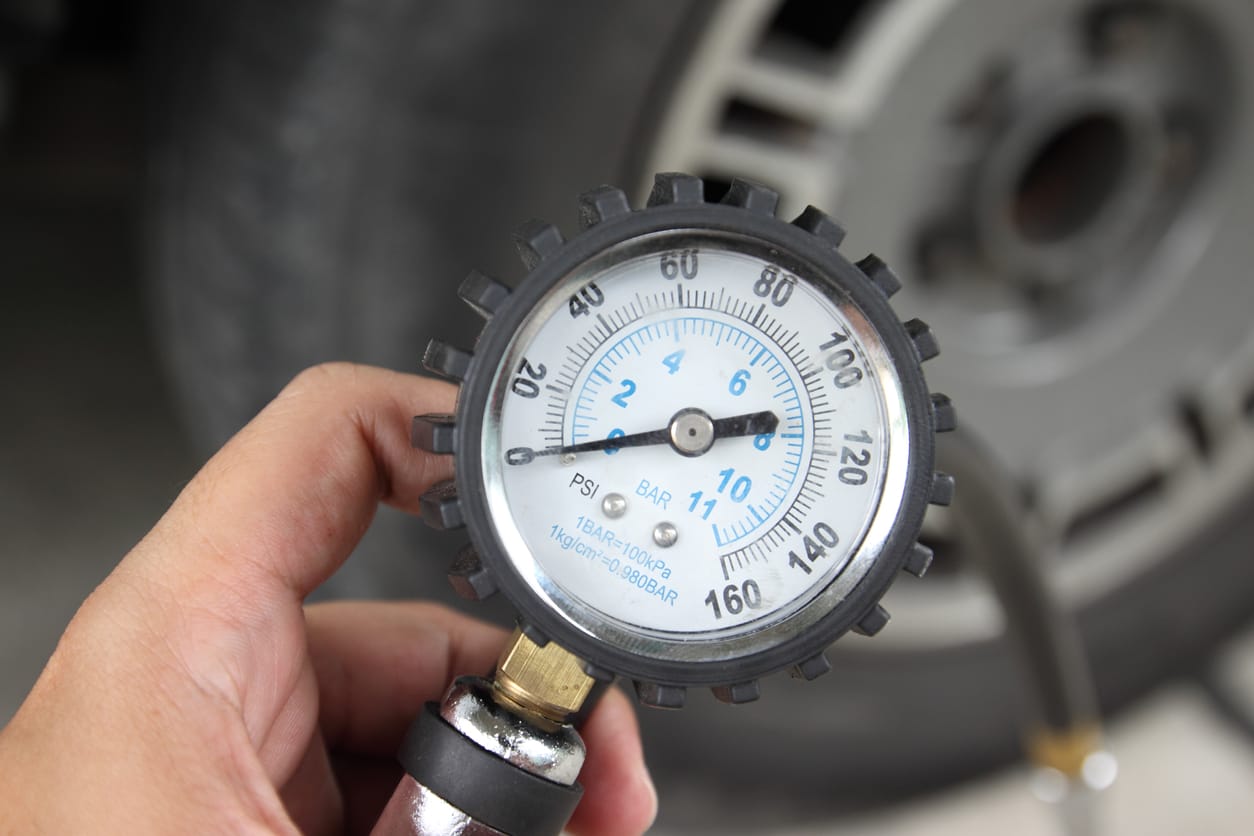
Check pressure monthly and before any long trip, with a gauge, when the tires are cold. Cold means before driving, or at least three hours after, because rolling heats the air and raises the reading.
Use the figure on the sticker in the driver’s door jamb, not the number molded into the tire sidewall. The sidewall figure is a maximum, not a recommendation.
Temperature matters too: pressure falls roughly one pound per square inch for every ten degrees Fahrenheit the air temperature drops, which is why the warning light appears on the first cold morning of autumn.
Age Kills Tires That Still Look Fine
This is the one people do not know about, and it matters enormously on vehicles that do not accumulate miles.
Rubber degrades whether the car is driven or not. Compounds harden, oils leach out and the structure weakens, and a tire with full tread depth can be structurally past it. Manufacturers generally recommend replacement somewhere around six to ten years from manufacture regardless of appearance, and many recommend inspection annually after five.
The date is on the sidewall. Look for the DOT code ending in four digits: the first two are the week and the last two are the year. A code ending 3821 means the thirty-eighth week of 2021.
Check the spare as well. A spare that has never been used is exactly the tire most likely to be dangerously old, and it is the one you will need at the worst possible moment.
This applies to trailers, classic cars, seasonal vehicles and anything that sits: a caravan or a boat trailer that has done two thousand miles in eight years is running on tires that are eight years old.
Alignment and Rotation
Uneven wear is a symptom, and reading it tells you the cause.
Both shoulders wearing faster than the center means underinflation. The center wearing faster than the shoulders means overinflation. One shoulder only means an alignment problem. Patchy or scalloped wear points at worn suspension components or unbalanced wheels.
Rotate tires at the interval in the owner’s manual, commonly every 5,000 to 8,000 miles, because front and rear tires wear differently and rotation evens it out. Get an alignment check if the car pulls, if the steering wheel sits off center, or after any significant impact with a curb or a pothole.
Seasonal and Load Considerations
Two situations where the standard advice needs adjusting.
Winter. All-season tires are a compromise and they harden as temperatures fall, losing grip well before there is ice on the road. If you regularly drive below about 45 degrees Fahrenheit, winter tires are a genuine safety difference rather than a marketing one. If you fit them, fit four rather than two: mixing grip levels front to rear makes a car behave unpredictably in exactly the conditions you bought them for.
Check pressures more often in winter, because cold air alone will take a correctly inflated tire below specification within a few weeks of the season turning.
Carrying load. Many vehicles specify a higher rear pressure when loaded, and the door sticker usually gives both figures. A car packed for a long trip, or one towing, wants the loaded figure rather than the everyday one. Setting it back afterward matters too, since an overinflated tire wears the center strip and rides badly.
Neither adjustment costs anything. Both are on the sticker most people never read.
The Checks Worth Doing Yourself
Five minutes, monthly.
Pressure on all four plus the spare, with a gauge. Tread depth using the penny test or the wear bars molded into the grooves. A look for cuts, bulges, cracking in the sidewall, and anything embedded in the tread.
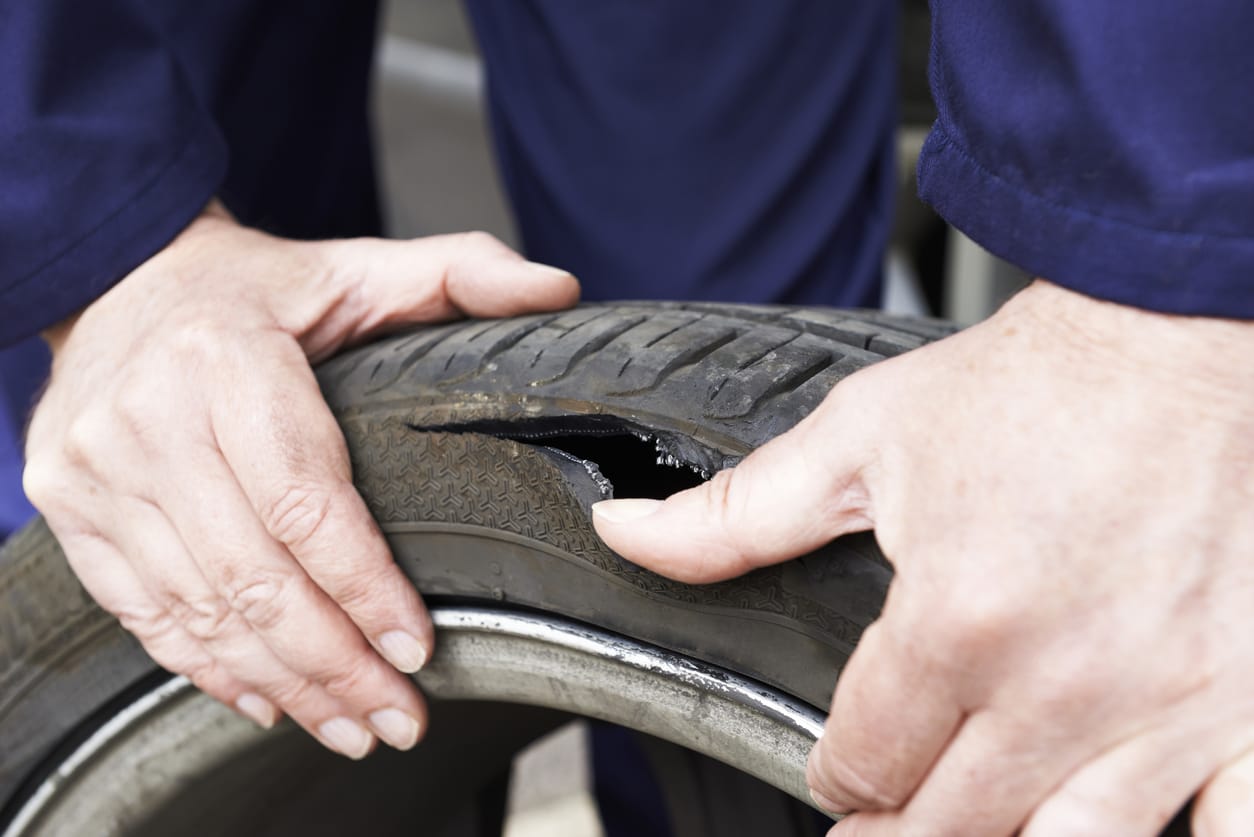
A bulge in a sidewall means the internal structure has failed and the tire needs replacing immediately, not at the next service. Sidewall cracking means age.
Do not rely solely on the pressure monitoring system. Most systems warn only once a tire is significantly low, by which point the tire has already been running underinflated for a while.
Before Shipping a Vehicle
Tires matter specifically here, and in two directions.
If the vehicle is being driven onto and off a trailer, it needs tires that hold pressure and a car that rolls and steers properly. A flat discovered at pickup delays a collection everyone has scheduled.
If it has been sitting, which describes most classics, project cars and seasonal vehicles, check the date codes rather than the tread before it goes anywhere. Old tires on a car being collected are a problem for the driver rather than for you, and they are a genuine hazard if the vehicle is driven at the far end.
Tell the carrier what the tires are set to, particularly on off-road tires running low pressures, because that affects how the vehicle is strapped. And note pressures in your pickup photographs alongside the panels, since a tire that is flat on arrival is much easier to discuss if you recorded it beforehand. Our guide to what car shipping insurance actually covers explains what the condition report has to do.
Common Questions
What matters most? Pressure. Underinflation is the biggest cause of tire failure and it is invisible without a gauge.
Which pressure figure do I use? The one on the door jamb sticker. The sidewall number is a maximum, not a recommendation.
Do tires expire? Yes. Rubber degrades whether driven or not. Read the DOT code: last four digits are week and year of manufacture.
How do I read uneven wear? Both shoulders means underinflation, center means overinflation, one shoulder means alignment, patchy means suspension or balance.
What should I check before shipping? That the tires hold pressure and the car rolls and steers, and on a vehicle that has been sitting, the date codes rather than the tread.
Get a Quote
Call Ship A Car, Inc. at (866) 821-4555 with both zip codes and whether the vehicle runs and drives, or request an estimate for the move through the quote calculator.