Preparing a Dealership Inventory for Natural Disasters
A dealership’s inventory is its single largest exposed asset, and it sits outdoors on a lot with nowhere to go. Hurricanes, floods, hail and wildfire all destroy vehicles that could have been moved, and the difference between a costly week and a catastrophic one is usually whether relocation was planned before the forecast rather than after it.
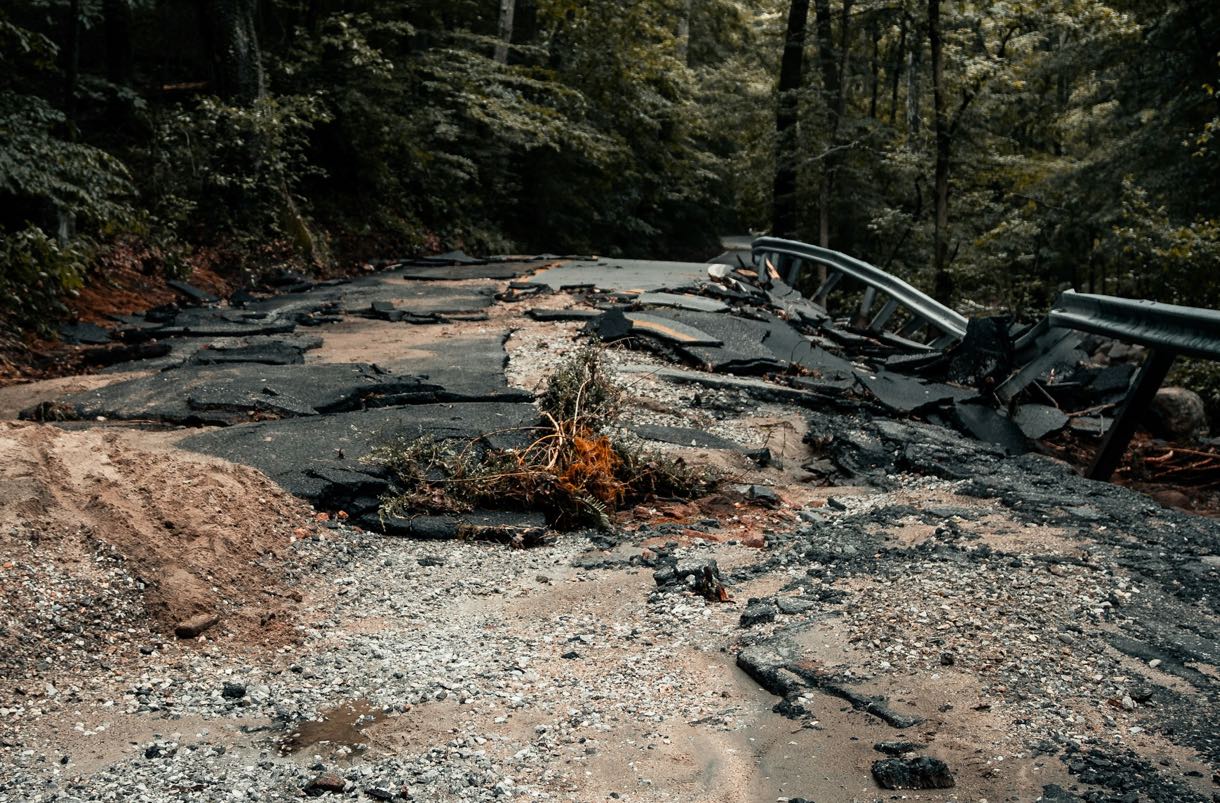
Know What You Would Move, Before You Need To
The decision that costs time in an emergency is not how to move vehicles, it is which ones.
Work out in advance which inventory is worth relocating: high value units, low volume trims, anything already sold and awaiting delivery, and demonstration vehicles. A hundred unit lot rarely needs to move in its entirety, and trying to decide that under a 48 hour forecast is how dealerships end up moving nothing.
Have the list, the VINs and the keys organized before the season starts. Know what your insurance actually covers for inventory on the lot and in transit, because those are frequently different policies with different limits.
Capacity Disappears Faster Than You Think
This is the operational fact that governs everything else.
When a storm track firms up, every dealership, rental fleet and private owner in the region tries to move vehicles at the same time. Carrier capacity in a coastal market is exhausted within a day or two, and rates rise sharply as it goes.
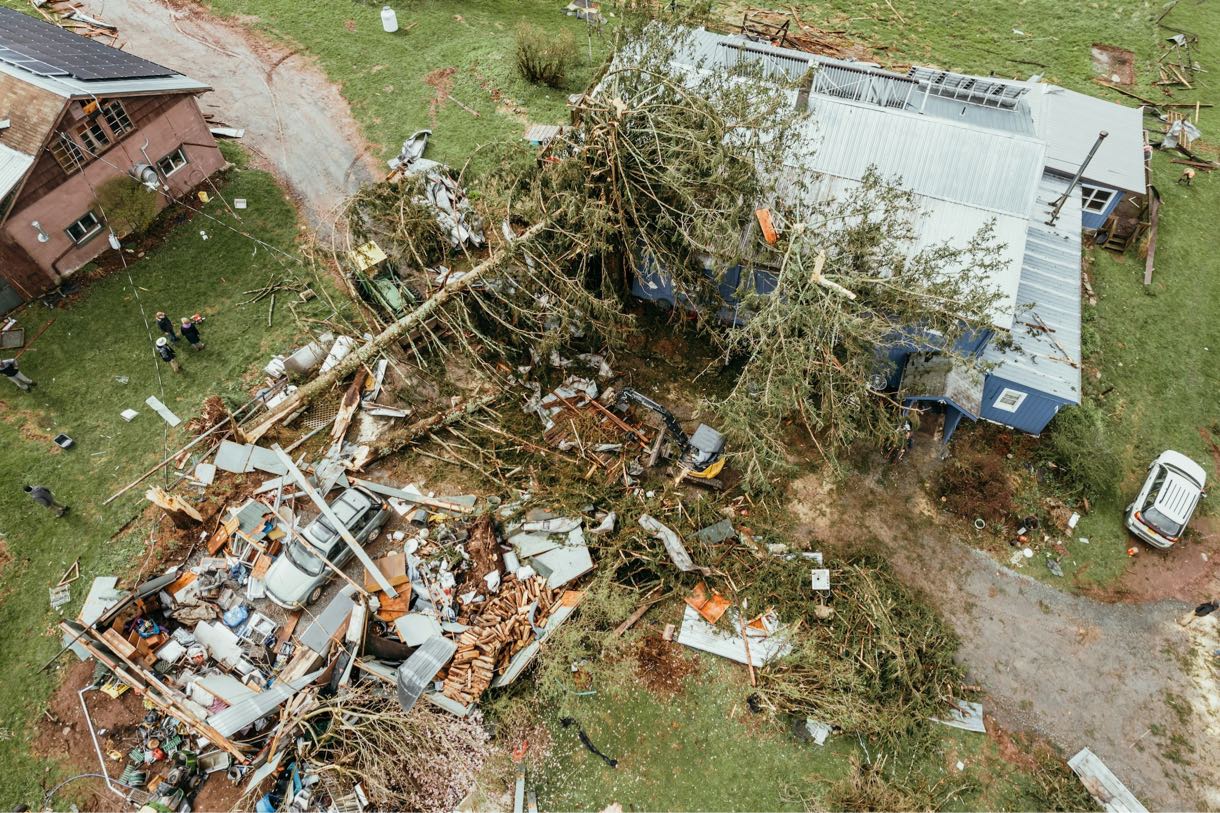
The dealerships that get vehicles out are the ones that called early, or that had a standing relationship with a transport partner before the season. The ones that wait for certainty find there are no trucks.
After the event the problem inverts. Roads close, fuel is short, and carriers will not commit to a destination they cannot reach, so recovery movement is slower than evacuation movement.
The Regional Risks Are Different
Gulf and Atlantic coast dealerships plan around hurricane season, June through November, with days rather than hours of warning and a well understood evacuation pattern.
Tornado alley and the plains states face hail, which is the most common and most expensive inventory loss in the country and comes with almost no warning. Covered storage or hail netting is the practical answer there, since relocation is rarely possible in the time available.
Western dealerships plan for wildfire, where evacuation orders can come with very little notice and roads close in both directions. River valley locations plan for flooding, which is slower moving and more predictable but affects a wider area.
Where the Vehicles Actually Go
Having somewhere to send them matters as much as having transport.
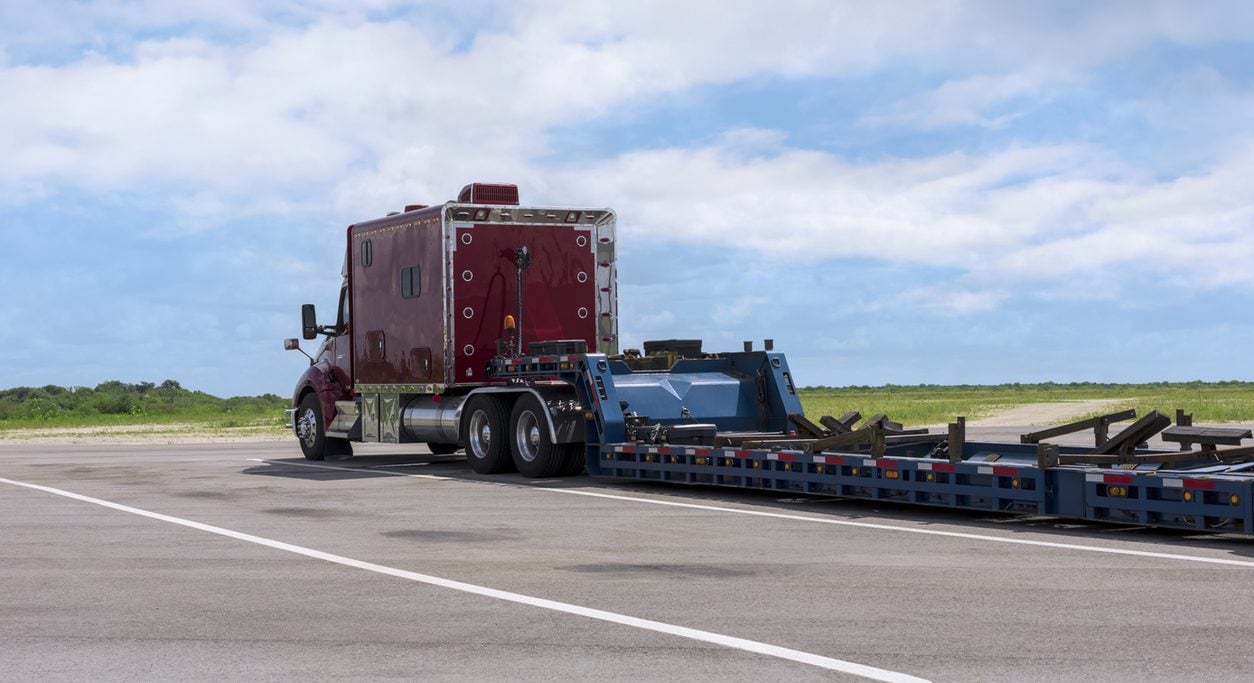
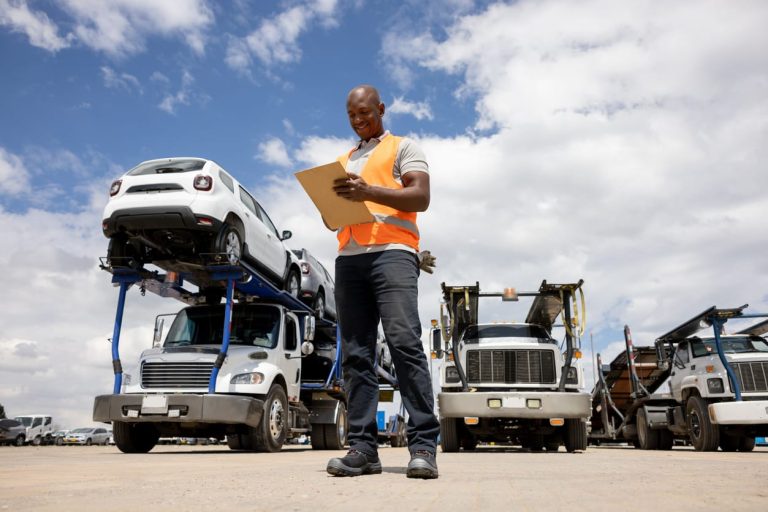
Arrangements worth making in advance include a sister store or dealer group location inland, a commercial storage facility outside the risk area, or an auction facility with secure parking. Confirm they can take the volume and that access works for a 75 foot car hauler, because a location a truck cannot enter is not a location.
Multi car open carriers move eight to ten vehicles per truck and are the sensible choice for volume. For a handful of high value units, enclosed is worth the premium.
Build the Relationship Before the Season
The single most useful thing a dealership can do is have a transport partner who already knows the account before an emergency starts.
That means someone who has your locations on file, knows what a typical evacuation volume looks like for you, and has the inland destinations already confirmed. When a storm is named, that conversation is a phone call rather than an onboarding process, and the difference is measured in the hours that decide whether trucks are still available.
It also means agreed commercial terms. Negotiating rates and payment during an emergency is a poor position to be in, and a standing arrangement removes the argument entirely at the moment you least want it.
Ask about surge capacity specifically. A broker with a wide carrier network can pull trucks from outside the affected region, which is exactly what a single fleet cannot do when everyone in the area needs the same thing on the same day.
After the Event
Recovery movement runs on a different timetable and it is worth planning as deliberately as the evacuation.
Vehicles held inland need to come back, and every dealership in the region wants that at the same time. Roads reopen unevenly, fuel supply lags, and access to your own lot may be restricted for longer than you expect.
Any vehicle that stood in floodwater should be inspected properly before it is moved or sold, regardless of how it looks. Water damage to electronics and drivetrains commonly appears weeks later, and a flood vehicle sold as sound is a far larger problem than the storm was.
Documentation Protects the Claim
Photograph the inventory before anything moves. Every vehicle, every panel, in daylight, with the VIN visible.
That record is what separates a straightforward insurance claim from a disputed one, and it is worth doing as a routine at the start of each season rather than in a rush when a storm is named.
Keep the bills of lading. A vehicle’s condition at pickup and at delivery is recorded on that document, and if damage occurs in transit it is the evidence that matters. Our guide to dealership vehicle shipping covers the day to day service.
Common Questions
How much notice do I need? As much as possible. Regional carrier capacity is exhausted within a day or two of a serious forecast.
Should I move the whole lot? Rarely. Decide in advance which units justify it: high value, low volume, sold and awaiting delivery, and demonstrators.
Where should vehicles go? An inland sister store, a commercial storage facility or an auction lot outside the risk area, confirmed in advance for volume and truck access.
What about hail? Hail gives almost no warning, so covered storage or netting is the practical answer rather than relocation.
Is transit covered by my insurance? Lot coverage and in transit coverage are frequently separate policies with different limits. Check both before the season.
Get a Quote
Call Ship A Car, Inc. at (866) 821-4555 to discuss inventory relocation, volume capacity and a standing arrangement ahead of the season, or get one unit’s move estimated by email via the quote calculator.