Shipping a Salvage Title Car
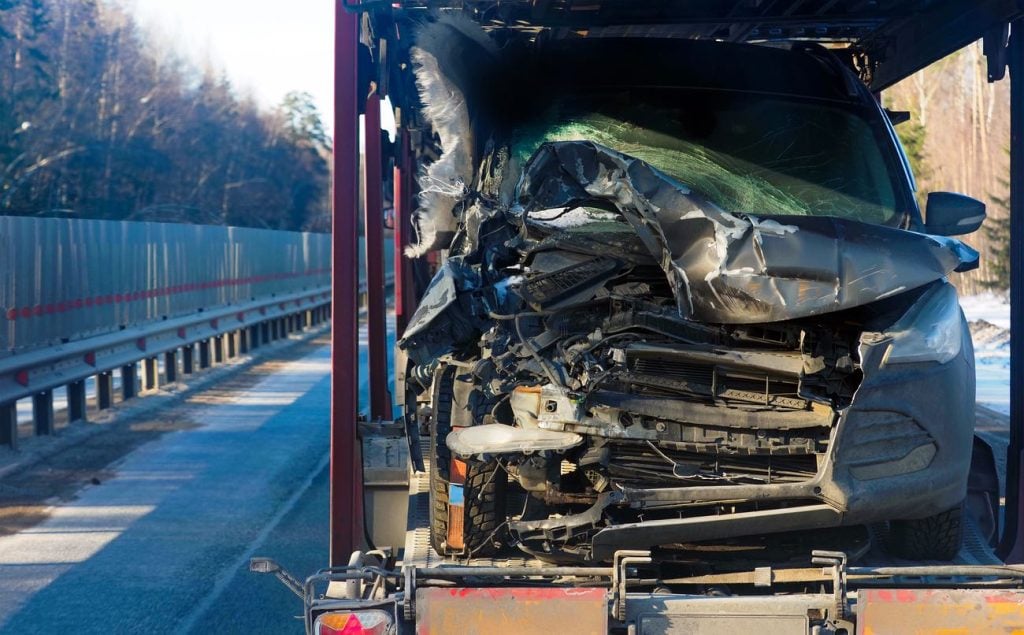
The question that decides your quote is not whether the car has a salvage title; it is whether the car rolls, brakes and steers. A salvage title is a paperwork status, and by itself it changes very little about the move. An inoperable vehicle changes a great deal, because it needs a winch, a driver with the right equipment, and enough room at both ends to drag it on and off. Tell us which you have and the rest follows.
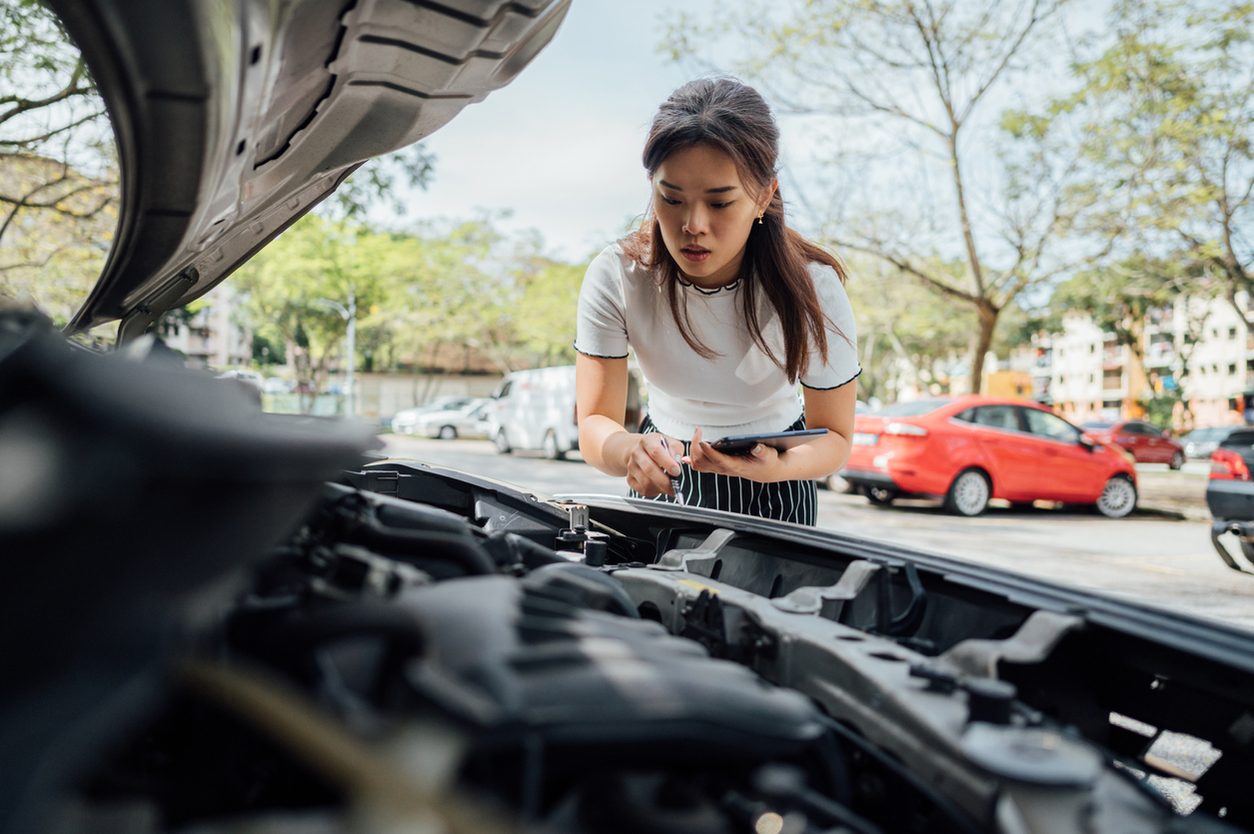
Salvage Title Is Not the Same as Wrecked
States issue a salvage title when an insurer declares a vehicle a total loss, and the threshold for that is financial rather than structural.
In practice a car is written off when the repair estimate reaches somewhere around 70 to 80 percent of its value, and the exact figure varies by state. On an older car with a modest book value that can mean cosmetic damage, hail, or a theft recovery that came back with nothing worse than a broken window. Some salvage titles are attached to cars in near perfect running order.
Once repaired and inspected, a salvage vehicle can be issued a rebuilt title in most states, which is a separate status again. All of this matters for what you can insure and register later. For transport, the only line that matters is whether it drives.
Running, Rolling, or Neither
There are three categories, and each is priced differently.
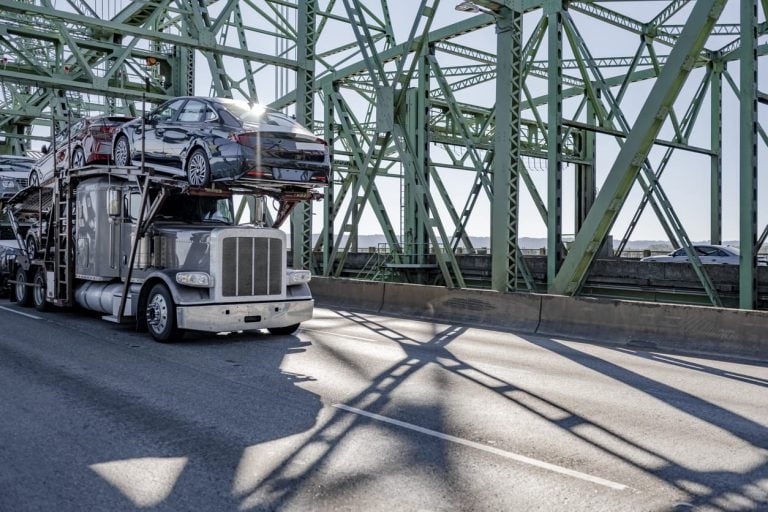
A car that starts and drives loads like any other and costs the same as a standard shipment. A car that does not start but rolls, brakes and steers is winched onto the trailer, which usually adds somewhere around $100 to $250. In our own book since 2023, the middle half of non-running vehicles ran $750 to $1,400 against $850 to $1,500 for running cars on open carriers. Compared like for like on open transport only, our non-running orders ran $750 to $1,350: lower, because they skew to shorter lanes, not because winching is free. A car that will not roll, will not steer, or has seized brakes needs specialist handling and may need a forklift or a wrecker at both ends, which is a different quote entirely.
Be precise about this at booking. A driver who arrives expecting a roller and finds a locked up car will decline the load, and you will pay for a dry run and wait for another truck.
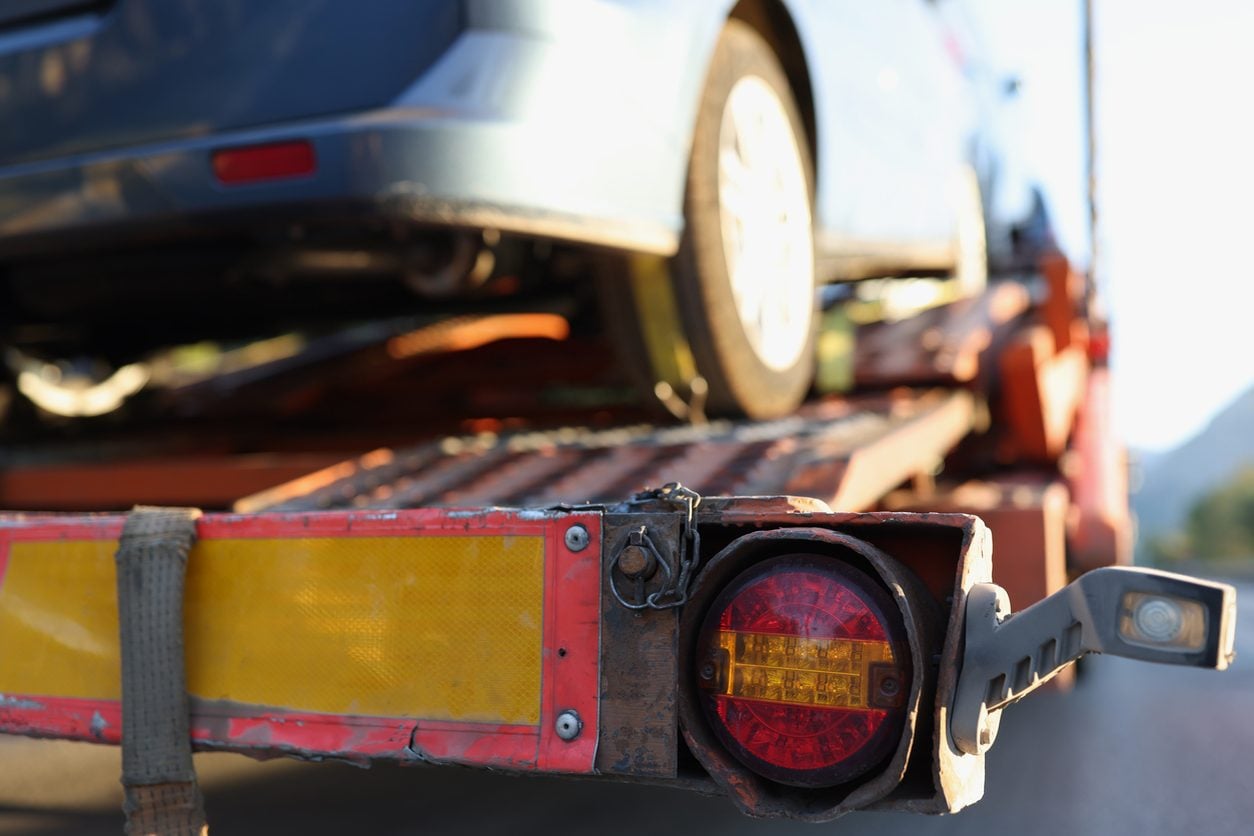
What the Carrier Needs to Know
Beyond the running status, a few details change the equipment sent.
Say whether the wheels and tires are on and inflated, because a car on flat tires or missing a wheel cannot be winched normally. Say whether the steering locks or the wheels are pointing straight. Say whether any panel is loose, hanging or missing, since a hood that could lift at highway speed has to be secured before departure. And say whether fluids are leaking, because a leaking car cannot travel on an upper deck over other vehicles.
None of these disqualify a load. All of them change how it is loaded, and finding out at the curb is what causes delays.
Insurance Covers Less Than You Think
Carrier cargo insurance covers damage caused in transit, not the damage the car already had.
That distinction is why documentation matters more on a salvage vehicle than on any other shipment. The condition report will already list a long set of defects, and if it is vague, any later claim becomes an argument about which dent came from where.
Photograph the car thoroughly before pickup, in daylight, from every angle, and include close ups of every area of existing damage. Then read the bill of lading rather than signing it blind, and make sure the existing damage is described specifically rather than as a general note.
Buying at Auction
Most salvage vehicles ship straight from an auction lot, and those sites have rules of their own.
Auctions typically hold vehicles for a limited period before storage charges start, and they usually require a gate pass or release paperwork before a driver can collect. Some have specific loading hours and require the buyer to arrange loading assistance.
Book transport as soon as the sale completes rather than after the storage clock starts, and send us the lot number, the gate pass and the site’s collection hours with the booking. Give the auction’s own description of the running status too, since that is what the driver will encounter.
Open or Enclosed
Open transport is the sensible default for most salvage vehicles, and it is what nearly everyone uses.
Enclosed makes sense in two cases: a car with broken glass or missing panels that would take weather through the journey, and a valuable vehicle bought for restoration where further deterioration matters. For a routine repairable car heading to a shop, enclosed is money that would be better spent on the repair.
Common Questions
Can you ship a salvage title car? Yes. The title status changes nothing about the transport itself.
Does it cost more? Only if it does not run. Winching a non running car typically adds around $100 to $250.
What if it will not roll or steer? That needs specialist equipment at both ends and is quoted separately. Say so at booking.
Is the existing damage insured? No. Cargo insurance covers transit damage only, which is why the condition report needs to be specific.
Can you collect from an auction? Yes. Send the lot number, gate pass and collection hours, and book before storage charges begin.
Get a Quote
Call Ship A Car, Inc. at (866) 821-4555 with the running status and both addresses, or request an estimate for the move through the quote calculator.