Shipping a Truck with a Lift Kit or Oversized Tires
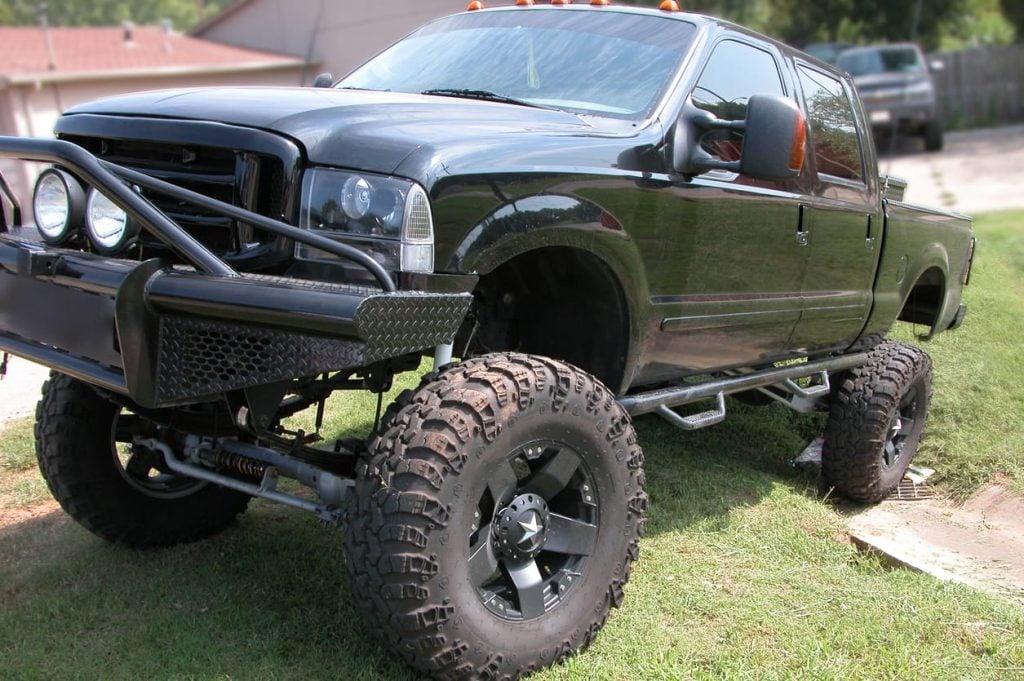
A lifted truck is priced as a larger vehicle, and the reason is simple: it takes up space on the trailer that another car would have filled. The figure that matters most is total height. A stock full size pickup runs around 6 feet 4 inches; a 6 inch lift on 35 inch tires can push the same truck past 7 feet 6 inches, and past about 7 feet the truck no longer fits on the upper deck of a standard hauler. That single fact drives everything else in the quote.
Measure It, Do Not Estimate
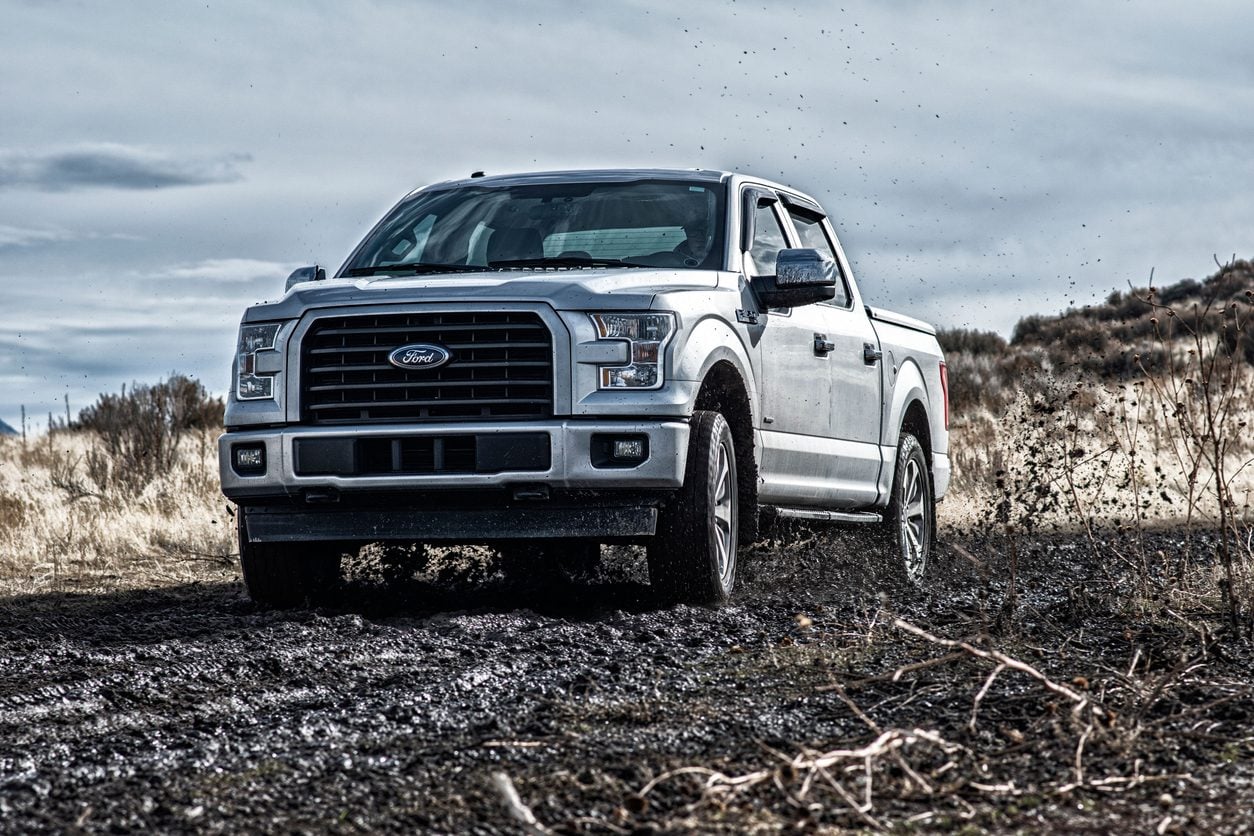
Three numbers, taken with the truck on level ground.
Height is measured from the ground to the highest fixed point. That includes a light bar, a roof rack, a cargo basket, antennas and anything mounted on a bed rack. If the highest point is a whip antenna that unscrews in ten seconds, take it off before you measure.
Width is measured at the widest point, which on a lifted truck is usually the tires or the fender flares rather than the mirrors. Aftermarket flares and wide offset wheels add more than people expect.
Length includes a winch bumper, a bull bar, a hitch mounted carrier or a tire swing out at the rear. Then give the weight, since armor, a winch, a bed rack and larger wheels add several hundred pounds over stock.
Where It Rides on the Trailer
An open hauler has an upper and a lower deck, and they are not interchangeable.
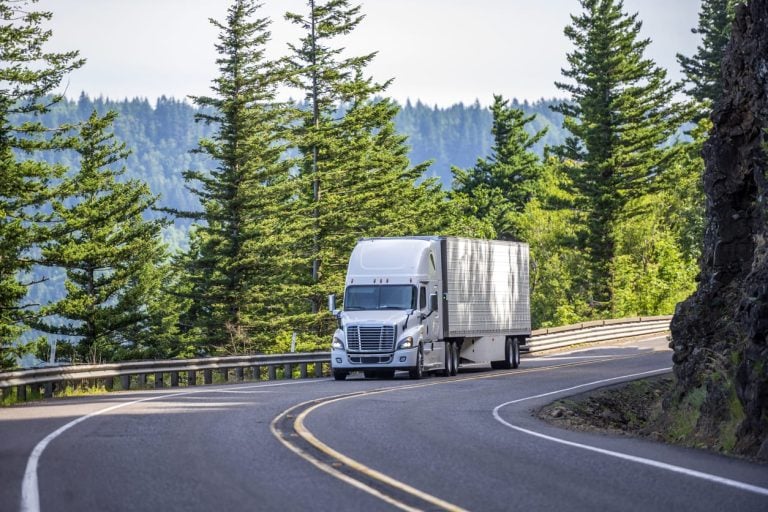
The upper deck has limited clearance and is where most sedans travel. Once a vehicle exceeds roughly 7 feet tall it has to go on the lower deck, and the lower deck has fewer positions. In practice a tall truck occupies a spot that could have carried a sedan plus part of another, which is why the rate rises.
Very tall builds sometimes need a flatbed rather than a hauler, and at that point the load is being quoted differently again.
The Legal Ceiling
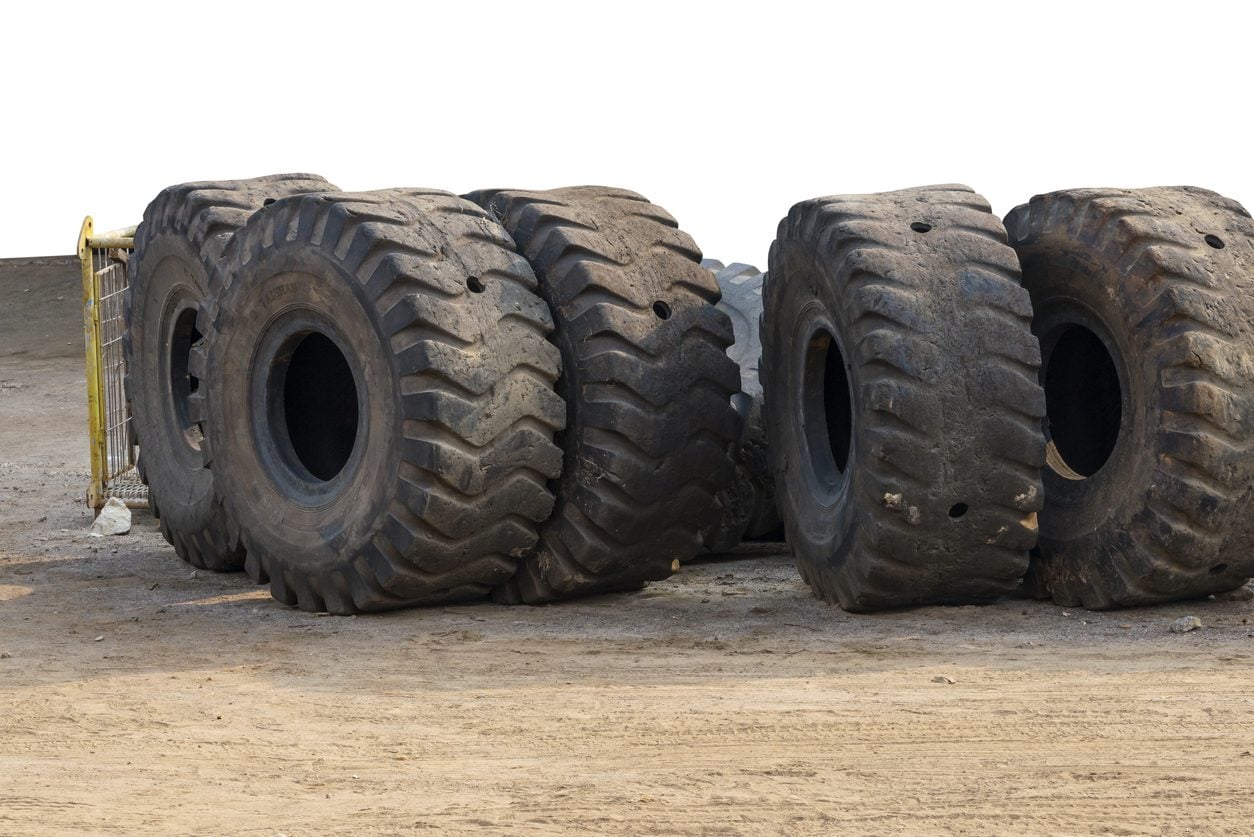
The trailer plus the load has to stay under 13 feet 6 inches measured from the road surface, and that is a hard limit rather than a guideline.
A lower deck sits around 5 feet up, so a truck approaching 8 feet tall is close to the ceiling once loaded. Past it, the load becomes a permitted move with routing and timing restrictions, which for a single pickup is rarely worth it.
This is why an honest height figure matters. A truck measured optimistically at the curb turns into a refused load and a wasted dispatch.
What Comes Off
The cheapest fix is usually removal, and most of it takes minutes.
Roof mounted light bars, antennas, cargo baskets and roof top tents all unbolt and can travel inside the bed or the cab. A hitch mounted carrier or bike rack comes off. Removable side steps and mirror extensions come off.
Getting under 7 feet moves the truck back onto the upper deck on many trailers, and the saving on a long move is considerably more than the labor.
Enclosed, and When It Is Worth It
Most lifted trucks travel perfectly well on an open carrier, and that is what the great majority use.
Enclosed makes sense for a show build, a fresh wrap or expensive paintwork, and for anything where road grit is a real loss rather than an inconvenience. Note that enclosed trailers have their own interior height limit, frequently lower than an open hauler’s lower deck, so a very tall truck may not fit in one at all. Confirm before assuming enclosed is the safer answer.
Loading a Lifted Truck
Height is only half the problem; the other half is geometry.
A lifted truck has a long approach angle and a stiff suspension, and it loads up ramps differently from a stock vehicle. Tell the driver how it behaves, particularly if it has locked differentials, a manual transfer case, or an air suspension with a travel setting.
Photograph it before it goes, in daylight, including the underside, the rock sliders and the wheels. Aftermarket parts are exactly what gets scraped on a ramp, and they are the hardest items to argue about afterwards without a picture.
Common Questions
Does a lift kit cost more to ship? Yes, because a taller truck occupies space another vehicle would have used, usually on the lower deck.
What is the height that matters? Ground to the highest fixed point, including light bars, racks and antennas.
Is there a legal limit? The trailer and load must stay under 13 feet 6 inches from the road. Past that it is a permitted move.
Can I reduce the cost? Often. Removing a light bar, roof basket or antenna to get under about 7 feet can put the truck back on the upper deck.
Should I use enclosed transport? Only for show builds, wraps or fresh paint, and check the trailer’s interior height first.
Get a Quote
Call Ship A Car, Inc. at (866) 821-4555 with the measured height, width and weight, or request an estimate for the move through the quote calculator.