How to Ship a Jeep Grand Cherokee
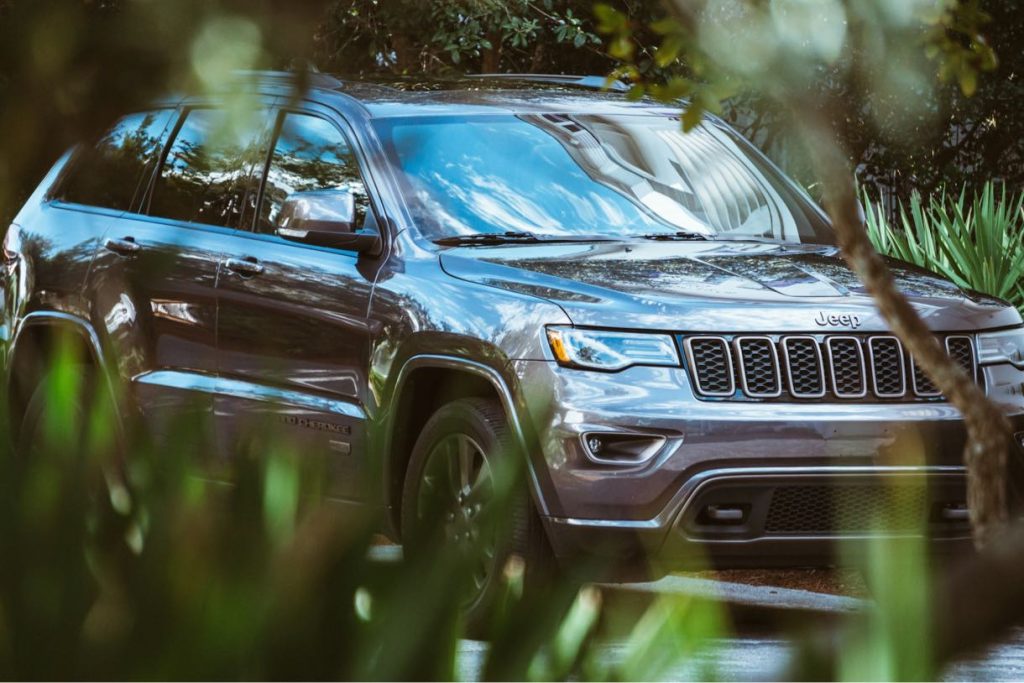
A Grand Cherokee ships as an ordinary mid size SUV unless something has been done to it, and on this particular vehicle something usually has been. A lift kit, oversized tires, a roof rack or a light bar all change which deck it can travel on, and an undeclared modification is the most common reason a Jeep gets repriced at the curb.
Here is what the vehicle means for the job, what moves the price, and what to declare.
Popular Routes
Grand Cherokees move on the same lanes as everything else, and the busy ones price best.
The Interstate 95 corridor from the Northeast into Florida is the heaviest, and it is seasonal: southbound firms up from October through December, northbound from March through May. Interstate 10 across the south, Interstate 80 across the north and the Los Angeles to Phoenix to Dallas run are all well served corridors where assignment is usually quick.
Transit is roughly 500 miles a day once collected, so coast to coast is four to five driving days at minimum, plus a few days for assignment. That is a federal limit rather than a service level: a driver may drive 11 hours inside a 14 hour day and no payment changes it.
Cost Factors
Five things move the number, and two of them are specific to this vehicle.
Size and weight. A Grand Cherokee is heavier and taller than a sedan, so fewer fit on a trailer that is limited on both. It prices above a compact car and below a full size pickup or a three row SUV.
Modifications. This is the Jeep specific one. A lift kit plus 33 or 35 inch tires can push the vehicle past the height available on a lower deck, which changes where it can be loaded and what it costs. A roof rack, a rooftop tent or a light bar does the same. Give the measured height with everything fitted rather than the factory figure.
Route and timing. A busy corridor prices better than a detour off the interstate, and mid month is quieter than the end of the month.
Flexibility. A two or three day pickup window lets a carrier fit the vehicle into a route already running. A fixed date costs more.
Condition. A Jeep that does not run, steer or brake needs a winch and a suitably equipped carrier. Declare it at booking.
Open vs. Enclosed Transport
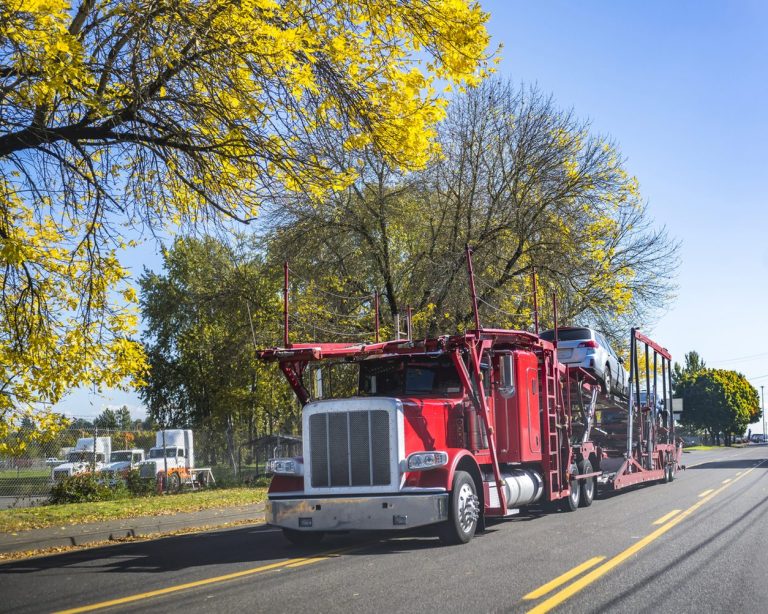
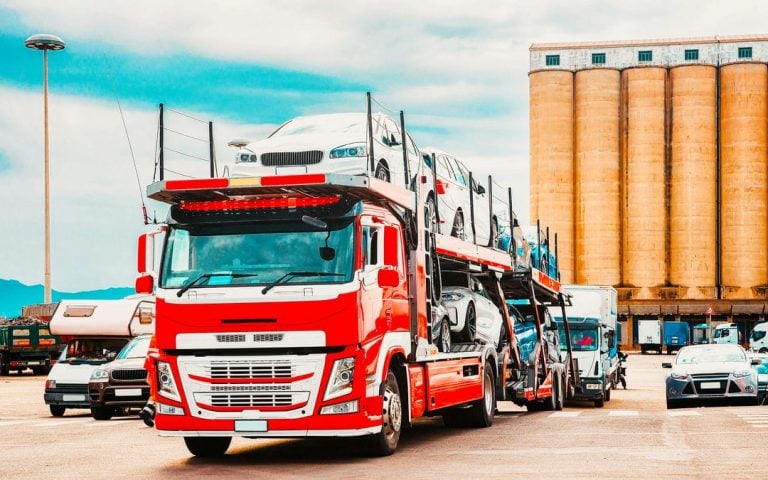
Open transport is right for the great majority of Grand Cherokees. It is what the manufacturer uses to deliver them to dealers in the first place, and a vehicle built to be driven in weather is not harmed by riding in it.
Enclosed costs about a third more and is worth it in three cases: a fresh respray or a wrap, a genuinely valuable or heavily modified build, or a long winter run through road salt where you would rather the underside stayed clean.
One practical note. A lifted Jeep is frequently too tall for an enclosed trailer, which has a fixed internal height, so the taller the build the more likely open transport is the only option. Measure before assuming enclosed is available.
How Long It Takes
Two numbers, and people conflate them.
Assignment is the time before a carrier accepts the load. Usually a few days on a busy corridor, longer on a thin lane or into a remote address.
Transit is roughly 500 miles a day after collection. One to two days in the Northeast, two to four to Florida from the Northeast, five to eight coast to coast.
Both are windows rather than appointments, because a driver runs a multi vehicle route and one slow stop moves everything behind it. Why that is unavoidable is covered in our page on hours of service and transit times.

If It Is a Trail Built Vehicle
A heavily modified Grand Cherokee is a different conversation from a stock one, and worth flagging when you book rather than at collection.
Beyond height, a winch bumper adds front overhang, rock rails change where straps can safely go, and aggressive tires can affect how the vehicle sits in a wheel chock. None of these are problems for a carrier who knows in advance; all of them are problems for one who does not.
If the build is genuinely valuable, ask about the carrier’s cargo insurance limit specifically, because that limit is usually per load rather than per vehicle.
Preparing the Jeep
Wash it so existing marks are visible, then photograph every panel in daylight including the wheels, lower bumpers, rocker panels and the odometer. On a Jeep, photograph the underside and the rock rails as well, because that is where existing trail damage lives and it is exactly what gets disputed later.
Leave about a quarter tank of fuel. Empty the cabin and cargo area completely, since personal items are not covered by cargo insurance and add weight. Remove or secure anything on the roof. Fold the mirrors, disable a motion sensitive alarm, remove any toll transponder and hand over one working key.
If it has an aftermarket alarm, a kill switch or an unusual starting procedure, write it down. At delivery, inspect before signing and compare against your photographs, noting anything unexpected on the bill of lading while the driver is present.
Common Questions
Does a lift kit change the price? It can. Extra height affects which deck the vehicle travels on, so give the measured height with everything fitted.
Can a lifted Jeep go enclosed? Sometimes not. Enclosed trailers have a fixed internal height, so measure before assuming.
Open or enclosed for a standard Grand Cherokee? Open. It is how they are delivered new.
How long does it take? A few days for assignment, then roughly 500 miles a day. Coast to coast is four to five driving days minimum.
What should I photograph that is Jeep specific? The underside and rock rails, where existing trail damage lives.
Get a Quote
Call Ship A Car, Inc. at (866) 821-4555 with both zip codes, your date range and the measured height with any lift, tires or roof accessories fitted, or request an estimate for the move through the quote calculator.