Protecting a Car from Flood Damage
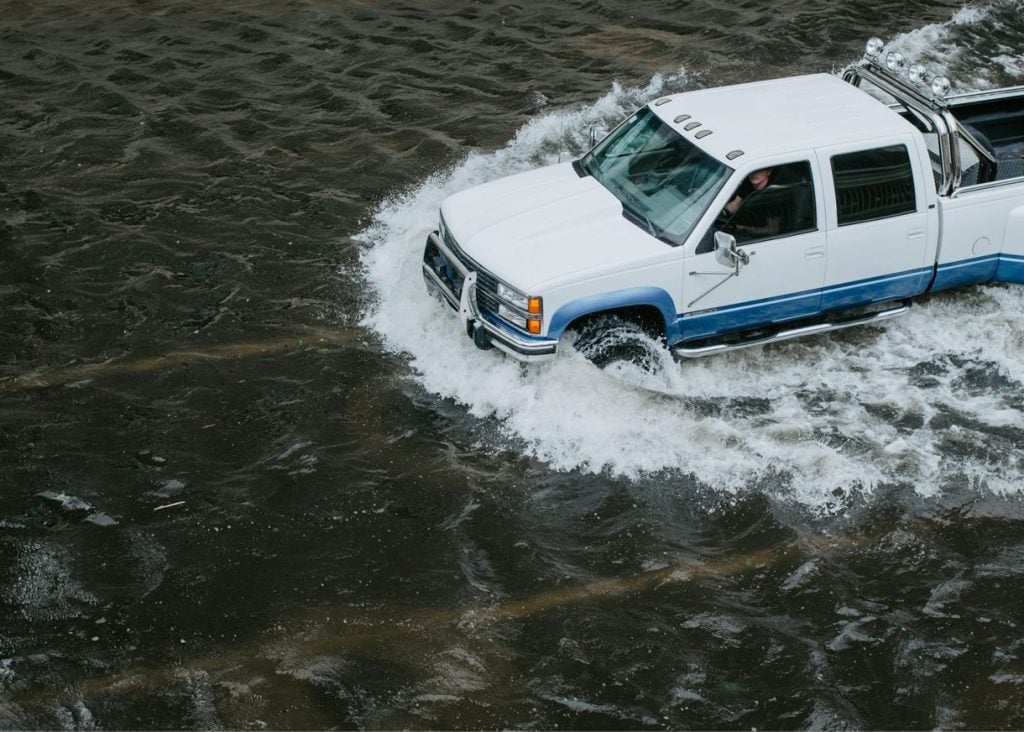
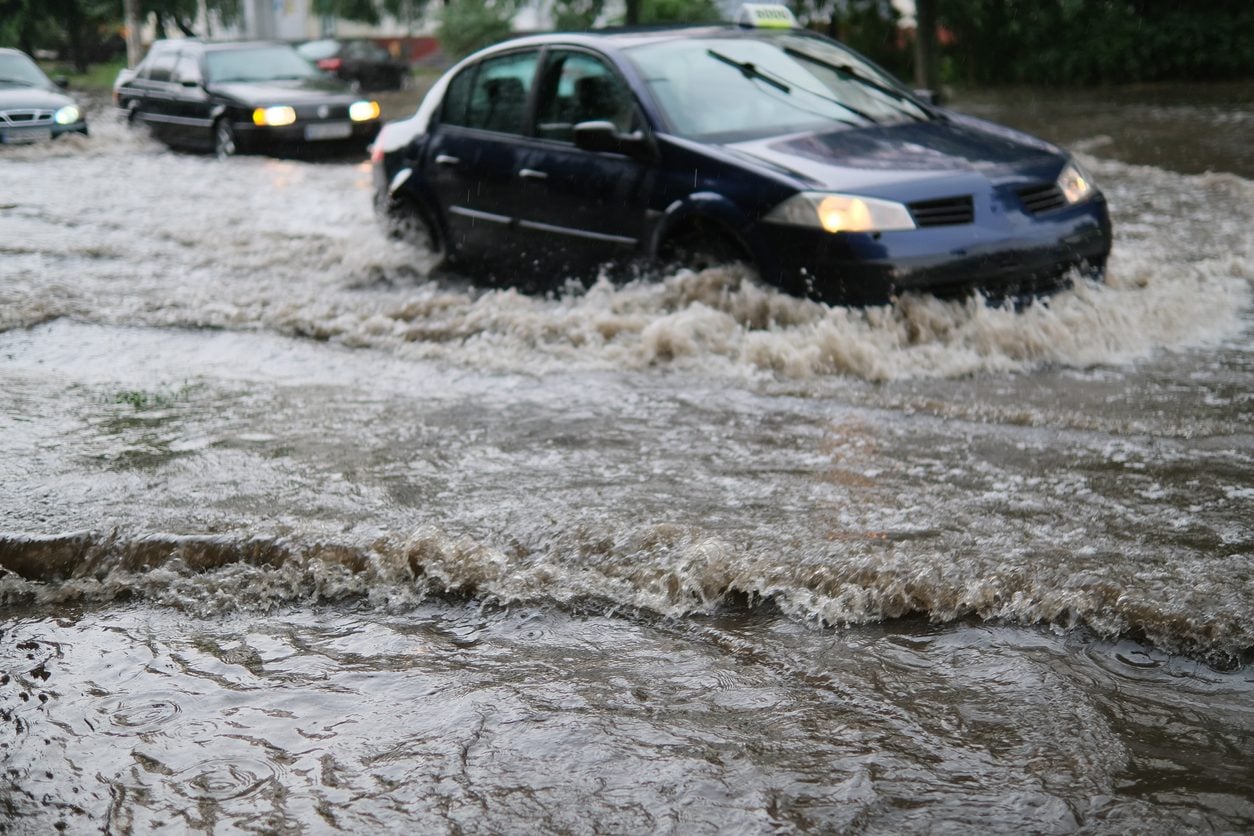
Six inches of moving water is enough to lose control of a car and about twelve inches will float most of them, which is why the only reliable protection is moving the vehicle before the water arrives rather than dealing with it afterwards. Flood damage is also the hardest kind to recover from: water reaches the electronics, the interior and the drivetrain, and insurers write these cars off at a rate that surprises owners.
Move It Before, Not After
The whole of the useful advice is in the timing.
If you are in a flood prone area and a storm is forecast, relocate the vehicle to higher ground early. A parking structure on an upper level, a friend’s driveway inland, or simply a few miles away from the flood plain is enough. Waiting until the roads are already flooded means you cannot move it at all, and driving through moving water to try is how people are killed.
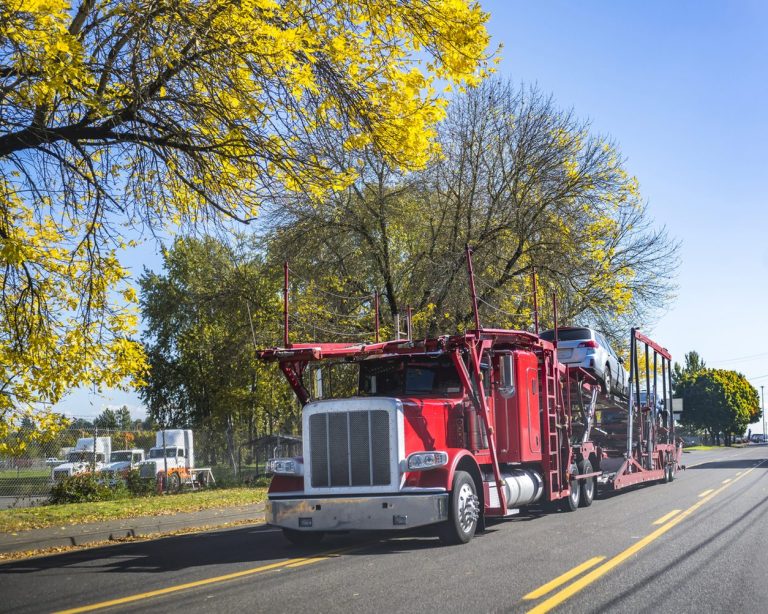
Where a whole region is being evacuated, transport books out fast and roads close. If you are shipping the car out ahead of a storm, that decision has to be made days in advance rather than hours.
What Water Actually Does
Understanding the damage explains why recovery is so limited.
Modern cars carry control modules low in the body, in footwells, under seats and behind kick panels. Water reaches them quickly, and corrosion in a connector shows up weeks or months later as faults nobody can trace. Saltwater is far worse than fresh, because the corrosion continues after everything has dried.
Water in the engine through the air intake causes hydrolock, which usually means catastrophic internal damage the moment somebody tries to start it. Water in the transmission and differentials contaminates the fluid. Carpet, underlay and seat foam hold moisture and grow mold, and airbag modules and seat belt pretensioners are frequently condemned outright once submerged.
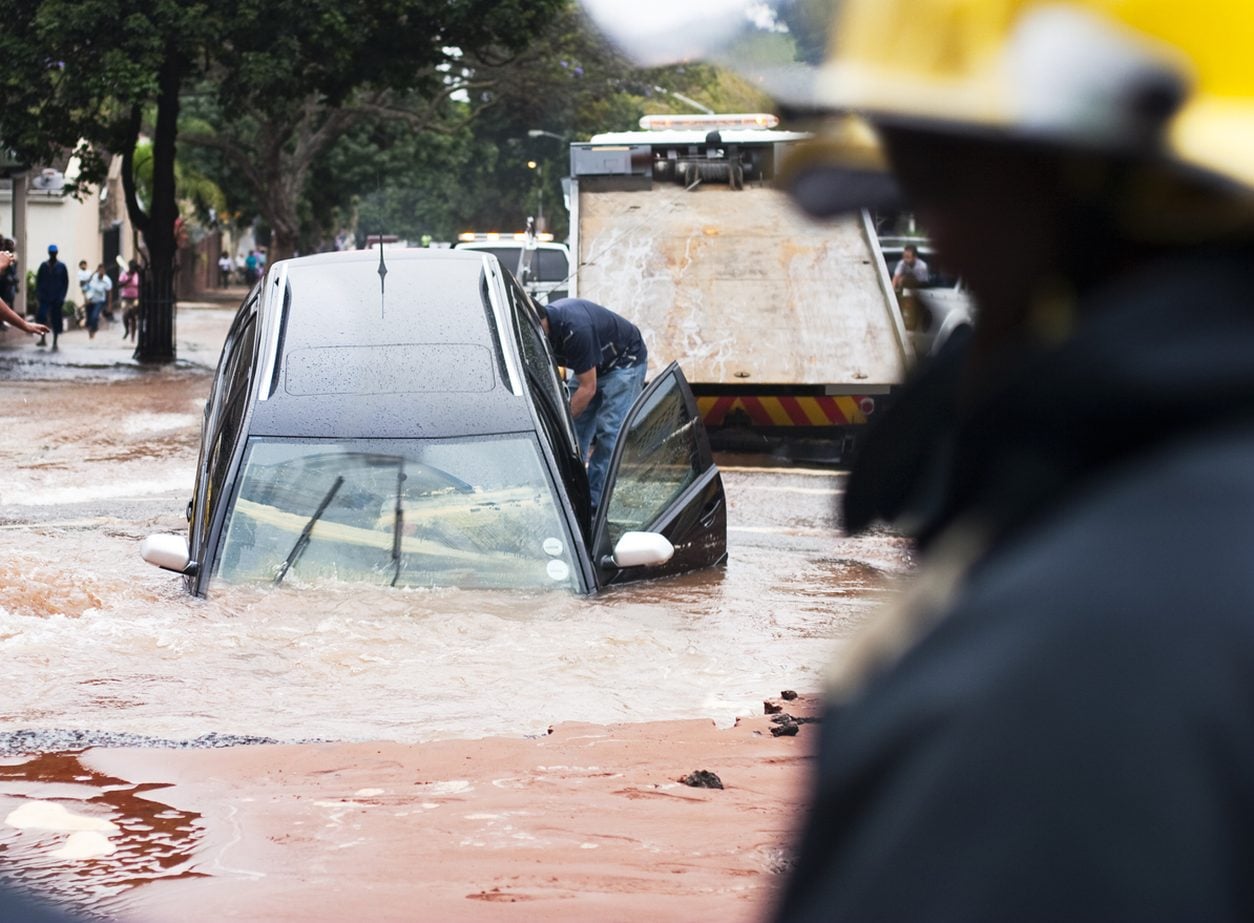
If It Has Been in Water: Do Not Start It
This is the single most important thing on the page.
Do not turn the key, and do not connect a charger. If water reached the intake, cranking the engine turns a recoverable situation into a destroyed one, and if water reached the electrics, powering the system up drives current through wet connectors.
Disconnect the battery if it is safe to reach. Photograph the car where it sits, including a clear shot of the waterline on the bodywork, because the height of that line is what an assessor and an insurer will work from. Then call your insurer before anything is moved.
Have it towed rather than driven, on a flatbed. A car that has been submerged should not roll on its own wheels if the brakes and bearings have been under water.
Getting It Out of the Area
After a regional flood, moving the car is often the only way to get it properly assessed or repaired.
Local shops are overwhelmed for weeks, and specialist assessment may only exist further away. Transport out of a flood affected area is heavily in demand, so book as early as you can and be honest about the vehicle’s condition: a flooded car almost certainly does not run, may not roll, and may have seized brakes, which means winching and possibly specialist handling at both ends.
Say all of that at booking. A driver arriving expecting a runner and finding a submerged car cannot load it.
Buying a Car That Might Have Been Flooded
Worth knowing because flood cars move across the country and resurface a long way from the storm.
Check the title history for a flood or salvage brand, and check the VIN against a national database. Then look at the car: silt in the spare wheel well and under the carpet edges, a musty or heavily perfumed interior, rust on unpainted metal under the seats and on seat rails, moisture or a waterline inside the headlights, and corrosion on connectors under the dash.
Mismatched or unusually new carpet in an older car is a signal on its own.
Common Questions
How deep is dangerous? Six inches of moving water can take control of a car and about twelve inches will float most vehicles.
Should I start it after a flood? No. Cranking a hydrolocked engine turns a recoverable car into a destroyed one. Disconnect the battery instead.
Is saltwater worse? Considerably. Salt keeps corroding after everything has dried, which is why coastal flood cars are so often written off.
Can you transport a flooded car? Yes, but declare it. It likely does not run, may not roll, and may need winching or specialist handling.
How do I spot a flood car for sale? Silt under carpets, musty smell, rust on seat rails, moisture in the headlights, and the title history.
Get a Quote
Call Ship A Car, Inc. at (866) 821-4555 with the vehicle’s condition and both addresses, or price the move with the instant calculator.