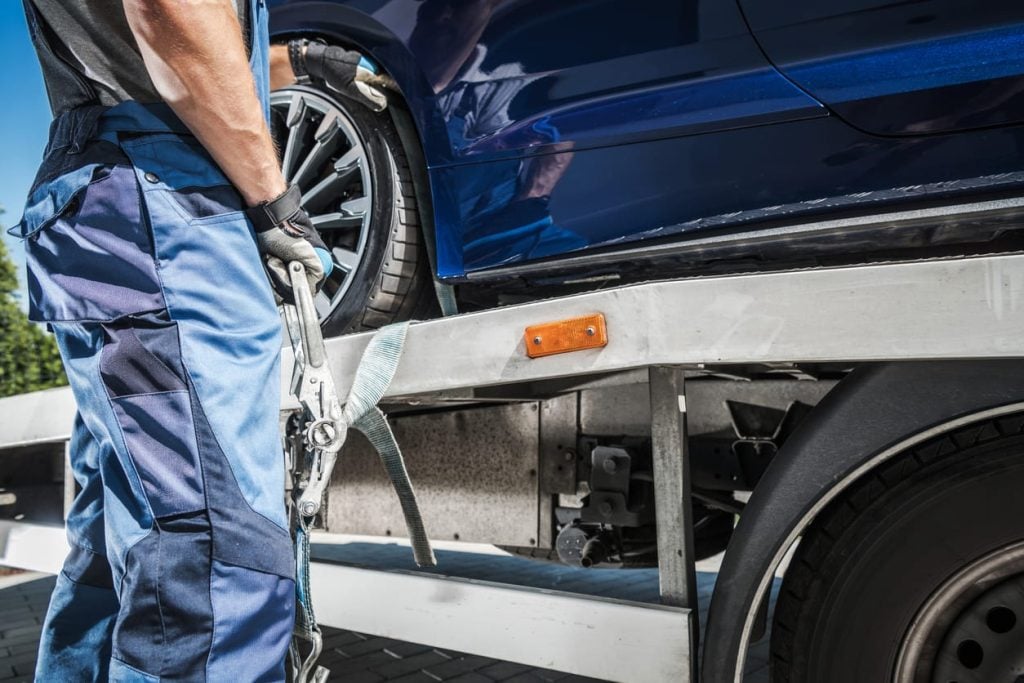
How to Prepare to Ship a Car
Preparing a car for transport takes about an hour, and roughly forty minutes of that is taking photographs. That ratio is right. The physical preparation is simple and hard to get wrong. The documentation is what decides who pays if anything is disputed, and it is the part people rush.
Here are the four things to do, in the order to do them.
Tip 1. Do Your Research
Get three quotes, not ten. Beyond three you are collecting numbers rather than information.
Then ask each one the question that actually separates them: is this price one a carrier has accepted, or one you are hoping a carrier will accept? Vehicle transport is brokered, and a quote that no carrier has taken is a proposal. That distinction is behind the most common complaint in this business, where a low price is agreed, nothing happens for two weeks, and the price then rises.
Check the company is real while you are at it. Every interstate carrier and broker holds a USDOT number, and the federal database will show you whether the authority is active and the insurance filing is current. It takes two minutes.
Ignore the highest quote and be suspicious of the lowest. The one in the middle that arrives with a written confirmation and a named contact is generally the one that ships.
Tip 2. Understand the Process
Knowing how the job actually runs prevents most of the frustration people report.
Pickup is a window, usually two or three days, not an appointment. A driver is running a route with several vehicles on it, and a delay at one stop moves everything behind it. Federal rules cap a driver at 11 hours of driving inside a 14 hour day, so nobody can make the truck arrive sooner by paying more.
Transit is roughly 500 miles a day once the vehicle is collected. Coast to coast is four to five driving days at minimum. Assignment, the time before a carrier accepts the load, is separate and usually a few days on a busy lane and longer on a thin one.
And the truck may not reach your door. A loaded hauler is roughly 75 feet long and 13 feet 6 inches tall and cannot reverse around corners. Narrow streets, low branches and gated entries all stop it, and meeting at a large lot near a highway exit is normal practice rather than a failure.
Tip 3. Get Your Paperwork in Order
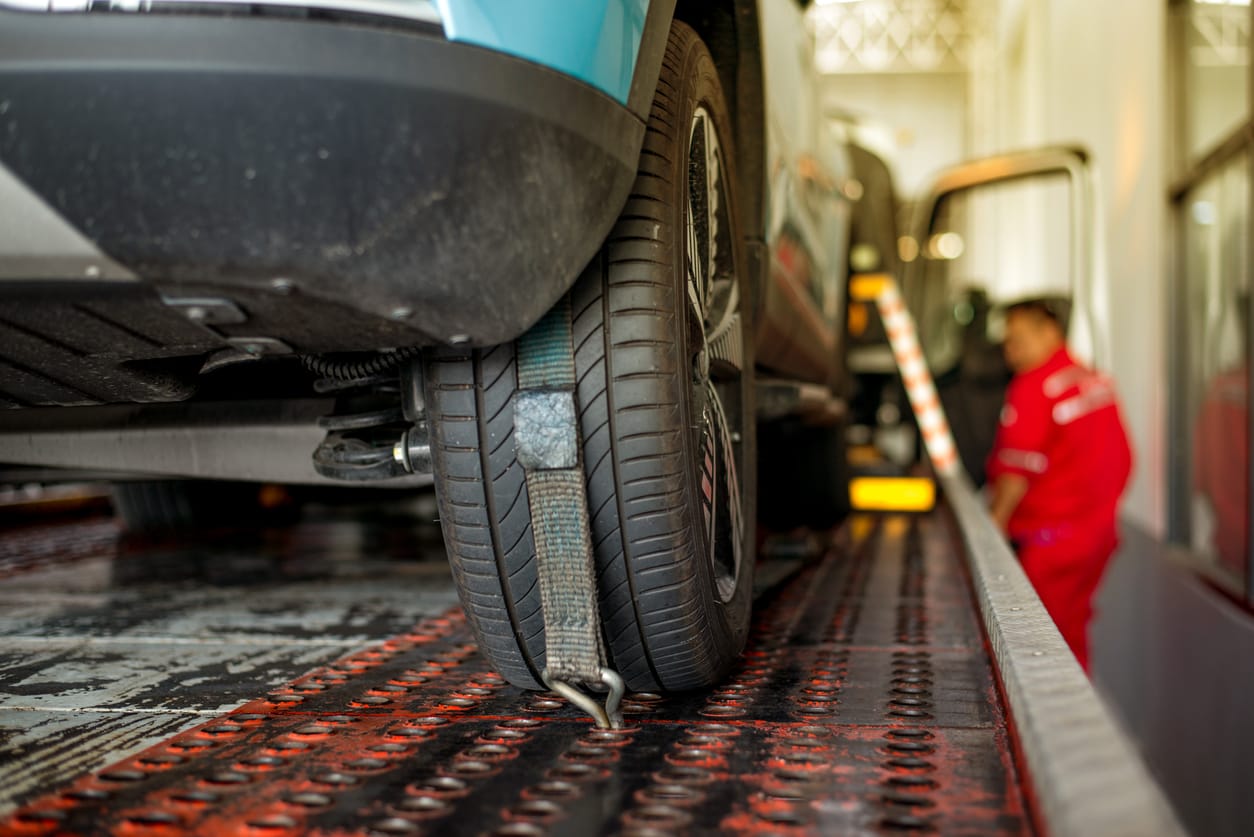
For an ordinary domestic move the paperwork is light, and this is where the photographs belong.
Wash the car first. Dirt hides existing marks and makes it impossible to tell later what happened in transit. Then photograph in daylight: all four sides, all four corners at an angle, the roof, both bumpers, the wheels, and the rocker panels, which is where loading marks appear. Close up on every existing chip and scratch. Photograph the odometer. Keep the timestamps, which a phone does automatically.
Have registration and proof of insurance available, and confirm your own policy covers the vehicle while it is in a carrier’s care, because many do not and the carrier’s cargo insurance has its own limit.
The bill of lading is the legal record of condition. Check the condition report at pickup matches what you can actually see before you sign it, and do the same in reverse at delivery.
Tip 4. Choose the Right Shipping Company
Four questions, and the answers tell you most of what matters.
Is the price one a carrier has accepted? Will you tell me which carrier is assigned before collection? What is the pickup window rather than the date? Who do I call if the driver is late, and will someone answer at the weekend?
A company that will name the assigned carrier is giving you the ability to check that carrier’s record yourself, which is a meaningful thing to offer.

Preparing the Car Itself
The physical part is short. Leave about a quarter tank of fuel, no more, since additional fuel is dead weight on a trailer that is weight limited overall.
Empty the cabin and trunk completely. Personal items are not covered by cargo insurance, they add weight, and anything loose can mark the interior. In summer, remove anything that can melt or burst, because a car on an open upper deck gets extremely hot inside.
Fold the mirrors, retract or remove an aerial, disable a motion sensitive alarm, remove any toll transponder so you are not billed for the truck’s route, and hand over one working key. Note any starting quirk in writing rather than assuming the driver will work it out.
Mechanical prep is a five minute walk around. Check the battery holds a charge, because the car will be started and driven on and off a deck at least four times between pickup and delivery. Set the tires to normal pressure, since the tires are what the vehicle rides and straps on. And look underneath for active leaks: a car dripping oil or coolant onto the deck, or onto the vehicle below it, can be refused at pickup or billed for the cleanup. None of this needs a shop unless something is actually wrong.
If the car does not run, say so before booking. An inoperable vehicle needs a winch and a suitably equipped carrier, and discovering that at the curb means the truck leaves without it. The same applies to a lift kit, oversized tires or a low front splitter, all of which change which deck the vehicle can travel on. What else moves the price is covered in what determines the price of shipping a car.
Common Questions
How much fuel should I leave? About a quarter tank. More is dead weight and buys nothing.
Can I leave belongings in the car? No. They are not covered by cargo insurance, they add weight, and a driver may refuse the vehicle.
How many photographs do I need? All four sides and corners, the roof, bumpers, wheels, rocker panels, every existing mark and the odometer, in daylight.
Why is pickup a window rather than a date? A driver runs a multi vehicle route and one slow stop moves everything behind it.
What if the car does not run? Declare it when booking. It needs a winch and a carrier equipped for it.
Get a Quote
Call Ship A Car, Inc. at (866) 821-4555 with both zip codes, your date range and anything fitted to the vehicle, or request an estimate for the move through the quote calculator.