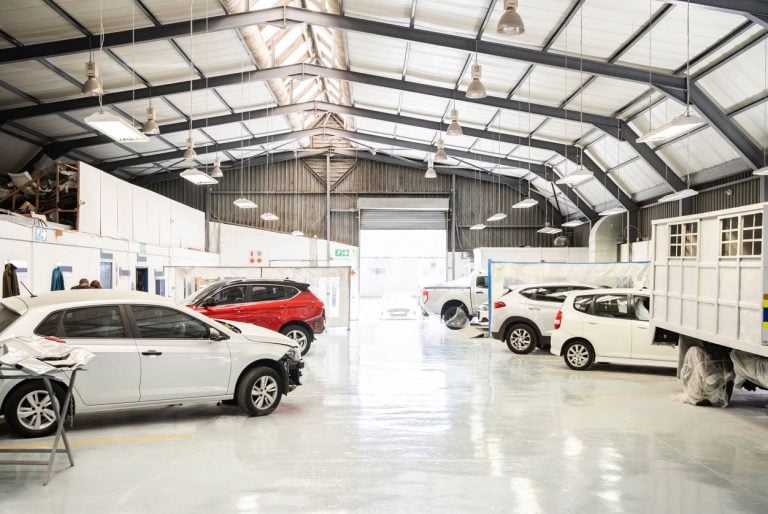
Storage During a Move: Your Options, What They Cost, and Where the Car Goes
Most people need storage during a move because the dates do not line up, and the cheapest solution depends entirely on how long the gap is. A two week gap and a six month gap call for completely different answers, and paying for the wrong one is the usual mistake. Work out the length of the gap first, then pick the storage type, and the vehicle question sorts itself out from there.
Self Storage Is the Default
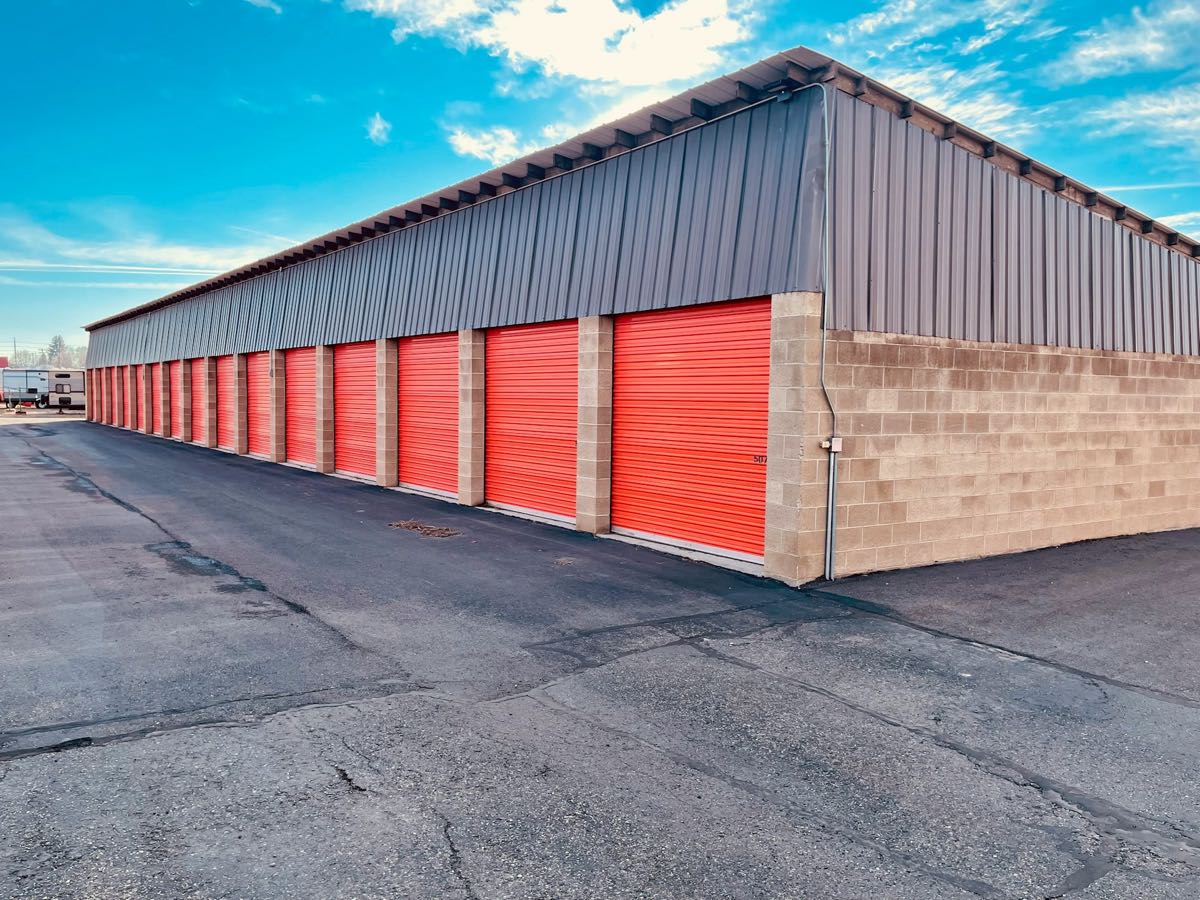
Traditional self storage is a rented unit at a facility you drive to, and it is what most people end up using.
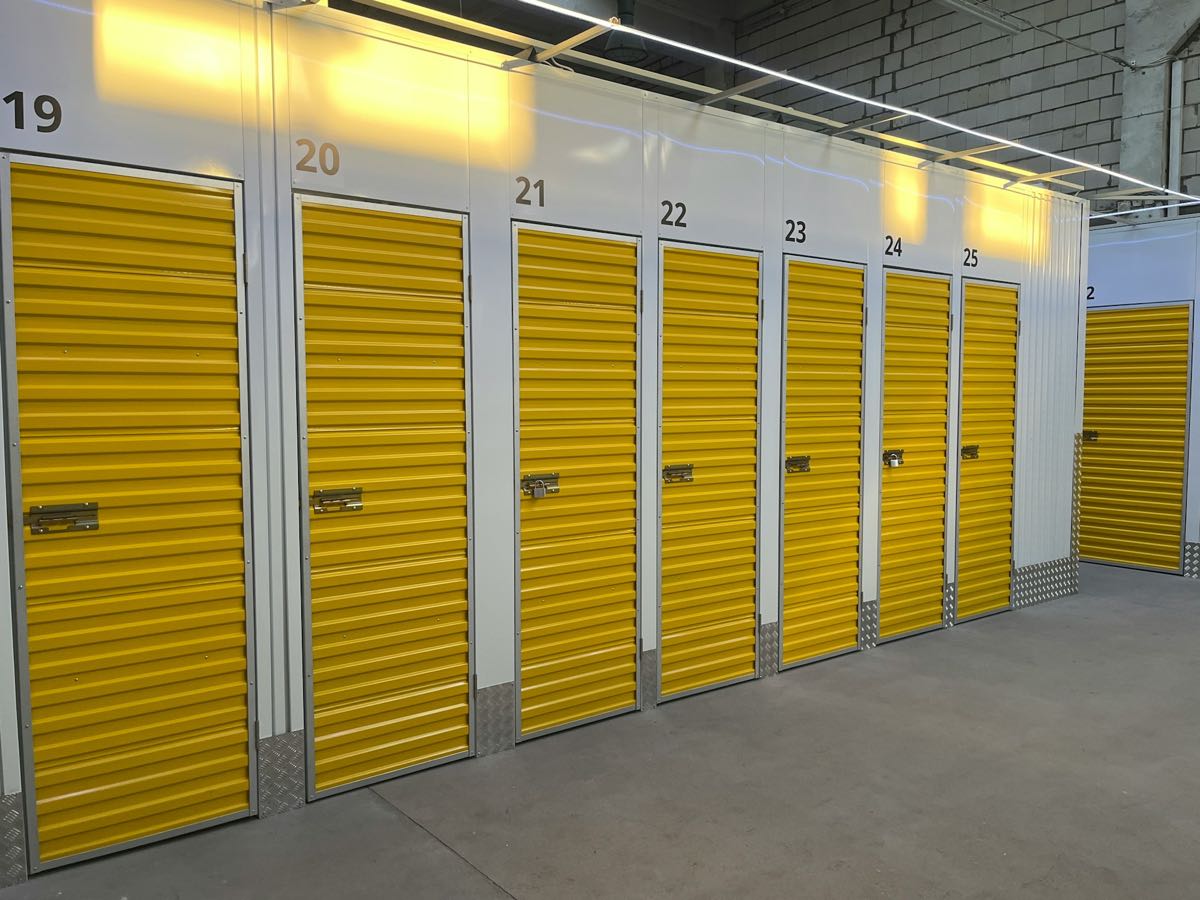
Units run from lockers of about 25 square feet up to spaces that hold the contents of a large house. The rough guide is that a 5 by 10 holds a studio’s worth, a 10 by 10 holds a one or two bedroom apartment, and a 10 by 20 holds a three bedroom house and is roughly the size of a single car garage.
The advantages are access and price. You can get to your things whenever the facility is open, and monthly rates are competitive because there are a lot of facilities competing. The disadvantage is that you do the moving twice, once in and once out.
Climate control costs meaningfully more and is worth it for wood furniture, electronics, instruments, artwork, photographs and anything leather, particularly in humid or very hot regions. For boxes of books and kitchen equipment it usually is not.
Portable Containers
A container is delivered to your driveway, you load it at your own pace, and the company collects it and either stores it at their depot or delivers it to your new address.
The advantage is that everything is handled once instead of twice, which matters a great deal on a long distance move. It also removes the deadline pressure of a rental truck, because the container sits on your driveway while you work through the house.
The costs to watch are the delivery and collection fees at each end, which are where the quoted monthly rate stops telling the whole story. Check whether your street and driveway can take the delivery truck, and whether a homeowners association or the city restricts how long a container may sit outside.
Full Service and Everything Else
Full service storage sends a team to collect your items, catalog them and store them in a warehouse, then bring back what you ask for. It costs the most and it is worth it when you are short of time, physically unable to do the lifting, or storing for a long enough period that you will not want to visit.
Warehouse and container storage through a moving company is the version most people meet on an interstate move, where the goods sit in transit storage between the two dates.
And there is the informal option: a relative’s garage. Free, and genuinely fine for a short gap and a few boxes. It is a poor answer for months of storage, for anything valuable or fragile, or for a vehicle, because nothing is insured and the arrangement outlasts everybody’s patience.
Where the Car Goes
This is the part that gets planned last and causes the most trouble.
A vehicle sitting outdoors for months deteriorates in ways that are avoidable: tires flat spot, the battery discharges, fluids sit, rodents get into wiring, and sun and salt do their work. If the gap is more than a few weeks and the car is not being driven, that is worth planning around rather than accepting.
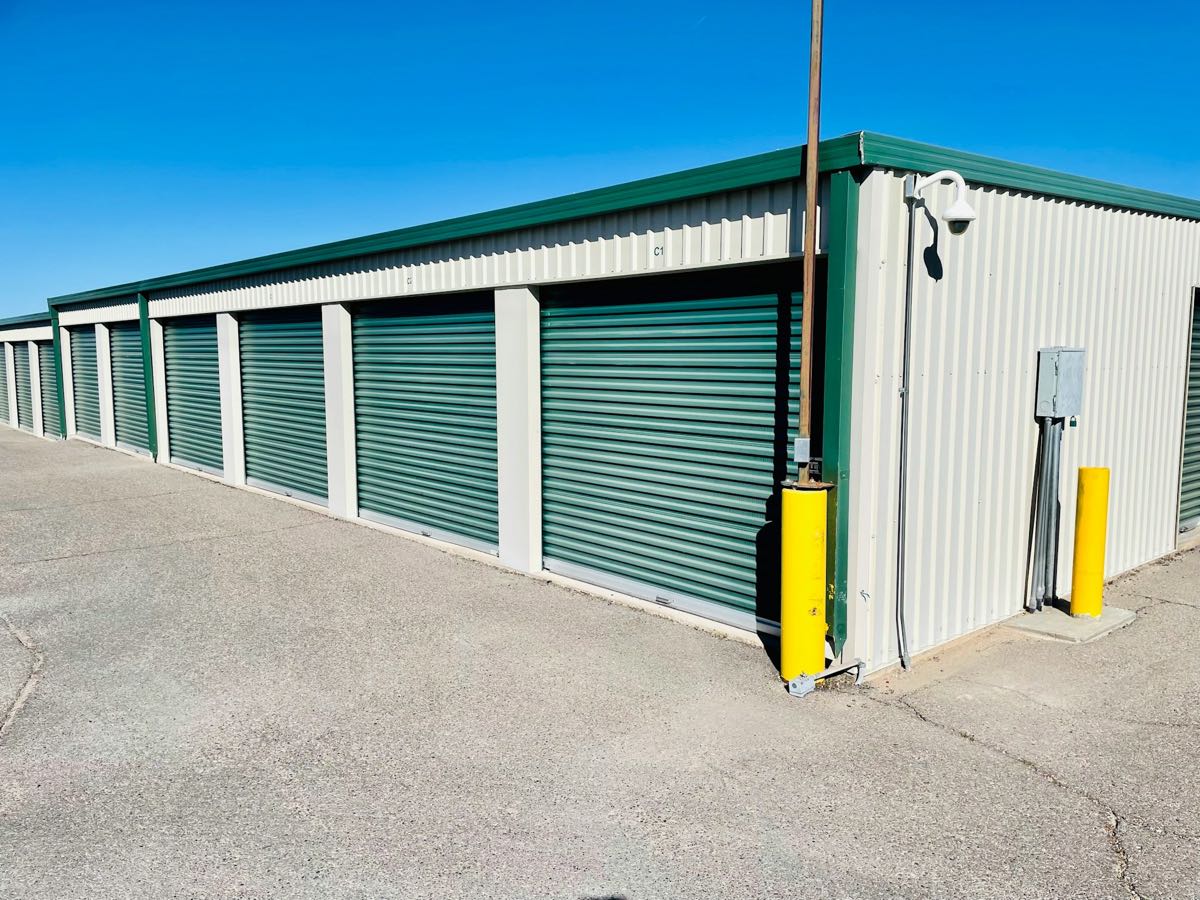
The usual choices are a storage facility with vehicle spaces, indoor or covered parking, or simply shipping the car to the destination and having somebody receive it. The last of these is frequently cheapest overall, because storage plus a later shipment usually costs more than shipping once.
Storage facilities generally will collect a vehicle from them and deliver to them, and carriers do this routinely. What they need to know in advance is whether the facility allows a 75 foot truck inside its gates, since many do not and a meeting point nearby is required. Ask the facility before you book the transport.
If the Car Is Going Into Storage
Wash it, including the underside, so road salt and grime are not sitting on paint for months. Fill the tank to reduce condensation in it, and use a fuel stabilizer if the car will sit past a couple of months.
Set the tire pressures to the higher end of the recommended range to slow flat spotting. Put the battery on a tender if there is power available, or disconnect it if there is not. Leave the parking brake off if you can chock the wheels instead, since brakes can seize on over a long period.
Keep the insurance active. Dropping coverage on a stored car saves very little and leaves you exposed to theft, fire and weather damage in exactly the situation where you cannot see the vehicle.
Keeping the Cost Down
Declutter before you rent, not after. Storage is priced by volume, and paying for months to store things you would not pay to move is the most common waste in the whole exercise.
Size the unit honestly by stacking properly and leaving one walkway rather than renting a size up for comfort. Ask about the introductory rate and, more importantly, what the rate becomes after it ends, since first month promotions are routine and the step up afterward is where the money goes.
Compare a longer term commitment against month to month, and reserve early for a summer move, when both storage and transport demand peak. Our guide to shipping a car from a storage facility covers the vehicle side in more detail.
Common Questions
What size unit do I need? Roughly, a 5 by 10 for a studio, a 10 by 10 for a one or two bedroom, and a 10 by 20 for a three bedroom house.
Is climate control worth it? For wood, electronics, instruments, artwork and leather, yes, especially in humid or hot regions. For books and kitchen equipment, usually not.
Can a carrier collect from a storage facility? Routinely. Check first whether the facility lets a 75 foot truck inside, because many require a meeting point nearby.
Should I store the car or ship it? If the gap is more than a few weeks, shipping once is frequently cheaper than storage plus a later shipment.
Do I keep insurance on a stored car? Yes. Dropping it saves very little and leaves theft, fire and weather uncovered.
Get a Quote
Call Ship A Car, Inc. at (866) 821-4555 with both zip codes, your date range and whether either end is a storage facility, or request an estimate for the move through the quote calculator.