Power Only Trucking: What It Is and When It Makes Sense
In one sentence: power only means you supply the trailer and the carrier supplies the tractor and driver. It is one of the most common arrangements in American freight and one of the least understood by shippers, because it inverts the usual assumption that the trucking company brings everything.
How the Arrangement Works
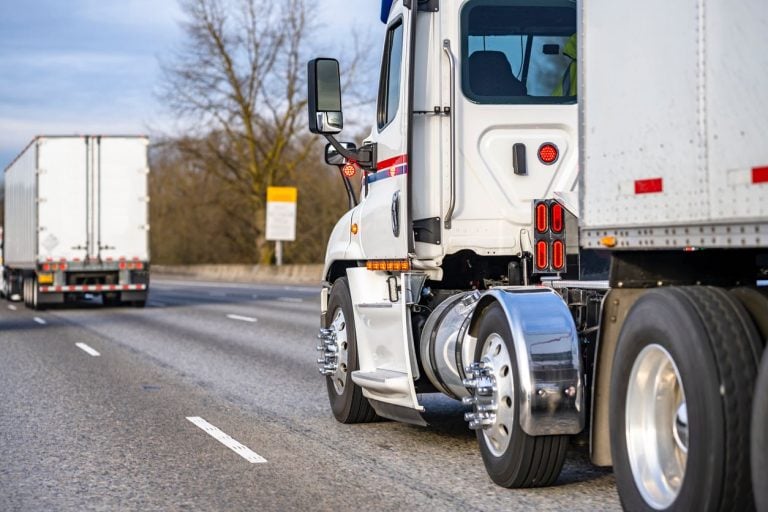
In a conventional truckload move, the carrier owns both the tractor and the trailer. In a power only move, the shipper, broker, or a leasing company already has the trailer, loaded or empty, and hires only the motive power. The driver arrives, couples to your trailer, moves it, and drops it.
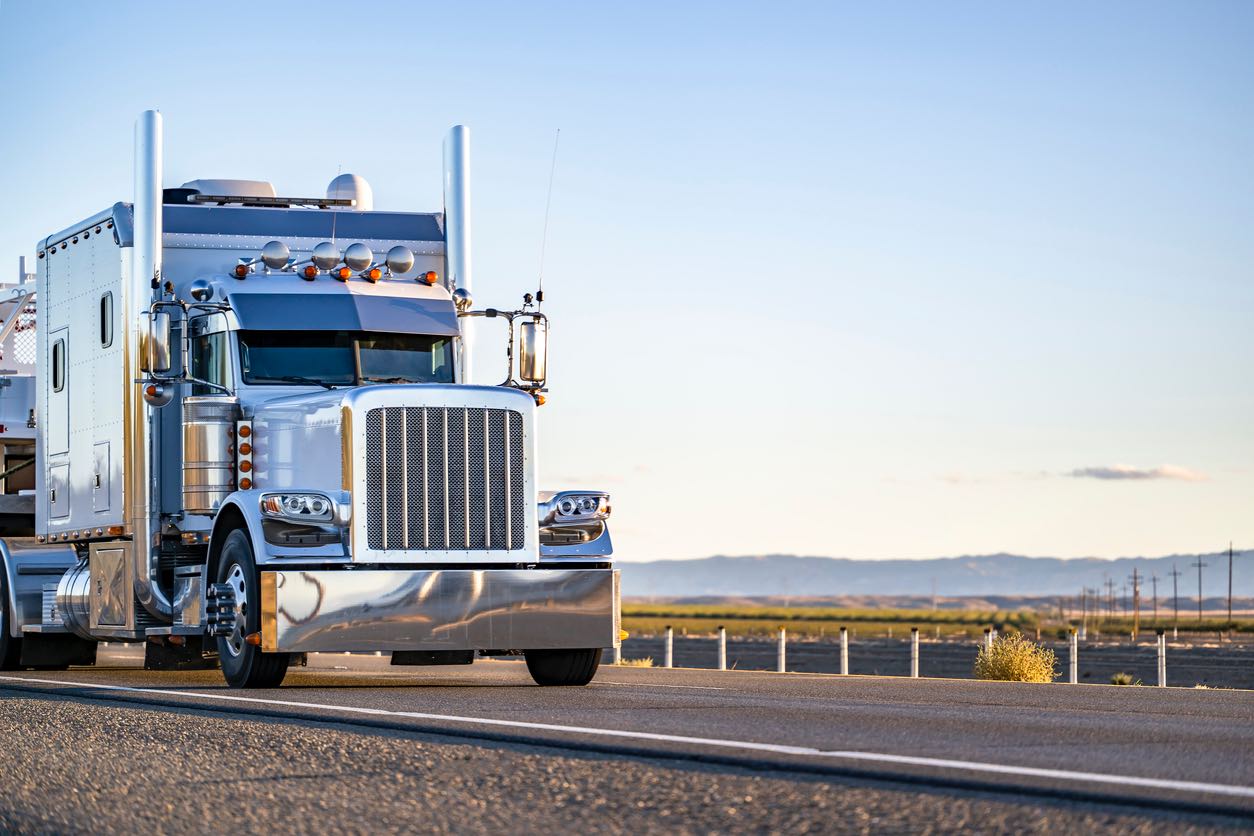
It sounds like a technicality. In practice it changes who owns which risk, who is responsible for maintenance, and what the insurance covers, which is why it is worth understanding before agreeing to one.
Who Actually Uses It
- Companies with their own trailer fleets that lack drivers, which is common given the persistent shortage of qualified CDL holders.
- Drop-and-hook operations where trailers sit at a dock being loaded for hours and it makes no sense for a tractor to wait.
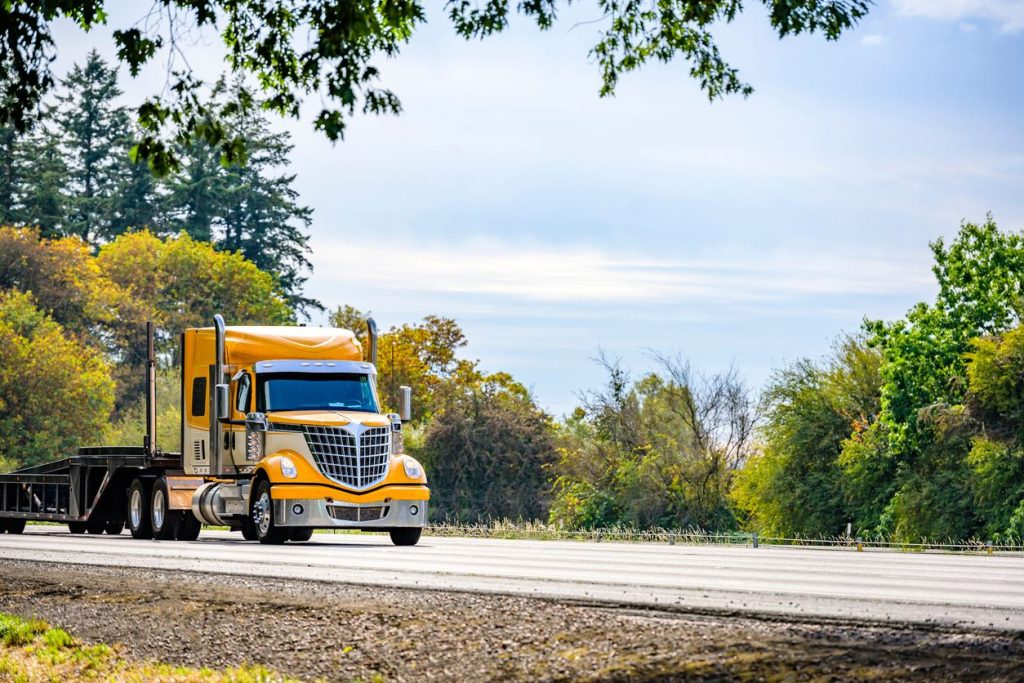
- Equipment and specialty haulers moving a trailer that is purpose-built for one type of cargo.
- Seasonal surges, where a business needs more capacity for a few weeks than it needs year-round.
- Relocating trailers themselves, empty, to rebalance a fleet.
The Advantages, Honestly Stated
The real benefit is capital efficiency. Trailers are cheaper to own than tractors and they do not need drivers, so a business can keep its trailer fleet and buy motive power only when it needs it. Drop-and-hook also removes dwell time: the tractor is not sitting idle during a four-hour load.
For the carrier, power only is attractive because it maximizes revenue-generating time. The tractor is moving rather than waiting.
And the Complications
These are the parts that catch people out:
- Trailer condition is your responsibility. Brakes, lights, tires, and the annual inspection all sit with the trailer owner. A driver who finds an out-of-service defect will refuse the load, correctly, and you will have paid for a dispatch that did not move.
- Insurance splits. The carrier’s liability covers their operation of the tractor. Damage to your trailer, and often the cargo inside it, may fall under different coverage. Establish this in writing before the move, not after.
- Compatibility. Kingpin settings, fifth wheel height, and air and electrical connections need to match. Most standard equipment is interchangeable, but specialty trailers frequently are not.
- Weight and axle distribution. If you loaded the trailer, you own the loading. A driver who cannot legally scale is a driver who cannot leave.
Regulatory Points Worth Knowing
The carrier operating the tractor must hold active FMCSA authority and meet hours-of-service rules like any other motor carrier. The trailer must carry current inspection documentation, and if it is loaded, the cargo securement rules apply regardless of who owns what. Oversize or overweight trailers still require permits from every state on the route, and those permits attach to the movement, not to the equipment owner.

Is Power Only Right for Your Move?
It is the right structure if you already own a suitable trailer, your equipment is well maintained and documented, and your bottleneck is drivers rather than assets. It is the wrong structure if you would need to rent a trailer to make it work, because at that point a conventional truckload move is simpler and usually cheaper once you count the rental.
If you are unsure which you have, describe the shipment to a coordinator and let them tell you. There is no advantage to us in steering you to the more complicated arrangement.
What the Paperwork Should Say
Power only arrangements go wrong in the documentation more often than on the road. Before the tractor is dispatched, get these settled in writing:
Who Is Responsible for What
- Interchange agreement. Who is responsible for the trailer while it is in the carrier’s possession, and what condition it must be returned in.
- Trailer inspection responsibility. Who performs and documents the pre-trip, and what happens if a defect is found on arrival.
- Insurance allocation. Physical damage to the trailer, cargo liability, and general liability may sit with different parties. Name them.
- Detention and layover terms. What the carrier is paid if the trailer is not ready when the tractor arrives.
- Chassis or trailer rental pass-through, if any equipment is leased rather than owned.
Pre-Trip: The Five-Minute Check That Prevents a Wasted Dispatch
Before the tractor arrives, walk the trailer. Tires with adequate tread and correct pressure, no flat spots. Lights functioning on all circuits. Brakes adjusted and air lines intact. Current annual inspection sticker and registration in the document holder. Landing gear operable. Kingpin and fifth wheel plate clean and undamaged.
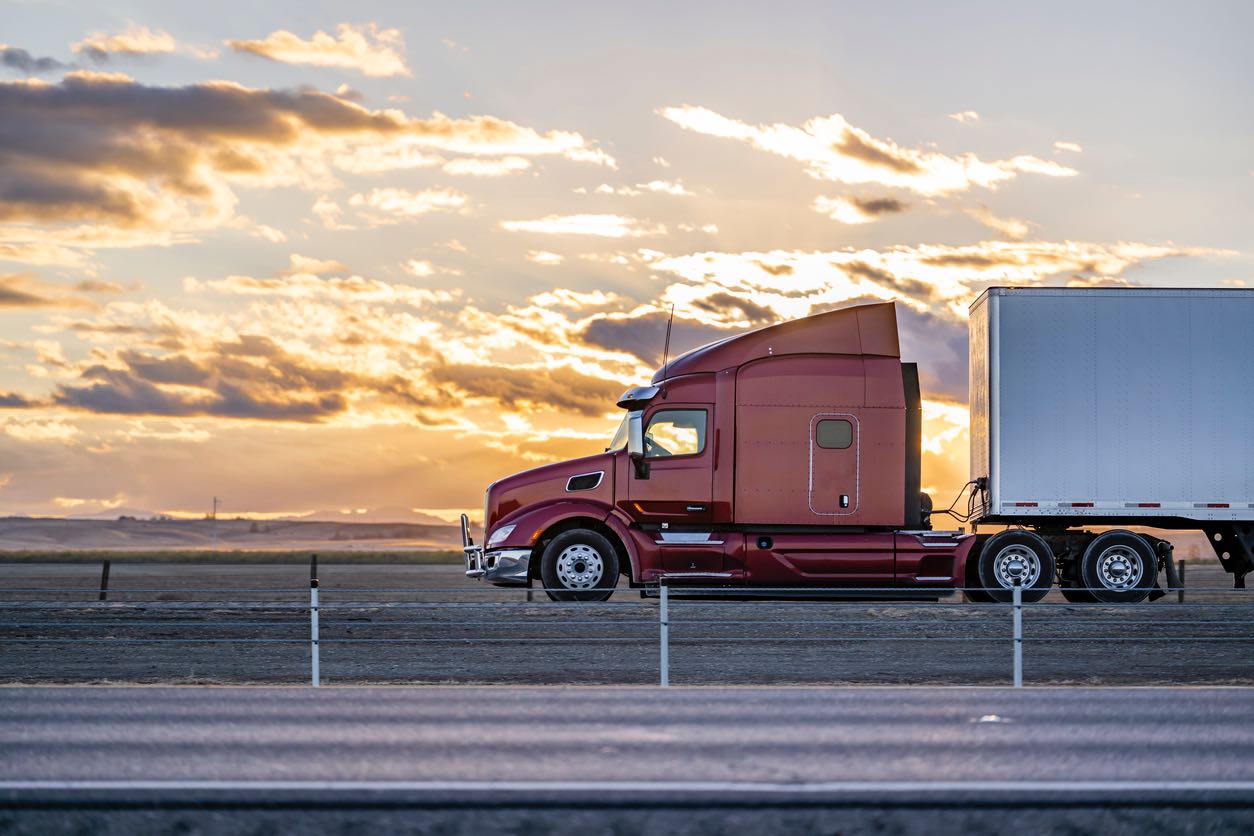
A driver who finds an out-of-service defect will decline the load, and they are right to, since the violation attaches to their record and their carrier’s safety score. You will have paid for a dispatch that produced nothing.
Where Power Only Fits in Auto Transport
In vehicle transport specifically, power only shows up in a few recurring situations: dealer groups that own car-hauling trailers but not tractors, auction operations moving their own equipment between sites, and fleet operators repositioning empty trailers after a seasonal surge. It also appears when a specialized trailer, an enclosed multi-car unit or a purpose-built hauler, needs moving and its owner has no available driver.
For an individual shipping one or two cars, power only is almost never the right structure. You would need to own or rent a suitable trailer, and at that point conventional transport is simpler and cheaper.
Common Questions
Is power only cheaper than a full truckload? Per mile, usually yes, because you are not paying for trailer capital or maintenance in the rate. Total cost depends on what owning and maintaining the trailer costs you across the year.
Who pays for a breakdown? Tractor mechanical issues are the carrier’s. Trailer issues, tires, brakes, lights, are generally the trailer owner’s. This is exactly why the interchange agreement matters.
Can any tractor pull any trailer? Mostly, within standard specifications, but not always. Kingpin setting, fifth wheel height, and air and electrical connection types need to match, and specialty trailers frequently need specific configurations.
Does the carrier need special authority? They need active FMCSA motor carrier authority and appropriate insurance, the same as any interstate operation. Verify it in SAFER before dispatch.
Get a Quote
Ship A Car, Inc. arranges power only transport alongside conventional freight and heavy haul. Call (866) 452-3657 to talk it through, or use the specialized transport calculator.