How to Ship a Car to or from Dugway Proving Ground
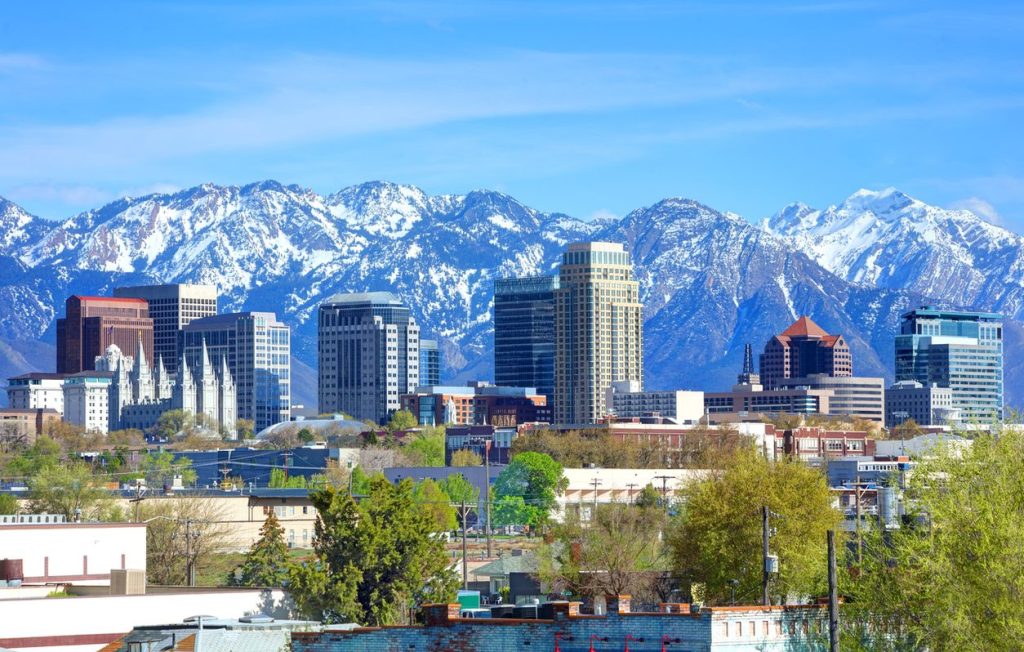
Dugway sits in the West Desert of Utah, about 85 miles southwest of Salt Lake City, and it is remote in a way that genuinely affects vehicle transport. The installation is reached by a single access road across open desert, a commercial hauler cannot come onto it, and the nearest place a 75 foot truck can comfortably work is a long way from the gate. Plan the handover and the rest is ordinary.
Where It Is and What That Means
The installation occupies a very large area of desert southwest of the Great Salt Lake. Access is from the northeast, through Tooele County, with Salt Lake City the nearest substantial market.
Interstate 80 runs east to west north of the range, and Interstate 15 runs north to south through Salt Lake City. Those are real freight corridors and they are why the region is served at all.
The practical consequence: pickups and deliveries around Salt Lake City and Tooele are straightforward. The last stretch to the installation is not, because it crosses open desert on a road with no reason for a commercial carrier to be on it.
Transit is roughly one to two days from California, three to five from the Midwest or Texas, and five to seven from the East Coast, once the vehicle has been collected.
The Truck Is Not Coming to the Gate
Worth stating plainly because it is the most common misunderstanding on any installation move.
Access to a controlled installation requires credentials a commercial driver will not have, and Dugway is a restricted testing range rather than an ordinary post. Even where a visitor process exists, it takes time nobody has budgeted and the driver may still be turned around after a long drive across the desert.
The normal arrangement is a meeting point well before the installation. A large retail lot in Tooele or on the west side of Salt Lake City near an interstate exit works, and agreeing it when you book removes the single most common cause of a failed collection here.
If you are stationed on the installation, that means arranging to be at the meeting point for the handover, or nominating somebody who can be. Whoever signs the bill of lading accepts the vehicle’s condition.
PCS Timing
Permanent change of station orders create a scheduling problem that ordinary moves do not.
PCS season runs heaviest from roughly May through August and collides with the civilian moving season. Demand across military lanes spikes, capacity tightens and rates firm up. If your report date falls in that window, book three to four weeks ahead rather than one to two.
Report dates are also fixed in a way that ordinary moves are not, which takes away the scheduling slack that usually gets a Dugway car onto a truck sooner. Say so up front: a carrier planning around a hard date needs to know it is hard.
If the government is arranging or reimbursing transport, understand what is authorized before booking privately, because entitlement rules are specific and reimbursement is not automatic.
The Desert Is Hard on a Vehicle
This is where the location matters beyond logistics.
Summer temperatures in the West Desert are severe and the sun is intense at altitude. A car on an open upper deck sits in that for days, and interior temperatures become extreme. Empty the cabin completely and remove anything that can melt, warp or burst.
Check tire pressures before a summer move, since heat raises them, and confirm coolant condition and concentration, particularly if the vehicle is arriving from a cooler climate.
Blowing dust and alkali salt from the desert flats are the other factor. Fine dust works into everything and is abrasive on paint over time, and the salt flats environment is genuinely corrosive. On a vehicle with fresh paintwork or real value, that is a reasonable argument for enclosed transport here rather than a luxury.
Winter is the opposite problem: the Wasatch Front gets serious snow, and Interstate 80 across the salt flats closes for weather and for the ground blizzards that come with wind over open country.
Registration and Insurance
Service members generally retain home of record registration and licensing under federal protections, but the details matter and they change. Confirm the current position rather than assuming, and check what Utah requires of a non-resident service member.

Tell your insurer the vehicle’s garaging location has changed. Not disclosing it can affect a claim, and rates differ substantially between states.
Preparing the Car
Wash it so existing marks are visible, then photograph every panel in daylight, including the wheels, the lower bumpers and the rocker panels, which are what loading marks.
Leave about a quarter tank of fuel. Empty the cabin and the trunk completely, since personal items are not covered by cargo insurance and they add weight. Remove any installation decal or access device you are not supposed to leave on an unattended vehicle.
Fold the mirrors, disable a motion sensitive alarm, remove a toll transponder and hand over a key. At delivery, inspect before signing and note anything unexpected on the bill of lading while the driver is present. Our guide for service members covers the wider process.
Common Questions
Can the truck deliver to the installation? No. A commercial driver will not have credentials for a restricted range. Use a meeting point in Tooele or Salt Lake City.
How long does it take? One to two days from California, three to five from the Midwest or Texas, five to seven from the East Coast, once collected.
When should I book? Three to four weeks ahead during PCS season from May through August, one to two otherwise.
Is the desert a problem for the car? For the interior in summer, yes. Blowing dust and alkali salt are abrasive and corrosive, which argues for enclosed on a valuable vehicle.
Do I need to register in Utah? Service members generally retain home state registration under federal protections. Confirm the current rules and tell your insurer.
Get a Quote
Call Ship A Car, Inc. at (866) 821-4555 with both zip codes, your date range and the meeting point you have in mind, or request an estimate for the move through the quote calculator.