Shipping a Luxury or Exotic Car: What Actually Protects It
The short answer: an enclosed carrier with a hydraulic liftgate rather than ramps, soft straps at the wheels rather than chains at the frame, and a carrier insurance limit you have confirmed covers what the car is genuinely worth. Expect about a third above open transport. Everything else described as white-glove is packaging around those three things.
Why Enclosed, Specifically
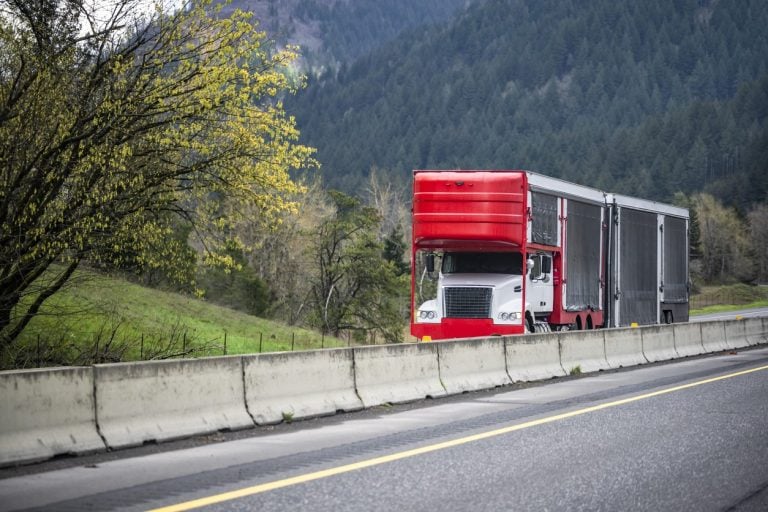
Open transport is safe and it is how most vehicles move, including new cars going to dealerships. What it does not do is shield the car from weather and road debris for two thousand miles. On a daily driver that is an acceptable trade. On a car with a paint finish that costs five figures to correct, it is not.
Enclosed carriers also carry fewer vehicles, which means more space around your car during loading and less handling overall.
Liftgate, Not Ramps
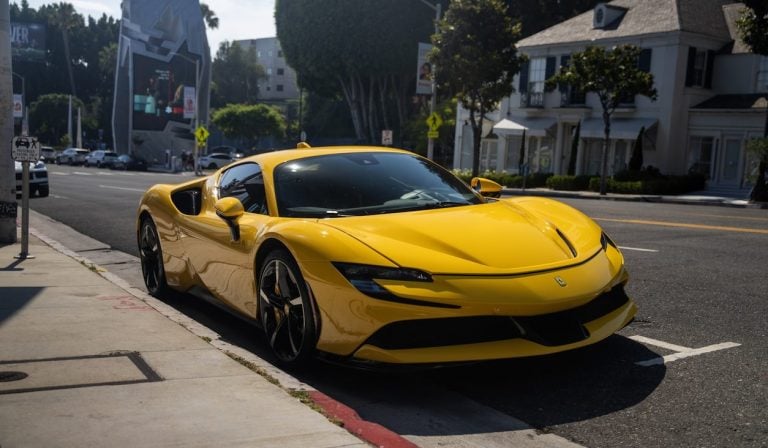
This is the detail that separates a carrier equipped for exotics from one that is not. Low front air dams and short approach angles mean a car can be damaged simply being driven up a ramp. A hydraulic liftgate raises the vehicle level onto the deck with no approach angle at all. If you are shipping anything low, ask specifically whether the assigned carrier has a liftgate rather than assuming enclosed implies it.
Soft Straps at the Wheels
Older tie-down practice chains the vehicle at frame or suspension points. On a modern performance car that risks the suspension, the underbody, and anything aerodynamic underneath. Wheel straps secure the tires to the deck instead, so the car’s own suspension absorbs road movement exactly as designed. Confirm this is how your car will be secured.
Insurance Is Where Most Owners Are Exposed
Carrier cargo insurance is included in the price and is usually ample for an ordinary vehicle. It is frequently not ample for a collector or exotic car. Ask for the certificate, read the actual coverage limit, and compare it against the car’s real market value, not its book value.
If there is a gap, that is the moment to arrange supplemental coverage. It is not a conversation to have after delivery. Photograph the car thoroughly at pickup as well, including wheels, lower panels, and any existing marks, in good light.
Preparing the Car
- Leave roughly a quarter tank of fuel. Enough to load and drive off, not enough to add unnecessary weight.
- Remove personal items, toll transponders, and anything loose in the cabin.
- Disable or document any aftermarket alarm, and tell the coordinator about kill switches or unusual starting procedures.
- Note ride-height settings if the car has adjustable suspension, and tell the driver.
- Wash it first, so the condition photographs actually show the paint.
What It Costs and When to Book
Enclosed runs about a third above open transport on the same lane. Enclosed capacity is thinner than open capacity, so book further ahead, particularly around major auctions and show dates when every collector on the same circuit needs the same trucks.
Choosing Between Open and Enclosed for a Specific Car
The premium is real, so the question deserves a real answer rather than a reflex. Enclosed is clearly justified when the vehicle is a collector or limited-production model, when paint correction would cost more than the premium, when ground clearance makes ramp loading risky, or when the car is being delivered to a buyer who has not seen it in person.

Open vs Enclosed: What the Premium Buys
Open transport is perfectly reasonable for a late-model luxury sedan or SUV that is driven regularly and insured normally. A new Mercedes reached the dealership on an open carrier. If it will live outdoors at the destination anyway, the calculation changes.
Single-Vehicle vs Shared Enclosed
Enclosed carriers range from large multi-car trailers to two-car and single-vehicle units. A shared enclosed trailer costs meaningfully less and is entirely appropriate for most high-value cars. A dedicated single-vehicle move costs substantially more and is worth it for genuinely irreplaceable vehicles or when timing must be exact.
Ask which you are getting. “Enclosed” alone does not distinguish between a ten-car trailer and a dedicated run, and the price difference between them is large.
Timing Around the Collector Calendar
Enclosed capacity is finite and demand for it is seasonal in a way open transport is not. Major auctions and concours weekends pull enclosed trailers toward those events, and the weeks around them are the hardest time to book anything on short notice. Winter storage movements create a second squeeze in late fall and early spring.
If your date is tied to an event, book as early as you can rather than as early as you must.
Common Questions
Can I ship a non-running classic? Yes, on a carrier with a winch or liftgate. Say so upfront: a non-runner needs different equipment and typically adds $100 to $250. Note whether it rolls, steers, and brakes, because those change the loading method.
How is a very low car loaded? A hydraulic liftgate raises the vehicle level with the deck, eliminating the approach angle entirely. Race ramps can bridge a modest gap on a conventional trailer, but for anything genuinely low the liftgate is the answer.
Should I drain fluids or disconnect the battery? No for a normal shipment. Leave about a quarter tank and a connected battery so the car can be moved. For long-term overseas shipping the rules differ.
Will my car be covered during loading? Loading and unloading are the highest-risk moments and are covered under carrier cargo insurance, which is why the limit matters. Most claims arise here rather than on the highway.
Can I track the shipment? Ask what the assigned carrier provides. Tracking varies by carrier rather than by broker, and for high-value moves it is worth confirming before booking.
Get a Quote
Call Ship A Car, Inc. at (866) 821-4555 to arrange enclosed transport, or start with the instant calculator.