AR and VR is Changing the Auto Industry
Augmented reality and virtual reality now touch nearly every stage of a car’s life: design studios model cabins in VR, factory workers assemble with AR instructions in their eyeline, dealers sell from virtual showrooms, and drivers get AR-assisted safety features. Here is where the technology is actually earning its keep across the automotive industry.
Maintenance
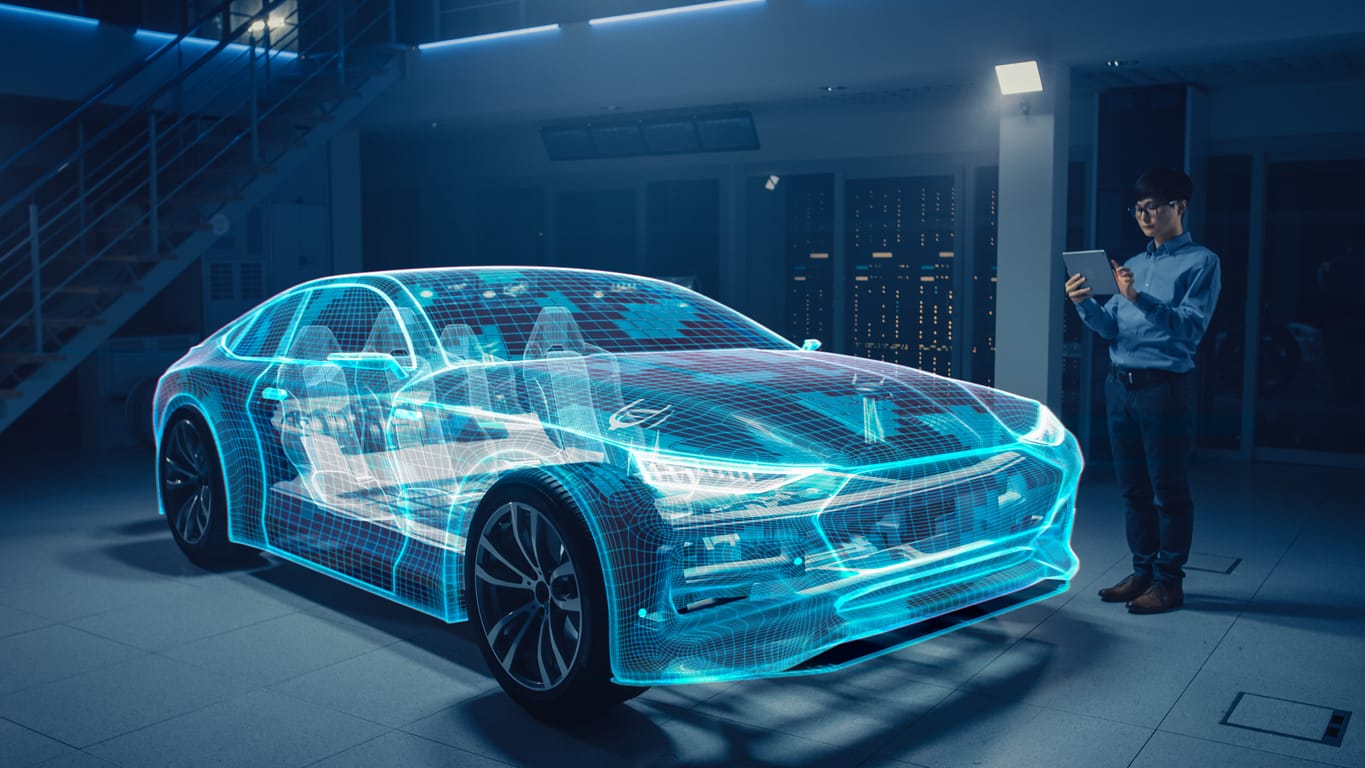
When a warning light appears, the traditional answer is a trip to the mechanic. Augmented reality is changing that first step: owners can scan a code from the dashboard and get a plain-language explanation of what went wrong, and AR apps and virtual assistants walk users through troubleshooting and even basic repairs, overlaying the instructions directly on what the camera sees.
Training
Virtual reality gives engineers and line workers a training environment that is both safer and cheaper than practicing on real equipment. Operators learn repair procedures on simulators without removing a single physical part, mistakes cost nothing, and trainees repeat a procedure until it is second nature before ever touching a customer’s vehicle.
Virtual Showrooms
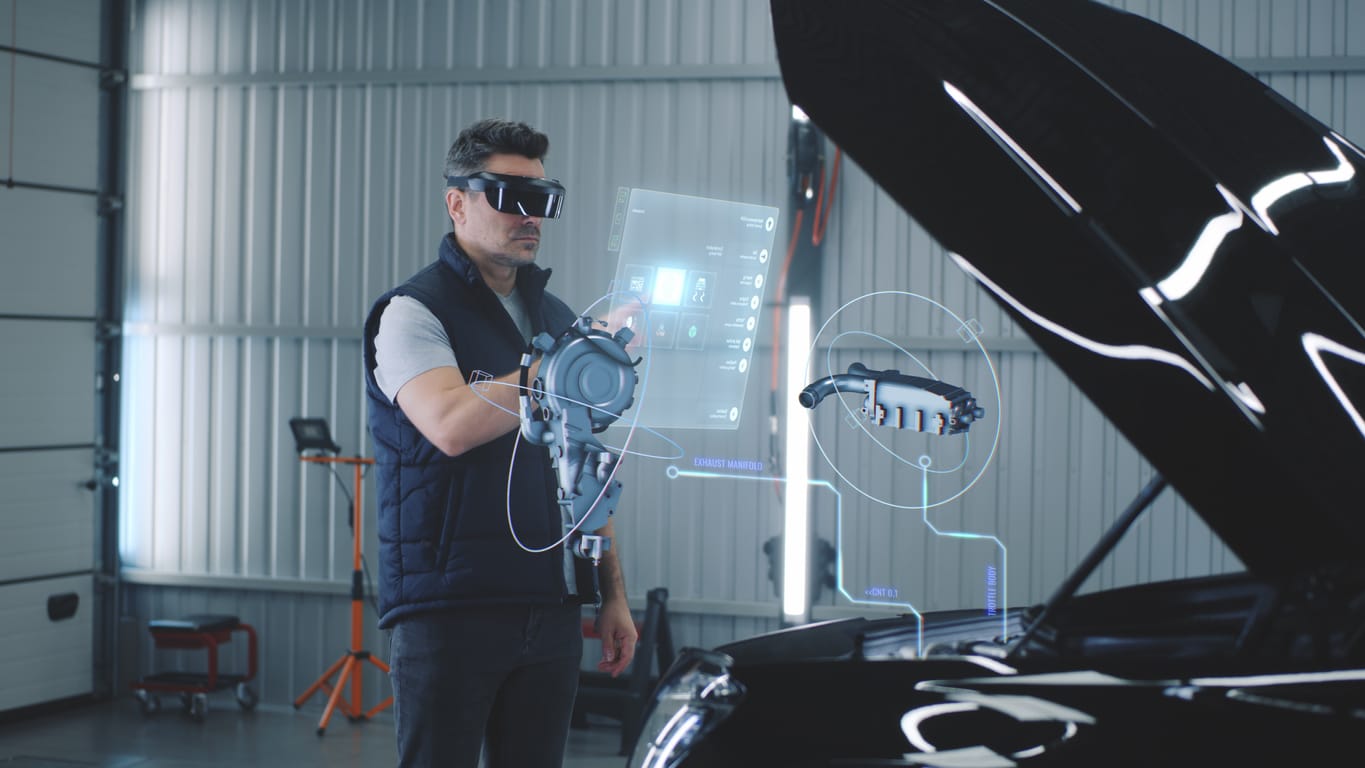
A virtual showroom puts every make, model, trim, and option in front of the shopper without a lot visit: change the color with a click, add packages, and walk around the result. Shoppers arrive at the dealership (or skip it entirely) already sure of the exact configuration they want, which is precisely why manufacturers keep investing in the experience.
Smarter and Safer Vehicles
Safety features are absorbing AR quickly. AR-enhanced rear-view mirrors can flag a blind-spot threat and stream live video of it into the mirror itself, and head-up displays project navigation and hazard warnings onto the windshield so eyes stay on the road.
Driver training benefits too: new drivers practice hazard scenarios in VR that would be dangerous to stage in real life, and only take the real road when the simulator says they are ready.
Designing
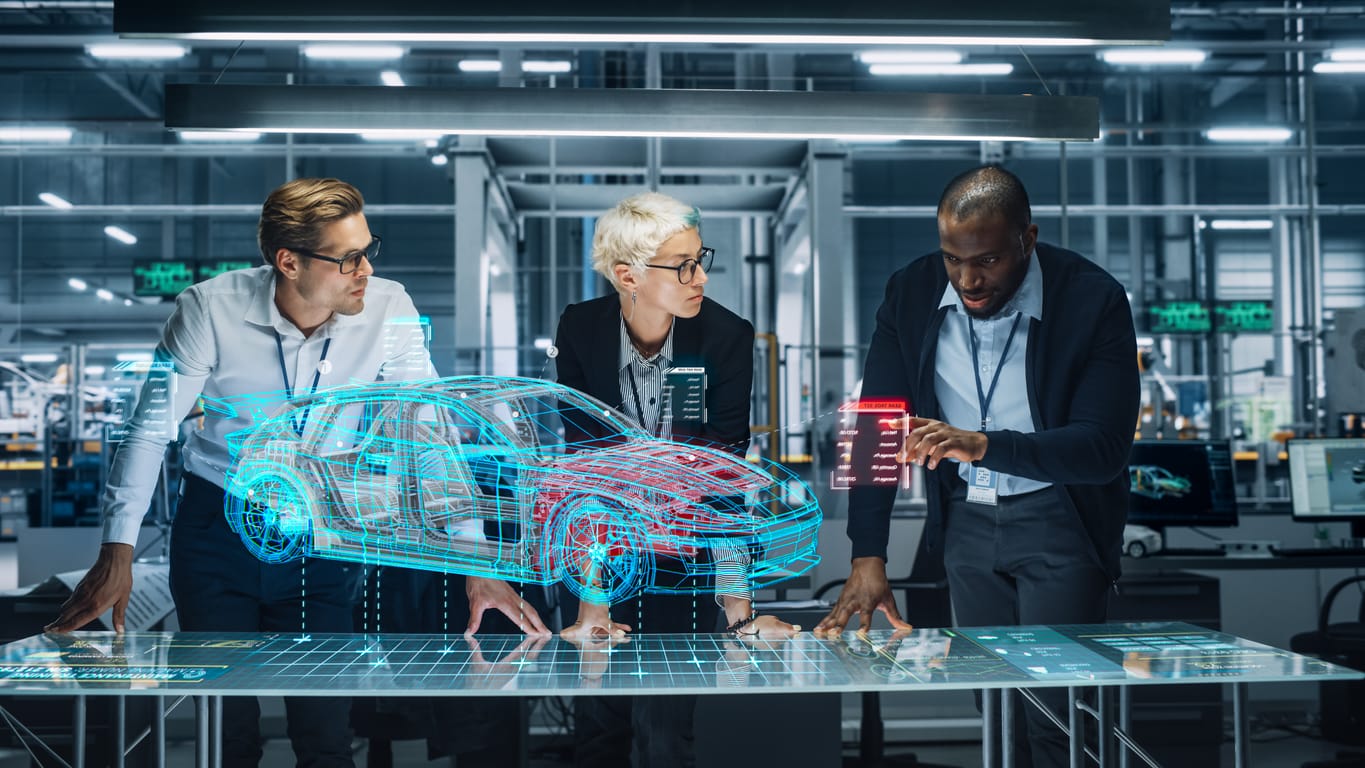
Designers use VR to sit in a cabin that does not exist yet, including from the perspective of drivers shorter or taller than average, and assess designs long before a prototype is built. Augmented reality adds collaboration: teams across continents review the same virtual model together and make changes live in the session.
Electric vehicle development leans on this especially hard. Manufacturers build a digital twin of the car and test its electronic systems virtually, without waiting on hardware, which cuts both the cost and the calendar of the design phase.

Manufacturing
On the assembly line, AR glasses put instructions and technical data directly in a worker’s field of view, on top of the equipment being assembled. That helps in choosing the correct parts and tools, provides live step-by-step guidance, and catches missteps before they become expensive rework. Automakers that have deployed it report meaningful gains in both assembly accuracy and speed.

Conclusion
From design and manufacturing to showrooms, safety features, maintenance, and training, AR and VR have moved from novelty to standard tooling across the automotive industry, and the investment keeps growing year over year. The cars themselves keep getting smarter, and when a newly configured vehicle needs to get from a distant dealer to your driveway, Ship A Car, Inc. handles that part the old-fashioned way: on a carrier, insured, door to door. Price a delivery with the quote calculator any time.