Owning a Classic British Car in America: What It Really Involves
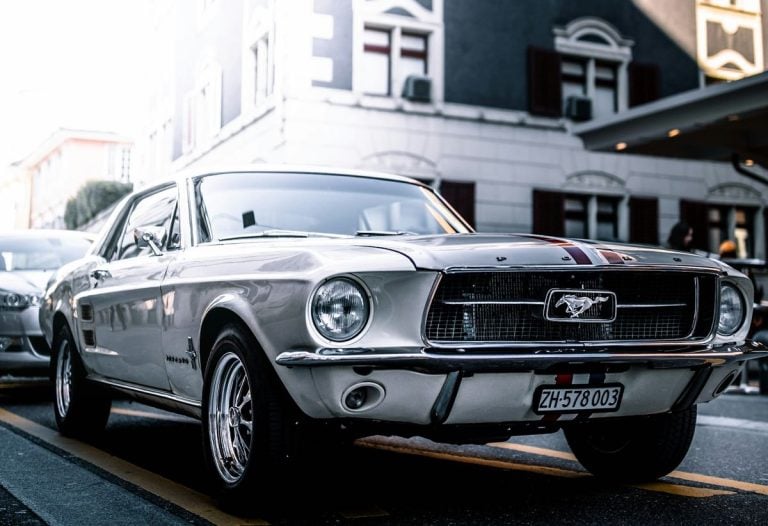
British classics occupy a strange, wonderful corner of American car culture: MGs and Triumphs outnumber some domestic classics on club lawns, parts for a fifty-year-old roadster ship overnight, and the cars themselves cost less than almost any comparable entry into classic ownership.
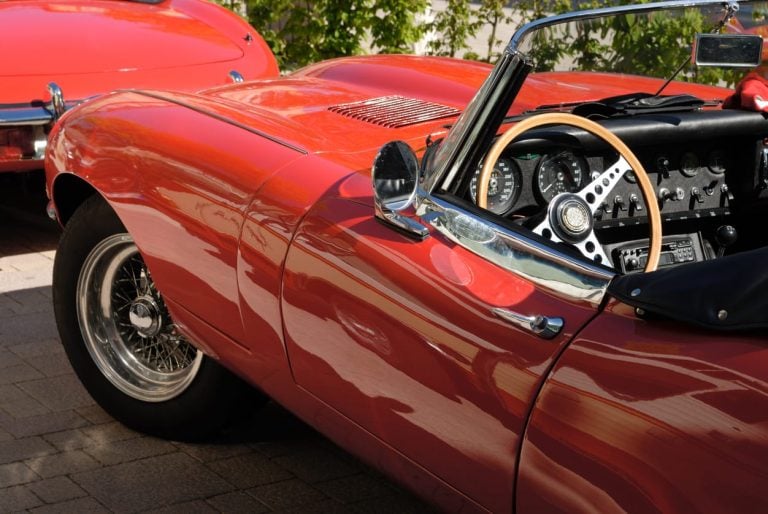
The celebrity garages get the headlines (McQueen’s Jaguars long ago, comedians’ E-Types today) but the real story is how practical these cars are to own here, and where the practicality has sharp edges. Here is the honest picture.
Why British Classics Work So Well Here
Three structural reasons, and they surprise people outside the hobby.
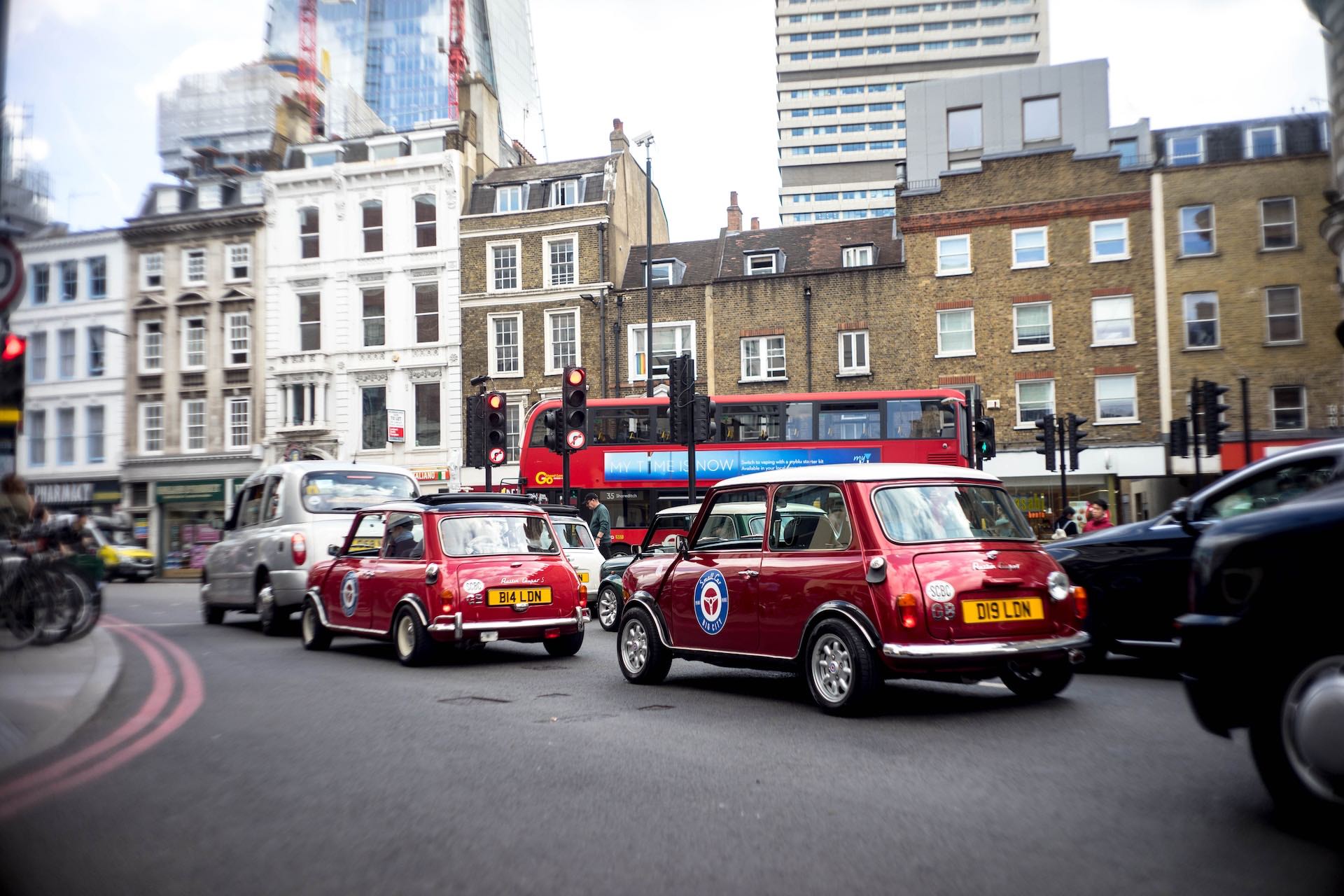
Parts availability is absurdly good. For MGB, Spitfire, Midget, TR6 and classic Mini, nearly everything is reproduced, from body panels and trim to complete interiors, and major US suppliers stock it domestically. A fifty-year-old MGB is easier to keep on the road than many twenty-year-old sedans, because the catalog never closed.
The club network is the support system. Marque clubs in every state mean the answer to any problem is a phone call away, along with the retired machinist who has fixed yours before, twice. For a first classic, that network is worth more than a warranty.
Mechanical simplicity. Carburetors you can see, electrics you can trace, an engine bay with room for hands. These are cars a patient owner genuinely maintains at home with ordinary tools, which is the entire romance, and most of the economics.
The Sharp Edges, Honestly
The electrics deserve their reputation, mostly. The old jokes about the Prince of Darkness reflect sixty-year-old grounds and connectors more than bad design; a weekend re-grounding a car cures most of it. But go in expecting to become mildly fluent in wiring diagrams.
Rust decides everything. These are thin-steel unibodies that dissolved in salt states. The single most important fact about any example is where it lived: a dry-state car with tired paint beats a shiny northeastern car every time, because sills, floors and spring hangers are the expensive truth. Buy on structure, not chrome.
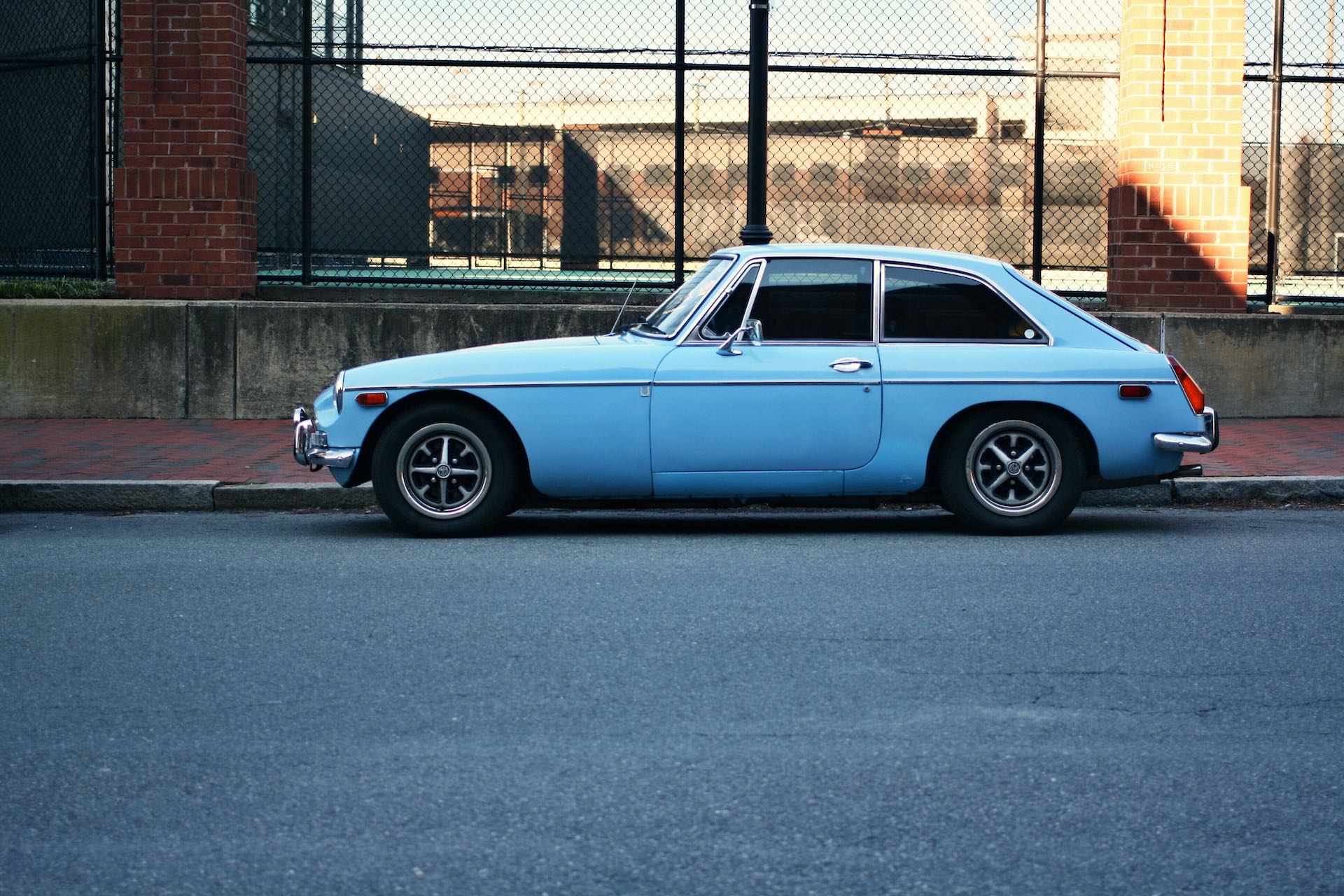
Originality cuts both ways. The market rewards matching-numbers honesty on the rarer cars, and shrugs at sympathetic upgrades (alternators, electronic ignition, better cooling) on the common ones. Decide which car you are keeping before you modify anything you cannot reverse.
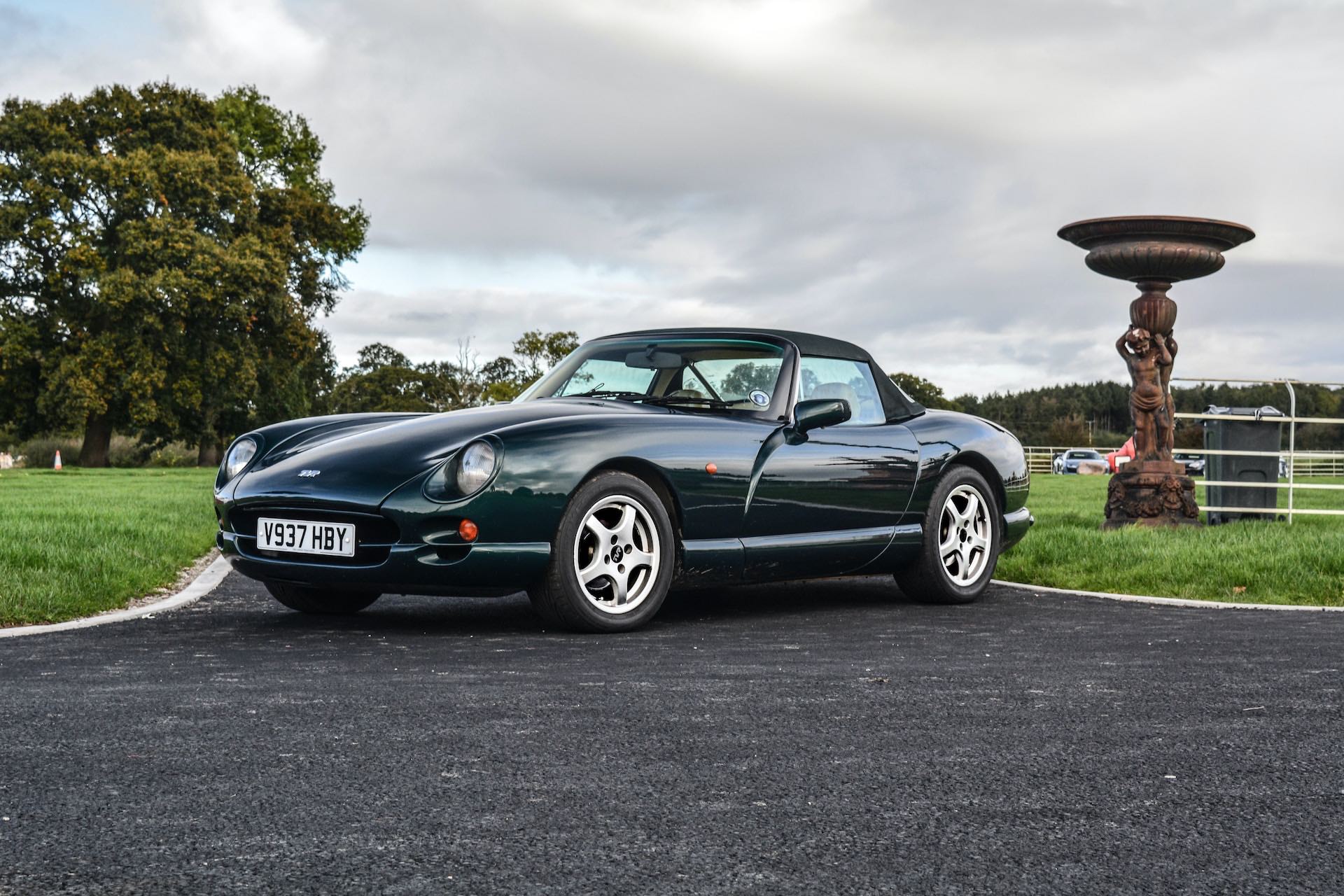
A word on the celebrity effect, since it moves this market more than people admit. When a late-night host drives a restored E-Type or a Healey crosses an auction block on television, the phones at marque specialists ring for a month, and prices on that model firm while everything around it stays flat. The practical takeaways: the famous cars (E-Type, big Healeys, early Minis) trade partly on that spotlight and price accordingly, while their mechanically similar siblings stay cheap; and if you own one of the spotlight models, agreed-value coverage needs revisiting more often than your renewal date, because the market can move twenty percent between anniversaries.
Buying One: The Search Is National
The good examples cluster where the rust is not: the dry Southwest and California above all. Which means the right car is rarely local, and the British-classic market figured out remote buying decades before the internet made it normal: club referrals, marque specialists who inspect, and transport home.
The inspection matters differently here: pay a marque person, not a general shop, because the failure points are model-specific and invisible to a generic checklist. And the paperwork skews older: decades-old titles, estate sales, cars last registered in the Carter administration. For transport, that is workable with the VIN and release authorization; for the DMV, start the title work before the car moves.
Moving Them: What These Cars Need on a Truck
British classics have a specific transport profile, and it is worth stating at booking rather than assuming.
They are small, light and often low since a Spitfire’s chin or a lowered Mini needs the ramp-angle conversation, and sometimes a lift gate. Soft straps over the wheels, never chains to sixty-year-old suspension. Convertible tops must be up and latched or fully secured because a fifty-year-old top that catches highway wind is confetti. Fluids honest: these cars mark their territory, and a carrier warned about a drip protects the car below; one surprised by it has a claim conversation.
Non-runners are routine in this hobby (project Triumphs move constantly) and follow the winch rules in our page on shipping a classic that does not run. For a finished or valuable example, enclosed transport with an agreed-value insurance check is the standard play, per the collector car shipping guide.
The Money, Plainly
Entry is genuinely modest: driver-quality MGBs and Spitfires remain among the cheapest real classics in the country, with the big money reserved for E-Types, Healeys and the rare stuff. Running costs are parts-cheap and labor-honest if you do your own; insurance through agreed-value classic policies is usually a pleasant surprise. The expensive mistakes are the two above: buying rust and paying chrome prices for it, or shipping a fresh restoration open through a salt-month to save a fraction of what the paint cost.
Common Questions
Are parts really available for old British cars? For the popular models, nearly everything is reproduced and stocked domestically. It is the best-supported corner of the classic hobby.
Are the electrical problems real? Mostly age, not design: grounds and connectors. A methodical weekend fixes most of it, and electronic ignition is the common sympathetic upgrade.
What matters most when buying? Structure. A dry-state car with cosmetic needs beats a shiny car with welded history. Pay a marque specialist to inspect, wherever the car is.
How do they ship? Small, light, often low: soft straps, ramp-angle or lift-gate conversation, tops secured, fluids declared. Non-runners are routine winch jobs.
Open or enclosed? Open for a driver-quality project; enclosed for finished cars, fresh paint and anything at agreed-value money.
Get a Quote
Call Ship A Car, Inc. at (866) 821-4555 with both zip codes, the car and its condition, and your date range, or request an estimate for the move through the quote calculator.