Shipping an RV or Travel Trailer Cross Country
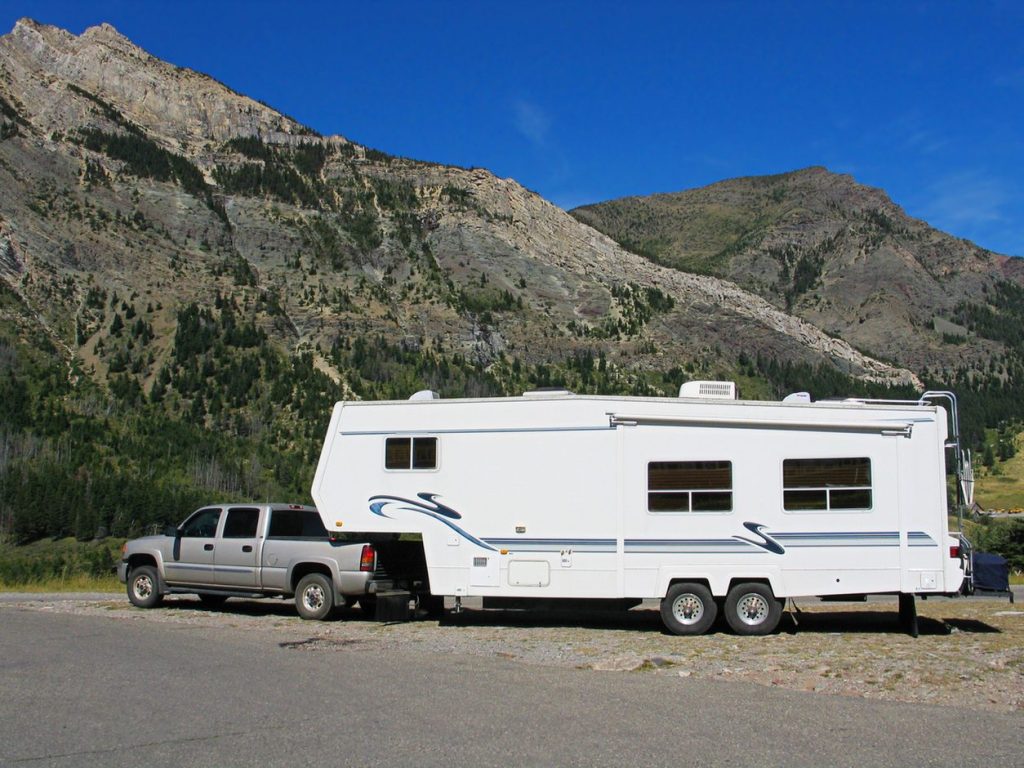
The first question decides everything else: does it drive, or is it towed? A motorhome is a vehicle and can be driven by a hired driver or loaded onto a transporter. A travel trailer, fifth wheel or popup has no engine and has to be towed by a truck with the right hitch and rating, or hauled on a trailer of its own. Those are different services at different prices, and getting the category right in the first sentence saves a wasted quote.

Driveaway or Hauled
For a motorhome there are two real options and they suit different situations.
Driveaway means a qualified driver operates your RV to the destination. It is generally cheaper, needs no specialized equipment, and is often the only practical answer for a large Class A. The trade off is mileage and wear on the engine, transmission and tires, plus fuel, and the vehicle has to be roadworthy, registered and insured for it.
Hauled means the RV travels on a transporter without adding miles. It costs more and requires a carrier with the right equipment, and it is the right call for a vintage or high value coach, anything not currently roadworthy, or when you simply do not want the mileage on the clock.
For towables, the equivalent choice is being towed by a driver with a suitable truck, or loaded onto a trailer. Towing is normal for most travel trailers and fifth wheels; hauling suits smaller units and anything that should not be on its own axles.
Measure It, Do Not Look It Up
RV dimensions on a brochure describe a base model, and yours has probably changed.
Measure the length including the hitch or the rear bumper and any spare carrier. Measure the height to the very top: air conditioners, satellite domes, antennas, solar panels and roof racks all sit above the roofline, and a 12 foot 6 inch coach with a rooftop unit can be 13 feet 6 inches or more. Measure the width with the awning rail and any mirrors that do not fold.
Then give the weight. Use the actual loaded weight rather than the dry weight from the specification, because water in the tanks, batteries and everything stored inside adds up quickly.
Past 8 feet 6 inches wide or 13 feet 6 inches high measured from the road, it becomes a permitted load with its own routing and possibly an escort.
Prepare It Like It Is Going to Be Shaken
Everything inside an RV moves in transit, and most damage claims are about interiors rather than exteriors.
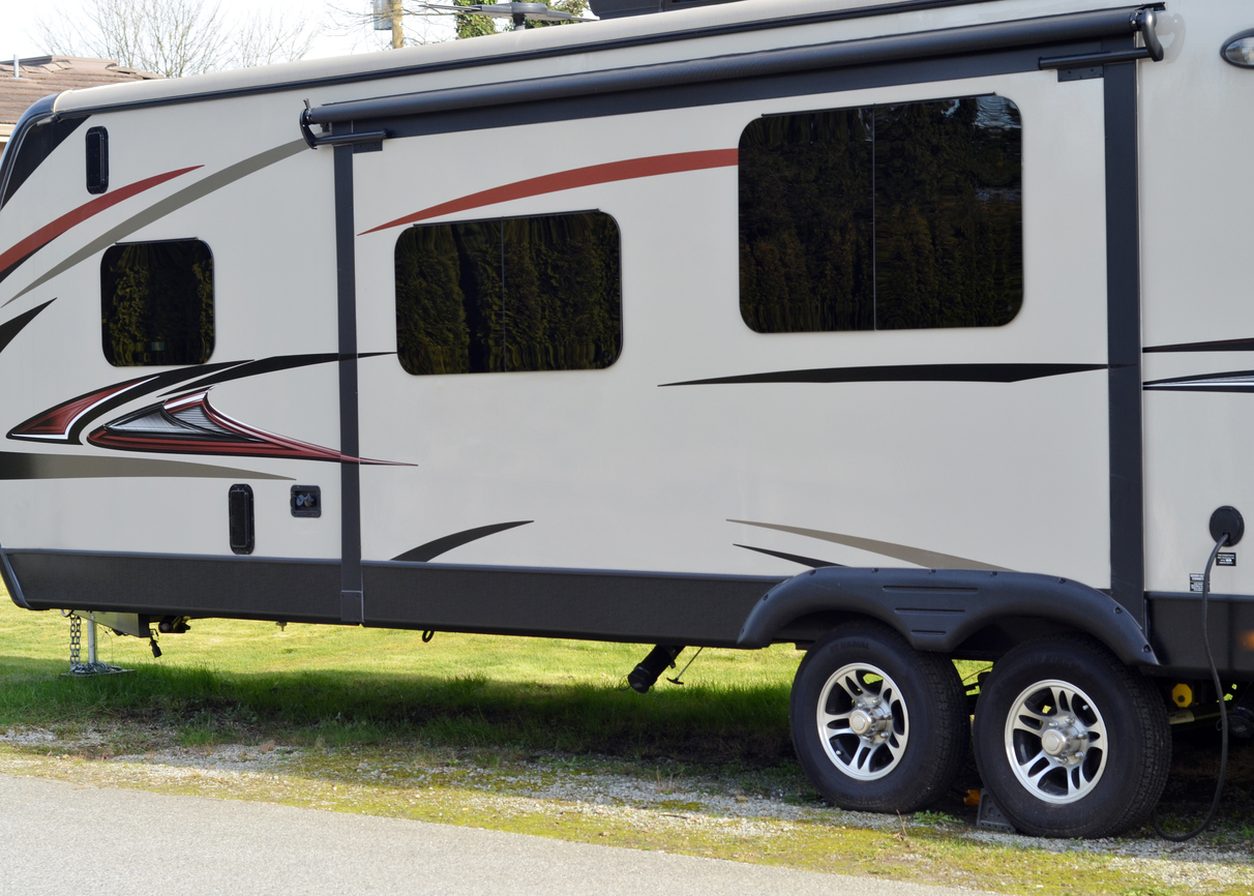
Empty the fresh, gray and black tanks completely, both for weight and because full tanks slosh. Secure or remove everything loose, latch every cabinet, and tape or lock the fridge and any doors that can swing. Retract the slides, the awnings, the steps and the antenna, and confirm each is locked in its travel position.
Turn off the propane and close the valves. Disconnect or isolate the batteries. Remove roof mounted items that can be removed, since each one is height you may be paying for.
Then check the tires. On a towed unit the tires carry the whole journey, and RV tires frequently fail from age rather than tread wear. Check the date codes, the pressures and the wheel bearings before it goes, not after.
Route and Timing
Coast to coast is roughly 7 to 14 days depending on the method, plus time to get assigned.
Hauled RV transport has fewer carriers than ordinary auto transport, so assignment takes longer and the schedule is less flexible. If it is a permitted load, the legal travel windows rather than the mileage set the pace, since permitted loads move in daylight on weekdays.
Winter across the northern routes and mountain passes adds delay, and a tall unit is more exposed to high wind restrictions than a car is.
Insurance
Check whose policy covers what before it moves, because the answer differs by method.
On a driveaway, your own policy and the driver’s coverage both matter, and you should confirm in writing that the vehicle is covered while operated by someone else. On a hauled move, the carrier’s cargo policy applies, and the limit needs checking against what the RV is worth, since coach values run well above what a standard cargo limit assumes.
Photograph the whole unit inside and out in daylight before it goes, including the roof, and note existing damage on the condition report specifically rather than generally.
Common Questions
Can you ship a travel trailer that has no engine? Yes, either towed by a driver with a suitable truck or hauled on a trailer.
Is driveaway or hauling cheaper? Driveaway is generally cheaper but adds mileage and wear. Hauling adds no miles and costs more.
What height do I give you? The measured height to the highest fitting, including air conditioners, domes and racks, not the brochure figure.
Do I need to empty the tanks? Yes, all three. It is weight you pay for and water that moves in transit.
How long does cross country take? Roughly 7 to 14 days depending on method, plus time to get assigned.
Get a Quote
Call Ship A Car, Inc. at (866) 452-3657 for RV and specialized transport, with the measured length, height, width and loaded weight and whether it drives or is towed.