Speed Alert Technology in Cars: What It Is and What It Is Not
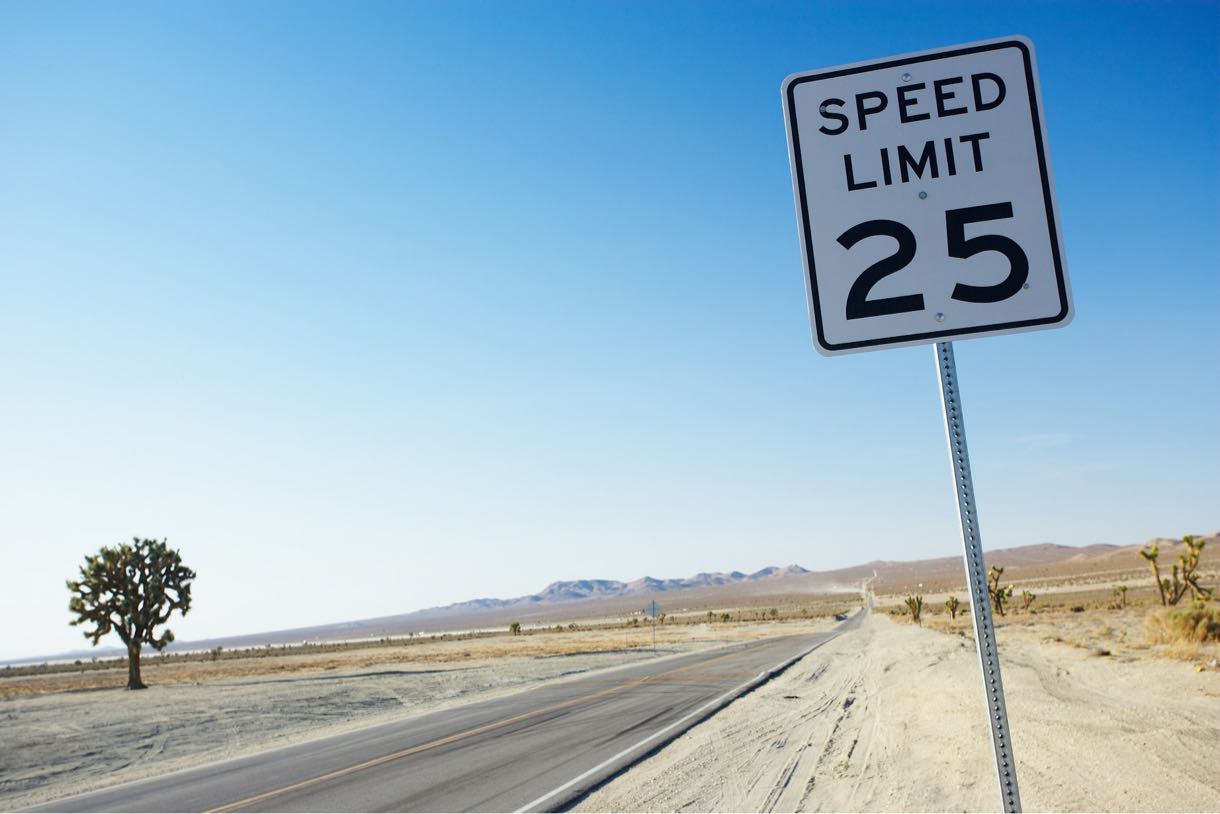
Intelligent speed assistance is the technology that knows the speed limit where you are and tells you when you pass it, and the argument about it is almost entirely about which of its two versions gets mandated. One warns you. The other makes it harder to accelerate past the limit. Those are very different things, and they get discussed as though they are the same.
Here is what the technology does, where the rules stand, and why it keeps appearing in legislation.
The Two Versions
Passive, or advisory. The car establishes the limit from map data, a forward camera reading signs, or both, and warns the driver when they exceed it, usually with a chime and a display change. The driver does whatever they like. Many cars already do this and have for years.
Active, or intervening. The same detection, but the car resists going faster: typically the accelerator pushes back or engine output is trimmed. In every serious proposal this is overridable, meaning a firm press of the pedal still gets full power, because a car that cannot accelerate out of danger is its own hazard.
What almost nobody proposes is a hard limiter that cannot be overridden. When people object that this would be dangerous, they are usually objecting to a version that is not on the table.
Why It Keeps Coming Up
Because speed is a straightforward physical multiplier on harm. The relationship between impact speed and the chance of a pedestrian being killed is steep, which is why so much traffic-safety effort concentrates on speed rather than on driver attitude.
Europe has moved further on this than the United States, with speed assistance systems required on new models. That is why the hardware and software already exist in cars sold globally, and why a US requirement would largely be a matter of enabling something manufacturers already build.
Where the Rules Stand
Proposals have appeared at both federal and state level, and California has been the most active. The versions that have progressed furthest have generally targeted specific populations rather than all drivers: most commonly repeat serious speeding offenders as a condition of keeping a license, which is a narrower and more defensible use than a universal mandate.
Legislation in this area is amended and reintroduced constantly, so treat any specific requirement or date as provisional and check the current position with the state agency if a decision depends on it.
Where the Data Comes From
Two sources, and the difference explains most of the errors drivers notice. Map based systems look up the limit for the road you are on from a database, which is accurate where the database is current and wrong where a limit changed recently. Camera based systems read the signs as you pass them, which handles changes immediately but can misread a sign meant for a slip road, a truck, or a school zone outside its hours.
Most current systems combine the two and weight one against the other, which is why accuracy has improved considerably but has not reached the point where nobody sees a wrong number.
The Honest Objections
Two are worth taking seriously and one is not.
Map data is wrong sometimes. Anyone who has driven with a car that reads speed signs has seen it pick up a slip road limit, or a truck-specific limit, or an out of date figure. On an advisory system that is an annoyance. On an intervening system it is a genuine problem, and it is the strongest practical argument for keeping the override meaningful.
Override design matters. If overriding is too easy the system does nothing; too hard and it becomes the hazard critics describe. That is an engineering argument, not a reason the idea is unworkable.
The objection that carries less weight is that it removes driver judgment. An advisory system removes nothing at all, and an overridable one leaves the decision with the driver while making the limit impossible to be unaware of.
What It Means When You Ship a Car
Nothing directly, and it is worth being clear about that rather than inventing a connection.
One practical note applies to any car with driver assistance systems. If yours has a forward camera, radar or a windshield-mounted module, those are calibrated to the vehicle, and they are also the components most affected by a windshield replacement or a front end impact. Photograph the windshield area and the front bumper specifically before transport, so any dispute about a sensor housing is settled by evidence.
Heavy trucks have their own version of this argument, covered in our page on speed limiter mandates in US trucking - a different debate about a different class of vehicle, and the two are frequently confused.
How It Differs From Cruise and Limiters
Worth separating three things that get conflated. Cruise control holds a speed you choose. A manufacturer speed limiter caps the vehicle at a fixed maximum regardless of conditions. Intelligent speed assistance is neither: it reads the limit for the road you are actually on and responds to that, which is why it needs map data and sign recognition and why its accuracy matters so much more.
Adaptive cruise control adds distance keeping to the first of those, and is now common. None of them are the same system, and a car may have all three.
Common Questions
What is intelligent speed assistance? Technology that determines the local speed limit and either warns the driver or resists acceleration beyond it.
Would it stop my car accelerating? Serious proposals are overridable. A firm press of the pedal still gives full power.
Is it required in the US? Not generally. Proposals exist federally and at state level, most often aimed at repeat serious speeding offenders. Check current status with the state agency.
Do cars already have it? Many already have the advisory version, since the hardware is built for markets where it is required.
Does it affect shipping my car? No. Do photograph the windshield and front bumper, since that is where driver assistance sensors live.
Get a Quote
Call Ship A Car, Inc. at (866) 821-4555 with both zip codes and your date range, or price the move with the instant calculator.