How to Ship a Car From Los Angeles
Los Angeles is the largest vehicle origin market in the country, and that works overwhelmingly in your favor on price and availability, with one asymmetry worth understanding. More cars leave LA than arrive, particularly eastbound, so outbound rates on the heavy lanes are competitive while inbound can price differently. Everything else here is about access, because LA is enormous and its streets vary wildly.
Why LA Prices Well
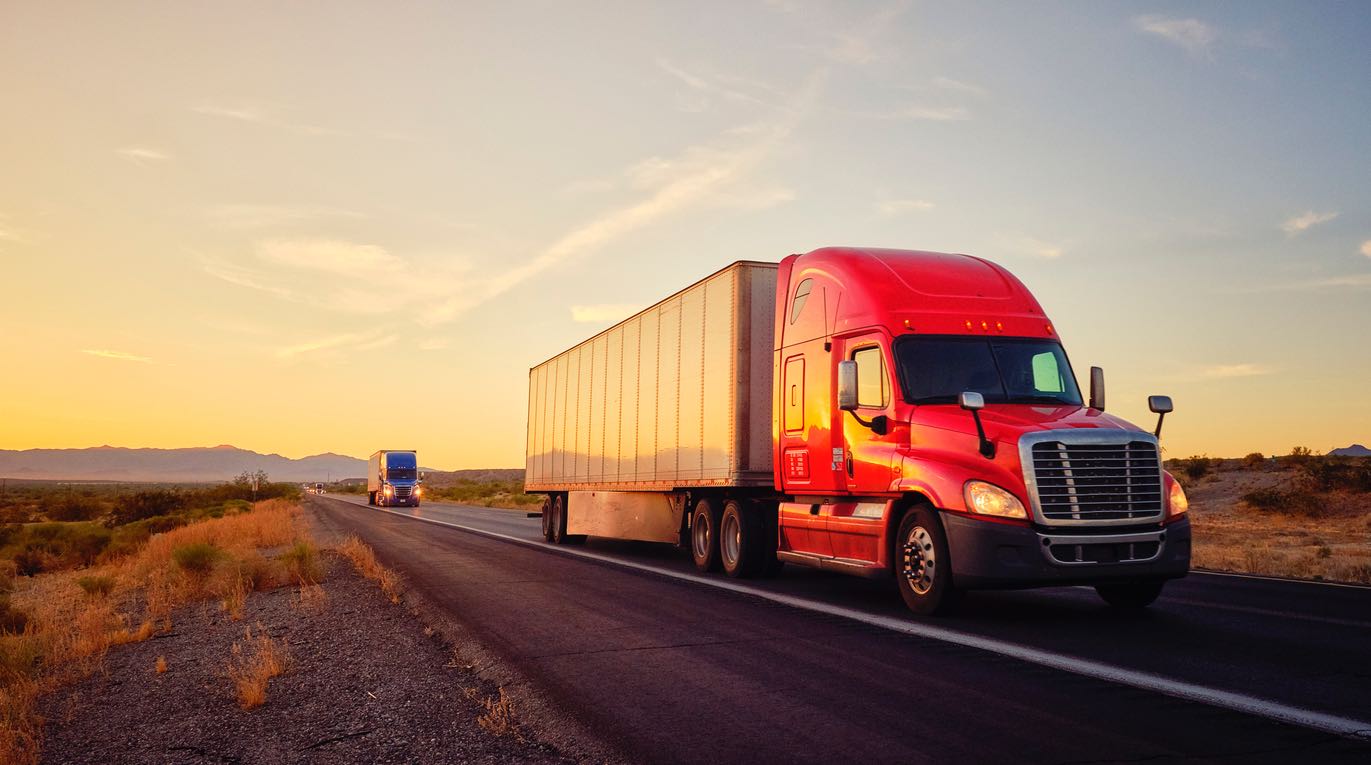
Carrier density here is unmatched. Interstates 5, 10, 15, 405 and 210 all converge on the region, the ports at Los Angeles and Long Beach move enormous volumes of vehicles, and the dealer and auction market is the largest in the country.
The practical effect is that carriers are always here and always looking for loads out. An ordinary LA pickup on a major lane is usually assigned within a few days, and the heavy corridors to Texas, Arizona, Florida and the Northeast are among the most competitively priced in the industry.
Where you feel the asymmetry is on unusual destinations. A car going to a small town well off the interstate network still needs a carrier willing to make the detour at the far end, and that is priced regardless of how easy the LA end is.
Access Varies Enormously Across the Region
Los Angeles County alone covers over 4,000 square miles, and the answer to “can the truck come to my address” changes completely depending on where you are.
Most of the San Fernando Valley, the South Bay, Orange County and the Inland Empire suburbs handle a full size hauler at the curb without difficulty. Wide streets, driveways and room to work.
The problems are specific and predictable. Hillside neighborhoods, meaning the Hollywood Hills, Laurel Canyon, Silver Lake, Echo Park and much of Malibu, have narrow winding roads with no turning room and frequently no legal stopping place. Dense older areas like Koreatown, Downtown, Venice and Santa Monica combine narrow streets with permit parking and constant traffic. And gated communities throughout the region have entrances no 75 foot truck can negotiate.
Where the address is difficult the answer is a meeting point at a large retail lot near a freeway exit, and LA has no shortage of them. Agree it when you book rather than when the driver is circling.
Traffic Sets the Schedule
This is the part visitors underestimate and residents already know.
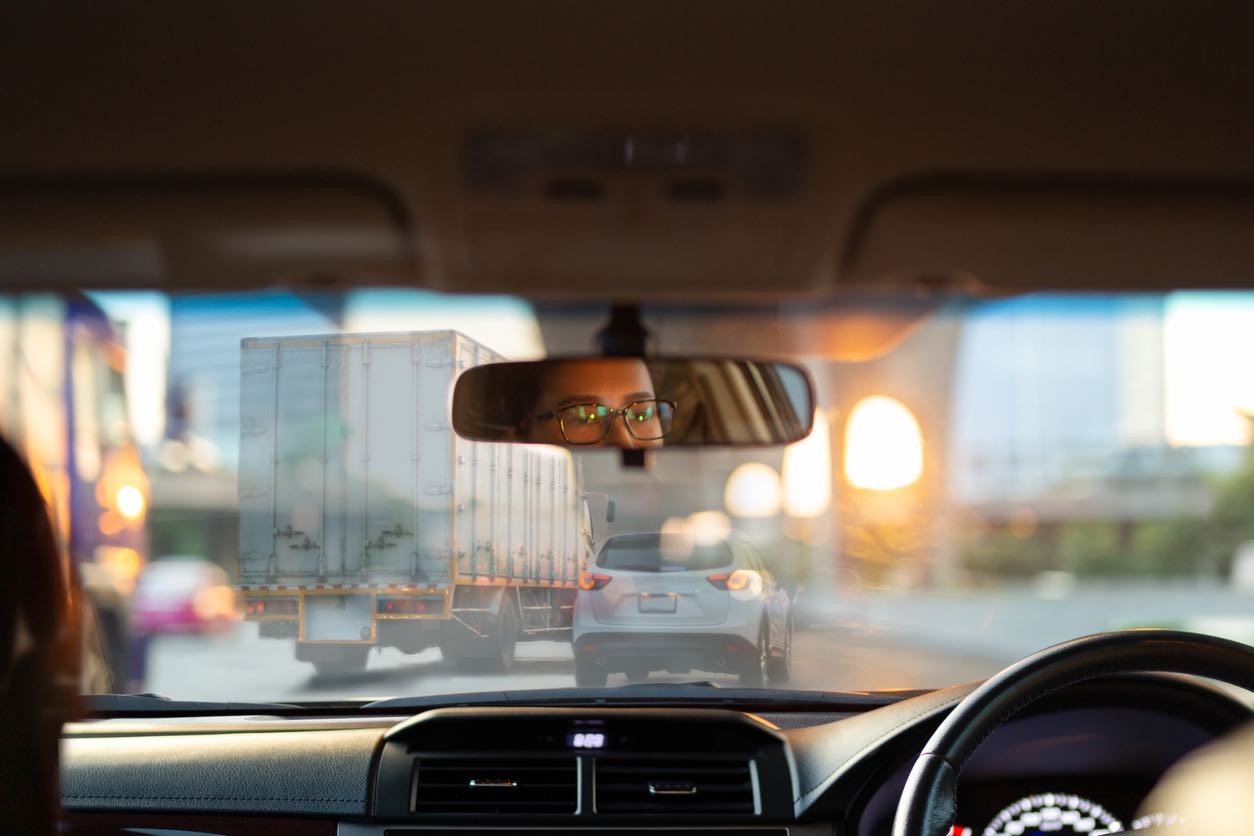
A driver crossing the basin in the afternoon peak can lose two hours, and that is a delivery slot gone. Expect a window rather than an appointment, and expect early morning to be the easiest time for any difficult address.
Ask for morning collection where you can. Give a range of days rather than a single date. Both improve the price and the assignment time, and neither costs you anything.
The Lanes That Matter
LA runs several of the heaviest corridors in the country and the pattern is consistent.
Arizona, Nevada and Texas are short to medium runs with constant traffic, usually quick to assign and reasonably priced. Florida and the Northeast are the long haul volume lanes, typically five to seven days in transit and heavily trafficked in both directions.
The Pacific Northwest up I-5 is straightforward. Seasonal movement to and from the mountain states peaks around winter, and the general summer moving season tightens everything from June through August.
Sun Is the Local Hazard
Southern California sun is harder on a vehicle than most weather, and it affects what you should leave in the car.
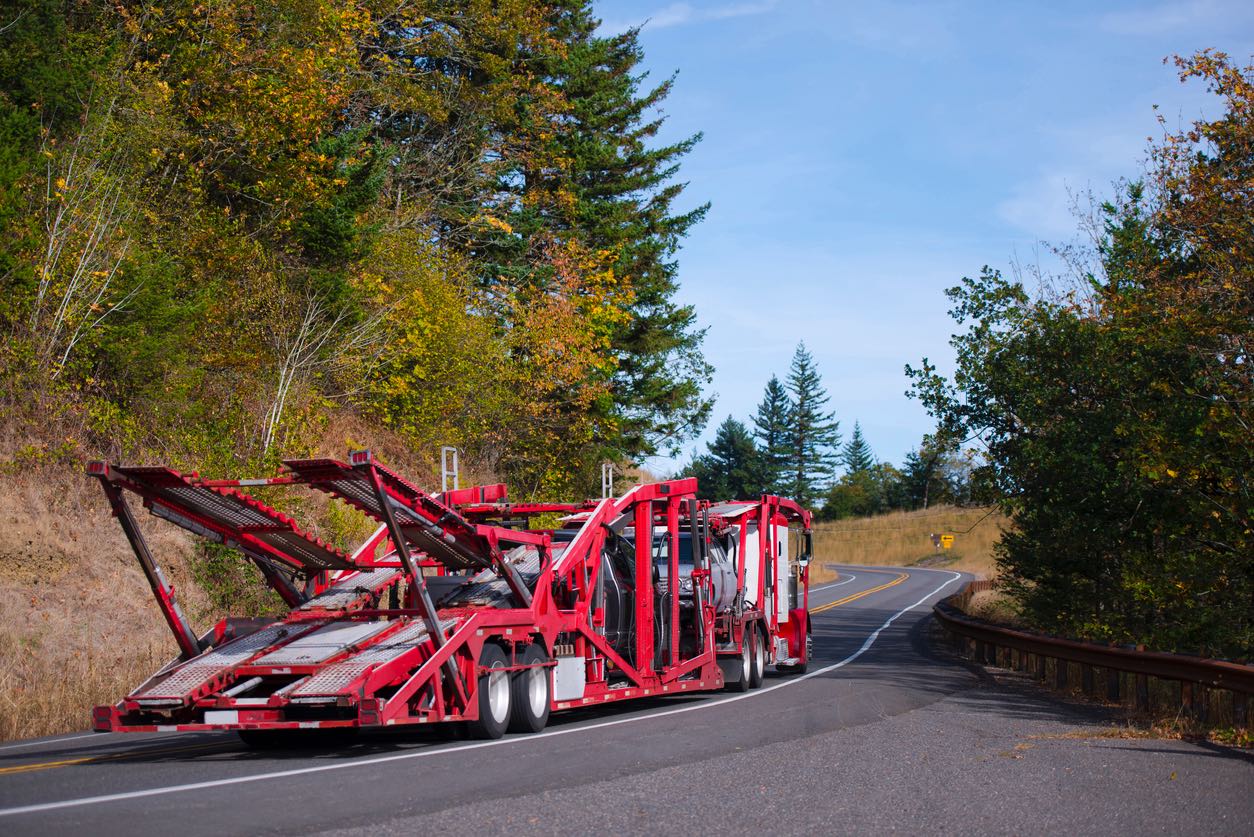
A vehicle on an open upper deck sits in full sun for the whole trip, and interior temperatures become extreme. Remove anything that can melt, warp or burst: electronics, aerosols, medication, sunglasses and pressurized containers all belong out of the car.
Check tire pressures before a summer move, since heat raises them and desert routes east of the city run far above air temperature.
If the car is a convertible, has fresh paintwork or carries a wrap, an enclosed carrier is worth pricing for the sun exposure alone on a long summer run.
Open or Enclosed
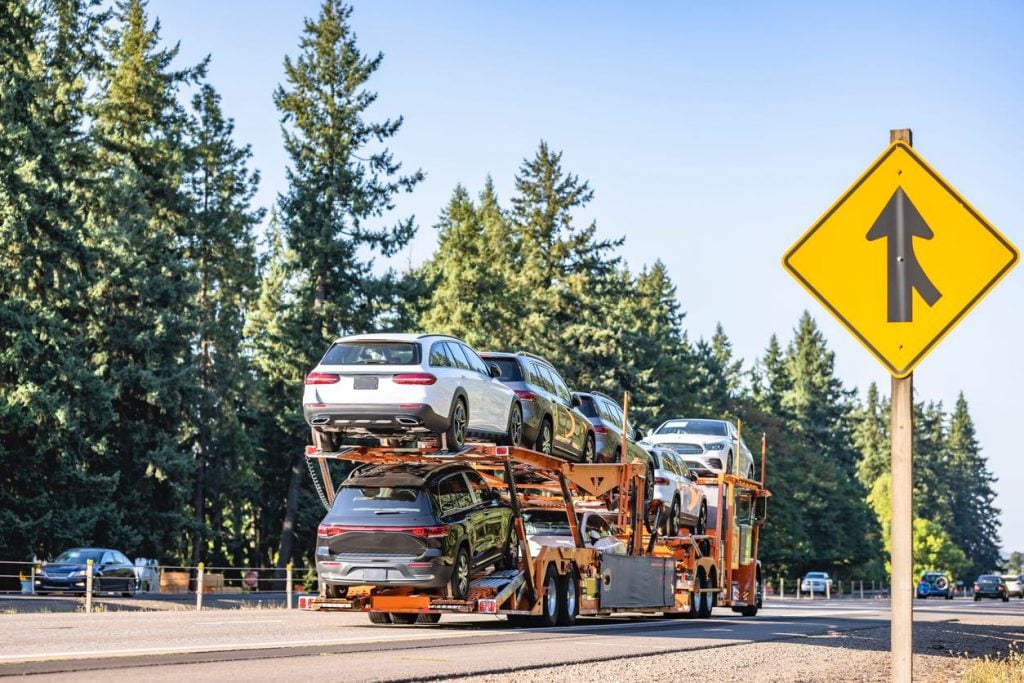
Open transport carries the overwhelming majority of vehicles out of Los Angeles and it is right for an ordinary car.
LA generates more enclosed demand than almost anywhere, because the collector, exotic and film industry vehicle population is large. Enclosed costs about a third more and earns it on a car with genuine value, fresh paint or a wrap, and on anything low enough that standard ramps are a risk.
Enclosed carriers are also frequently smaller trucks, which is a real advantage in the hillside and dense neighborhoods where a ten car open trailer simply cannot go. For the wider state picture see our California car shipping page.
Buying and Selling Across the Country
A large share of vehicles leaving Los Angeles are sold to buyers in other states, because the market here is deep and cars from a dry climate are worth traveling for.
If you are the seller, get daylight photographs of every panel before the truck arrives and keep them. They are your evidence if a buyer claims damage that was not there, and on a remote sale that argument is otherwise unwinnable.
If you are the buyer, get the same photographs from the seller before you pay, and be specific: wheels, lower bumpers, rocker panels, roof and the underside of the front lip. Confirm the vehicle runs and drives, because an inoperable car needs a winch equipped carrier and costs more.
Agree who hands over the keys and get a working phone number at both ends before the vehicle is assigned. A driver who cannot reach anybody at pickup will move on to the next load, and you go back into the queue.
Preparing the Car
Wash it so existing marks are visible, then photograph every panel in daylight, including the wheels, the lower bumpers and the rocker panels, which are what loading marks.
Leave about a quarter tank of fuel. Empty the cabin and the trunk, since personal items are not covered by cargo insurance and they add weight. Fold the mirrors, disable a motion sensitive alarm, remove your toll transponder so you are not billed for the truck’s route, and hand over a key.
At delivery, inspect before signing. Compare against your photographs and note anything unexpected on the bill of lading while the driver is still present.
Common Questions
How long does it take from LA? One to two days to Phoenix or Las Vegas, two to three to Texas, and five to seven to the East Coast once collected.
Can the truck come to my address? In the valleys, South Bay and suburbs, usually. Hillside roads, dense older neighborhoods and gated communities generally need a meeting point.
Why is shipping out of LA comparatively cheap? Carrier density. Every major interstate converges here and trucks are always looking for loads out.
What time of day is best? Early morning. An afternoon crossing of the basin can cost a driver two hours and a delivery slot.
Is enclosed worth it here? For a valuable, low or freshly painted car, yes, and enclosed carriers are often smaller trucks that reach difficult addresses.
Get a Quote
Call Ship A Car, Inc. at (866) 821-4555 with both zip codes, your date range and where in the region you are, or price the move with the instant calculator.