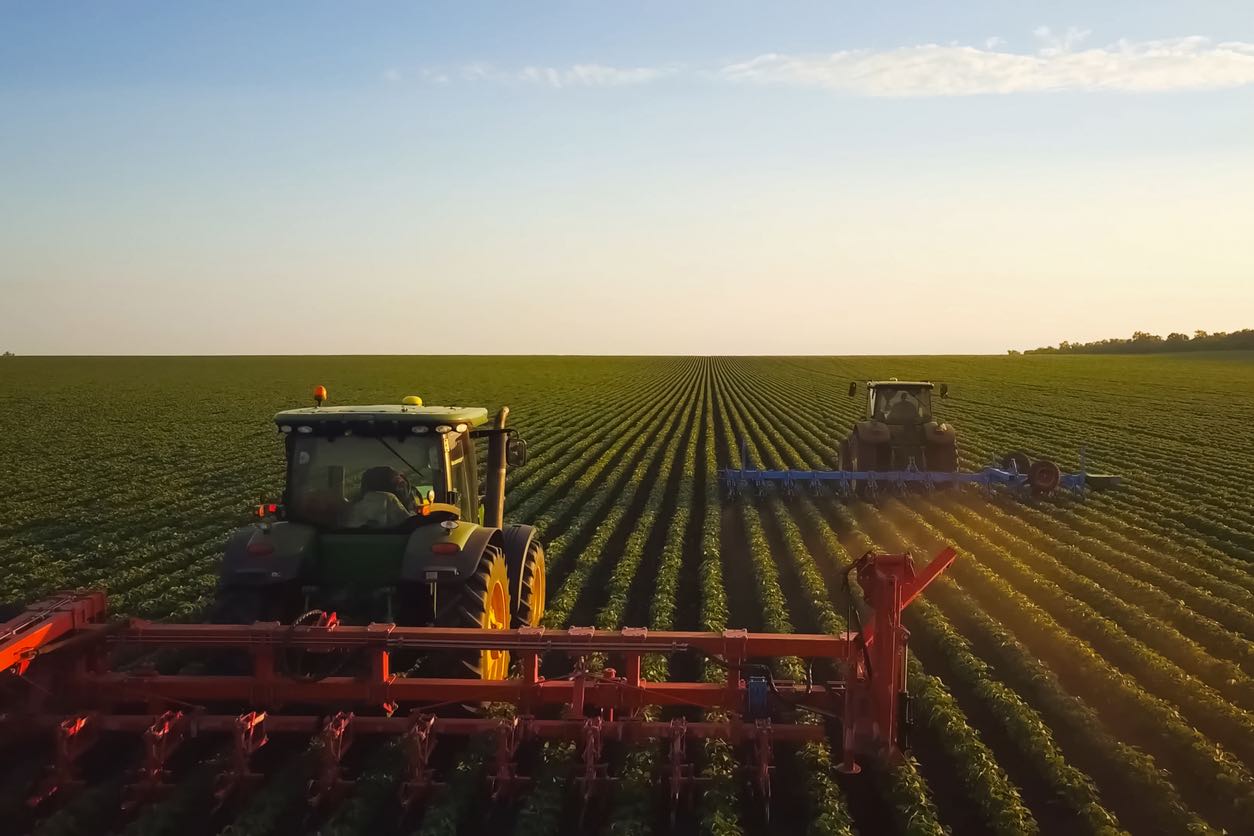
With farm tractors the binding constraint is usually height, not weight, and that catches people who assume heavy equals hard. A row crop tractor is tall and narrow, and once it sits on a trailer deck the cab or the exhaust stack frequently pushes past the legal limit even though the machine is nowhere near a weight problem. An articulated four wheel drive is the opposite: wide and enormously heavy but not especially tall. Knowing which shape yours is tells you the trailer, the permit and the price before anyone quotes it.
Which Shape Is Yours
The trailer choice is not a preference. A step deck buys roughly a foot of height over a flatbed and a lowboy buys more again, which is often the difference between a routine move and a permitted one.
Height Is Usually the Problem, and Usually Fixable
Legal height is 13 feet 6 inches in most states, and that is measured from the road, not from the deck. Subtract the trailer deck and a tall tractor has less clearance than owners expect.
The good news is that most of the height is removable. An exhaust stack often unbolts or folds. A beacon or antenna comes off. On some machines the cab roof section or air conditioning housing can be dropped. Taking twenty minutes in the yard regularly moves a load from a permitted oversize to an ordinary one, and the saving is larger than the labor.
Measure to the highest fixed point once the removable items are off, and give that number. A brochure figure is not it.
Duals, Ballast and Fluid Are Weight You Forget
Farm tractors carry a lot of optional mass, and it is frequently left on because nobody thinks of it as cargo.
Dual wheels add substantial width and weight, and on most machines they come off. Front and rear ballast weights are exactly what they sound like and can be removed. And fluid filled tires, ballasted with liquid for traction, add far more than people estimate and cannot be seen from outside.
Tell us honestly whether the tires are loaded, because that number changes the permit and a load that arrives heavier than declared gets stopped at a scale.
Implements Come Off
A tractor with a front end loader, a three point implement or a mounted sprayer is longer, taller and heavier than the tractor alone, and each of those is usually a separate consideration.
The usual answer is to remove the loader and ship implements separately or on the same trailer as secured freight. That keeps the tractor within ordinary dimensions and lets the implement be secured properly rather than left hanging off the back of a machine.
If an implement must stay attached, say so at quoting time. It changes the measured length and where straps can go.
Permits and Timing
Anything over 8 feet 6 inches wide, 13 feet 6 inches high or 80,000 pounds gross needs an oversize permit from every state on the route, for a defined path and period. Wider loads add escorts.
Permitted loads generally travel in daylight on weekdays. Plan around the farm calendar too: demand for agricultural transport spikes hard around planting and harvest, when every operator in the region needs the same trailers in the same fortnight.
Preparing the Machine
Most damage happens during loading, and a prepared tractor loads in minutes.
Lower the loader and any three point equipment and pin them. Remove or fold the stack, beacon and mirrors. Reduce fuel to the level the carrier asks for. Lock the brakes and note anything unusual about starting or moving it. Clean off mud and stones, because debris falling from a load is a serious matter and mud hides existing damage.
Photograph the machine from every side before loading, including glass, lights and the undercarriage, and walk it with the driver so existing condition is on the paperwork before it moves.
Common Questions
What decides the trailer? The shape of the machine. Tall row crop tractors need a lower deck; wide or heavy ones need a lowboy or multi axle.
Can I reduce the height? Usually. Stacks, beacons and sometimes roof sections come off, and that often avoids a permit entirely.
Do duals have to come off? Not always, but they add width and weight and removing them frequently keeps the load legal.
Are loaded tires a problem? They add weight you cannot see. Declare them, because an under-declared load gets stopped at a scale.
Should the loader stay on? Usually not. Removing it keeps the tractor within ordinary dimensions.
Get a Quote
Call Ship A Car, Inc. at (866) 452-3657 for heavy haul and specialized freight, with the make, model, measured height with the stack off, and whether the tires are loaded.