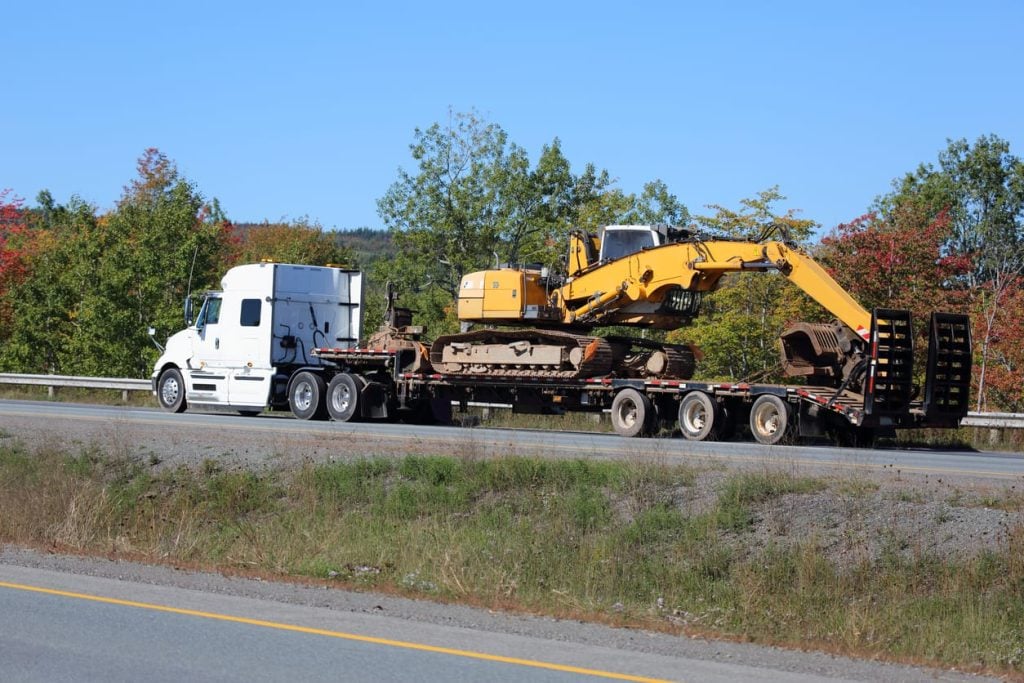
Heavy Equipment Shipping in Georgia
Two things shape almost every Georgia heavy haul: the Port of Savannah at one end and metro Atlanta in the middle. Savannah is one of the busiest container ports in the country, so a large share of equipment moving through this state is either coming off a vessel or heading to one. And whatever the destination, the route usually has to deal with Atlanta, where an oversize load cannot simply drive through at any hour it likes.
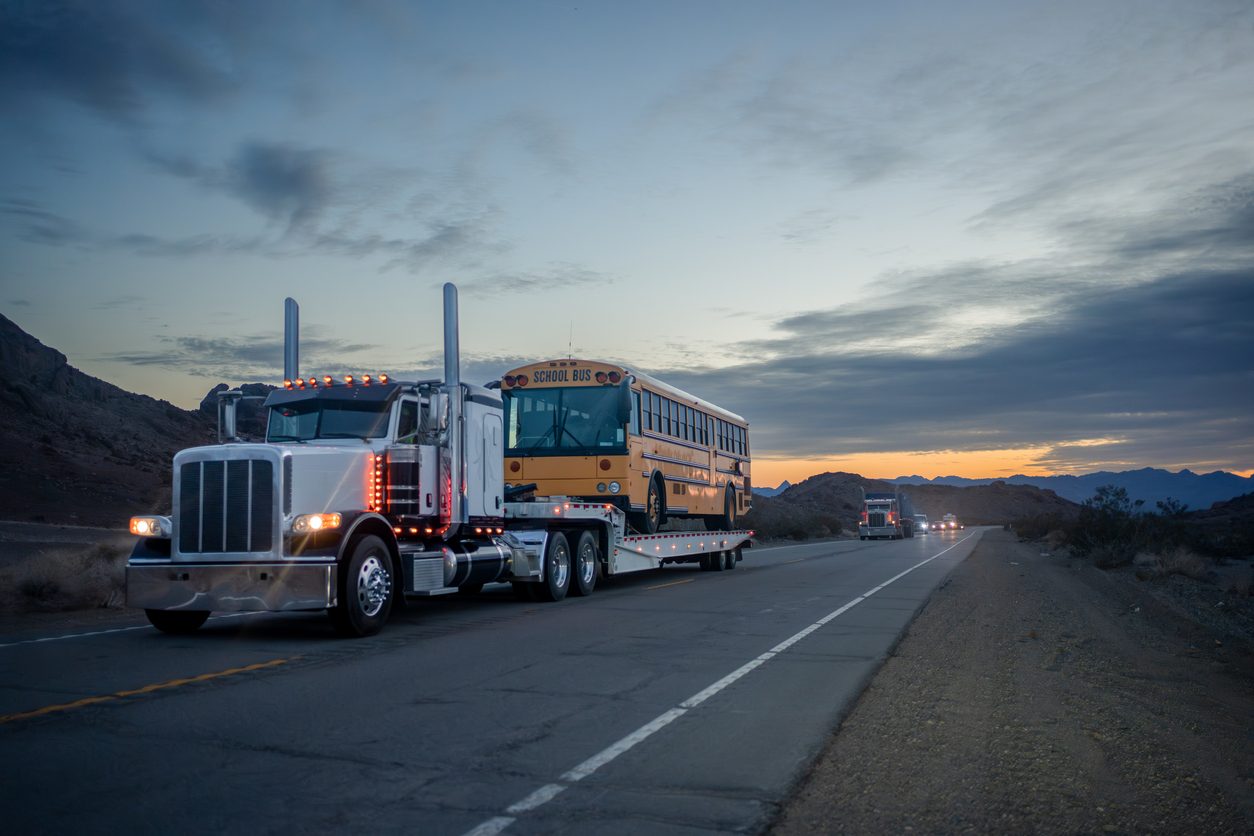
The Port of Savannah Sets the Timeline
If your machine is arriving by sea or leaving that way, the port schedule drives everything, not the trucking.
Equipment coming off a vessel sits until it is released, and a carrier cannot collect before that happens. Storage charges accrue in the meantime. The practical move is to book the truck around the release rather than around the vessel’s arrival date, because those are rarely the same day.
Savannah also concentrates demand. When several machines clear at once, the lowboys serving that corridor get busy, so a little notice buys a lot here.
Metro Atlanta Restricts When You Can Move
Georgia, like most states, restricts oversize permitted travel during peak commuter hours in its largest metro, and around Atlanta that matters more than in most places because I-75, I-85, I-20 and I-285 all converge there.
The effect on your shipment is timing rather than cost. A load that could physically run the distance in a day may be held until a legal travel window opens, and permitted loads generally move in daylight on weekdays anyway. Plan the schedule around that rather than being surprised by it.
For a machine that is only slightly over, it is sometimes cheaper overall to reduce the dimensions and avoid the permit entirely. That decision belongs at quoting time, not at the yard.
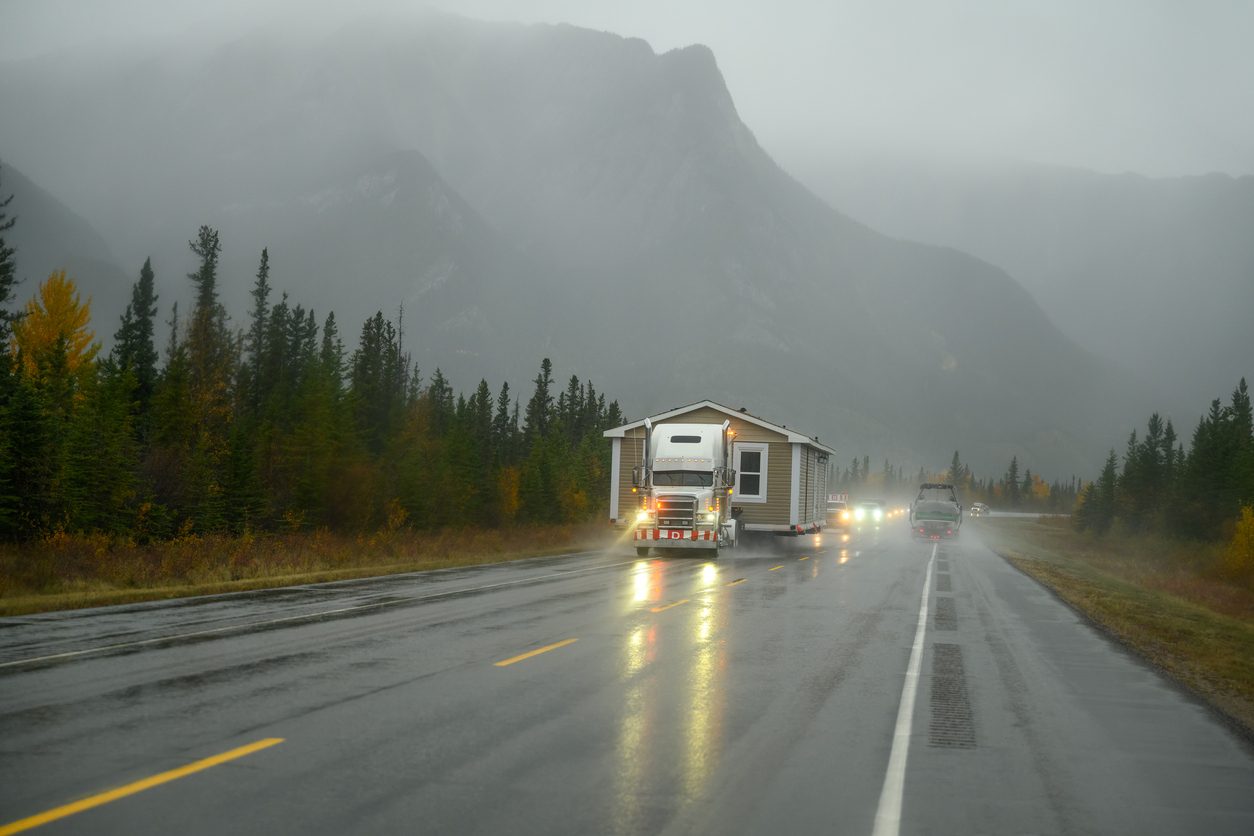
Permit Thresholds
The federal baseline applies here as elsewhere. Anything over 8 feet 6 inches wide, 13 feet 6 inches high, or 80,000 pounds gross needs a state oversize permit, issued for a defined route and period.
Past roughly 12 feet wide you add escort vehicles, and the wider the load the more of them. Height is measured from the road rather than from the deck, which is the number people most often get wrong, and a lowboy exists precisely to buy back those inches.
Give the measured height with the stack, beacon and any removable topworks off. A brochure figure is not the number the permit office needs.
Measure the Machine, Not the Brochure
Manufacturer specifications describe a standard configuration. Yours may not be standard.
Counterweights, buckets, blades, ripper shanks, side mirrors and beacons all change the envelope, and most of them come off. Fluid filled tires add weight that cannot be seen from outside and is routinely forgotten. Tracks may need to be walked onto boards rather than driven straight up a ramp.
Tell us the working weight with attachments, the measured height and width, and whether it runs and steers under its own power. Those four answers determine the trailer, the permit and the price.
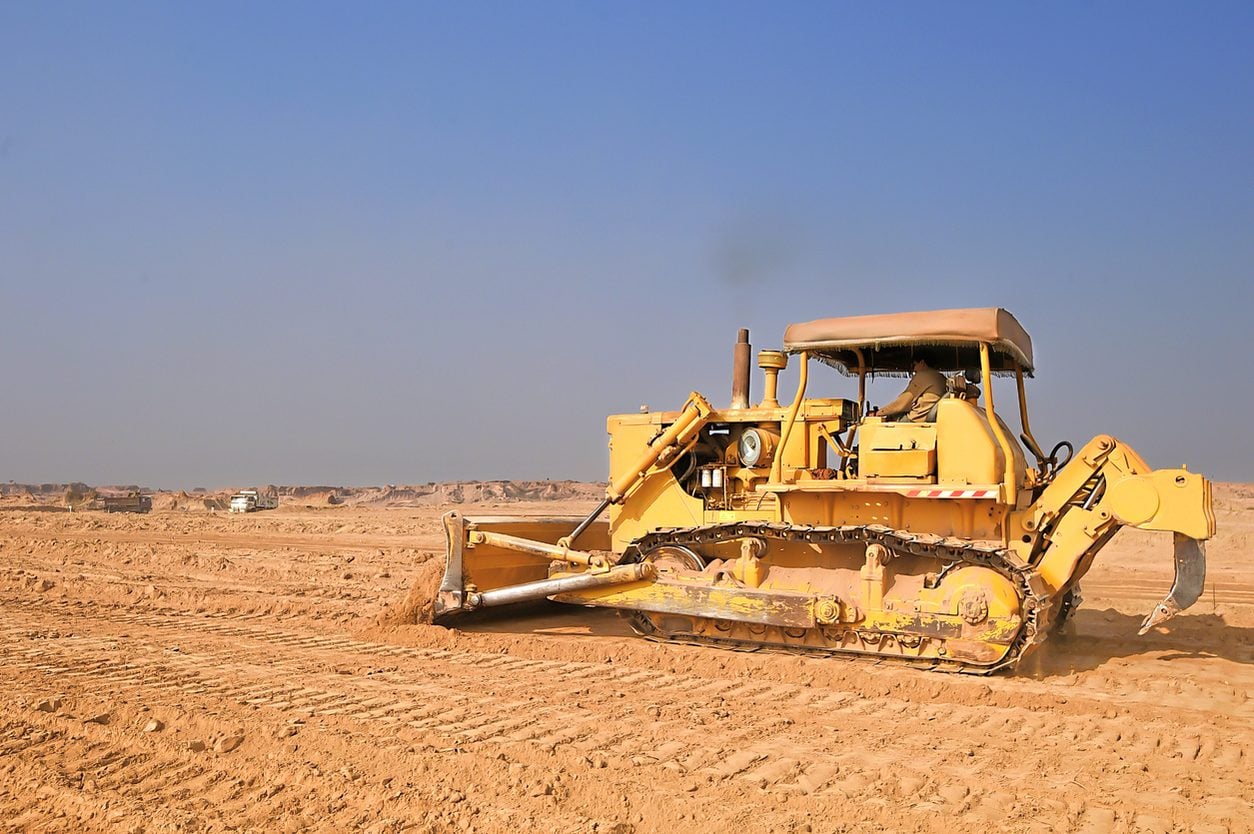
Routes Beyond Atlanta
I-16 links Savannah to Macon and the interstate network, and it carries most port traffic heading inland. I-75 runs the length of the state from Florida up through Atlanta toward Tennessee. I-20 crosses east to west toward Augusta and Alabama.
Away from those, south Georgia is timber and agricultural country, where the pickup point is often a tract or a field rather than a paved yard. Ground conditions matter there: a machine that has to be dragged onto a lowboy through soft ground is a different job from one loaded on hardstanding, and rain changes the answer.
Preparing the Machine
Most damage happens during loading, and a prepared machine loads in minutes.
Lower and pin any attachments. Remove or fold the stack, beacon and mirrors. Reduce fuel to the level the carrier asks for. Lock the brakes and note anything unusual about starting or moving it. Clean off mud and stones, because debris falling from a load is a serious matter and mud hides existing damage.
Photograph the machine from every side before loading, including glass, lights and undercarriage, and walk it with the driver so the existing condition is on the paperwork before it moves.
Common Questions
What decides the trailer? Measured height, width, weight and whether the machine drives on. Tall machines need a lower deck, wide or heavy ones need a lowboy or multi axle.
When do I need a permit? Over 8 feet 6 inches wide, 13 feet 6 inches high, or 80,000 pounds gross. Beyond about 12 feet wide you add escorts.
My equipment is at the Port of Savannah. Book the truck around the release, not the vessel arrival. Storage runs while it waits.
Can you collect from a field or a timber tract? Yes. Tell us the ground conditions, because soft ground changes the equipment needed.
Does it have to run? No, but say so. A machine that will not move under its own power needs winching and a different loading plan.
Get a Quote
Call Ship A Car, Inc. at (866) 452-3657 for heavy haul and specialized freight, with the make, model, measured height and width, working weight, and whether it runs.