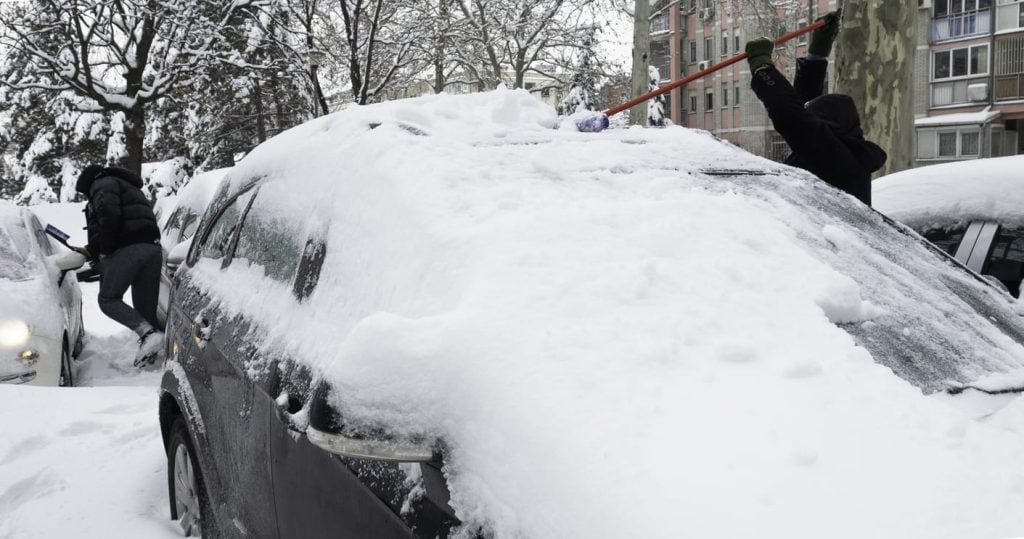
Is Warming up Your Vehicle before You Drive it in the Wintertime a Must?
With the winter season upon us for many people in America, many people have been told to always start their car before they begin to drive it, and the appeal is easy to see. Instead of leaving your house and sitting in a freezing car for ten minutes until the car is warm, you can simply start it beforehand, wait ten minutes, walk outside and into a toasty vehicle ready to go. Consumer Reports’ chief mechanic, John Ibbotson, says it’s important to give the engine a chance to run for a minute before driving on a cold day, but it doesn’t have to run any longer than warming up the cabin and defrosting the windshield. Any longer is deemed not only a waste of fuel, but it is also generating harmful emissions unnecessarily.
While warming up an engine is vital, it only becomes fully lubricated long before it reaches the full operating temperature. When a car sits for an extended period of time the oil drains down to the bottom of the oil pan. Once started, the oil pump circulates the oil throughout the motor, as it does, the engine components are well lubricated. Cold engines tend to idle at 1,200 rpm or more, which makes the lubrication process relatively quick. In today’s modern vehicles, the engine is fully lubricated within 20 to 30 seconds, meaning the vehicle is ready to drive by the time you start the car, put on your seat belt, and get comfortable. While the engine may not be fully warm, it is completely lubricated and safe to drive.
What people typically tend to do when the temperature drops is to allow their engine to sit idle for 20 minutes or sometimes even longer to get everything really warm, including the cabin. However, the fastest way to warm up an engine is simply by driving it. It is important that you keep an eye on the temperature gauge and not rev the engine hard until you see the gauge move off the cold reading. On the flip side of things, the car is going to warm up in a few minutes as opposed to letting it sit idle for 15 minutes to warm up to your comfort levels. Because of this, you are essentially wasting gas by letting your car sit idle for an extended period of time.

It is however important to allow your car to warm up, just not for an extended period of time. Auto professionals advise that you invest in a frost plug heater, which will help warm up the engine and prevent fluids from freezing. It is also vital that you keep up with the car’s maintenance, keep the fluids full, maintain proper tire pressure, and to keep your fuel tank at least half full in cold temperatures.
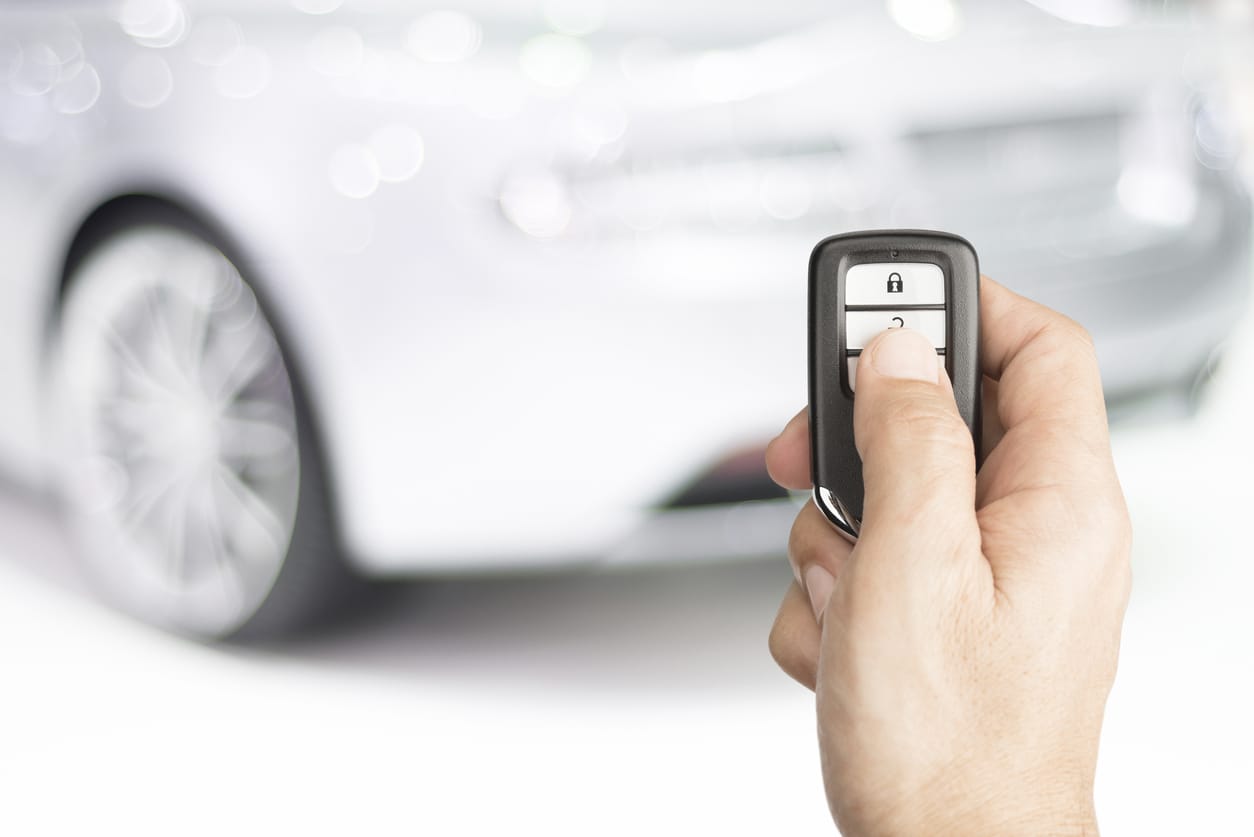
Another reminder for you to consider is to make sure that you are still being safe when you are warming up the vehicle. Law Enforcement advises you to have a spare key for an older vehicle so you are able to lock it to prevent theft. If you have a new car, this typically comes with a remote start, which will allow you to not only start it from your house, but also lock it while it is started. In some cases, you could even get fined for leaving your car unattended. If you are unable to leave your car unattended to allow it to warm up, you could simply sit in the car as it warms up. It would be a great time to catch up on the morning news on your phone, or drinking your coffee.

Conclusion
It is a common thought process to start your car and let it run for at least ten minutes before driving it in the cold temperatures is vital for the car to run efficiently. This isn’t always the case however, as the modern technology in newer cars does not require a long period of time to lubricate the engine. Because of this, the extended idle time not only wastes gas, but it also emits harmful emissions at a high rate, which is detrimental to the atmosphere.