Some Car Models Become Obsolete in the Coming Year
The new year not only brings new car models to different car brands, it also marks the end for a number of different models for those brands. Most car manufacturers carry a certain number of models on their yearly lineup, this ensures they are able to produce enough efficiently, and not waste materials. There are a number of reasons as to why a company will stop producing a car, it may be performance issues, limited gas capacity in a hybrid or electric economy, declining sales for a certain model that was once popular, or simply based on consumers opinions. The following list is reported through Edmunds, and it will comprise of vehicles that will not be in the upcoming lineup for car manufacturers.
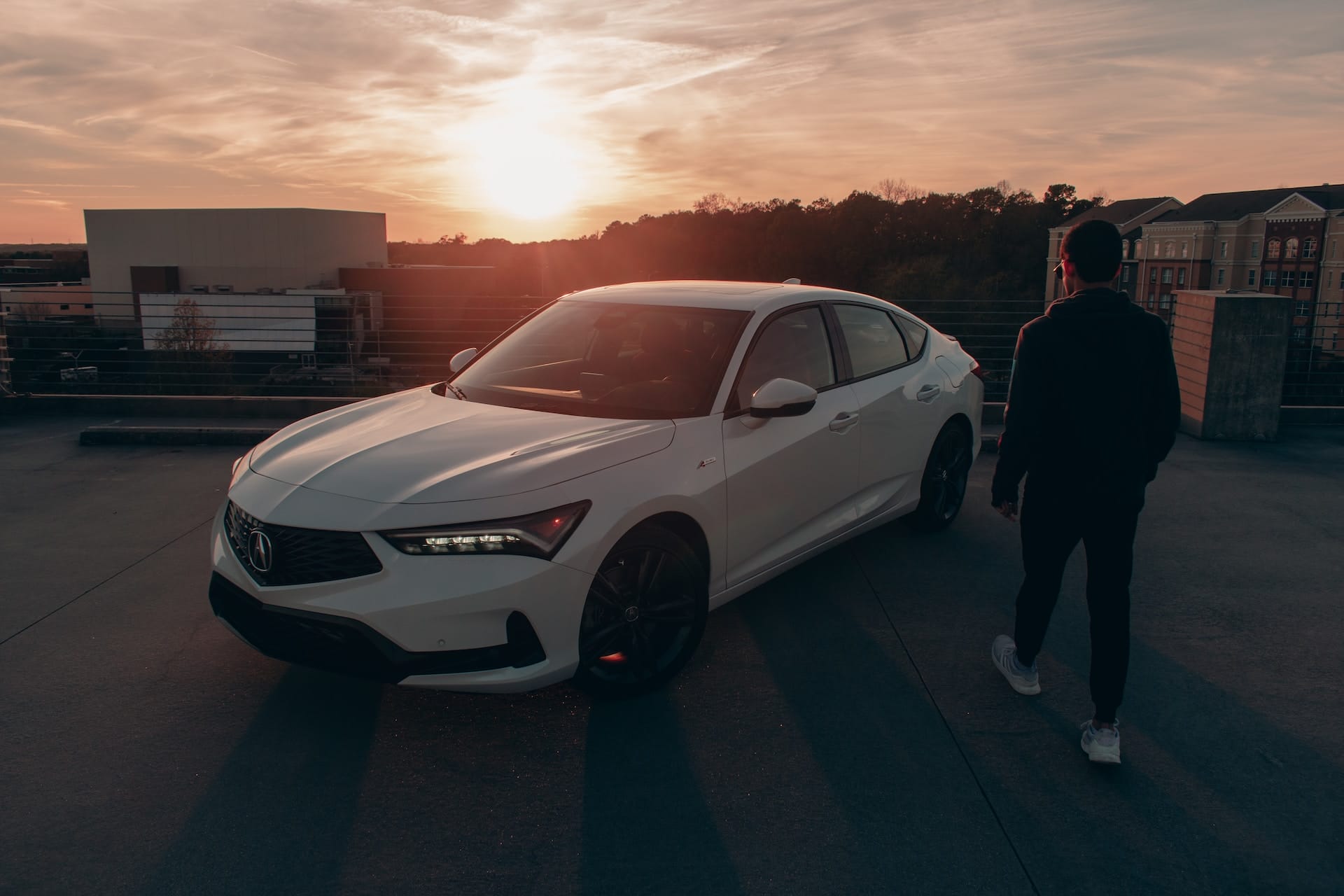
Acura ILX
Although the ILX has been in the Acura lineup since 2013, its run has finally come to an end. This may be due to the lack of improvements or updates over the years. It is due to be replaced by the 2023 Itegra, which will serve as the first time buyers point of entry into the Acura lineup based on its price points.
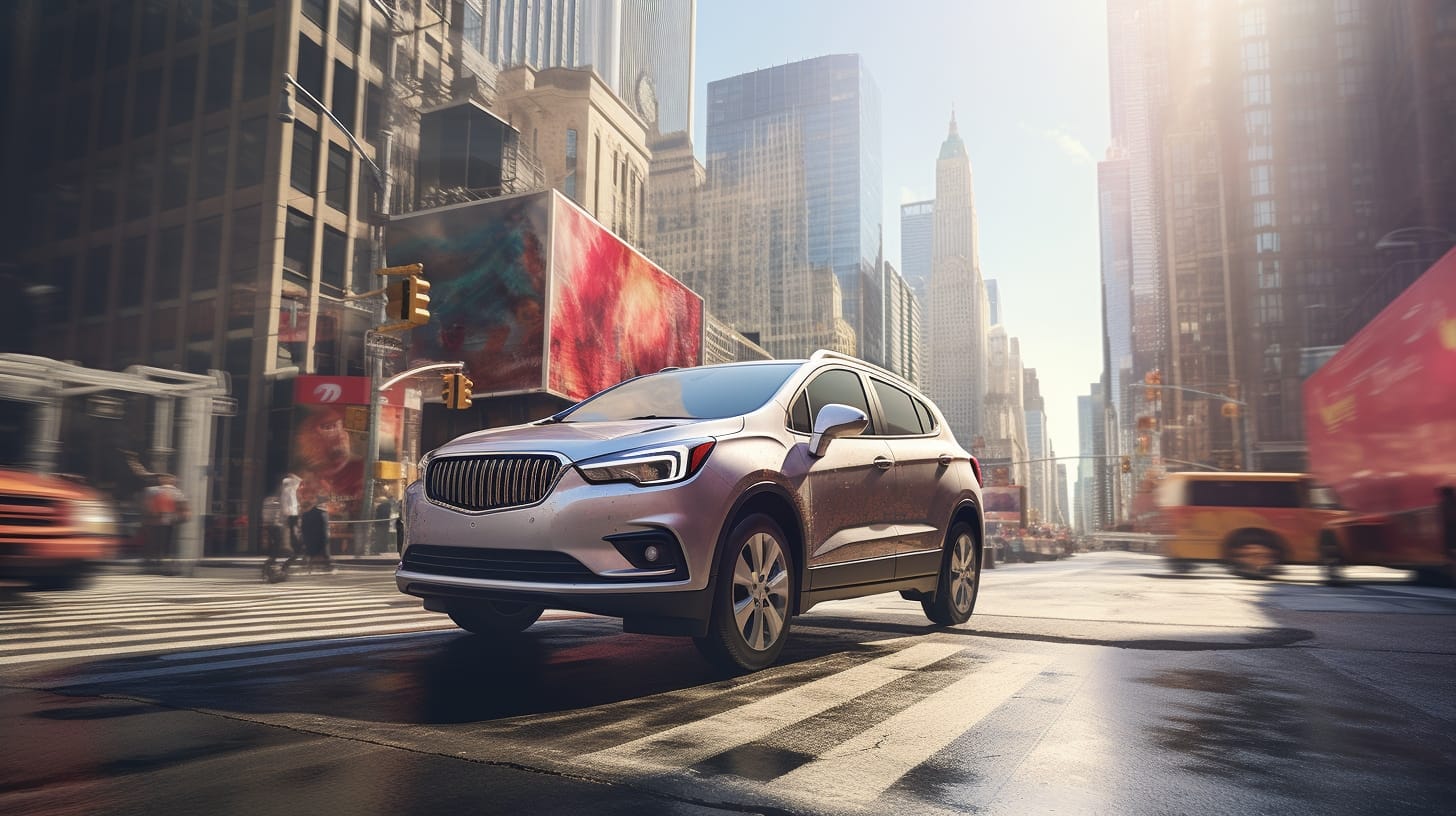
Buick Encore
Another model that was introduced in 2013, the sales of the Encore during the January through September months fell an astounding 42% in 2022, compared to the same stretch in 2021. This may come as no surprise as Buick is already selling the Encore GX, which is a similarly sized product, but a much improved version.
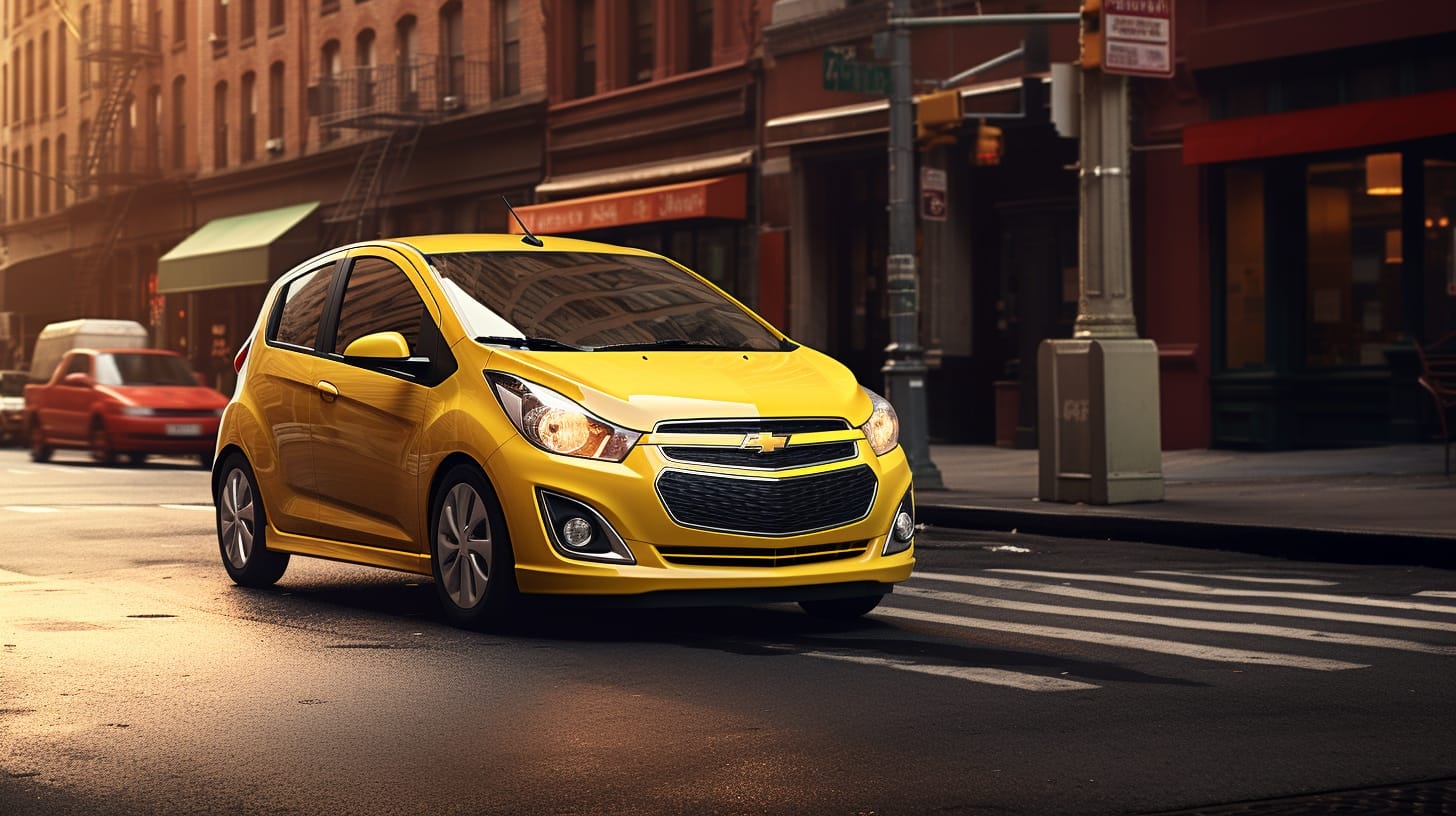
Chevrolet Spark
Despite being one of the cheapest models in the Chevrolet lineup starting at $14,595, the Spark had ceased production in August of 2022.
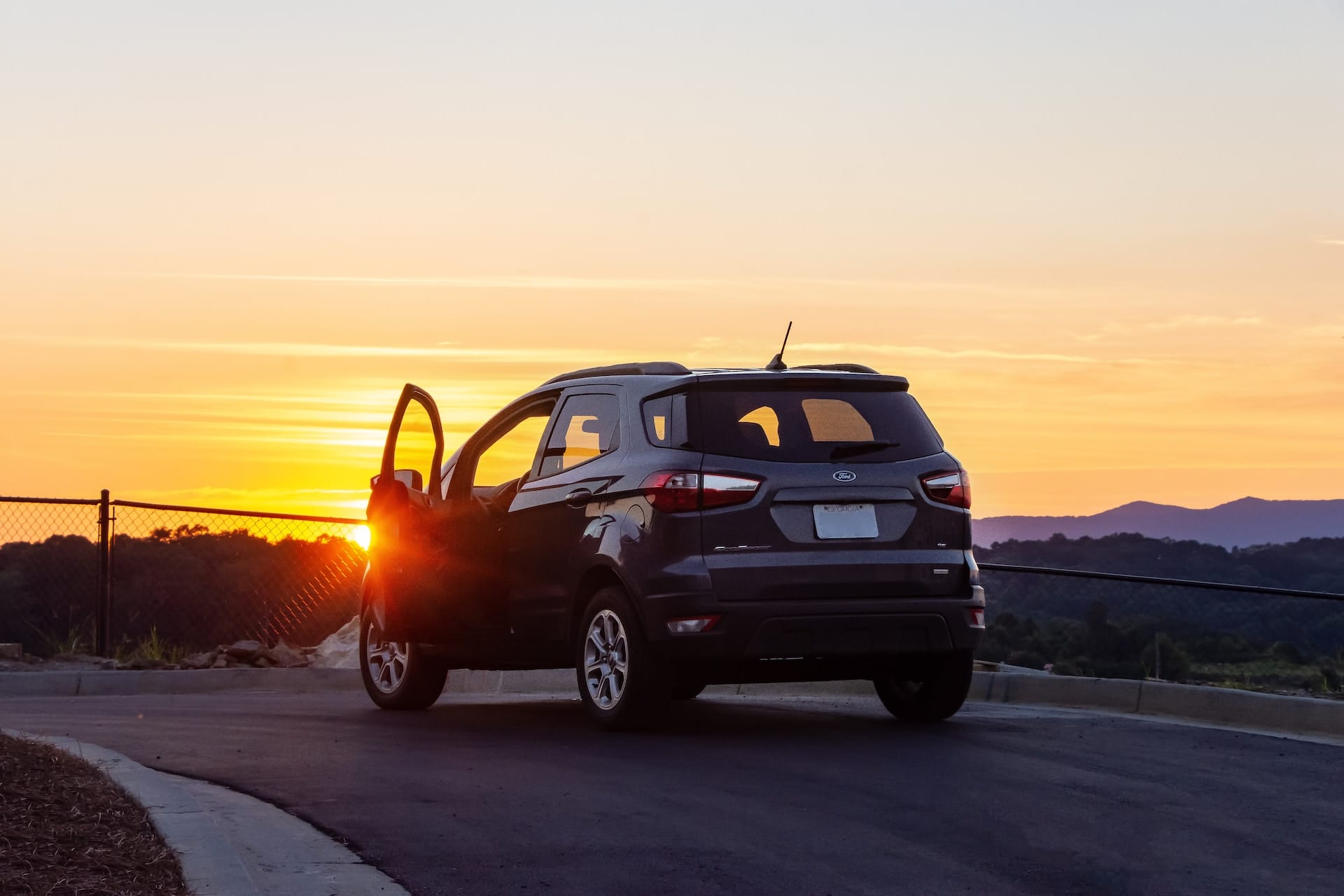
Ford EcoSport
The EcoSport did not really meet expectations when it was introduced in 2017. Ford actually already removed the EcoSport from the U.S. market in 2022, and will be completely removed from Ford in 2023 globally. Known to be the smallest and affordable SUV’s in the Ford lineup, the sales for this model has declined drastically since its inception, it’s really a wonder as to why it has been in the lineup for so long.
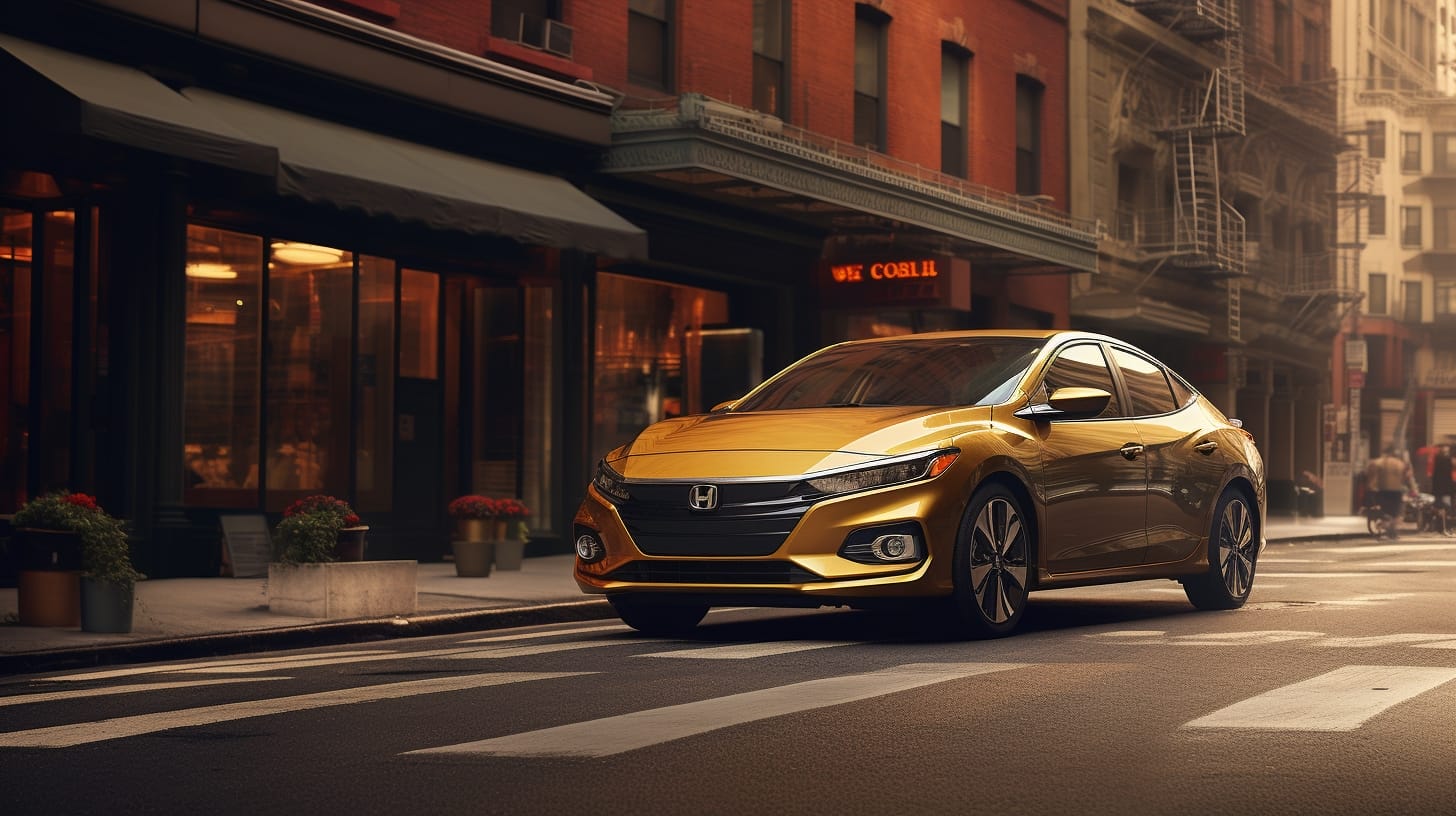
Honda Insight
Despite being a hybrid, Honda recently announced that the Indiana plant would stop production of the hybrid sedan in June. Although Honda sold 70,000 models of the Insight, the company is shifting towards creating a hybrid version of their core models, which would include the Honda Civic, which would compete with the Insight.
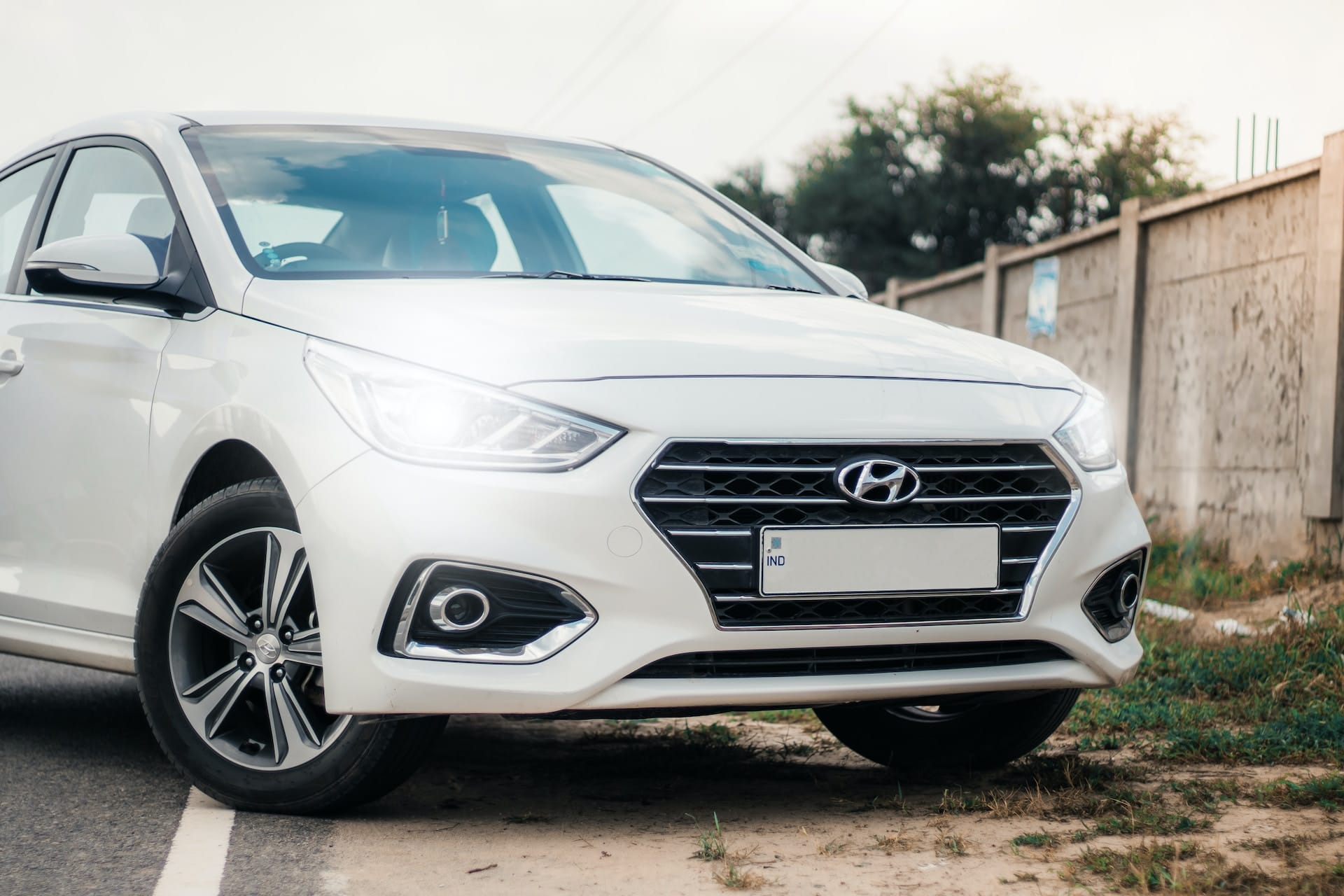
Hyundai Accent
The Accent will be ceasing production due to the expanded SUV lineup for Hyundai. This will include the Veue, which is a smaller SUV and the Accent’s removal will make the Venue the cheapest model for Hyundai. Many executives of car manufacturers feel it is unnecessary to have a small sedan the entry vehicle.
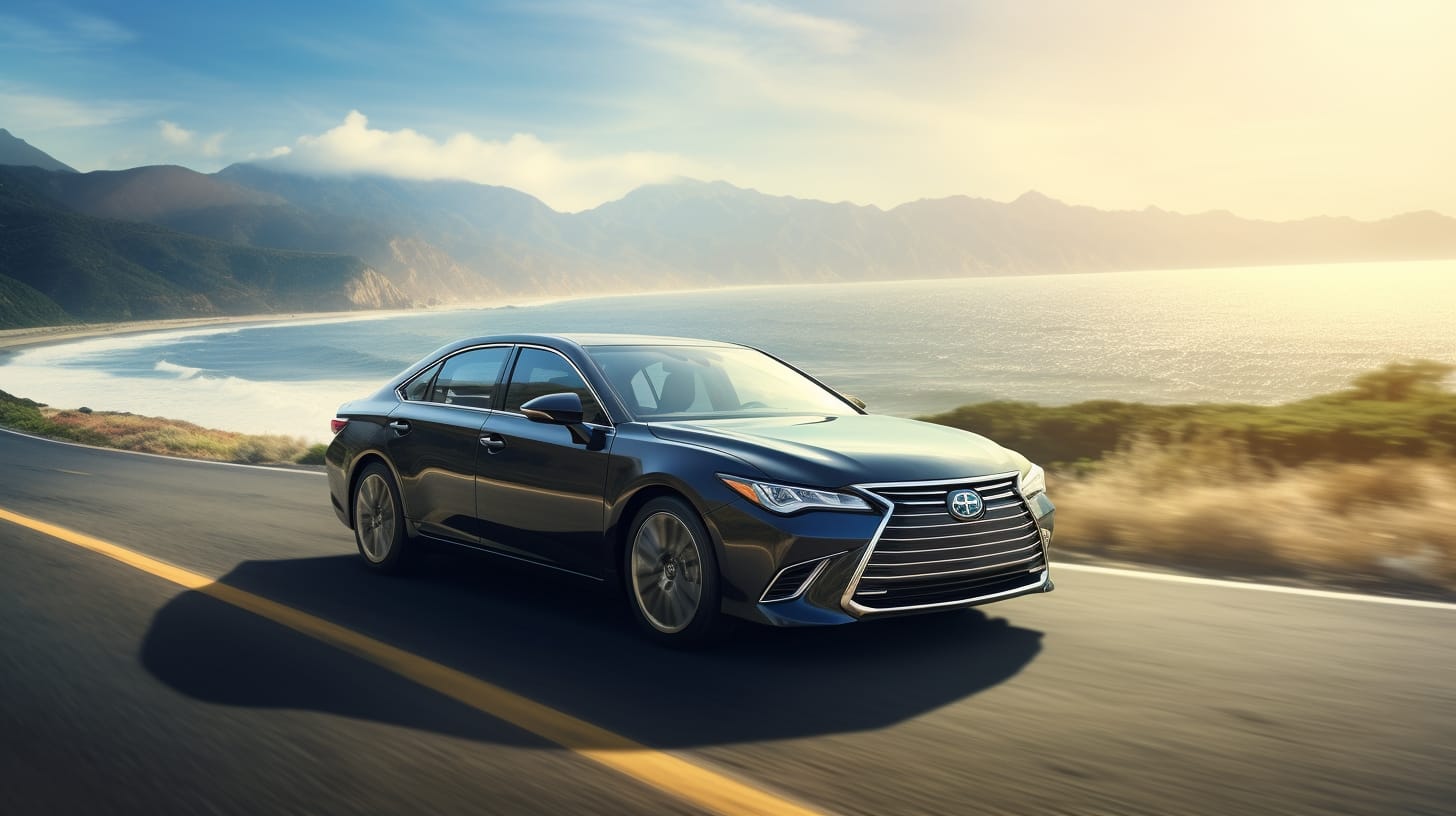
Toyota Avalon
One of the longest tenured vehicles on this list, the Avalon is finally being dropped by Toyota having been within their lineup since the mid 1990’s. Toyota plans to replace the Avalon with a semi-luxury, full sized sedan the Crown. The Crown is made to kind of split the difference between a sedan and a SUV.
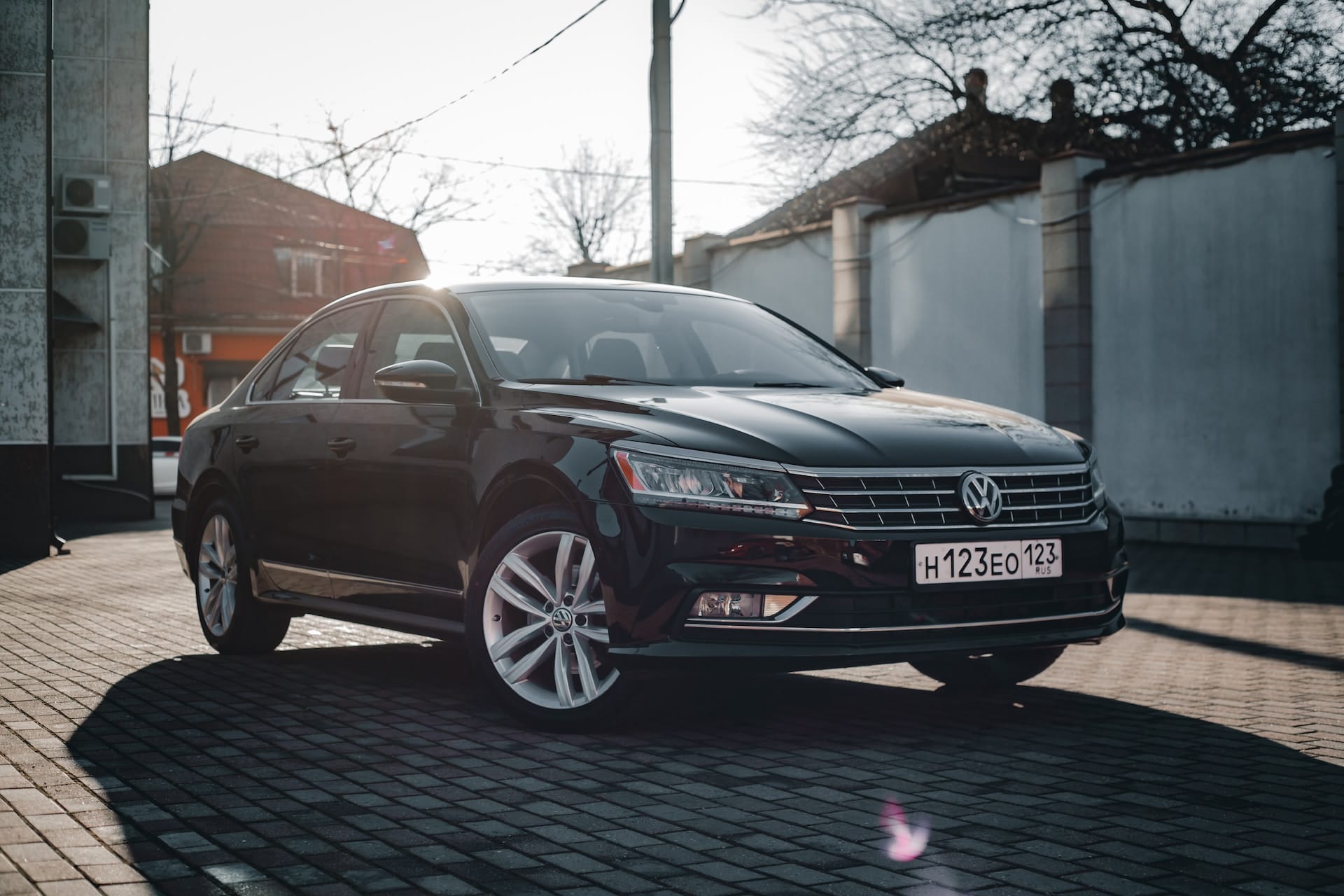
Volkswagen Passat
The Passat will be leaving the Volkswagen showrooms in 2023, despite having a limited edition 2022 model year run. This discontinuation is coming after the vehicle first debuted 30 years ago. This cease of production is due to the company focusing more on SUV production instead of sedans.
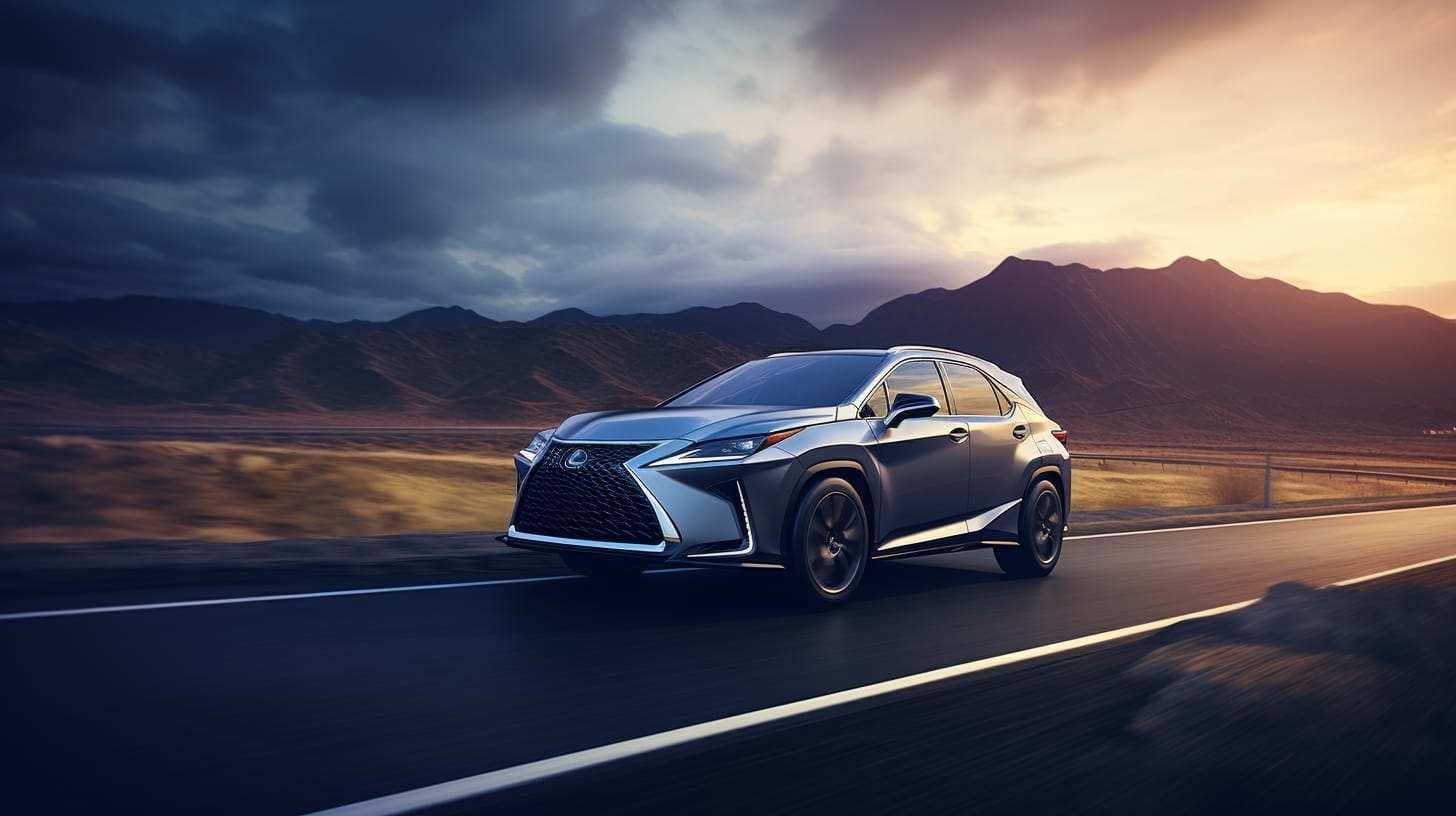
Lexus RX L
The RX L was launched in 2017, and was a third row version of the RX SUV, which recently had a full redesign. Lexus is planning on dedicating themselves to a full three row Lexus SUV, and is trying to avoid a compromise solution that the RX L was supposed to be.
Conclusion
Overall, there are a number of vehicles on this list that have been around for many years, and a few that were only in car lineups for a few years. There are a few reasons as to why they are being discontinued, it may be due to the shift towards SUVs, or a redesign of a model, but it is mostly due to the consumers’ opinion of the vehicle for the cease in production. If you are planning on purchasing any of these vehicles, it is recommended that you head to the dealership sooner rather than later in order to purchase these vehicles.