Pallet Sizes and Dimensions: The Standards, and When They Matter
The 48 by 40 inch pallet is one of the quiet standards that makes American freight work: trailers, forklifts, racking and doorways are all sized around it. Everything else in pallet dimensions is a footnote to that fact - and the footnotes are exactly what catch shippers out.
Here are the sizes that actually circulate, what each is for, and how dimensions turn into freight cost.
The Standard, and Why It Won
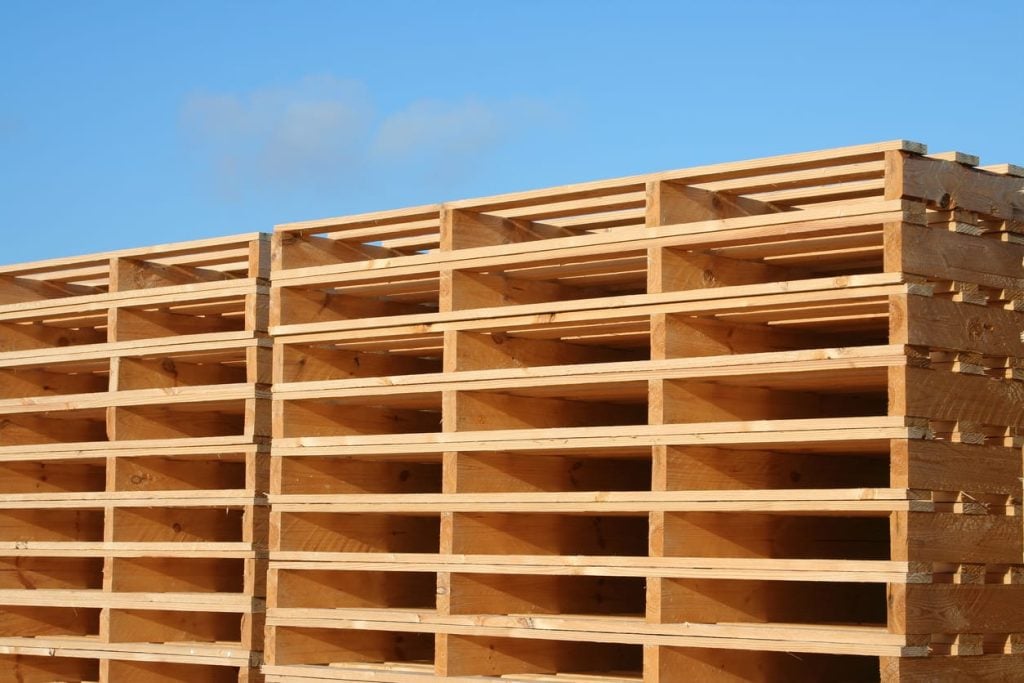
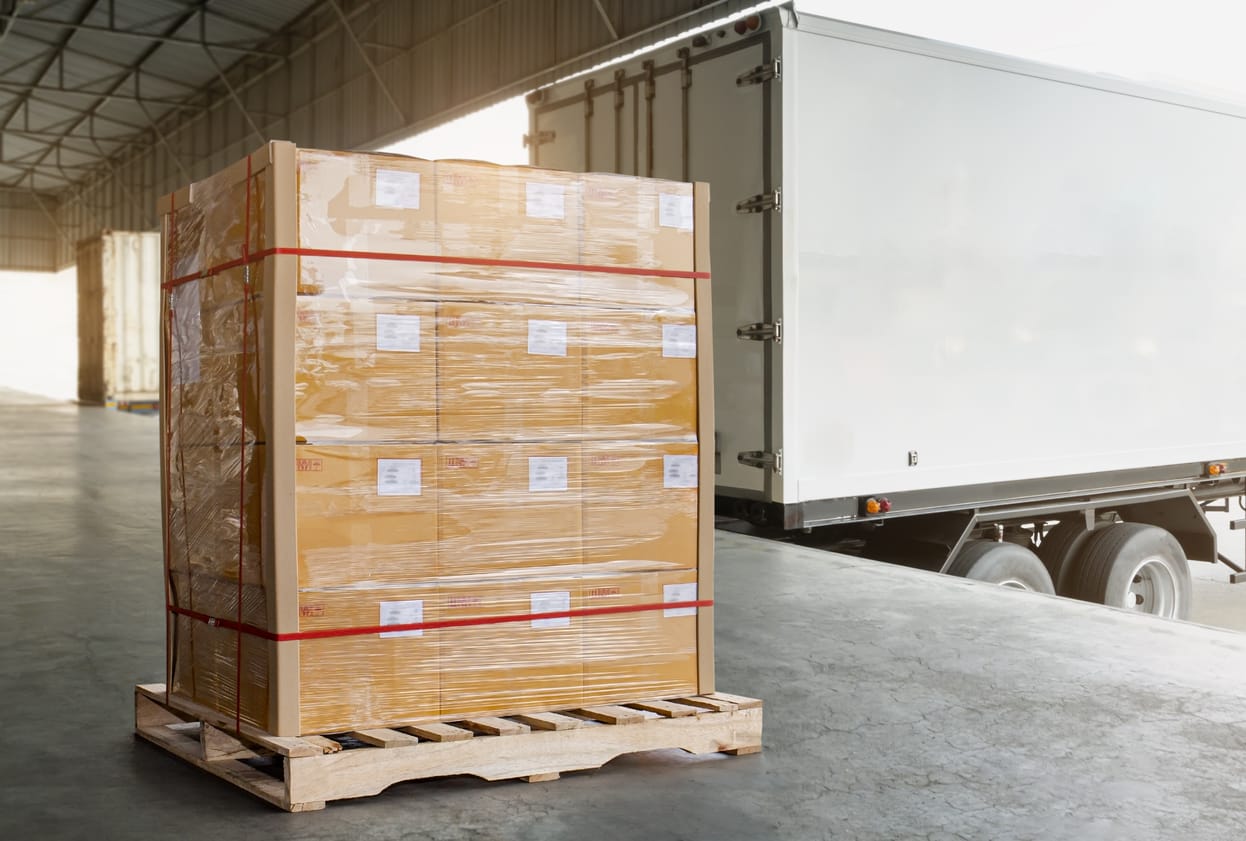
The 48 x 40 - the GMA pallet, from the grocery industry that standardized it - accounts for the overwhelming share of pallets in circulation. Two fit side by side across a 96-inch-plus trailer interior, which is the whole geometry of American truckload freight: rows of two, nose to tail.
Its load face is sized so a standard trailer swallows 26 to 30 of them single-stacked, its 40-inch dimension matches forklift and pallet jack geometry, and the rental pools that move pallets between companies standardized on it. A standard so entrenched stops being a choice and becomes infrastructure: warehouses rack to it, dock doors assume it, and every quote you receive silently prices around it. Deviating is possible, but you pay for the deviation at every handling point along the route, which is why the first question about any odd-sized load is whether it can simply go on a standard pallet after all.
Typical specs worth knowing: a new wood GMA pallet weighs 35 to 45 pounds, carries around 4,600 pounds static, and stands 6 inches tall - which matters because pallet height plus load height is what has to clear a 110-inch trailer interior, not load height alone.
The Other Sizes That Actually Circulate
42 x 42 - telecom and paint, where square loads stack stably. 48 x 48 - drums, since four 55-gallon drums sit neatly on one. 36 x 36 - beverage. 48 x 45 - the automotive industry’s size, built around parts containers. And the half pallet, 48 x 20, for retail displays.
International adds the metric family: the Euro pallet at 1200 x 800 mm (roughly 47 x 31 inches) and the 1200 x 1000. The mismatch with 48 x 40 is why goods get re-palletized at import, and why a container packed with Euro pallets strands several inches of width the entire length of the box.
Wood, Plastic, and the Grades In Between
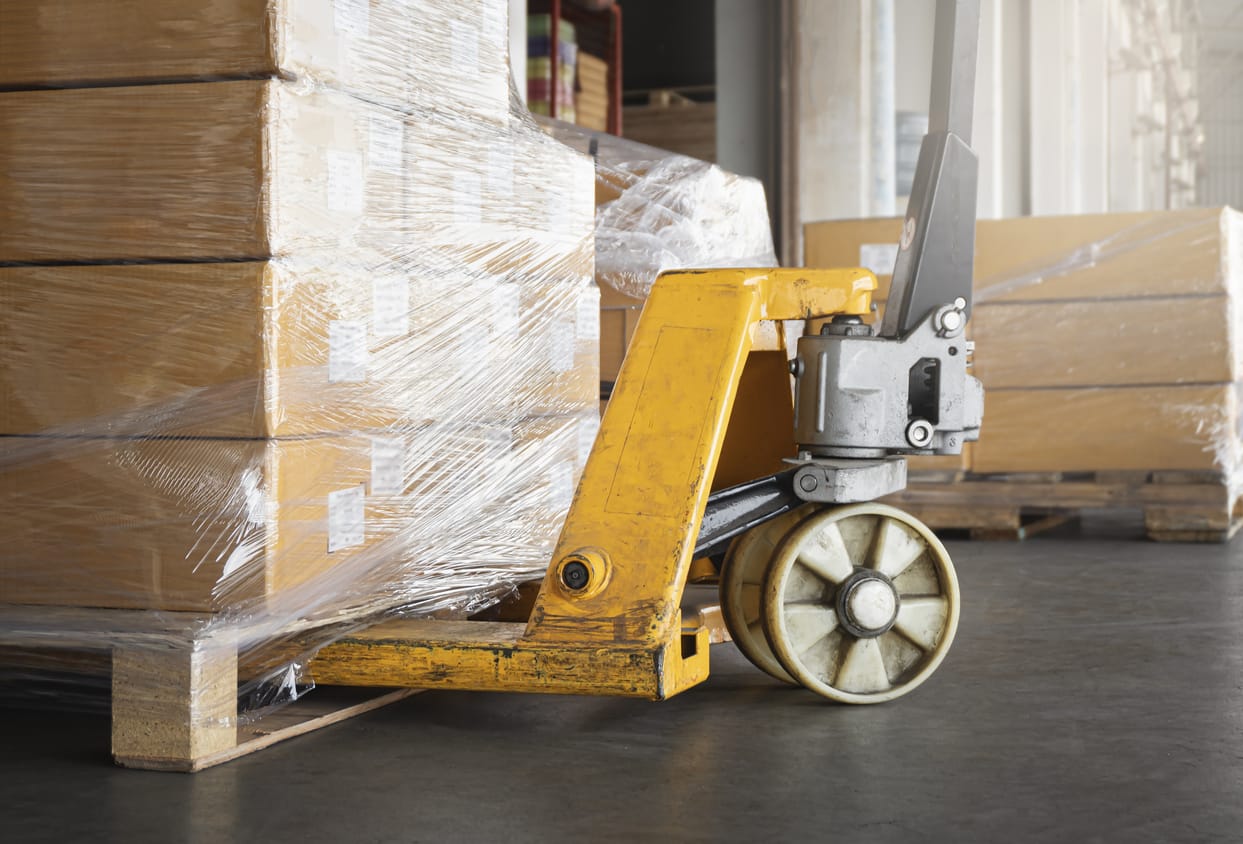
New wood is the default. Recycled wood grades A and B are cheaper and fine for domestic one-way moves. Plastic costs several times more, lasts through hundreds of trips, washes down for food and pharma, and needs no export treatment. Block pallets take a forklift from all four sides; stringer pallets from two - which decides how they load in a tight trailer.
The export detail that bites: wood pallets crossing borders need ISPM-15 heat treatment and the stamp to prove it. An unstamped pallet can hold an entire container at customs. Plastic is exempt, which is half its business case. The treatment itself is cheap when bought upfront and expensive when discovered missing at a port, so the stamp is worth physically checking before a border shipment leaves the dock - it sits on the stringer, and a pallet without it does not become compliant by argument.
How Dimensions Become Freight Cost
Carriers price palletized freight on the space it occupies and the class it falls into, and three dimension-driven mistakes cost real money.
Overhang. A load wider than its pallet gets crushed at the edges, fails dimensional checks, and gets re-classed. The load fits the pallet or the pallet was wrong.
Height creep. Stack to 48 inches including the pallet and freight stays double-stackable; a 60-inch pallet kills the tier above it and effectively doubles its floor space. The cheapest packaging decision in freight is stopping one layer sooner.
Weight distribution. A dense load concentrated on one pallet can exceed rated capacity and concentrates axle weight; spreading it costs a second pallet and saves the argument at the scale.
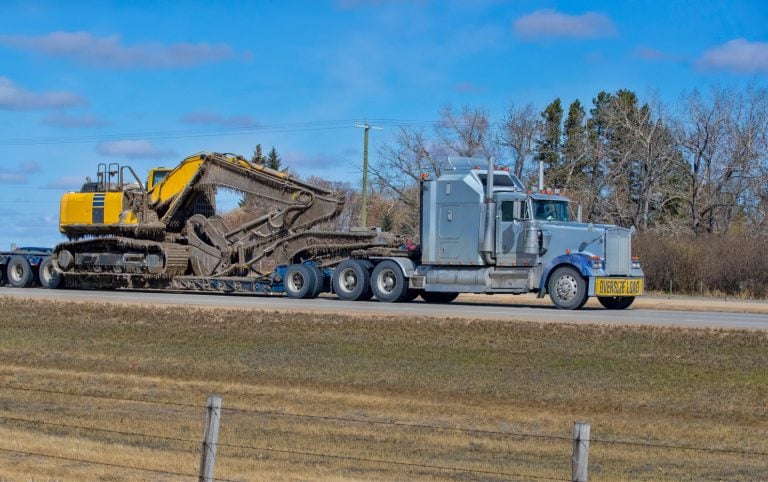
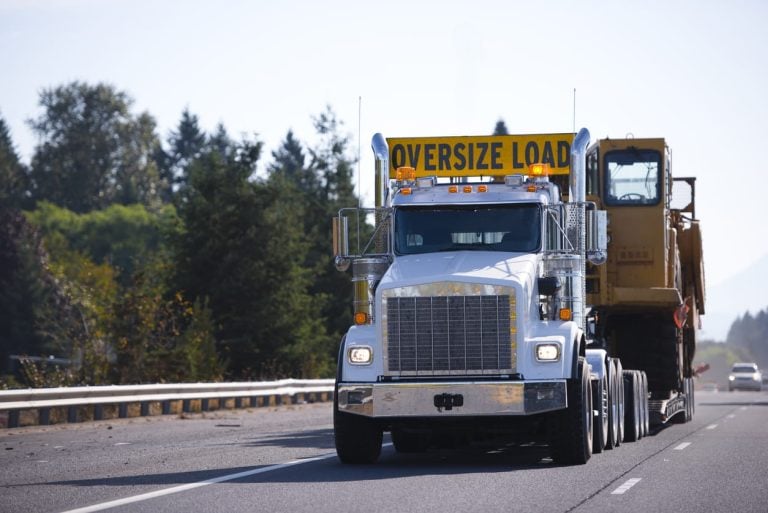
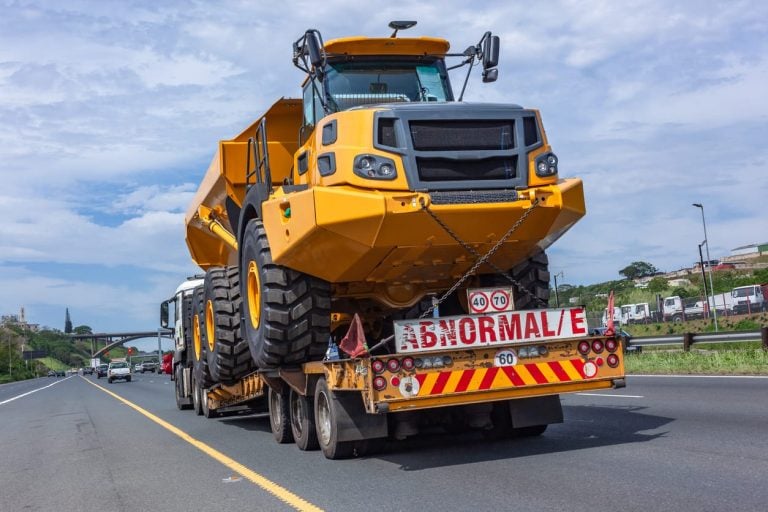
For anything that will not fit a pallet at all - machinery, vehicles, oversize pieces - the pricing logic changes entirely, covered in our pages on oversize loads and shipping goods for a small business.
Where pallet dimensions meet vehicle transport, one case comes up constantly: engines, transmissions and axles bought remotely and shipped palletized. The rules are the same with two additions - the component has to be drained of fluids and bolted or banded to the pallet through its mounting points, not just wrapped, because a 600-pound engine that shifts inside its wrap arrives as scrap. Crating on top of the pallet is worth the modest cost for anything with machined surfaces. Freight handlers move pallets, not engines; the pallet is what makes an engine shippable at all.
Choosing for Your Shipment
Default to 48 x 40 unless something forces otherwise - it is the size every truck, dock and forklift expects, and the size rental pools and recyclers buy back. Go square (42 or 48) when the load is square and stability matters. Go plastic for food, pharma, export programs and closed loops. Check the pallet’s rating against your load, and band or wrap so nothing extends past the deck.
Then give the carrier the real numbers: pallet count, footprint, loaded height including the pallet, and actual weight per pallet. Freight quotes are only as good as the dimensions behind them, and re-weighs and re-classes always cost more than honesty would have.
Common Questions
What is the standard pallet size? 48 x 40 inches, the GMA pallet - two fit across a trailer, 26 to 30 fit in, and the entire freight system is built around it.
How much weight does one hold? A typical new wood GMA carries around 4,600 pounds static; check the rating on recycled grades.
What about export? Wood needs ISPM-15 heat treatment with the stamp; plastic is exempt. An unstamped pallet can hold a container at customs.
How high should I stack? 48 inches including the pallet keeps freight double-stackable; taller kills the tier above and raises your effective rate.
Euro pallet vs US? 1200 x 800 mm versus 48 x 40 inches - the mismatch is why imports get re-palletized at the port.
Get a Quote
Call Ship A Car, Inc. at (866) 452-3657 with pallet count, dimensions, loaded height and weight, or price the move with the specialized transport calculator.