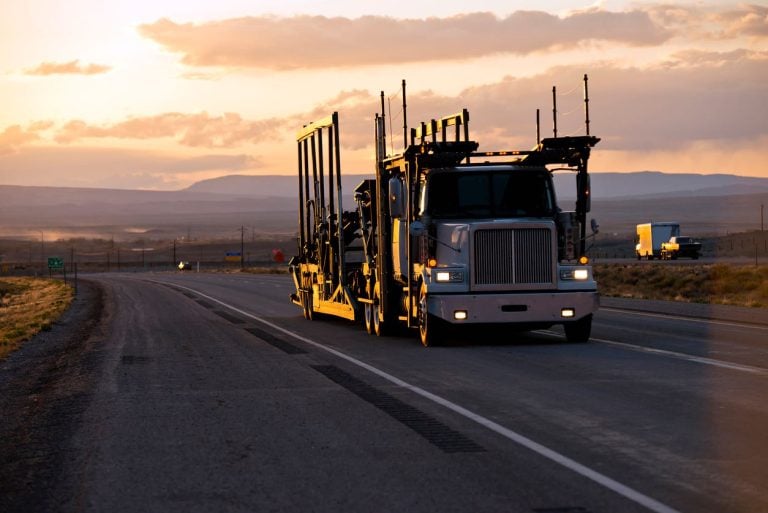
How to Ship a Food Truck
A food truck is a commercial vehicle, a commercial kitchen and somebody’s entire business in one object, and it needs planning as all three. The transport itself is ordinary. What makes these moves different is the propane, the water tanks, the loose equipment inside, and the fact that the owner usually cannot afford for it to be off the road for long.

Measure It as It Stands
Food trucks are built on a wide range of chassis and then modified, so published specifications for the base vehicle are close to useless.
Most are step vans, box trucks or converted delivery vehicles, typically 16 to 26 feet long, and the build adds height. Roof mounted air conditioning, exhaust hoods, vent stacks and generator housings all sit above the original roofline, and a truck that started at 10 feet can finish well over 11.
Measure the ground to the highest fixed point, the overall length including any bumper or hitch, and the width at the mirrors and at any serving window awning that does not fold flat. Weigh it if you can, because a fully built truck with tanks, equipment and a generator is heavier than the chassis rating suggests.
Legal height is 13 feet 6 inches measured from the road. A tall food truck on a trailer deck reaches that quickly, which is why many of these move by drive away rather than on a trailer.
Driven or Trailered
Two methods, and the choice is mostly about whether the vehicle is road legal and running.
Drive away means a qualified driver operates the truck to its destination. It is usually the cheapest option for a running, registered, insured food truck, and it avoids the height problem entirely since the vehicle is on its own wheels. What it costs you is mileage and wear on a vehicle you rely on, and it puts a stranger behind the wheel of your business.
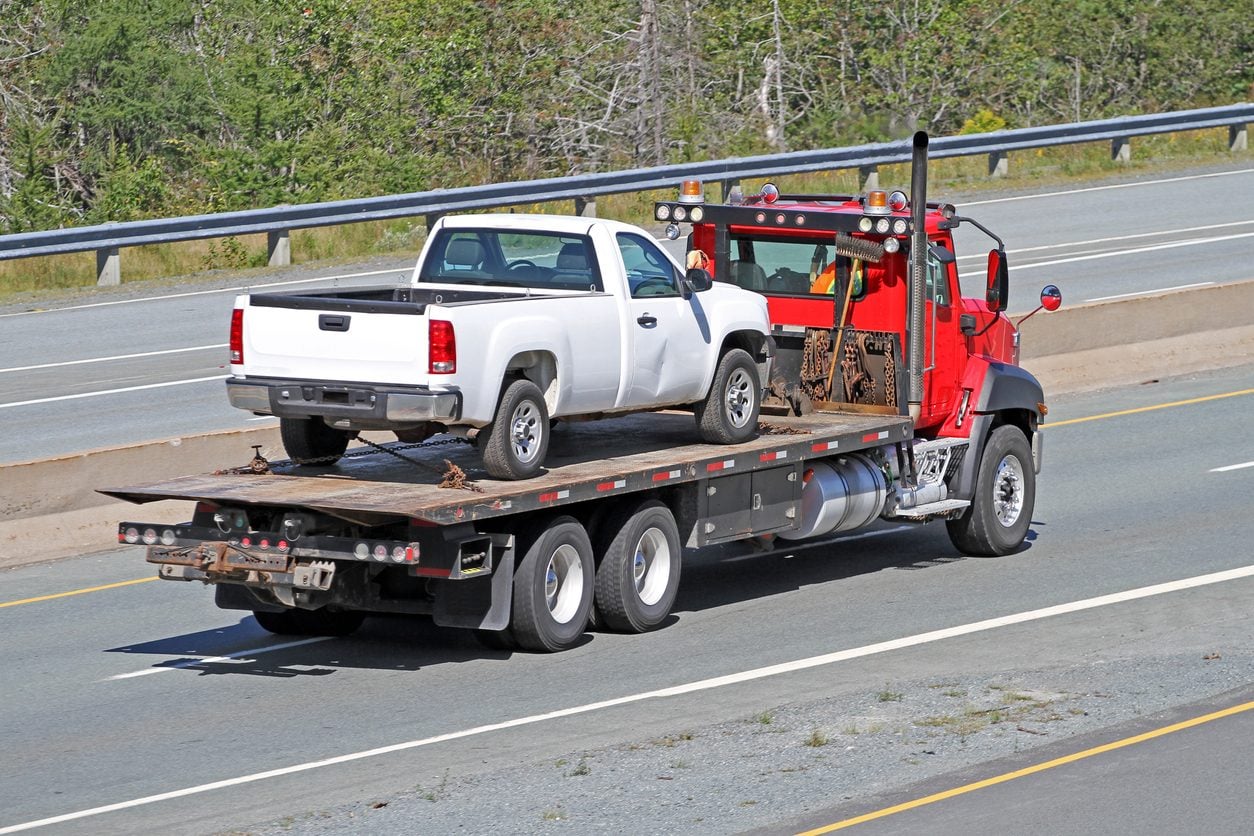
Trailered transport puts the truck on a flatbed, step deck or lowboy. It adds no mileage and it is the only option for a non running or unregistered vehicle, but the deck height adds to the vehicle height and can push the load into permit territory. A step deck or lowboy is frequently the answer.
Say which you want and why when you book, and be honest about whether the truck runs and is currently registered and insured. A drive away arrangement quoted for a vehicle that turns out to be unregistered has to be rebooked.
Propane Has Its Own Rules
This is the point that catches food truck owners more than anything else, and it is not negotiable.
Propane tanks are hazardous materials. A carrier will generally not transport a food truck with propane tanks connected and full, and on a drive away the rules are stricter still.
Remove the tanks, close the valves, cap the fittings and either transport them separately by a route that permits it or, more usually, empty them and replace the propane at the destination. Exchanging tanks locally is cheap and it removes the whole question.
The same logic applies to any other pressurized cylinder on board, including carbon dioxide for beverage systems and fire suppression bottles. Declare what is fitted rather than assuming it does not count.
Water, Grease and Everything Loose
Drain the fresh water tank and the gray water tank completely. Water is heavy, it moves, and on a route through freezing conditions a full tank or line is a burst fitting waiting to happen. Drain and clean the grease trap as well, both for weight and because a grease spill in transit is unpleasant and expensive.
Then deal with the kitchen. Anything not bolted down comes out: pans, containers, small appliances, knives, stock, cleaning supplies and the till. Secure the larger equipment that stays, and check that fridge and freezer doors are latched rather than merely closed, because a door swinging open for six hundred miles will break its hinges.
Empty the refrigeration completely and prop the doors slightly ajar once clean, so the interior does not arrive smelling of what was in it. Secure the serving window and any awning, and lock the service door.

Insurance Needs Declaring
A built out food truck is worth far more than the chassis it sits on, frequently well into six figures once the kitchen is counted.
Standard cargo insurance is calculated by weight or by shipment and will not come close. Declare the value in writing before the vehicle moves, and confirm whether the cover applies to the build and the equipment or only to the vehicle.
On a drive away arrangement, establish specifically who insures the vehicle while it is being driven and get that in writing too. That is a different question from cargo cover and it is easy to leave unasked.
Plan Around Your Season
The commercial reality is that most food trucks earn in a season, and time off the road is the real cost of the move.
Schedule the transport for your slow period where you can, and build slack in. A truck that has to be at a festival on a fixed date needs the same treatment as a race car: work backward from the event, add two to four days of margin, and book earlier than feels necessary.
Check the destination too. Health department permits, commissary requirements and vending licenses are local, and they take time. Arriving with the truck before the paperwork is a costly kind of idle.
Common Questions
Can I ship a food truck with propane on board? No. Remove the tanks, close and cap them, and replace the propane at the destination. The same applies to carbon dioxide cylinders.
Is drive away or trailered better? Drive away is usually cheaper for a running, registered truck and avoids height limits. Trailered adds no mileage and is the only option if it does not run.
Do I have to drain the water tanks? Yes, fresh and gray, plus the grease trap. Water is heavy, it shifts, and it can freeze and split a fitting.
Will my equipment be covered? Only if you declare the value. Standard cargo cover is calculated by weight and will not reflect a built out kitchen.
How tall is too tall? Legal height is 13 feet 6 inches from the road. Measure to the top of the air conditioning or vent stack, and remember a trailer deck adds several feet.
Get a Quote
Call Ship A Car, Inc. at (866) 821-4555 with the measured height, length and weight, whether the truck runs and is registered, and the declared value of the build, or price the move with the instant calculator.